

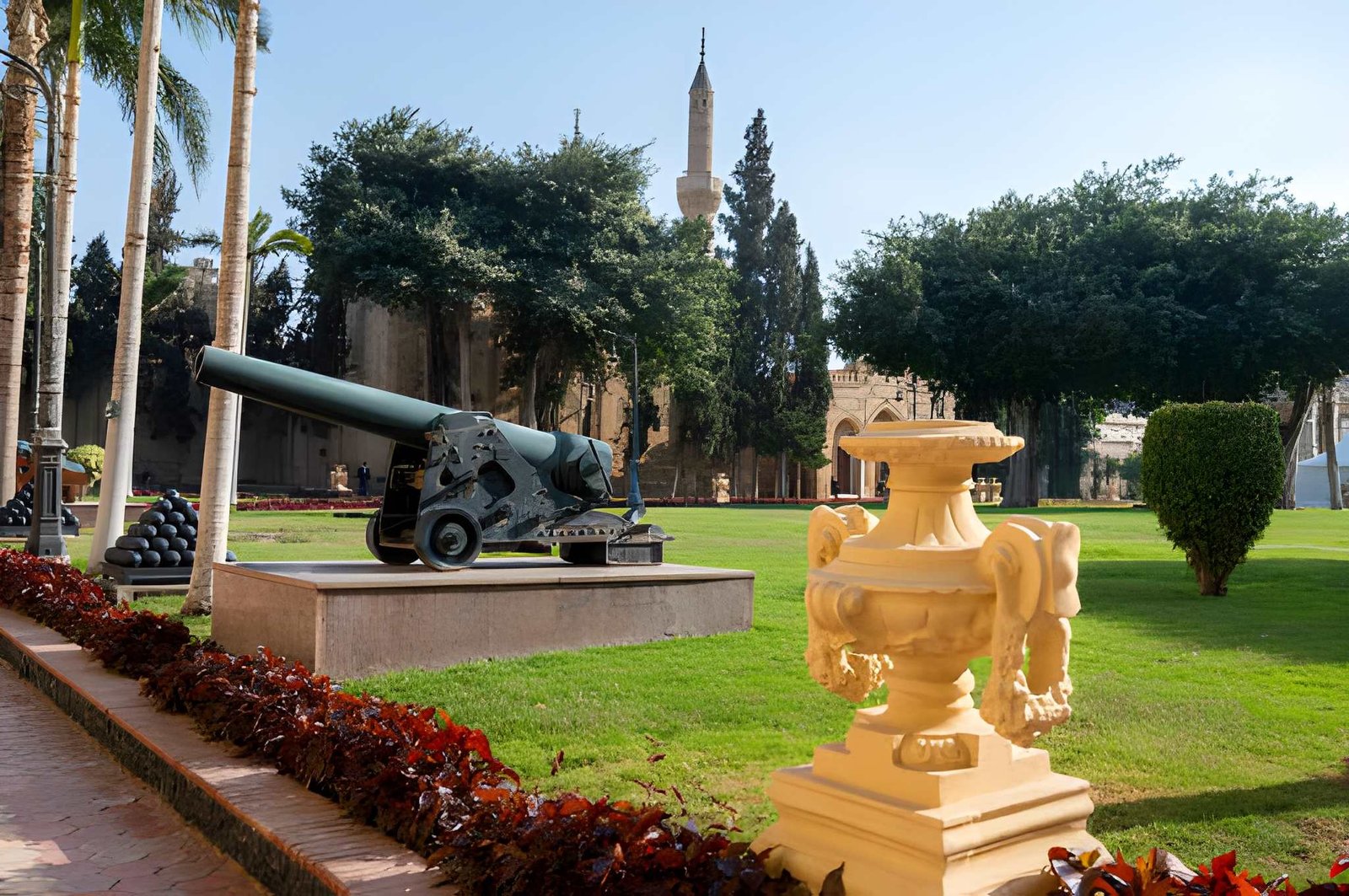
Abdeen Palace: The Timeless Royal Jewel of Cairo’s Golden Age
Right in the heart of Cairo lies one of Egypt’s most magnificent architectural masterpieces—the Abdeen Palace. Standing as a glorious emblem of Egypt’s royal past, this palace is not merely a building; it’s a historical chronicle carved in marble and gold. With its rich blend of French, Turkish, Italian, and Rococo design influences, Abdeen Palace represents the grandeur of 19th-century Egypt when style met sovereignty. Every corner whispers tales of royal banquets, political intrigues, and shifting eras that shaped modern Egypt. For travelers craving insight into Egypt’s regal heritage, stepping into Abdeen Palace feels like walking into a storybook of kings and revolutions.
Built under the reign of Khedive Ismail, the palace marked a significant milestone in Egypt’s architectural evolution. Once the seat of power for Egyptian monarchs, it now serves as an awe-inspiring museum complex, open to historians, tourists, and art lovers alike. The Abdeen Palace Museum showcases royal arms, historical documents, military exhibits, and gifts presented to Egypt’s rulers by global dignitaries. Today, the palace not only symbolizes opulence but stands as an archive of Egypt’s journey from monarchy to republic. For anyone immersing themselves in Cairo’s best travel experiences, this monumental site is an essential stop that unveils the cultural evolution of a nation through art, architecture, and diplomacy.
Travelers embarking on Egypt Day Tours will find Abdeen Palace an irresistible highlight. Surrounded by bustling streets and timeless charm, Cairo’s royal quarter weaves together Egypt’s history with its cosmopolitan present. A true reflection of elegance, the palace offers an intimate encounter with Egypt’s noble heritage, ensuring a breathtaking moment of connection between the visitor and a nation that never ceases to fascinate with its majestic legacy.
The Majestic Origins of Abdeen Palace
Khedive Ismail, often credited with modernizing Egypt in the 19th century, envisioned Abdeen Palace as a regal epicenter to reflect Egypt’s emerging power. Before the palace rose, the land belonged to a military commander, Abdeen Bey, whose modest home stood on the site. In 1863, Ismail purchased it, ordering the construction of a palace fitting for a ruler determined to rival the grandeur of European courts. With French architects and artists leading the project, construction spanned a decade, concluding in 1874. The result—a palace that blended European artistry with Middle Eastern refinement—was nothing short of breathtaking.
During Ismail’s rule, Egypt was experiencing a cultural renaissance. Influences from Paris, London, and Istanbul merged seamlessly with Egyptian craftsmanship, as the palace’s ornate halls and gilded ceilings came to life. Much like the refinement displayed in the most exquisite palaces of Egypt, Abdeen became the symbol of cosmopolitan ambition and a venue for lavish royal ceremonies. Every chandelier, silk curtain, and mosaic detail speaks volumes about Egypt’s desire to position itself as a global power under the banner of elegance and prestige.
Architectural Splendor and Artistic Flourish
Abdeen Palace is a visual symphony of neoclassical beauty merged with Ottoman finesse. The palace’s facades boast meticulously carved balconies and columns that echo European elegance. Inside, opulent halls shimmer under crystal chandeliers, their light reflecting upon polished marble floors and gold-leaf detailing. The Mirror Hall, State Hall, and Throne Hall each convey a distinct tone of authority and sophistication.
In these royal chambers, Egypt’s destiny was often shaped. Many treaties, receptions, and state functions illuminated these grand rooms. The palace’s gardens added tranquility, echoing traditional Islamic landscaping patterns with fountains, lush lawns, and serene window views. Visitors today can marvel at the meticulous preservation of royal furnishings, exquisite tapestries, and treasures that rival any exhibition found in The Egyptian Museum.
From Royal Residence to National Treasure
Though initially serving as Khedive Ismail’s main residence, Abdeen Palace remained an administrative headquarters and royal home for many successors. Kings and presidents, from King Fuad I to King Farouk, presided over affairs of state within these rooms. When Egypt transitioned into a republic following the 1952 revolution, Abdeen’s role shifted dramatically. No longer a sovereign’s residence, it was repurposed as a national museum, becoming a sanctuary of treasures and diplomacy instead of royal privilege.
Today, its museum complex comprises several thematic sections: the Silver Museum, the Arms Museum, the Historical Documents Museum, and a Presidential Gifts Museum. Each wing tells a unique tale about Egypt’s relationships, conflicts, and brilliant artistry. As travelers explore Egypt’s fascinating past through famous Egypt destinations, Abdeen Palace stands as a pinnacle of historical significance.
The Abdeen Palace Museum Complex: A Showcase of Egypt’s Rich Legacy
The Silver Museum gleams with priceless ornaments, tableware, and ceremonial items once owned by the royal family. The Arms Museum houses an impressive array of ancient and modern weaponry—each piece embodying a story of Egypt’s military valor. Meanwhile, the Presidential Gifts Museum offers an intriguing glimpse into Egypt’s diplomatic world, displaying tokens presented by international leaders throughout modern history. Together, these museums create a multidimensional timeline of Egypt’s emergence as an independent, proud nation.
Many visitors include Abdeen Palace in their curated experiences from Best Egypt Travel Packages, appreciating its unique combination of politics, artistry, and heritage. Strolling through its marble corridors is like flipping through centuries of Egypt’s cultural evolution, where Western sophistication and Middle Eastern authenticity intermingle effortlessly.
Symbol of Modern Egyptian Identity
Abdeen Palace encapsulates how Egyptian identity was reshaped in the late 19th and early 20th centuries. It was here that Egypt began to affirm its place among global powers. The palace stood as a statement of progress during a time when Egypt balanced between deep-rooted traditions and an eagerness for modernization. Each fresco, chandelier, and gallery narrates the country’s architectural transformation from pharaonic grandeur to modern splendor.
Exploring Abdeen Palace offers the same cultural depth found in places like Islamic Cairo, merging religion, art, and royal heritage into one immersive journey. It’s a site where visitors can trace the scars of colonial negotiation and see how Egypt reclaimed its dignity through culture and conservation.
Visiting Abdeen Palace: A Cultural Experience You Can’t Miss
For contemporary travelers, Abdeen Palace is more than an architectural wonder—it’s a tangible connection to Egypt’s journey toward independence and mastery of modernization. Entry into the palace allows you to browse exhibits, witness the craftsmanship of royal designers, and appreciate Cairo’s seamless blend of history and innovation. The palace’s central location, near Khan El-Khalili Bazaar and key landmarks, makes it an easily accessible stop for anyone wishing to absorb Cairo’s full historical panorama.
Whether you’re exploring Egypt through a luxury tour or a local excursion, the Abdeen Palace remains an unforgettable cultural landmark. As you wander across its marble halls, each artifact unfolds another page of Egypt’s legacy, continuing to enchant visitors from all corners of the world.
FAQs About Abdeen Palace
What is the historical significance of Abdeen Palace?
Abdeen Palace was the official residence and power hub of Egypt’s royal family, built under Khedive Ismail in the 19th century. Its significance lies in its representation of Egypt’s modernization era, blending European architectural influence with Egyptian craftsmanship. It was also the site of many critical political events and later transitioned into a museum complex preserving Egypt’s royal and diplomatic history.
Where is Abdeen Palace located in Cairo?
Abdeen Palace is located in downtown Cairo, near Tahrir Square and close to major attractions such as the Cairo Tower and the Egyptian Museum. Its strategic location makes it easy for visitors exploring the heart of the city to add it to their travel itineraries.
What can tourists see inside Abdeen Palace?
Visitors can explore several museum sections that display artifacts from Egypt’s royal era, including collections of arms, silver, gifts, and historical documents. Each hall offers a well-preserved look into Egypt’s past political and cultural relations. The palace’s grandeur and preservation make it one of Cairo’s top attractions for cultural tourism.
When is the best time to visit Abdeen Palace?
The ideal time to visit Abdeen Palace is between October and April when the weather in Cairo is pleasantly mild. Travelers can further plan their visit with expert guidance from When is the Best Time to Visit Egypt? to enjoy a balanced experience combining comfort and exploration.
Why should travelers visit Abdeen Palace during their Cairo tour?
Because Abdeen Palace vividly portrays Egypt’s royal past, it provides one of the most comprehensive insights into the nation’s transformation into a modern state. Beyond the opulent interiors, the palace embodies Egypt’s diplomatic heritage, artistic excellence, and architectural ingenuity. For history enthusiasts, photographers, and cultural explorers, it’s an essential stop reflecting the soul of Egypt’s historical grandeur. Many travelers combine their visit with Cairo and Nile Cruise tours for a holistic Egyptian experience.

Comment (0)