

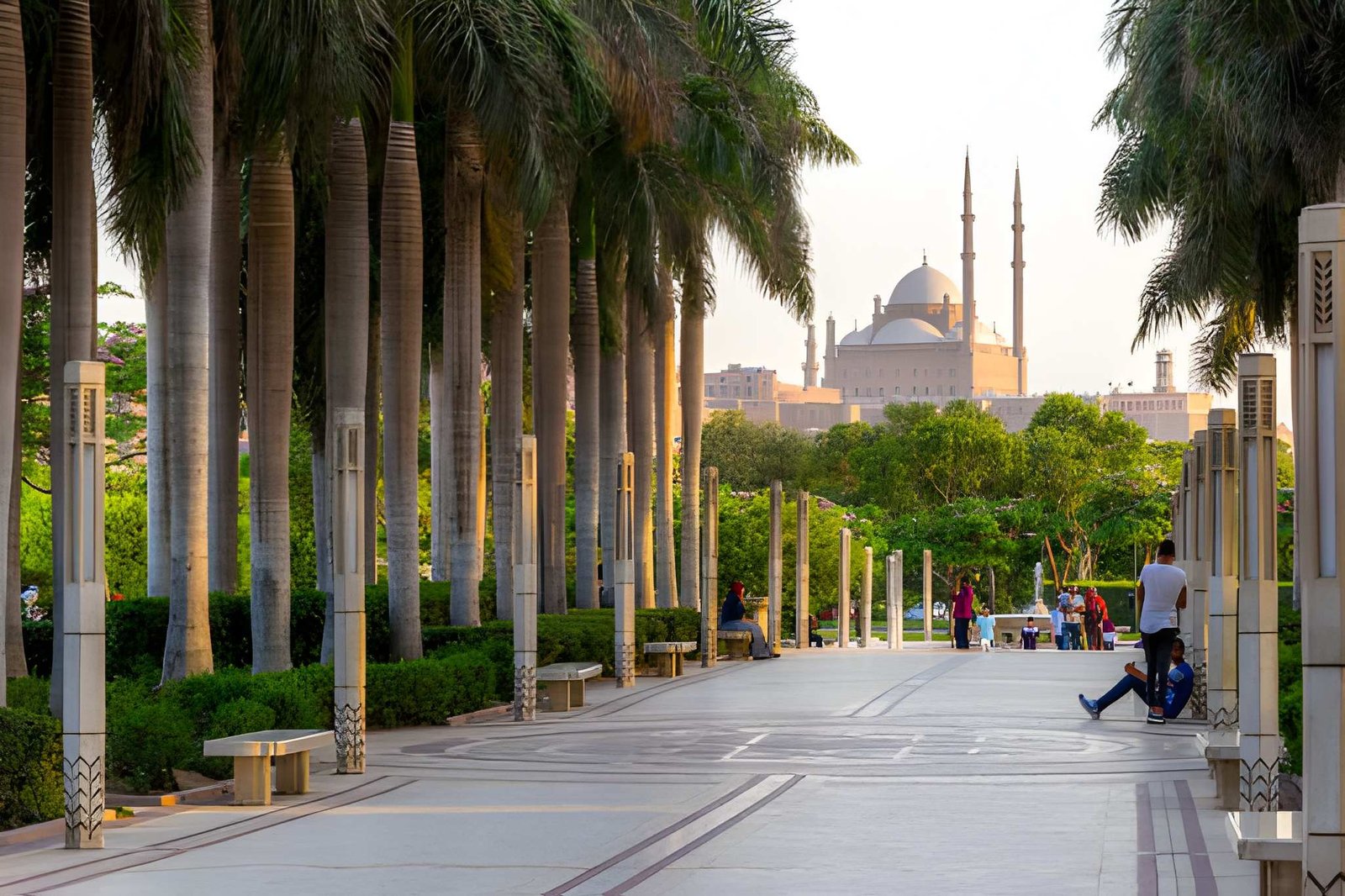
Al Azhar Park: Cairo’s Serene Oasis of History, Beauty, and Culture
In the heart of bustling Cairo stands a mesmerizing testament to Egypt’s timeless beauty—Al Azhar Park, a lush sanctuary where history and tranquility converge. This verdant masterpiece is more than just a park; it’s a living chapter of restoration, sustainability, and urban rebirth. Spread across 74 acres, Al Azhar Park weaves together manicured gardens, cascading fountains, and serene walkways that overlook the old Islamic quarter, forming one of the most breathtaking panoramic vistas in Egypt. It’s not merely a destination but an emotion—inviting travelers, locals, and photography enthusiasts to relish the subtle symphony of tradition and modern leisure. The park, inaugurated in 2005, was a gift to the people of Cairo by the Aga Khan Trust for Culture, aiming to rejuvenate the city’s heart while honoring its legacy. Over the years, it has blossomed into a must-visit gem that perfectly balances Cairo’s dynamic pulse with quiet contemplation. For history lovers, Al Azhar Park opens a portal to the past; for couples, it’s a romantic escape; for families, a lively retreat; and for wanderers, it’s a cinematic encounter with Egypt’s spirit.
Just a short ride from iconic landmarks like Al Azhar Mosque and the Citadel of Salah El-Din, this park connects the modern traveler to centuries of Islamic heritage and urban resilience. With picturesque cafes, cultural exhibitions, and spectacular sunsets, Al Azhar Park symbolizes a richer, greener Cairo. Whether you’re a local enjoying an afternoon breeze or a visitor exploring Cairo City, this destination promises serenity and splendor in every step.
The Birth of Al Azhar Park: From Rubble to Eco-Haven
Few places in the world embody transformation as vividly as Al Azhar Park. Before becoming a flourishing paradise, this site was once a century-old dumping ground. For over five hundred years, it stood as an eyesore amidst Cairo’s ancient treasures—until 1984, when the Aga Khan envisioned the impossible: converting a mountain of debris into an emerald masterpiece. After years of restoration, engineers and landscape architects crafted a delicate balance between environmental rehabilitation and cultural preservation. Removing millions of cubic meters of refuse, they sculpted serene lakes, rolling lawns, and finely paved terraces that now echo a renewed Cairo. The project also breathed new life into the surrounding historic district, including the restoration of the Ayyubid Wall, an 800-year-old fortification buried beneath rubble for centuries. Al Azhar Park today stands as a beacon of sustainable urban design, blending ecological innovation with timeless elegance.
Travelers exploring this area often combine their visit with cultural marvels such as El Moez Street and the vibrant Khan El-Khalili Bazaar, immersing themselves in Cairo’s living history. This transformation story not only emphasizes ecological revival but also highlights Cairo’s ongoing spirit of reinvention—an essential narrative within Egypt’s modern travel experience.
Design and Architecture: A Living Homage to Islamic Art
Every inch of Al Azhar Park’s landscape celebrates Islamic artistry. The design draws inspiration from traditional Persian, Andalusian, and Mamluk garden layouts, featuring symmetrical flowerbeds, water channels, and geometric pathways that trust the timeless principles of balance and harmony. Palm-lined boulevards lead to ornate marble terraces, offering sweeping views of old Cairo’s minarets. The interplay of water, shadow, and greenery reflects the spiritual symbolism of paradise in Islamic culture—a haven where life flourishes in unity with art. Architect Sasaki Associates emphasized the authenticity of materials—using limestone, granite, and handmade mosaics—to create timeless pathways that whisper history beneath your feet. The artistry extends to the restaurants and viewpoints, where visitors can savor traditional Egyptian dishes while soaking in the golden hues of dusk. It’s this intrinsic harmony of architecture and nature that elevates Al Azhar Park beyond the boundaries of an ordinary urban park.
Al Azhar Park’s Panoramic Views: A Visual Symphony Over Cairo
Standing on the park’s highest terrace offers one of Egypt’s most spellbinding scenes. To the west, the historic skyline bursts with the silhouettes of dozens of minarets, domes, and medieval walls. Nearby loom the ancient stones of the Grand Egyptian Museum’s predecessors—the countless treasures of Islamic Cairo preserved over centuries. When the sun dips behind the horizon, the city bathes in hues of amber and rose, casting a dreamlike glow that’s every photographer’s muse. Whether it’s a sunrise stroll or twilight meditation, Al Azhar Park’s vantage points offer ever-changing portraits of Cairo—alive, proud, and ever eternal.
Cultural Vibrance and Events: Where Tradition Meets Celebration
Al Azhar Park is a living cultural hub that resonates with Egypt’s vibrant heartbeat. The lawns and amphitheaters host year-round festivals, outdoor concerts, and heritage performances. Music fills the air during Ramadan evenings, where families and tourists gather under lantern-lit skies, celebrating Egypt’s hospitality and togetherness. The park often collaborates with local organizations to promote environmental awareness, community art, and history workshops. Its proximity to Islamic Cairo adds an authentic charm, where the echoes of prayers blend with the laughter of children and the hum of street performers. For culture enthusiasts, this park provides a kaleidoscope of sound, color, and motion—a manifestation of Egypt’s evolving identity.
Dining at Al Azhar Park: A Culinary Experience Above the City
Dining within Al Azhar Park is a multisensory indulgence. The restaurants perched along its elevated walkways offer authentic Egyptian and Mediterranean cuisines with stunning panoramic views. Among these, venues like Studio Misr and Citadel View Restaurant have become culinary landmarks. Visitors can savor mezze platters, grilled kofta, and traditional desserts while overlooking Cairo’s illuminated skyline. The breezy terraces, scented with jasmine and mint tea, create an atmosphere that’s inherently Egyptian yet universally welcoming. For food lovers, it’s a feast for both the palate and the eyes. Travelers seeking to explore local gastronomy further might also enjoy reading about traditional Egyptian dishes, an essential introduction to Egypt’s soulful cuisine.
Best Time to Visit Al Azhar Park: Seasons, Tips, and Hidden Charms
Timing shapes the experience at Al Azhar Park. Spring (March to May) and autumn (October to December) offer the most pleasant weather, where cool breezes mingle with sweet floral scents. Winter sunsets often bathe Cairo in cinematic light, making it ideal for photographers and romantics alike. Evenings are particularly magical—the city lights flicker, and the park transforms into a serene, illuminated paradise. To escape mid-day heat, morning strolls along the tree-lined paths are refreshing, perfect for spotting birds or reading under shaded gazebos. Pairing your visit with local tours like Egypt Day Tours helps uncover more cultural sites in the vicinity, creating a well-rounded travel experience. Each season at Al Azhar Park unveils a new rhythm, making repeat visits an ever-rewarding journey.
How to Get to Al Azhar Park and Nearby Attractions
Reaching Al Azhar Park is effortless. Taxis, ride-hailing apps, and private tour arrangements ensure access from anywhere in Cairo. Located just east of the old city walls, it’s perfectly positioned near landmarks like the National Museum of Egyptian Civilization and the Hanging Church. For those embracing eco-tourism and sustainable travel, it ties beautifully with itineraries focusing on cultural immersion. Adventurers planning longer stays often combine their visit with Best Egypt Travel Packages to explore regions beyond Cairo, blending city culture with nature and history.
Why Al Azhar Park Should Be On Every Traveler’s Itinerary
Few destinations captivate both historians and daydreamers like Al Azhar Park. It bridges centuries of Egyptian heritage with contemporary leisure in a way that’s both inspiring and educational. This park isn’t just greenery—it’s storytelling through landscape, a poetic reminder that beauty can rise from ruins. For photographers, it delivers breath-stealing compositions; for history lovers, traces of Ayyubid craftsmanship; for families, laughter-filled weekends amid fountains and flowers. Its ambiance effortlessly encapsulates the essence of Egypt—a land where the past and present coalesce into timeless harmony. When you stroll through its gardens, you’re not merely walking through nature; you’re stepping into history that breathes through fragrant breezes and ancient stone walls.
FAQs About Al Azhar Park
1. Where exactly is Al Azhar Park located?
Al Azhar Park is situated in the heart of historic Cairo, just east of Islamic Cairo’s old city walls. It lies adjacent to the Darb al-Ahmar district, offering panoramic views that extend toward landmarks such as the Citadel of Salah El-Din and the Mohammed Ali Mosque. Its centralized position makes it easily accessible for both locals and tourists exploring Egypt’s cultural hub.
2. What are the entrance fees and opening hours for Al Azhar Park?
The entrance fee is modest, allowing visitors from all walks of life to enjoy its beauty. Prices may vary slightly between locals and foreign visitors. Typically, Al Azhar Park opens from 9 AM until 10 PM on weekdays and stays open later on weekends, accommodating families, tourists, and evening diners seeking Cairo’s best skyline views.
3. What are the must-see attractions within the park?
Don’t miss the central lake, the cascade fountains, the hilltop viewpoints, and the restored Ayyubid Wall. Each corner hides a unique vista or architectural gem. The southern terraces, in particular, provide postcard-perfect views of the Sultan Hassan Mosque and neighboring monuments, making it a visual treat for every visitor.
4. Are there restaurants and cafes inside Al Azhar Park?
Yes, several restaurants operate inside the park, offering both local and international dishes. Popular venues like Studio Misr serve Egyptian barbecues, while Citadel View Restaurant offers elegant dining with panoramic cityscapes. These establishments make Al Azhar Park an excellent destination for sunset dinners or romantic evenings.
5. What makes Al Azhar Park unique compared to other places in Cairo?
Its uniqueness lies in its synthesis of ecology, architecture, and heritage. Unlike conventional gardens, Al Azhar Park rises from history—it turned a centuries-old landfill into a green masterpiece. From environmental restoration to cultural empowerment of nearby communities, the park represents Egypt’s rebirth and modern vision. For travelers planning holistic cultural experiences, incorporating visits to attractions like Egypt Luxury Tour and Famous Egypt Destinations is the perfect way to witness the blend of nature, luxury, and history that defines modern Egypt.

Comment (0)