

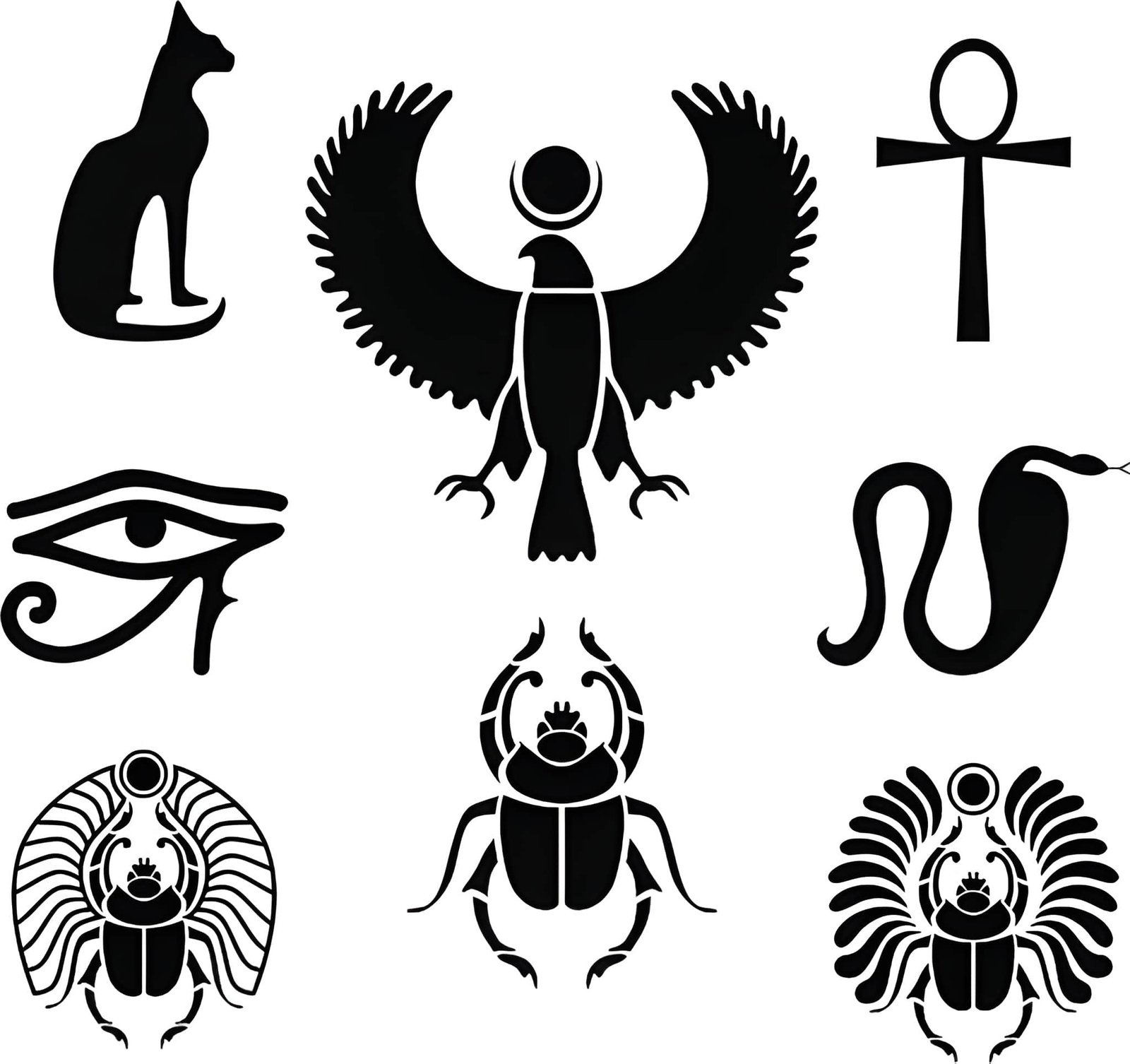
Ancient Egyptian Art Animals: A Window into Symbolism and Belief
Ancient Egyptian art animals are among the most captivating aspects of Egypt’s cultural heritage. These animal depictions were not mere decorations—they represented divine power, spiritual beliefs, and the connection between humans and the gods. From cats and falcons to jackals and crocodiles, each animal held unique significance within temples, tombs, and daily life. Exploring the world of ancient Egyptian art animals provides key insights into the civilization’s values, religion, and artistry.
Attention: The Mystical World of Ancient Egyptian Animal Art
The fascination with ancient Egyptian art animals begins with their deep connection to mythology and symbolism. Animals in Egypt were believed to be earthly manifestations of the gods. The falcon represented Horus, a sky god symbolizing kingship and protection, while the cat symbolized Bastet, the goddess of home and fertility. Even today, visitors exploring sites like the Egyptian Museum can witness detailed animal statues that reveal the Egyptians’ reverence for the natural world.
In temples, tombs, and papyrus paintings, animals were portrayed with precision and grace. Their anatomy, posture, and behavior were captured in ways that reflected respect rather than dominance. For instance, crocodiles were both feared and worshiped, representing the power of Sobek, the god of the Nile’s fertility and military prowess. Such depictions reveal how animals were woven into the spiritual fabric of Egyptian art.
Interest: The Role of Animals in Ancient Egyptian Religion
Religion was the foundation of ancient Egyptian life, and animals were integral to it. The pantheon of Egyptian gods was filled with deities who took animal forms or possessed animal features. The jackal-headed Anubis, for example, was the god of mummification and the afterlife—a protector of souls during their journey through the underworld. You can learn more about his symbolism by exploring the Anubis Symbol.
Falcons, cats, scarabs, bulls, and ibises were among the most venerated creatures. The ibis was associated with Thoth, the god of wisdom and writing, whose image adorned temple walls such as those in The Temple of Seti at Abydos. These sacred animals were often mummified and buried with offerings, demonstrating the Egyptians’ deep belief in their divine power. The link between humans and animals was spiritual, symbolic, and artistic.
Desire: Experience Ancient Animal Art Through Egypt’s Timeless Sites
To truly understand ancient Egyptian art animals, one must experience Egypt’s ancient monuments and museums. Cities like Luxor City and Aswan City are open-air museums showcasing carvings and reliefs filled with animal symbolism. The temples of Karnak and Edfu beautifully display falcons, representing Horus, while Kom Ombo pays homage to Sobek through its crocodile imagery. A visit to the Kom Ombo Temple reveals how art blended seamlessly with religious devotion.
At the Grand Egyptian Museum, travelers can marvel at statues of Bastet, Anubis, and other animal deities. These collections illustrate the Egyptians’ exceptional craftsmanship and their spiritual interpretation of nature. If you’re passionate about discovering authentic artifacts, the Real Ancient Egyptian Artifacts exhibit offers a closer look at the precision and symbolism behind these creations.
To enhance your experience, consider joining a guided journey like the 8 Day Cairo and Nile Cruise Tour, where experts guide travelers through ancient temples teeming with animal art and mythological imagery. Every stop reveals how animals shaped Egypt’s visual identity and spiritual beliefs.
Action: Learn, Explore, and Connect with Egypt’s Animal Symbolism
Exploring ancient Egyptian art animals isn’t just about admiring ancient sculptures—it’s about connecting with the culture’s soul. Imagine walking through the Temple of Hathor and observing sacred cows representing love and motherhood. Or visit the Abu Simbel Temples, where lions and falcons stand guard as eternal protectors of pharaohs. These masterpieces tell timeless stories, blending mythology with artistry.
Beyond temples, the influence of animal imagery extends to papyrus art. The Ancient Egyptian Papyrus Art collection displays hieroglyphs and animal motifs that capture life’s sacred rhythm. The Egyptians saw animals as symbols of balance—each creature represented a divine aspect of existence. Exploring these connections enhances your appreciation of how art, religion, and nature coexisted in harmony.
Spiritual Significance of Specific Animals
Each animal held a particular meaning in ancient Egyptian art. The cat symbolized protection and grace, while the falcon represented divine sight and kingship. Crocodiles, often linked to the Nile’s strength, symbolized fertility and power. The scarab beetle, a symbol of rebirth and the rising sun, appeared in countless amulets. To understand Egypt’s spiritual essence, one must study these animal icons, which reflect a civilization that revered both life and the afterlife.
To dive deeper into ancient religious beliefs, you can explore the Ancient Egyptian Animal Gods page. These deities influenced every aspect of Egyptian life, art, and burial traditions. The presence of animals in funerary art, tomb reliefs, and jewelry symbolized protection and eternal renewal for the deceased.
Where to See Ancient Egyptian Animal Art Today
Modern travelers can experience ancient Egyptian animal art across Egypt’s archaeological and cultural landmarks. In Visiting Luxor Egypt, you’ll find intricate carvings of falcons and cobras adorning temple walls. Meanwhile, the most famous Aswan tourist attractions include temples where crocodile worship was once central. If you prefer a deeper cultural exploration, embark on the Egypt Adventure Tour to uncover how animal symbolism shaped daily life and royal rituals.
For art enthusiasts, museums across Cairo, Luxor, and Aswan house collections of painted ostrich eggs, carved ivory, and bronze animal statues. The Egyptian Textiles Museum even displays fabrics embroidered with animal motifs, illustrating how these symbols influenced decorative arts. Each artifact narrates a story of reverence and creative mastery.
Preserving Egypt’s Artistic Legacy
Egypt continues to honor its artistic past through preservation and education. Projects across Luxor, Aswan, and Cairo work to restore ancient reliefs, ensuring that the legacy of animal symbolism endures. Whether you’re on a 11 Day Egypt Tour or exploring the Nile River aboard a cruise, witnessing these timeless artworks brings ancient spirituality to life. Such experiences reveal why ancient Egyptian art animals remain timeless examples of harmony between humans and nature.
FAQs About Ancient Egyptian Art Animals
1. Why were animals so important in ancient Egyptian art?
Animals symbolized divine powers and natural forces. Egyptians believed each animal represented a god or spiritual energy that influenced life, death, and rebirth.
2. Which animals appeared most frequently in Egyptian art?
Cats, falcons, jackals, crocodiles, scarabs, and ibises were the most common. Each had distinct meanings tied to gods like Bastet, Horus, Anubis, Sobek, and Thoth.
3. Where can I see ancient Egyptian animal art today?
You can view incredible examples in the Grand Egyptian Museum, the temples of Kom Ombo, and Luxor Temple.
4. What materials did Egyptians use to create animal art?
They worked with stone, bronze, gold, wood, and papyrus. These materials symbolized eternity and divine craftsmanship.
5. How can I explore ancient Egyptian animal symbolism in person?
Book guided experiences like the Egypt Tour with Nile Cruise to visit temples and museums where animal art reveals the essence of ancient Egyptian spirituality.

Comment (0)