

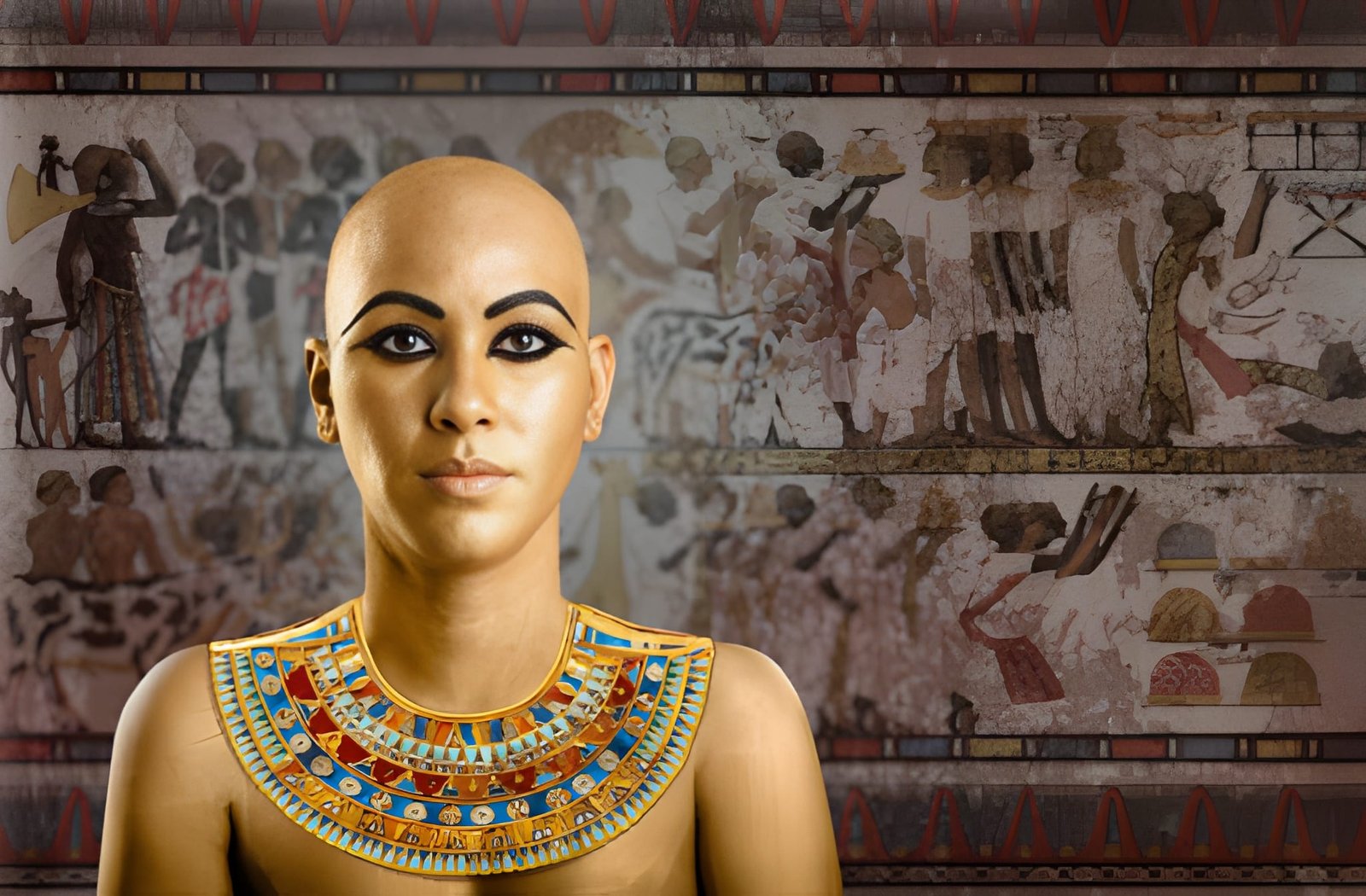
The Timeless Beauty of Ancient Egyptian Makeup
Throughout history, few civilizations have captured the imagination like Ancient Egypt. From majestic pyramids and golden tombs to intricate works of art, the Egyptians exhibited mastery in every aspect of life—including personal appearance. Ancient Egyptian makeup wasn’t just about beauty; it was intertwined with health, spirituality, and status. The striking eye designs, bold colors, and symbolic meanings behind their cosmetics continue to influence modern fashion and beauty trends around the world.
Attention: The Origins of Ancient Egyptian Makeup
Ancient Egyptians were among the first to create and use cosmetics systematically. Both men and women applied makeup daily, not merely for aesthetic reasons but for ritualistic and medicinal purposes. The use of kohl to darken the eyes dates back as early as 4000 BCE. These cosmetics were made from natural minerals like galena (lead sulfide) and malachite, carefully ground and mixed with oils or fats to create a paste. The Egyptians believed makeup could protect them from harsh sunlight and ward off disease—an idea supported by modern science, as lead-based compounds do have some antibacterial properties.
To experience the fascinating artistry of Ancient Egypt in person, visitors can explore the Egyptian Museum, which houses artifacts and makeup containers used by noble women and queens from millennia ago.
Interest: The Spiritual and Symbolic Meaning Behind Makeup
For the Ancient Egyptians, makeup was more than a beauty ritual—it was divine protection. The famous almond-shaped eyeliner extended to resemble the “Eye of Horus,” a powerful symbol of health, protection, and restoration. This symbol, known as the “Udjat,” represented the god Horus and was believed to guard individuals against evil spirits. You can learn more about this ancient symbol’s role in Egyptian mythology through the Egyptian Eye of Horus article.
Green makeup, made from malachite, symbolized fertility and rebirth, connecting wearers to the god Osiris. Red ochre, derived from natural clay, was used on lips and cheeks to represent vitality and life force. Even the colors themselves carried divine significance—gold for the gods, blue for the heavens, and black for resurrection and protection.
Desire: The Beauty Routine of Egyptian Royalty
Royal women, like Queen Nefertiti and Cleopatra VII, were icons of beauty and elegance. Their polished appearance set the standard for the entire civilization. They used kohl containers, mirrors, and applicators crafted from ivory, gold, or alabaster. Cosmetic palettes discovered in tombs indicate that beauty was a lifelong pursuit, continuing even into the afterlife. Pharaohs and nobles were often buried with their makeup kits, emphasizing the importance of appearance in the spiritual realm.
Visitors can admire images of these revered queens in sites such as the Temple of Hatshepsut and other royal monuments, where murals and carvings depict their flawless faces and colorful adornment.
Ingredients and Tools of Ancient Egyptian Makeup
The precision of Ancient Egyptian makeup application required specialized tools. Small sticks or reeds acted as applicators, while cosmetic jars preserved the mixtures from the dry desert air. Common ingredients included:
- Kohl: Made from galena or soot, used around the eyes.
- Malachite: A green mineral used for eye shadow.
- Red ochre: Used on lips and cheeks.
- Henna: Applied to nails, hair, and skin for decoration.
- Castor oil and animal fats: Used as bases for creams and moisturizers.
Visitors interested in Egyptian artistry can explore similar pigment production techniques at the Ancient Egyptian Papyrus Art exhibits, where the same attention to detail is evident in all forms of creative expression.
Health and Ritual Benefits of Makeup in Ancient Egypt
Ancient Egyptian makeup wasn’t only about aesthetics—it held medicinal properties. The eye paints helped reduce eye infections caused by the Nile’s bacteria, while certain blends acted as sunscreens. Ritualistically, makeup was part of purification ceremonies, symbolizing alignment with the gods. Priests and priestesses adorned themselves before performing sacred rites, believing it enhanced their divine connection.
The connection between health and ritual beauty can also be observed in the funerary art found throughout Luxor’s Valley of the Kings, where paintings show deities and royals with perfectly applied makeup as symbols of divinity and eternal life.
Action: Where to Experience Ancient Egyptian Beauty Today
Modern travelers fascinated by the legacy of Egyptian beauty can witness ancient cosmetics, mirrors, and perfume jars on display across Egypt. The Grand Egyptian Museum in Giza and the National Museum of Egyptian Civilization in Cairo offer breathtaking collections of cosmetic artifacts. Visitors can also explore the Egyptian Textiles Museum to understand how fashion and beauty evolved together.
To complement your historical exploration, embark on an immersive journey like the 8 Day Cairo and Nile Cruise Tour or the 11 Day Egypt Tour, where you can discover how ancient beauty rituals were part of daily life along the Nile. You can even extend your adventure to include the White Desert Egypt Tour for an unforgettable experience of the landscapes that inspired divine aesthetics.
For those intrigued by Ancient Egyptian spirituality and art, visiting the Abu Simbel Temples or the Dendera Temple Complex offers a deeper look into how beauty and religion merged in sacred spaces. Each temple wall tells a story of elegance, power, and devotion, illustrating how makeup was woven into the identity of gods and mortals alike.
The Legacy of Ancient Egyptian Makeup in Modern Beauty
Today’s beauty industry still draws inspiration from Ancient Egypt. The winged eyeliner, vibrant pigments, and skincare rituals echo the sophistication of Egyptian queens. Brands name products after Nefertiti or Cleopatra, and fashion designers recreate their timeless looks for runways and photo shoots. Ancient Egyptian makeup continues to symbolize empowerment, allure, and mysticism—proof of a civilization’s lasting influence on global beauty standards.
Conclusion: The Timeless Appeal of Ancient Egyptian Makeup
Ancient Egyptian makeup was far more than decoration—it was an art form, a spiritual shield, and a statement of identity. Every stroke of kohl and every dusting of malachite carried meaning. Whether you admire its aesthetic brilliance or its cultural depth, Ancient Egyptian makeup stands as a testament to a civilization that valued harmony between beauty, health, and divinity. As you walk through the temples, museums, and ancient tombs of Egypt, the echoes of those timeless faces remind us that true beauty never fades—it evolves through the sands of time.
FAQs About Ancient Egyptian Makeup
1. What materials did Ancient Egyptians use for their makeup?
They used natural minerals like galena for black eyeliner, malachite for green shadow, and red ochre for lip color. Ingredients were ground into fine powder and mixed with oils or fats.
2. Did both men and women wear makeup in Ancient Egypt?
Yes, both genders used makeup daily. It was not just for appearance but also for protection against the sun, insects, and infections.
3. Why did Egyptians emphasize eye makeup?
The eye makeup symbolized the Eye of Horus, a sacred symbol offering protection and healing. It also helped shield their eyes from sunlight and bacteria.
4. Was makeup used in religious rituals?
Absolutely. Priests and priestesses applied makeup before ceremonies, believing it connected them to the divine and purified their bodies for worship.
5. Where can I see Ancient Egyptian makeup artifacts today?
Authentic makeup artifacts are displayed at museums like the Grand Egyptian Museum and the Egyptian Museum, where visitors can explore stunning examples of ancient beauty tools and cosmetic jars.

Comment (0)