

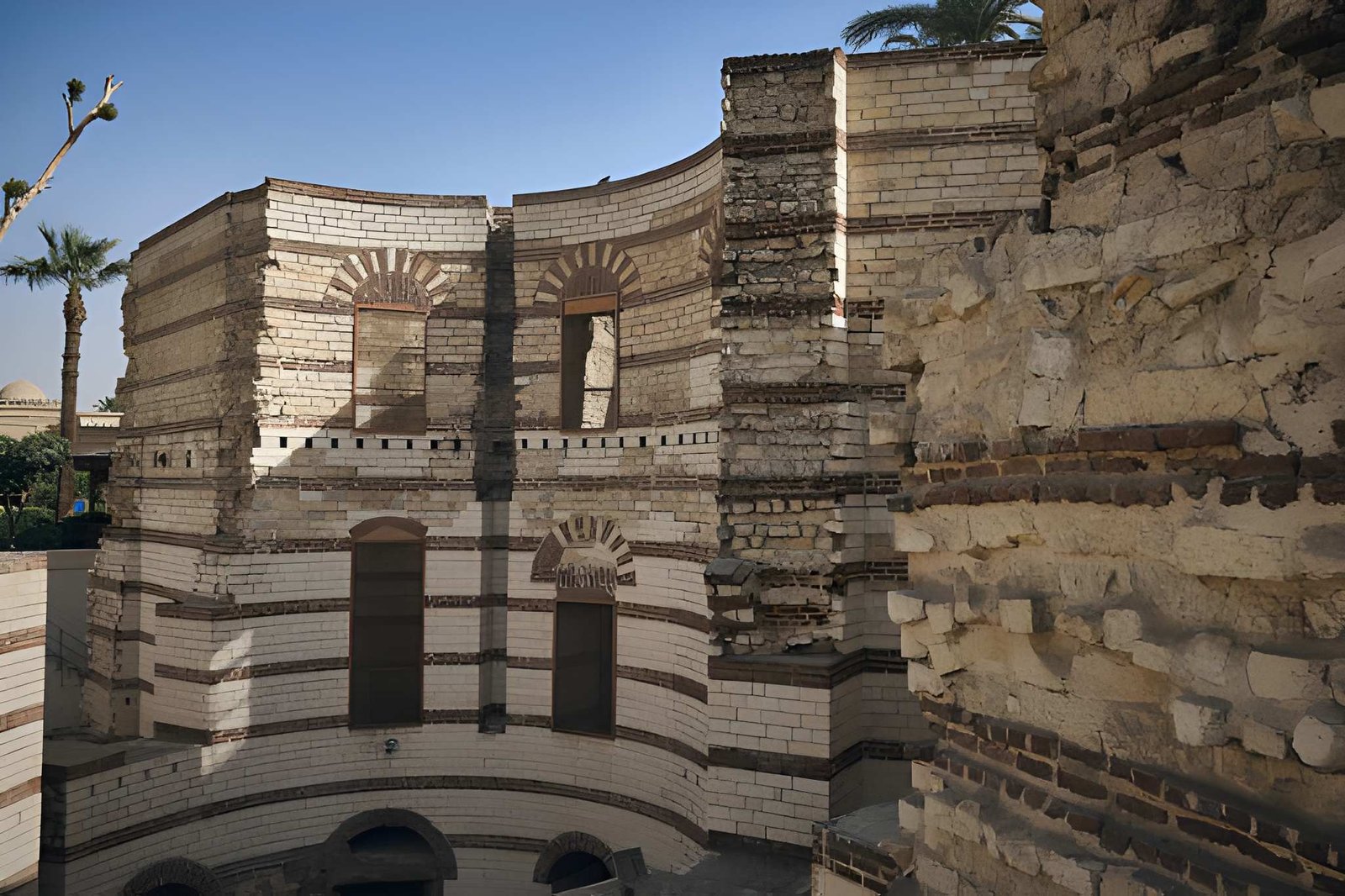
Babylon Fortress Cairo – The Timeless Sentinel of Egypt’s Heritage
Nestled in the heart of Old Cairo, the Babylon Fortress stands as an unshaken guardian of Egypt’s layered civilization — a colossal stone structure that has watched centuries unfold along the banks of the Nile. Known as one of Cairo’s oldest and most significant landmarks, this fortress tells a story that weaves Roman engineering, Coptic devotion, and Egyptian resilience into one breathtaking narrative. Walking through its aged corridors feels like stepping through the very veins of Egypt’s past, where each wall whispers tales of empires, faith, and endurance. The Babylon Fortress, often overlooked amid the glitz of modern Cairo, offers travelers an immersive encounter with the city’s authentic historical soul.
Positioned near the heart of Coptic Cairo (Old Cairo), the fortress serves as an architectural anchor around which early Christian churches such as the Hanging Church, St. Sergius, and St. Barbara blossomed. It is no exaggeration to say that without the Babylon Fortress, the religious and cultural identity of ancient Cairo might have taken a different course. Travelers today can wander through its mighty gates, gaze upon the remnants of Roman turrets, and absorb centuries of transformation that have shaped the Egyptian capital. Whether you’re a history enthusiast, a spiritual pilgrim, or a curious tourist, the Babylon Fortress promises an unforgettable deep dive into Egypt’s living history — one that easily competes with the grandeur of the Pyramids of Giza or the legacy preserved inside The Egyptian Museum.
The Strategic Foundations of Babylon Fortress in Cairo’s Ancient Landscape
The Babylon Fortress was built during the reign of Emperor Trajan around the turn of the 2nd century CE, at a time when Egypt was a flourishing province of the Roman Empire. Its strategic location beside the Nile made it a formidable gateway to Upper Egypt. The fortress acted not only as a military installation but also as a checkpoint for trade and water routes. Historians believe that earlier versions of the fortress may have existed during the Persian or even the Pharaonic era, serving as a defensive and administrative hub long before the Romans re-engineered it into the structure we recognize today.
Standing near this mighty stronghold, one can envision the Roman legions that patrolled its towers, the bustling docks that once lined the Nile below, and the diversity of cultures converging under its shadow. As centuries passed, the Babylon Fortress transitioned from a Roman bastion to a sanctuary for Coptic Christians. Its enduring strength even influenced architectural styles later seen in structures like the Citadel of Salah El-Din. This intersection of military design and spiritual intent makes Babylon Fortress more than a structure — it’s a symbol of continuity and adaptation in Cairo’s architectural evolution.
Babylon Fortress and the Birth of Coptic Cairo
After the fall of the Roman Empire, the Babylon Fortress transformed into the cornerstone of what we now call Coptic Cairo. The early Christian community utilized its strong walls for protection during centuries of religious transformation. Today, the site remains home to some of the oldest Coptic churches in the world, including the famous The Hanging Church, perched gracefully above one of the fortress gates. Beneath the fortress, ancient passageways and chambers once used by Roman soldiers became sacred spaces for prayer and gathering during times of persecution.
The area surrounding the fortress also houses landmarks such as the Ben Ezra Synagogue and the Abu Serga Church, each bearing witness to the religious tolerance and cultural convergence cultivated within its boundaries. In many ways, Babylon Fortress didn’t merely defend Cairo — it nurtured it. It became the living nucleus from which faith, art, and architecture radiated into the developing cityscape, influencing even later Islamic structures visible in places like Islamic Cairo.
Architectural Brilliance of Babylon Fortress
With walls over two meters thick and towers rising majestically above the landscape, the Babylon Fortress showcases Roman architectural ingenuity adapted for Egyptian conditions. Constructed with limestone and red brick, its circular towers and massive gates provided an ideal blend of strength and symmetry. Each stone seems purposefully positioned to withstand time and flood alike. The fortress encompasses remnants of barracks, granaries, and water channels that once connected it directly to the Nile, linking the fort to trade routes extending to Luxor and Aswan.
Visitors exploring the structure can still see the lower parts of the original Roman gates, now half buried beneath layers of history. It’s fascinating to realize that these same pathways welcomed emperors, generals, monks, and merchants — all passing through what was once the beating heart of Egypt’s communication and defense line. The engineering expertise here mirrors the grandeur found in monumental sites like The Karnak Temple and later inspired protective designs within medieval Cairo’s walls.
The Fortress Within Modern Cairo’s Cultural Fabric
In today’s bustling city, where skyscrapers and traffic dominate, the Babylon Fortress remains a silent testimony to Cairo’s ancient power and grace. Surrounded by the Coptic Museum, churches, and winding alleys filled with the scent of incense and stone, the fortress offers an immersive time capsule. Many tourists visiting Cairo may rush to the desert monuments; however, those who linger in Old Cairo uncover a more intimate and profound legacy of human endurance and coexistence.
Egypt’s Ministry of Antiquities has ensured that large portions of the fortress are preserved and accessible, enabling visitors to explore an understated yet monumental side of Egypt’s history. Moreover, tours often include stops at nearby sites, making it a perfect part of Egypt Day Tours itineraries for travelers keen on understanding Cairo beyond the pharaohs’ reigns. Beneath its ancient stones, you’ll find the pulse of the city beating steadily — a harmony of antiquity and modern survival.
Religious and Symbolic Legacy of Babylon Fortress
Few places in Egypt encapsulate the essence of religious evolution like the Babylon Fortress. It was within these walls that Christianity found refuge and that Islam later embraced coexistence. This dual spiritual legacy is visible in the cultural vocabulary surrounding the site today. From being a Roman military symbol to a Christian sanctuary and, later, part of Cairo’s cultural mosaic, the fortress shows how different faiths converged on common ground. Its aura continues to attract pilgrims and historians alike, all drawn to the mystical energy it radiates.
The Babylon Fortress also represents the metaphoric defense of Egyptian identity — each conquest and change layered upon the same stones, each adding another verse to its ongoing saga. In an age dominated by modernization, its quiet dignity reminds Egypt and the world of the nation’s deep-rooted soul, echoing through every niche and courtyard.
Exploring Babylon Fortress: What to See and Expect
Visiting the Babylon Fortress is a step back in time. The journey typically begins at the southern entrance near the Coptic Museum. As travelers wander through its well-preserved walls, they encounter remnants of Roman gateways, the remains of water tunnels once connecting to the Nile, and sacred places where Christian saints sought solace. The Hanging Church — suspended above a fortress gate — remains the most iconic attraction, its wooden ceilings resembling Noah’s Ark and its interior lavish with icons and marble columns.
Don’t miss the Coptic Museum nearby, where centuries-old manuscripts, textiles, and relics reveal the artistic legacy that thrived under the fortress’s protection. Pair your exploration with a stroll along the nearby streets of El Moez Street or plan your itinerary with a trusted local expert from Best Travel Agency in Egypt for an immersive cultural experience. The compact area surrounding the fortress also provides a serene contrast to Cairo’s typical hustle, inviting reflection and quiet exploration.
Travel Tips for Visiting Babylon Fortress
The Babylon Fortress is best visited during the cooler months from November to March. Mornings and late afternoons are ideal for photography, as the sunlight beautifully highlights the ancient stones. Comfortable walking shoes are a must, given the fortress’s uneven paths. While entry to the area is usually free, visiting the adjoining Coptic Museum requires a modest fee that’s well worth it. Consider adding this destination to longer itineraries such as the 8 Day Cairo and Nile Cruise Tour for a deeper dive into Egypt’s heritage.
Old Cairo can get crowded during religious festivals, so plan accordingly. Tourists can enhance their visit with local guides trained to reveal the hidden details of the fortress’s inscriptions, gateways, and architectural secrets. It’s also worth combining a trip here with a cultural stop at the nearby Al Azhar Mosque or a leisurely walk in Al Azhar Park for panoramic city views.
FAQs About Babylon Fortress Cairo
What is the historical significance of Babylon Fortress in Cairo?
Babylon Fortress holds immense historical importance as one of Egypt’s oldest structures. Built by the Romans, it served as a military fortress controlling river traffic and as a defensive hub for the city. Later, it became the nucleus of Coptic Cairo, housing some of the oldest Christian churches in the world.
Where is Babylon Fortress located?
The Babylon Fortress sits in the Old Cairo district, next to the Coptic Museum and the Hanging Church. Its proximity to ancient churches and synagogues makes it a cultural and spiritual hotspot in Egypt’s capital.
Is the Babylon Fortress open to visitors?
Yes, the Babylon Fortress and its surrounding sites are open year-round. Tourists can explore its ancient structures, visit the churches within, and tour the nearby Coptic Museum to gain insights into early Christianity in Egypt.
What makes Babylon Fortress unique compared to other Egyptian landmarks?
Unlike the monumental temples and pyramids, Babylon Fortress represents Cairo’s religious transformation. It uniquely bridges Roman military architecture with early Christian heritage, offering an intimate perspective on Egypt’s urban and spiritual history.
Can Babylon Fortress be visited in one day?
Absolutely. Visiting Babylon Fortress and surrounding attractions like the Hanging Church, Abu Serga Church, and the Coptic Museum can easily be accomplished within a single day. It’s often included in curated itineraries such as Best Egypt Travel Packages for travelers who want a balanced blend of history and culture.
In its enduring magnificence, the Babylon Fortress Cairo continues to anchor Egypt’s legacy — a place where faith, history, and architecture converge, casting a spell that leaves every traveler in awe of Cairo’s timeless charm.

Comment (0)