

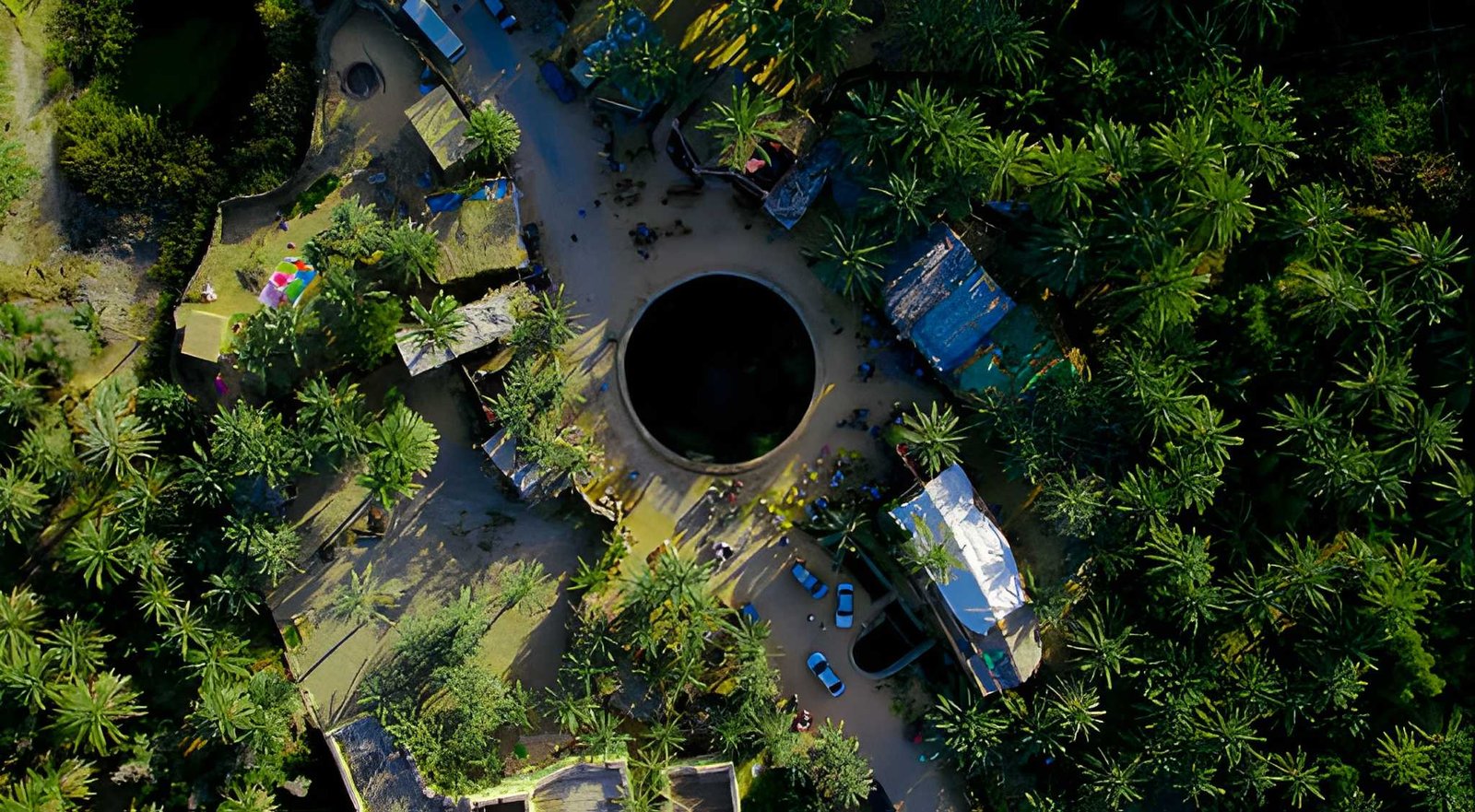
Cleopatra Spring – The Legendary Oasis of Siwa’s Eternal Beauty
Deep within Egypt’s mesmerizing Siwa Oasis, where emerald palms dance beneath a sapphire sky, lies a natural wonder cloaked in myth and heritage — Cleopatra Spring. This enchanting pool, also known as Cleopatra’s Bath, bubbles up from the desert heart like liquid crystal, inviting travelers to immerse themselves in both history and tranquility. It’s more than a spring; it’s a timeless sanctuary where beauty, healing, and legend converge. For centuries, locals have cherished the spring’s refreshing waters, believing them to hold the secret to vitality and rejuvenation — gifts once sought by Egypt’s most enigmatic queen, Cleopatra VII herself.
Cleopatra Spring embodies that perfect fusion of allure and serenity that makes Egypt an eternal destination for wanderers and dreamers. Its shimmering waters mirror not only the desert sun but millennia of stories whispered through Siwa’s palm groves and ancient ruins. Visitors who step into the spring’s circular stone basin feel something almost magical — an ethereal connection bridging the grandeur of history and the rhythms of nature. Whether you’re an adventurer yearning for authenticity or a romantic chasing echoes of the past, Cleopatra Spring promises an experience that transcends time itself.
In this article, we’ll explore everything you need to know about Cleopatra Spring — from its legendary origins and spiritual significance to travel tips, nearby attractions, and why it remains one of the most serene sites in the Western Desert. Imagine dipping your toes where Cleopatra once bathed while the warm desert breeze brushes against your skin — it’s no longer a fantasy, but a memory waiting to be made.
The Fabled History of Cleopatra Spring
According to legend, Queen Cleopatra once bathed in this natural hot spring during her visit to Siwa Oasis, following her pilgrimage to the Oracle of Amun. Whether folklore or fact, Cleopatra Spring draws its name from the queen whose beauty, intelligence, and charm captivated the ancient world. Locals still call it ‘Ain Cleopatra’ or ‘Cleopatra’s Bath,’ a nod to the enduring grace associated with her royal presence. This historical connection transforms a mere natural feature into a living relic of Egyptian lore, merging myth with science — the geothermal waters bubbling from deep beneath the sand, rich in minerals reputed to soothe the body and renew the soul.
Scholars debate whether Cleopatra truly bathed here, but the spring’s association with ancient Egyptian royalty persists. It sits near archaeological remnants from various eras, weaving together a tangible timeline of Siwa’s cultural evolution. For travelers seeking both discovery and introspection, Cleopatra Spring offers a window into the civilization that gave the world its first queens, temples, and pyramids. This legendary connection enriches every swim with historical wonder and personal reflection.
The Natural Beauty of Siwa’s Desert Oasis
Siwa Oasis, one of Egypt’s most remote and romantic destinations, lies among expansive dunes and shimmering salt lakes in the Western Desert. Amid its tranquil scenery, Cleopatra Spring emerges as a jewel framed by palm trees and rustic stone terraces. The desert’s harshness melts into decadence here, its golden hues contrasting beautifully with the azure water that stays cool year-round. Many travelers combine a visit to the spring with other local attractions such as Shali Castle and Dakrour Mountain, enhancing their experience with both relaxation and exploration.
Renowned for its photogenic charm, Cleopatra Spring’s circular basin is fed by a natural freshwater source that filters through underground layers before emerging pure and sparkling. Photographers love the symmetry, while explorers treasure the symbolism — an unending cycle of life in one of Egypt’s driest landscapes. Whether visited at sunrise, when the water mirrors the desert’s awakening colors, or at dusk, when date palms cast long shadows across the surface, the site never fails to cast its spell.
Spiritual and Healing Energy of Cleopatra Spring
Locals believe the waters of Cleopatra Spring possess healing and spiritual properties. The mineral content nourishes skin and joints, soothing both the body and mind. According to Siwan tradition, immersing oneself in the spring brings emotional balance and clarity. For generations, travelers drawn here find not only physical refreshment but also spiritual renewal, carried on the whisper of the desert wind.
Today, people visit Cleopatra Spring seeking a moment away from modern chaos. Many include a swim here as part of customized Egypt travel packages that blend adventure, culture, and relaxation. The spring retains its natural rhythm despite centuries of fame — a sacred reminder that beauty can indeed coexist with simplicity.
Things to Do Around Cleopatra Spring
Cleopatra Spring is not an isolated attraction; it is the heart of a network of fascinating sites. After a refreshing dip, wander through shaded cafes where locals serve mint tea, or cycle along Siwa’s sandy routes to nearby landmarks like the Siwa Salt Lakes. Visit the Oracle Temple, explore clay-brick ruins, or enjoy a serene sunset at Fatnas Island. Many travelers pair their visit with journeys across the Great Sand Sea, an extraordinary expanse of dunes extending to the Libyan border. For an authentic adventure, guided desert safaris bring visitors face-to-face with the region’s raw, untouched beauty.
If relaxation tops your list, the palm-grove surroundings invite meditation. Some resorts within Siwa offer eco-friendly accommodation that emphasizes sustainability without sacrificing comfort. Integrating Cleopatra Spring into your itinerary ensures both cultural enrichment and restorative leisure, making it an absolute highlight of any Egypt day tours.
Best Time to Visit Cleopatra Spring
Spring and autumn mark the best seasons to explore Siwa’s wonders. Between October and April, temperatures remain mild enough to enjoy the warm waters without the extreme desert heat. Early mornings offer peace and privacy, while late afternoons wrap the oasis in golden hues perfect for photography. Combine your visit with excursions across the Fayoum Oasis or the White Desert for a comprehensive glimpse into Egypt’s spectacular landscapes. Local accommodations range from budget camps to eco-lodges that celebrate traditional Siwan architecture, ensuring every traveler finds a haven.
How to Reach Cleopatra Spring
Reaching Cleopatra Spring is straightforward but rewarding. Travelers typically journey from Marsa Matruh or Cairo, weaving through captivating desert scenery. From the central Siwa town, the spring lies just two kilometers east — easily accessible by bicycle, tuk-tuk, or foot. Whether you’re arriving via an arranged Egypt luxury tour or driving independently, it’s an experience rich with discovery. The route winds through date plantations and mud-brick dwellings, providing an intimate look at local life. Along the way, artisans sell natural salt lamps, dried dates, and handmade crafts — each a tangible memory of Siwa’s rich heritage.
Combining Cleopatra Spring with Other Egyptian Wonders
Many travelers extend their trip beyond Siwa to discover Egypt’s vast tapestry of monuments and experiences. A popular journey includes relaxing on Egypt’s beaches after exploring the spring or embarking on one of the exquisite Nile River cruises such as the Iris Dahabiya Nile Cruise. These options perfectly balance desert tranquility with cultural immersion. From the lush Nile valleys to Siwa’s sandy expanses, travelers witness Egypt’s astounding diversity firsthand — an ideal blend of rejuvenation and exploration.
Preserving Cleopatra Spring for Future Generations
As tourism expands, maintaining the natural beauty and cultural integrity of Cleopatra Spring becomes essential. Local initiatives emphasize environmental conservation, waste management, and respect for Siwan customs. Visitors are encouraged to avoid using soap within the pool, ensuring its clarity and purity remain untouched. Supporting local businesses, staying in eco-lodges, and following responsible travel practices all contribute to preserving this gem for the next generation.
Community-driven projects, supported by organizations like Travme Tours, promote sustainable tourism through awareness campaigns and eco-friendly itineraries. As travelers, embracing conscious tourism ensures Cleopatra Spring continues to serve as a sanctuary where history, nature, and humanity coexist in harmony.
Frequently Asked Questions About Cleopatra Spring
1. Where exactly is Cleopatra Spring located?
Cleopatra Spring is situated in Egypt’s Siwa Oasis, approximately 560 kilometers from Cairo and a short distance from the town’s central market. Nestled among palm groves, it’s easily accessible via tuk-tuk, bicycle, or walking paths.
2. Can travelers swim in Cleopatra Spring?
Yes, visitors are encouraged to swim in its clean, refreshing waters. The spring’s temperature remains pleasant year-round, making it a perfect stop for relaxation. Just remember — using chemicals or soap in the pool is restricted to preserve its purity.
3. Why is it called Cleopatra Spring?
The name honors Queen Cleopatra VII, who, according to legend, bathed in these waters during her pilgrimage to the Oracle of Amun. Whether myth or historical truth, the name captures the site’s royal allure and mystique.
4. What other attractions can I visit near Cleopatra Spring?
Within Siwa, landmarks like Oracle of Amun, Shali Castle, and Dakrour Mountain are must-sees. Visitors can also explore Siwa Salt Lakes or arrange excursions to the Great Sand Sea for sandboarding adventures.
5. When is the best time to visit Cleopatra Spring?
The ideal months are between October and April, when desert temperatures are mild. Morning visits offer peace and clarity, while evenings deliver unforgettable desert sunsets reflected on the spring’s surface.
Final Thoughts: Cleopatra Spring – A Symbol of Timeless Egyptian Beauty
Cleopatra Spring remains one of Egypt’s most captivating natural landmarks — a site where myth, wellness, and scenic splendor unite. It’s a place to reconnect with oneself, float in waters touched by history, and admire the simplicity of desert life. More than just a pool, it’s an emblem of eternal rejuvenation and tranquil power. Travelers seeking authenticity find it here, where the whispers of an ancient queen mingle with the sound of rippling water beneath the Siwan sun. Whether part of an adventurous 11 Days Luxury Egypt Tour Package or a soulful desert retreat, Cleopatra Spring offers something unforgettable — an experience rich, restorative, and truly royal.

Comment (0)