

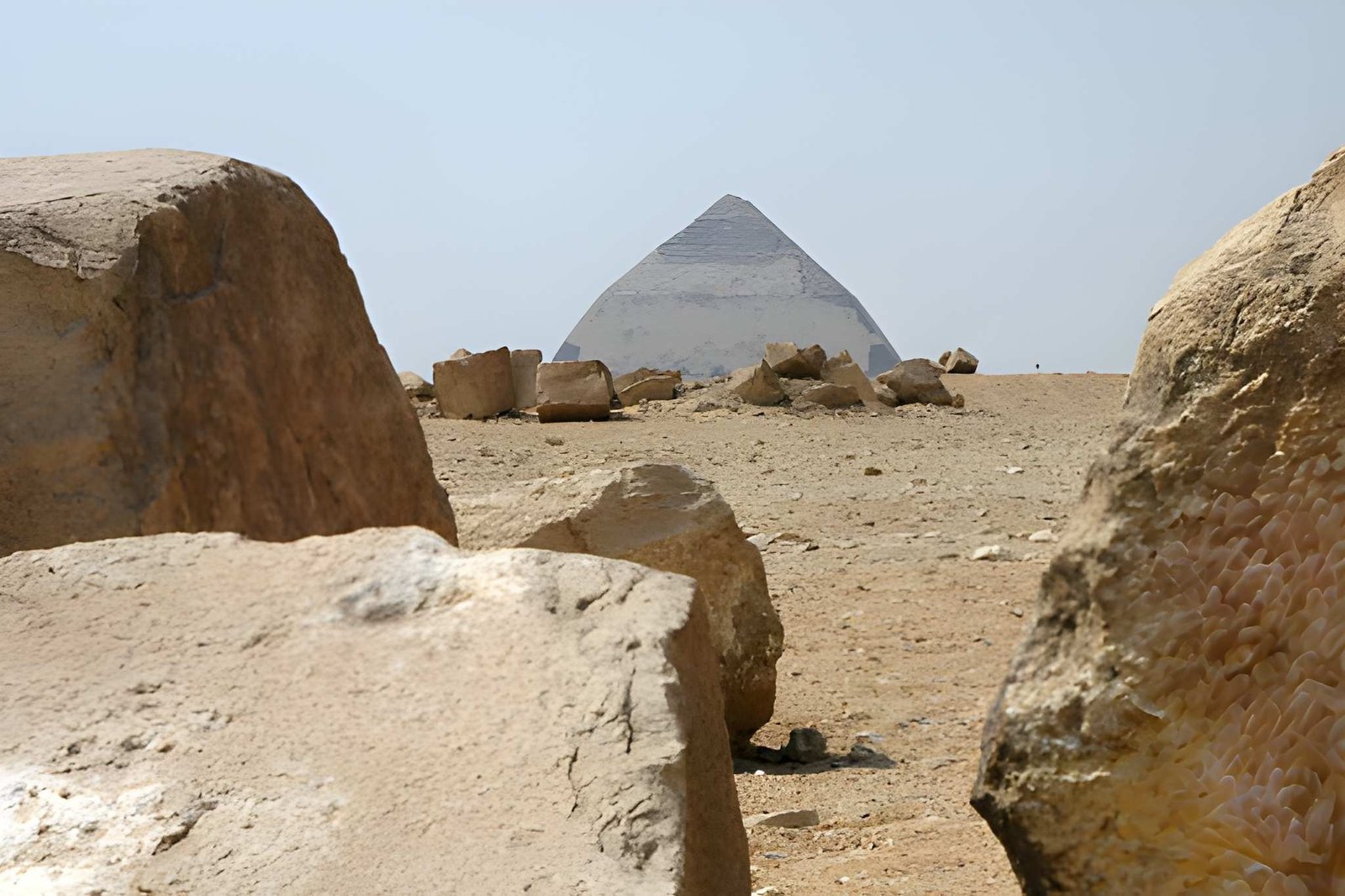
Dahshour: The Ancient Egyptian Gem Beyond Giza’s Shadow
Just a short drive south of Cairo lies Dahshour, an awe-inspiring archaeological site that predates many of Egypt’s more famous landmarks. While the Pyramids of Giza capture global attention, Dahshour quietly guards some of the earliest experiments in pyramid construction, offering a glimpse into the evolution of ancient Egyptian engineering. Far from the bustling crowds, Dahshour invites travelers to step back 4,500 years in time to witness the ingenuity and ambition of the early pharaohs. Its tranquil desert setting, combined with its remarkable monuments, makes it a must-see destination for history enthusiasts, archaeologists, and curious adventurers alike.
Dahshour’s unique pyramids—most notably the Bent Pyramid and the Red Pyramid—represent pivotal transitions in the evolution from the step-style tombs of Saqqara to the smooth-sided perfection of Giza. Both structures were built during the reign of Pharaoh Sneferu, father of Khufu, the mastermind behind the Great Pyramid. Today, Dahshour remains one of Egypt’s most authentic and immersive sites, unspoiled by heavy tourism. Visitors who explore this desert plateau often describe it as a spiritual journey through time, where the whispers of ancient Egypt still echo in the wind.
Modern travelers seeking a more intimate and authentic experience often include Dahshour in their itinerary alongside nearby treasures like Saqqara Pyramids and Memphis Egypt, The Old Egyptian Capital. Whether you’re touring with seasoned guides from Travme Tours or crafting a personalized itinerary, Dahshour offers a rewarding and enlightening stop. What makes this site so captivating is not only its historical significance but also its serene beauty—far from the noise of modern Cairo yet close enough to be easily accessible on day trips.
The Historical Significance of Dahshour in Ancient Egypt
Dahshour, located about 40 kilometers south of Cairo, served as one of the earliest royal necropolises in Egypt’s Old Kingdom. Built primarily during the 4th Dynasty under Pharaoh Sneferu, it marked a revolutionary period in pyramid construction. Before Dahshour, architects experimented with step pyramids like those found in Sakkara Necropolis. However, Sneferu’s ambitious quest for geometric perfection led to the creation of the Bent Pyramid and the Red Pyramid—both milestones in the architectural evolution of Egypt’s royal tombs.
The Bent Pyramid, with its distinctive change in angle midway up, represents an engineering experiment that taught ancient builders valuable lessons about stability and design. The Red Pyramid, on the other hand, became Egypt’s first successful true pyramid, setting the blueprint for the later masterpieces of Giza. These innovations in Dahshour not only demonstrated technical mastery but also symbolized divine order and eternal life—key pillars of ancient Egyptian belief.
The Bent Pyramid: Egypt’s Architectural Turning Point
Standing at 101 meters tall, the Bent Pyramid is one of Egypt’s most recognizable monuments due to its sudden shift in angle. Archaeologists believe that as the structure rose, the architects noticed dangerous stress fractures in the limestone casing. To prevent collapse, they adjusted the angle from 54 to 43 degrees, giving the pyramid its unique “bent” appearance. This modification marked a crucial learning curve in pyramid construction and influenced every pyramid built after it.
Unlike many pyramids, the Bent Pyramid retains much of its original polished limestone casing, making it a rare opportunity to witness how ancient pyramids once gleamed under the desert sun. The site’s preservation also allows modern researchers to study ancient building techniques, ventilation systems, and internal passageways. For travelers, climbing inside offers an unforgettable encounter with history—an intimate connection to the ingenuity of ancient engineers.
The Red Pyramid: The First True Pyramid in Egypt
Just north of the Bent Pyramid rises the Red Pyramid, named for the reddish hue of its limestone blocks. Built shortly after the Bent Pyramid, it stands as Pharaoh Sneferu’s crowning achievement and the first successful attempt at creating a smooth-sided pyramid. With its precise angles and balanced structure, the Red Pyramid achieved what previous monuments could not: perfect stability and symmetry. Measuring 105 meters in height, it remains one of Egypt’s best-preserved pyramids and a masterpiece of early engineering.
Visitors who venture inside the Red Pyramid are rewarded with an extraordinary experience. The narrow descent into its inner chambers reveals the brilliance of ancient design and the sophistication of ventilation systems used over 4,000 years ago. The sense of awe inside the Red Pyramid is unmatched—standing in the burial chamber, one can almost feel the presence of Sneferu himself.
Hidden Treasures and Other Tombs in Dahshour
Beyond the famous Bent and Red Pyramids, Dahshour is home to several lesser-known pyramids and tombs belonging to later dynasties. The Black Pyramid of Amenemhat III from the Middle Kingdom, though now partially collapsed, once stood as a monumental symbol of royal power. Archaeologists have also uncovered smaller satellite tombs belonging to queens and royal officials, providing deeper insight into funerary practices and beliefs of the time.
These discoveries have turned Dahshour into an open-air archaeological laboratory. Ongoing excavations continue to unearth artifacts, mummies, and ancient tools, fueling new interpretations of Egyptian civilization. For enthusiasts eager to explore beyond the well-trodden tourist paths, Dahshour offers a raw, authentic glimpse into the origins of Egypt’s pyramid-building legacy.
Visiting Dahshour: A Journey Through Egypt’s Timeless Desert
Traveling to Dahshour is as much about the journey as the destination. The serene landscape of golden sands stretching into the horizon creates a captivating contrast to the bustling energy of Cairo. The drive is short yet scenic, taking visitors through villages and palm groves before the majestic pyramids emerge from the desert haze. Most travelers include Dahshour in full-day excursions alongside nearby sites like Pyramids of Giza and Egypt Day Tours, combining the grandeur of Egypt’s most famous monuments with the tranquility of its lesser-known treasures.
Guided tours provide in-depth historical context while ensuring safe and comfortable exploration. Companies such as Best Egypt Travel Packages or private excursions through Egypt Luxury Tour often include Dahshour as a highlight for travelers seeking authenticity away from crowds. The silence of the desert, punctuated only by the wind and the distant call of birds, creates a meditative atmosphere. For photographers, Dahshour is a dream—its pyramids glow in warm hues at sunrise and reflect golden tones at sunset, creating perfect light conditions for breathtaking shots.
Best Time to Visit Dahshour
The ideal time to visit Dahshour is during the cooler months, from October to April, when the desert climate is mild and comfortable. Early mornings and late afternoons offer the best lighting and temperature for exploring. Travelers planning their trip can benefit from reading guides such as When is the Best Time to Visit Egypt? to ensure a well-timed experience. Visiting in summer is possible but requires precautions like sun protection, hydration, and early departures to avoid the midday heat.
Tips for Exploring Dahshour
Visitors should wear comfortable footwear suitable for sandy terrain, carry water, and bring a flashlight if planning to enter pyramid interiors. Hiring a knowledgeable local guide enhances the experience exponentially, allowing deeper insight into the architectural techniques and historical context of the site. Combining your trip with cultural exploration through An Insider’s Guide to Egyptian Culture can enrich your understanding of ancient and modern Egypt alike.
Why Dahshour Should Be on Every Traveler’s Egypt Itinerary
Dahshour stands apart as one of Egypt’s most underrated destinations, offering unmatched historical authenticity without the crowds of Giza. Its pyramids mark the genesis of architectural perfection and stand as testaments to human ambition and creativity. Unlike tourist-heavy sites, Dahshour allows space for reflection—an opportunity to feel history rather than just observe it. Travelers who include Dahshour in their journey often describe it as the hidden heart of Egypt’s pyramid heritage, an experience that completes the story of ancient Egypt’s evolution.
Beyond its archaeological significance, Dahshour also represents a bridge between Egypt’s glorious past and its vibrant present. Local guides, craftsmen, and nearby communities keep ancient traditions alive, offering visitors a glimpse into Egypt’s enduring cultural continuity. For travelers seeking an immersive experience, Dahshour is more than a destination—it’s a revelation.
Frequently Asked Questions About Dahshour
1. Where is Dahshour located?
Dahshour lies about 40 kilometers south of Cairo and just a short distance from the Saqqara necropolis. It forms part of the greater Memphis archaeological region, which was once Egypt’s ancient capital. Visitors can easily reach Dahshour by car, private guide, or organized tours from Cairo.
2. Which pyramids can I see in Dahshour?
The main pyramids in Dahshour are the Bent Pyramid and the Red Pyramid, both built during Pharaoh Sneferu’s reign. There’s also the Black Pyramid from the Middle Kingdom, as well as smaller subsidiary pyramids and tombs of queens and nobles.
3. Can visitors enter the pyramids in Dahshour?
Yes, visitors can enter both the Bent and the Red Pyramids. The Red Pyramid’s interior is particularly accessible, offering an incredible chance to explore ancient chambers and corridors. The Bent Pyramid was reopened to the public in recent years after extensive restoration.
4. What’s the difference between the Bent Pyramid and the Red Pyramid?
The Bent Pyramid features a unique change in slope mid-way due to structural adjustments made during construction. The Red Pyramid, built afterward, perfected the smooth-sided design. It’s considered Egypt’s first true pyramid and set the standard for later constructions like those at Giza.
5. Is Dahshour worth visiting compared to Giza?
Absolutely. Dahshour offers an authentic, peaceful, and historically rich experience without crowds. It’s ideal for travelers who want to explore Egypt’s ancient wonders in a more intimate setting. Visiting Dahshour complements a trip to Giza, providing deeper context into how pyramid-building evolved.

Comment (0)