

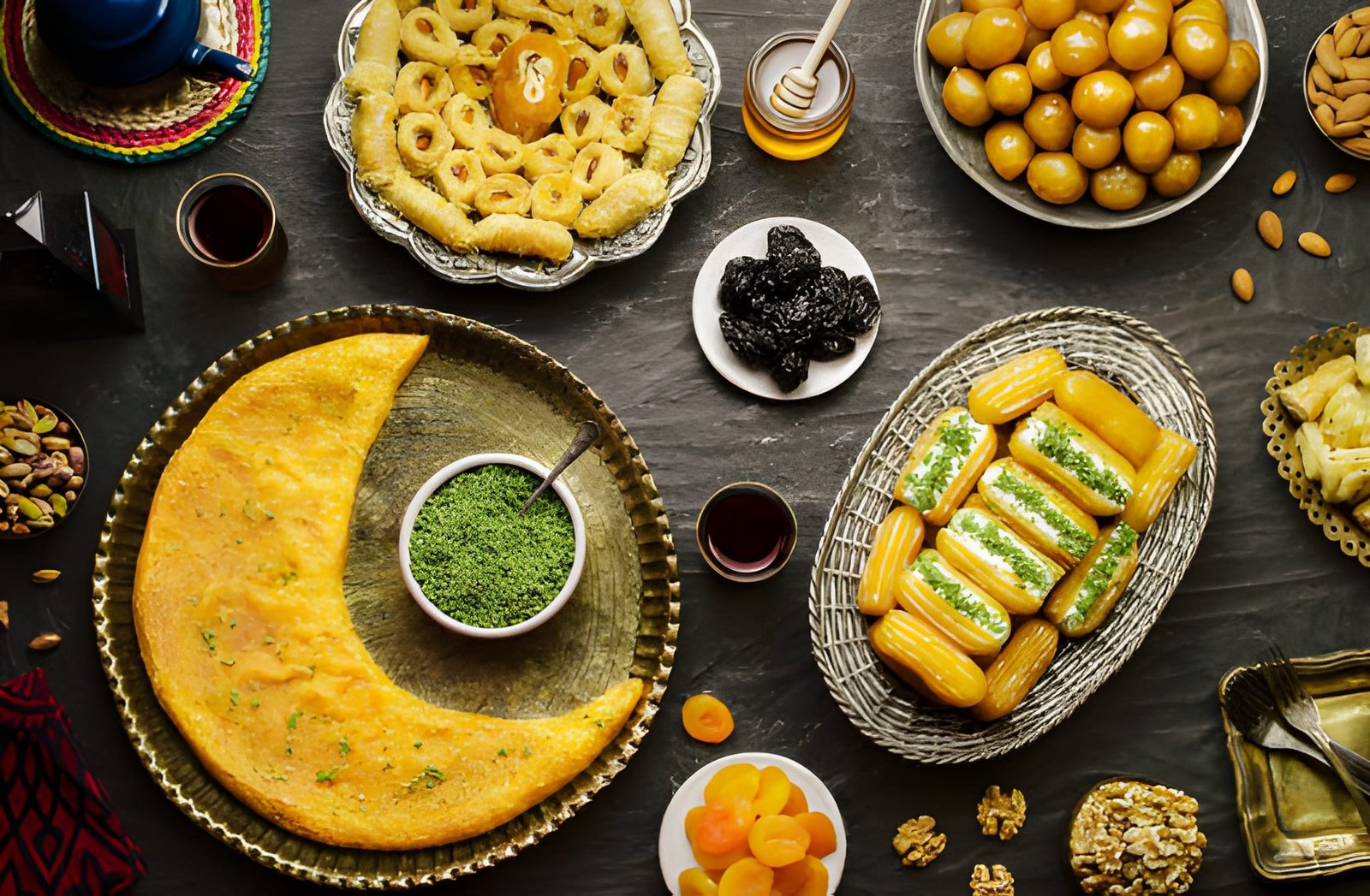
Sweet Treasures of Egypt: Exploring the Rich World of Egyptian Desserts
Egyptian desserts are more than sugary indulgences—they’re edible heirlooms passed down through generations, symbolizing hospitality, unity, and celebration. From bustling Cairo cafés to family kitchens in Luxor, these delights capture the essence of Egyptian culture through their irresistible aromas, textures, and flavors. Blending influences from Pharaonic, Ottoman, and Mediterranean culinary traditions, Egyptian sweets are a symphony of taste that has withstood centuries of evolution. Whether drenched in honey, dusted with nuts, or soaked in syrup, every dessert tells a story of love, community, and festivity. As the sun sets over the Nile and the evening call to prayer fills the air, Egyptians gather to sip tea paired with konafa, basbousa, or umm ali—each bite reflecting a layered history as rich as the land itself.
Travelers exploring Egypt—perhaps on a journey with Travme Tours or during one of the Best Nile River Cruises—quickly discover that desserts play a central role in local life. They mark Ramadan evenings, weddings, and even casual visits among friends. These sweets are crafted from simple, familiar ingredients like semolina, ghee, milk, honey, and almonds, yet yield complex, unforgettable flavors. In this culinary journey, we’ll uncover the most iconic desserts of Egypt, their origins, and the cultural moments they sweeten, revealing why every traveler should taste this sugary side of Egyptian heritage.
Om Ali: The Queen of Egyptian Desserts
Om Ali, literally meaning ‘Mother of Ali,’ reigns as Egypt’s national dessert and epitomizes pure comfort. This rich pastry pudding, made from layers of puff pastry or phyllo soaked in milk, cream, and sugar, is generously sprinkled with nuts, raisins, and coconut flakes. Once baked to golden perfection, it emerges with a creamy, crispy texture that embodies indulgence. Legend has it that Om Ali was first prepared in honor of the Sultan’s wife during Egypt’s Mamluk era, turning triumph into a lasting culinary masterpiece.
One spoonful of warm Om Ali instantly evokes nostalgia, and its aroma fills Egyptian homes during winter nights and festive gatherings. If you’d like to learn more about its fascinating backstory, visit Om Ali Recipe And History for an in-depth look at this traditional treat’s roots in Egyptian folklore. Today, cafes across Cairo serve modern variations, some topped with ice cream or caramel, but the soul of Om Ali remains timeless—a symbol of warmth, generosity, and shared moments.
Basbousa: A Semolina Delight with a Sweet Legacy
Basbousa, a semolina cake soaked in syrup, has earned a permanent place in Egyptian dessert culture. Originating from the Middle East, basbousa found its true home in Egypt, where it’s often flavored with rosewater, coconut, or almonds. Every bite blends the grainy texture of semolina with the sweetness of sugar syrup, offering a delightful contrast that melts on the tongue. Families bake basbousa for Eid celebrations and Ramadan nights, where it sits proudly alongside trays of baklava and qatayef.
In Egyptian homes, basbousa preparation is almost ritualistic. The batter is pressed into large trays, scored into diamonds, and adorned with whole almonds before baking. Once golden, it’s drenched in syrup, ensuring each morsel glistens with sugary perfection. Travelers exploring Egypt’s culinary treasures, perhaps after visiting the Khan El-Khalili Bazaar, can easily find this dessert in local patisseries and street stalls, where its irresistible aroma beckons passersby.
Konafa: The Golden Threads of Egyptian Sweetness
Konafa, or kunafa, is Egypt’s showstopper dessert—crispy, syrup-soaked shredded pastry enveloping a luscious filling of cream, cheese, or nuts. This golden delicacy is especially popular during Ramadan, when families indulge in its crunchy exterior and velvety interior. The beauty of konafa lies in its versatility; modern chefs twist tradition by filling it with Nutella, mango, or dates, while purists stick to the classic cream or ricotta blend.
The preparation process is an art in itself. The dough, spun into thin, hair-like strands, is baked to perfection, then bathed in orange blossom syrup. It symbolizes celebration and unity, bringing Egyptians together across generations. After a day touring the Pyramids of Giza or the Egyptian Museum, konafa serves as the perfect sweet finale to a day steeped in history and wonder.
Qatayef: The Crescent of Celebration
No Ramadan table is complete without qatayef, the beloved crescent-shaped pancakes stuffed with nuts, cream, or cheese, then deep-fried or served fresh. This dessert has deep Islamic roots, tracing back to Fatimid Cairo, where qatayef vendors lined the streets after sunset. Crispy on the outside and soft within, qatayef symbolize blessing and joy, shared among family and friends during iftar. The sweet aroma of frying qatayef drifts through Egyptian neighborhoods as night falls, marking the rhythm of the holy month.
Atayef Asafiri: A Modern Twist on a Classic
Atayef Asafiri, often dubbed the “mini qatayef,” are bite-sized versions folded and filled with fresh cream and pistachios, then drizzled with syrup. Light, elegant, and tempting, they’re the go-to choice for modern dessert tables and upscale restaurants across Cairo and Alexandria. Whether enjoyed with Arabic coffee or hibiscus tea, these petite sweets prove that Egyptian dessert culture knows how to blend tradition with innovation.
Roz Bel Laban: Creamy Comfort in a Bowl
Roz Bel Laban, or Egyptian rice pudding, is a humble yet iconic dessert that transcends class and age. Made from rice, milk, sugar, and a hint of vanilla or mastic, it’s slow-cooked to velvety perfection. Topped with cinnamon or toasted nuts, this classic comfort food is served chilled or warm, offering pure bliss in every spoonful. Egyptians often prepare it at home for family gatherings, embodying the warmth and simplicity that define local cuisine. After exploring the timeless wonders of the Valley of the Kings, a bowl of Roz Bel Laban feels like a sweet embrace from Egyptian tradition itself.
Meshabek and Zalabia: Street Sweets with Soul
Meshabek and Zalabia are deep-fried Egyptian favorites that thrive in the lively alleys of Cairo and Alexandria. Meshabek, resembling golden spirals, is crisp, syrupy, and utterly addictive. Zalabia, on the other hand, are small dough balls fried to perfection, then soaked in honey or dusted with powdered sugar. These desserts echo the vibrancy of Egyptian street life—simple, affordable, yet bursting with flavor and joy. For travelers seeking authentic local experiences, exploring Egypt’s dessert stalls is as rewarding as any visit to monuments like the Karnak Temple.
Halawa: The Nutty Essence of Egyptian Sweet Traditions
Halawa, also known as tahini halva, is a dense, nutty confection made from sesame paste and sugar. It’s a staple in Egyptian households, enjoyed at breakfast or as a snack throughout the day. From plain to pistachio-studded, its crumbly texture and earthy sweetness make it one of Egypt’s most beloved treats. Halawa showcases Egypt’s resourcefulness—turning simple seeds into a symbol of hospitality and generosity. It’s no wonder that markets near the Cairo City center overflow with endless varieties of this ancient delicacy.
Sweet Traditions and Symbolism in Egyptian Culture
Desserts in Egypt go beyond taste—they signify moments of unity, religious devotion, and affection. During Ramadan, Eid, and weddings, sweets serve as expressions of joy and gratitude. Guests are greeted with trays of pastries, symbolizing blessing and abundance. Even ancient Egyptians revered sweetness, as honey was considered a divine ingredient, offered to gods and pharaohs. Modern Egyptians continue this tradition, integrating desserts into every milestone of life.
For those joining cultural experiences like Egypt Day Tours, tasting authentic sweets becomes an essential part of understanding the nation’s soul. From luxurious feasts aboard a Luxury Dahabiya Nile Cruise to humble street vendors along the Corniche, desserts bridge Egypt’s past and present through flavor and celebration.
Regional Variations of Egyptian Desserts
Egypt’s geography and cultural diversity influence its dessert repertoire. In Upper Egypt, dates and honey dominate recipes, while coastal cities like Alexandria favor lighter, nut-based confections with Mediterranean flair. Nubian sweets often feature millet and molasses, reflecting African influences. Travelers exploring the Western Desert in Egypt will encounter unique oases treats crafted from figs and palm syrup. Each region adds its distinct touch, proving that Egyptian desserts are as varied as the landscapes that inspire them.
Modern Egyptian Dessert Innovations
Today’s Egyptian pastry chefs have turned tradition into art. Cafés in Cairo reinterpret classics—introducing basbousa cheesecakes, date-filled konafa, and vegan-friendly Om Ali. Social media has amplified this evolution, making Egyptian desserts global sensations. Despite modernization, however, the heart of these sweets remains tied to heritage—proof that Egypt’s love for dessert is eternal. Culinary tours, often part of the Best Egypt Travel Packages, allow visitors to indulge in both ancient recipes and innovative creations.
FAQs About Desserts of Egypt
What are the most popular desserts in Egypt?
The most beloved Egyptian desserts include Om Ali, Konafa, Basbousa, Qatayef, and Roz Bel Laban. Each represents a different layer of Egypt’s cultural and culinary identity. Om Ali embodies royal tradition, while Konafa and Basbousa dominate festive seasons.
What ingredients define Egyptian desserts?
Typical ingredients include semolina, nuts, honey, milk, ghee, rosewater, and dates. These staples create the rich, syrupy sweetness characteristic of Egyptian pastries and puddings.
Are Egyptian desserts linked to religious celebrations?
Yes, many Egyptian desserts are deeply tied to Islamic traditions. Qatayef and Konafa are especially popular during Ramadan, while Basbousa and Om Ali are common during Eid and family gatherings.
Where can tourists try authentic Egyptian desserts?
Visitors can find authentic sweets in Cairo’s traditional patisseries, local markets, and hotel buffets. Joining guided culinary stops on tours such as the Egypt Tour with Nile Cruise ensures access to genuine flavors from expert local chefs.
How have Egyptian desserts influenced global cuisine?
Egyptian sweets have inspired desserts across the Middle East and Mediterranean. Variants of Konafa, Basbousa, and Halawa are now popular in countries from Lebanon to Greece, showcasing Egypt’s enduring culinary influence worldwide.

Comment (0)