

Egypt Holidays and Traditions: A Journey Through Time, Faith, and Celebration
Egypt, the land of the Pharaohs, pyramids, and the Nile River, is as much about its living culture as its ancient wonders. The holidays and traditions in Egypt reflect millennia of spiritual devotion, cultural evolution, and a unique blend of influences from ancient, Islamic, and Christian civilizations. From the rhythmic beats of Ramadan nights to the colorful joy of Sham El-Nessim, Egyptian holidays embody unity, family togetherness, and deep-rooted customs passed down through generations. Tourists exploring these traditions gain more than just sightseeing—they experience the pulse of Egyptian life. The festivities in Egypt are not mere events; they are vibrant reflections of the country’s history, values, and soul.
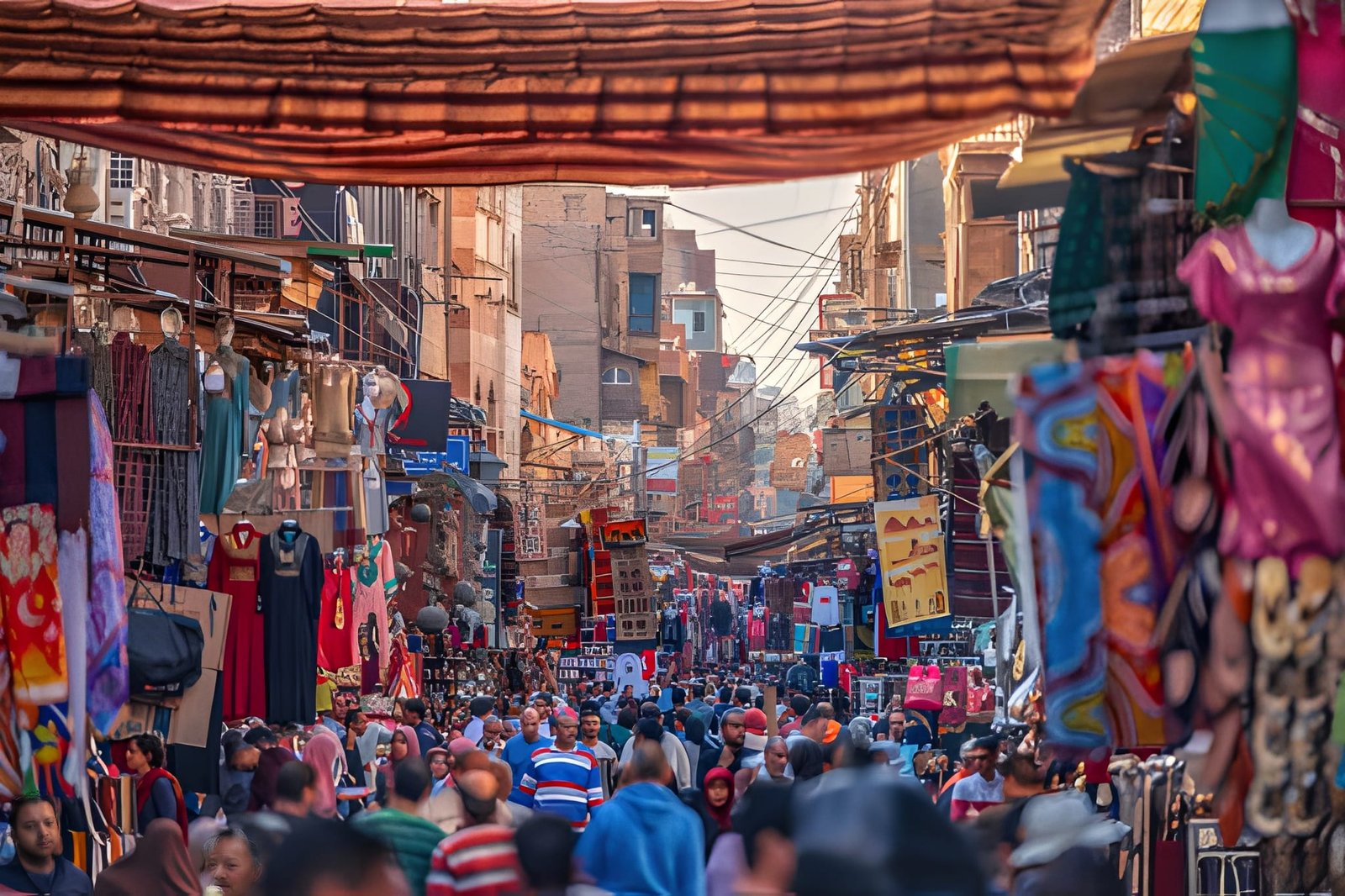
Whether you’re cruising along the Nile on the Best Nile River Cruises, wandering through the bustling Khan El-Khalili Bazaar, or visiting sacred sites in Coptic Cairo (Old Cairo), the rhythm of Egypt’s holidays surrounds you. They speak of faith, harvests, victory, and rebirth—echoes of the same cycles that drove ancient temples and modern mosques alike. Understanding Egypt’s holidays and traditions is to truly grasp its identity, a mesmerizing dance between past and present, earth and spirit.
Religious Holidays in Egypt: Spirituality at the Core of Daily Life
Religion stands at the heart of Egyptian society, shaping its most significant holidays and traditions. The majority of Egyptians are Muslim, while a substantial Christian minority, primarily Coptic Orthodox, marks their own sacred days. These religious observances are integral to everyday life, influencing public rhythms, family gatherings, and even cuisine.
Ramadan: A Sacred Month of Fasting, Reflection, and Togetherness
Ramadan is one of the most cherished Islamic holidays in Egypt. For an entire month, Muslims fast from sunrise to sunset, refraining from food, drink, and negative actions. But Ramadan is far more than abstinence—it’s a time of community, charity, and introspection. As the call to prayer announces sunset, families gather to break their fast with iftar, often starting with dates and water before enjoying a lavish meal of traditional dishes like stuffed grape leaves and koshari. Streets light up with colorful lanterns called fanoos, and the nights hum with festivity. Tourists visiting during this time feel the warmth of Egyptian hospitality firsthand, as even strangers are welcomed to share a meal.
Eid al-Fitr: The Festival of Breaking the Fast
Following Ramadan comes Eid al-Fitr, a jubilant three-day festival marking the end of fasting. Egyptians dress in new clothes, exchange gifts, and visit relatives. Children’s laughter fills neighborhoods as families prepare sweets like kahk—sugar-dusted cookies symbolizing joy and unity. The holiday blends ancient Egyptian celebration with Islamic devotion, proving how tradition continually evolves while honoring its roots. Eid al-Fitr also emphasizes generosity; many Egyptians donate to the needy, ensuring everyone can partake in the joy.
Eid al-Adha: The Feast of Sacrifice
Eid al-Adha, commemorating Prophet Ibrahim’s devotion, is another cornerstone of Egyptian faith. Families who can afford it sacrifice a sheep or cow, sharing the meat among relatives and the poor. Beyond its religious significance, this Eid strengthens neighborly bonds and reinforces Egypt’s collective sense of compassion and faith. The aroma of grilled meat drifts through every street, and mosques overflow with worshippers expressing gratitude.
Coptic Christian Holidays: Ancient Faith in a Modern Nation
While Egypt is predominantly Muslim, Coptic Christians maintain a rich calendar of sacred celebrations. These events reveal a thread connecting ancient Egyptian heritage to early Christianity and modern Egyptian identity.
Coptic Christmas: Faith and Family on January 7th
Coptic Orthodox Christians in Egypt celebrate Christmas on January 7th, following the Julian calendar. The day begins with a special midnight mass, where families gather to commemorate the birth of Christ. The preceding 43-day fasting period, known as the Holy Nativity Fast, ends with feasts of meat, poultry, and festive dishes. Streets and churches glow with candles, while choirs fill the air with hymns. Visitors exploring Christmas in Egypt find a moving blend of devotion and festivity seldom seen elsewhere.
Coptic Easter and the Joy of Resurrection
Coptic Easter, marking the resurrection of Christ, is celebrated with deep reverence. Families attend lengthy church services, then gather for lavish meals and joyful reunions. It’s a time of renewal, both spiritual and personal, connecting ancient beliefs with the rhythm of modern life in Egypt. The following day, Egyptians—Muslim and Christian alike—celebrate Sham El-Nessim together, showing the nation’s enduring unity.
National and Cultural Holidays: Pride and Heritage Intertwined
Egypt’s secular holidays pay tribute to its long history of independence, revolution, and national identity. These days commemorate the nation’s resilience and achievements, often blending patriotic displays with traditional customs.
Revolution Day: July 23rd
Revolution Day celebrates the 1952 revolution that ended monarchy and established the Republic of Egypt. Flags fly high across cities, military parades grace television screens, and patriotic songs echo through Cairo’s streets. For Egyptians, it’s a reminder of unity, strength, and progress.
Sinai Liberation Day and National Pride
Celebrated on April 25th, Sinai Liberation Day honors Egypt’s reclaiming of the Sinai Peninsula in 1982. Fireworks light the sky, and documentaries replay moments of triumph. Coastal cities like Sharm El Sheikh and Dahab host concerts, drawing locals and tourists to commemorate peace and victory.
Traditional Egyptian Festivals: A Legacy of Joy and Nature
Sham El-Nessim: The Spring Festival for All Egyptians
Few holidays capture Egypt’s spirit like Sham El-Nessim, celebrated on the Monday after Coptic Easter. Its origins trace back to ancient Pharaonic times, honoring the arrival of spring. Egyptians across all faiths spend the day outdoors, enjoying picnics by the Nile, parks, or beaches. Families feast on feseekh (salted fish), green onions, and boiled eggs—symbolic of renewal and fertility. This shared celebration underscores Egypt’s remarkable religious harmony and cultural continuity. Tourists exploring during this time can witness these ancient customs alive in the modern era—a living heritage not confined to museums.
Moulid Festivals: Honoring Saints with Color and Music
Moulids are local festivals celebrating saints, prophets, or holy figures, adorned with music, food, and spiritual dances like the famous Sufi tanoura. The biggest moulid honors Al-Sayyid Al-Badawi in Tanta, attracting thousands of pilgrims. Vendors sell sweets, children ride swings, and worshippers chant in unison—a captivating mix of devotion and carnival spirit.
Ancient Roots of Egyptian Holidays
Ancient Egypt’s agricultural calendar continues to subtly influence modern traditions. Festivals once dedicated to gods of fertility, harvest, or the Nile’s flooding now manifest in seasonal and religious observances. Even Sham El-Nessim dates back over 4,000 years, showing how ancient joy in nature’s cycles transcends time. Many modern Egyptians still mark the Coptic New Year, or Nayrouz, which honors martyrs and coincides with ancient harvest rituals. This blending of past and present ensures Egypt’s identity remains beautifully layered.
Exploring these traditions alongside cultural landmarks like the Top Egyptian Festivals and Celebrations or historic sites such as the Abu Simbel Temples in Aswan deepens the traveler’s appreciation of a nation where every ritual tells a story.
Modern-Day Customs and Social Etiquette
Beyond official holidays, Egyptians practice countless day-to-day traditions reflecting hospitality and respect. Guests are offered tea or coffee immediately upon arrival; refusing is polite only after insisting once or twice. Greetings often include a handshake and warm inquiry about family. Fridays, the Islamic day of rest, see families gather for prayer and hearty meals. These customs, subtle yet profound, embody Egypt’s timeless charm. Travelers who understand and embrace this etiquette experience a deeper connection with locals and respect for their culture, as described in An Insider’s Guide to Egyptian Culture.
How Tourists Experience Egypt’s Holidays
Visitors to Egypt during major festivals can expect a mesmerizing display of faith and festivity. Streets in Cairo, Alexandria, and Luxor brim with lights and laughter during Ramadan and Eid. In spring, parks overflow with picnickers celebrating Sham El-Nessim. Tourists sailing on the Luxury Dahabiya Nile Cruise might witness riverbank towns adorned for local moulids, giving them a rare window into authentic Egyptian life. Exploring with Travme Tours ensures these experiences are immersive, respectful, and unforgettable.
Preserving Egypt’s Traditions in a Globalized World
Despite globalization, Egypt’s holidays and traditions remain resilient. Television specials, mosque sermons, and school programs help preserve cultural identity among younger generations. Modern Egyptians—urban and rural alike—take pride in celebrating holidays passed down by ancestors who built pyramids, temples, and cities that still fascinate the world. This appreciation for both ancient and modern traditions makes Egypt not just a destination but a living story of civilization.
Frequently Asked Questions About Egypt Holidays and Traditions
1. What are the most important holidays in Egypt?
The most important holidays in Egypt include Ramadan, Eid al-Fitr, Eid al-Adha, Coptic Christmas, Coptic Easter, Sham El-Nessim, and national days like Revolution Day and Sinai Liberation Day. Each holiday reflects Egypt’s blend of faith, culture, and patriotism.
2. How do Egyptians celebrate Ramadan?
During Ramadan, Egyptians fast from dawn to sunset, then gather for iftar meals with family and friends. Streets light up with lanterns, and festive markets sell sweets and decorations. It’s a month of faith, generosity, and community bonding.
3. What is Sham El-Nessim, and why is it special?
Sham El-Nessim is an ancient spring festival celebrated by all Egyptians, regardless of religion. Families picnic outdoors, enjoy salted fish, and decorate eggs. It’s a symbol of unity and renewal dating back to Pharaonic times.
4. Are Egyptian holidays good times for tourists to visit?
Absolutely. Visiting Egypt during holidays offers travelers a deeper understanding of its culture and hospitality. However, during Ramadan, some businesses operate shortened hours, so planning ahead with local experts like Best Egypt Travel Packages ensures a smooth experience.
5. How do Coptic Christians celebrate Christmas differently from Western traditions?
Coptic Christians celebrate Christmas on January 7th, following the Julian calendar. The celebration begins with midnight mass, followed by family feasts after a fasting period. The day’s focus is more on faith and community than commercial exchange, reflecting Egypt’s deep-rooted spirituality.
Conclusion: The Heartbeat of Egypt Lies in Its Holidays
Egypt’s holidays and traditions are a vivid tapestry woven from faith, family, history, and joy. They invite travelers to look beyond monuments and discover the human spirit that built them. Whether you witness the lantern-lit streets of Ramadan, share a spring feast during Sham El-Nessim, or hear church bells on Coptic Christmas, you’ll sense the same devotion that shaped millennia of Egyptian civilization. To truly know Egypt, one must live its celebrations, honor its traditions, and embrace the rhythm of its timeless soul—a story still being written every holiday, every prayer, every smile across this unforgettable land.

Comment (0)