

Egypt Travel Safety: How to Explore Egypt Confidently and Securely
Traveling to Egypt is a dream for many adventurers, history enthusiasts, and curious explorers. The land of the Pharaohs, Pyramids, and the mighty Nile is bursting with wonders that captivate the imagination. Yet, one question often arises before booking a trip: is Egypt safe to travel to? The truth is, Egypt travel safety has significantly improved in recent years, thanks to enhanced security measures, increased tourism infrastructure, and government efforts to protect both locals and visitors. From Cairo’s bustling streets to Luxor’s timeless temples, Egypt offers unforgettable experiences when approached with awareness and preparation. Understanding Egypt travel safety ensures you can focus on the magic of your journey—without worrying about unnecessary risks.
Safety in Egypt isn’t just about avoiding trouble; it’s about traveling smart. Whether you’re exploring the Pyramids of Giza, strolling through the vibrant Khan El-Khalili Bazaar, or sailing down the Nile, the key lies in staying informed, respecting local customs, and planning responsibly. The Egyptian government and tourism boards have worked tirelessly to bolster Egypt’s image as a secure destination, implementing surveillance systems, trained tourist police, and tight airport controls. For travelers eager to experience Egypt’s treasures, understanding where to go, how to behave, and what precautions to take makes all the difference. This comprehensive guide covers everything you need to know about Egypt travel safety—from health and transportation to cultural etiquette and regional insights.
Understanding the Current Safety Situation in Egypt
Egypt’s tourism industry has faced challenges over the past two decades, but today, it’s bouncing back stronger than ever. Most tourist destinations—Cairo, Luxor, Aswan, Hurghada, and Sharm El Sheikh—are well-protected and regularly patrolled. Tourists enjoy peace of mind as authorities maintain a visible yet non-intrusive presence in popular areas. The Egyptian Ministry of Interior has enhanced safety measures, especially around archaeological sites and transportation hubs. Incidents involving tourists are extremely rare, and most visits are trouble-free.
Still, travelers should remain aware of their surroundings. Avoid political gatherings or demonstrations, and stay informed through your embassy’s travel advisories. Egypt travel safety isn’t about fear—it’s about foresight. For instance, when visiting sites like the Valley of the Kings or embarking on the Best Nile River Cruises, always follow official guidance. Choose reputable travel providers like Travme Tours, known for maintaining high safety standards and offering expert-led packages that navigate Egypt’s highlights responsibly.
Regional Safety Insights: Where to Go and Where to Be Cautious
Egypt is vast and diverse, so understanding regional safety differences helps shape a secure itinerary. Tourists flock mainly to the Nile Valley, the Red Sea resorts, and the Mediterranean coast—all of which are considered safe. Cities such as Luxor, Aswan, and Hurghada are among the safest tourist destinations in the Middle East. The Red Sea coast, including Marsa Alam and Sharm El Sheikh, thrives with international travelers seeking sunshine and diving adventures. These regions have top-notch security and are heavily monitored.
However, the Sinai Peninsula beyond the resort areas and the Western Desert require caution. Independent travel to remote desert regions like the Western Desert in Egypt should only be done through authorized operators with government approval. Always check government advisories for updates before traveling to these zones. When planned prudently, even desert expeditions can be safe and unforgettable.
Transportation Safety: From Cairo Streets to the Nile River
Navigating transportation in Egypt is part of the adventure, but safety should come first. Cairo’s traffic can feel chaotic to newcomers; hiring a licensed driver or utilizing ride-hailing apps ensures safer commuting. Train travel between major cities like Cairo, Luxor, and Aswan is generally reliable, though first-class tickets offer better comfort and security. For intercity flights, EgyptAir and other domestic carriers maintain solid safety records.
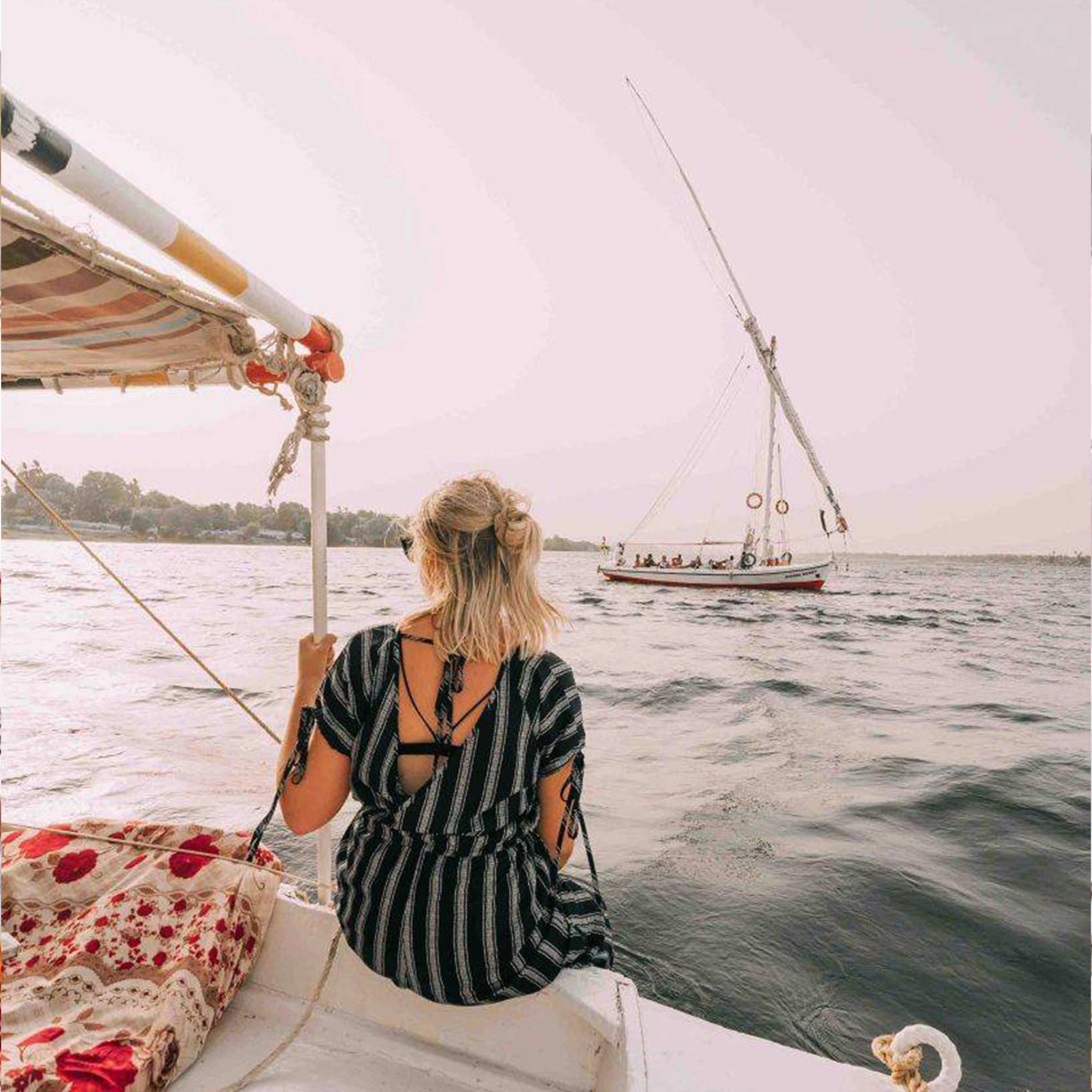
If you’re planning a river journey, choosing an accredited cruise like the Iris Dahabiya Nile Cruise or Mövenpick MS Royal Lily Nile Cruise ensures a safe and luxurious experience. Nile cruises are an excellent way to explore ancient landmarks while avoiding road fatigue. Whether it’s a short 4 Day 3 Night Nile Cruise from Aswan to Luxor or an extended journey, reputable operators adhere to stringent safety and hygiene protocols.
Health and Hygiene Tips for a Problem-Free Trip
Egypt’s climate and environment differ from what many travelers are used to, so staying healthy is part of travel safety. Drink bottled water, avoid raw tap water, and be cautious with street food. Opt for reputable restaurants or hotel dining, particularly in busy areas. Bring essential medication, and remember that pharmacies are widespread and well-stocked. Sun protection is crucial—the Egyptian sun can be unforgiving, particularly at midday.
Medical facilities in major cities are of good quality, but travelers heading off the beaten path should ensure comprehensive travel insurance. In case of emergencies, urban hospitals are equipped to handle tourists’ medical needs efficiently. Vaccinations against hepatitis A, typhoid, and routine illnesses are recommended. Following basic hygiene and health practices guarantees a smooth experience while exploring wonders like the Egyptian Museum or ancient tombs under the Luxor sun.
Cultural Etiquette and Social Awareness in Egypt
Respecting Egyptian culture goes hand in hand with staying safe. Egypt is a predominantly Muslim country, and modest attire is appreciated, especially in rural areas or religious sites. Women should cover shoulders and knees, while men should avoid sleeveless tops in conservative zones. During Ramadan, be mindful when eating or drinking in public during daylight hours.
Politeness, patience, and a smile open many doors in Egypt. Always ask permission before photographing people, especially in markets or mosques. Bargaining is common but should be friendly and respectful. Understanding these subtleties not only ensures safety but also fosters meaningful connections. Reading resources like An Insider’s Guide to Egyptian Culture helps visitors grasp local nuances and travel in harmony with Egyptian traditions.
Solo and Female Travel Safety in Egypt
Solo travelers, including women, can safely explore Egypt with proper preparation. Stick to well-traveled routes, use licensed tour guides, and avoid isolated areas after dark. Harassment is uncommon in tourist zones, but assertive awareness helps deter unwanted attention. Booking through trusted companies ensures local support throughout your journey. Many women report positive experiences when traveling with organized groups or joining guided tours, where cultural insights and companionship enhance the journey.
Women should also consider joining packages like the 7 Days Luxury Egypt Trip or Egypt Day Tours that combine comfort with safety and expert navigation. These curated experiences remove uncertainty, allowing travelers to focus on discovery instead of logistics.
Practical Tips for Maximizing Safety While Traveling in Egypt
To enjoy Egypt to the fullest, blend caution with curiosity. Here are essential Egypt travel safety tips to keep in mind:
• Register your travel plans with your embassy.
• Keep photocopies of your passport and visas.
• Avoid displaying large sums of cash or expensive jewelry.
• Use hotel safes for valuables.
• Stay updated on local news via reputable sources.
• Learn basic Arabic phrases—it goes a long way in emergencies.
• Follow local laws, especially regarding photography and drones.
• Always carry identification when exploring major sites like the Karnak Temple or Abu Simbel Temples in Aswan.
These small acts of organization help prevent unnecessary hassles and make every adventure seamless. Whether you’re marveling at ancient ruins or exploring Things To Do In Egypt, preparation is the golden ticket to a stress-free trip.
Emergency Contacts and Local Support
In the unlikely event of an emergency, Egypt has responsive support systems for travelers. Dial 122 for police, 123 for ambulance, and 180 for the fire department. Tourist police are easily identifiable and usually speak English; they’re stationed in every major attraction and hotel. Always keep contact details of your tour operator and accommodation. Companies like Best Egypt Travel Packages providers offer 24/7 assistance to ensure travelers never feel stranded.
Conclusion: Embrace Egypt’s Safety and Splendor
Egypt travel safety today offers reassurance for those eager to uncover its treasures. The combination of government vigilance, improved tourism infrastructure, and visitor awareness ensures that exploring Egypt is as safe as it is inspiring. With mindfulness, respect for local culture, and reliable travel partners, your Egyptian journey will unfold with wonder and ease.
FAQs about Egypt Travel Safety
Is Egypt safe for tourists in 2024?
Yes, Egypt is safe for tourists. Major destinations such as Cairo, Luxor, Aswan, and the Red Sea resorts enjoy strong security and hospitality-focused infrastructure. Tourism is a top priority for the Egyptian government, and extra precautions ensure visitors can explore freely.
Can solo female travelers safely visit Egypt?
Absolutely. Women traveling solo can enjoy Egypt safely by dressing modestly, avoiding isolated areas, and joining guided tours. Opting for reputable agencies or group tours enhances comfort and security throughout the trip.
Are Nile cruises safe?
Yes, Nile cruises are exceptionally safe. Operators follow strict safety and hygiene standards. Booking through certified providers such as those offering the Best Luxury Nile River Cruise ensures supervision by professional staff and reliable itineraries.
What areas of Egypt should travelers avoid?
Travelers are advised to avoid remote parts of the Sinai Peninsula and unregulated areas of the Western Desert without official permits. Popular tourist zones, however, remain secure and welcoming to visitors.
What are the best ways to stay healthy while traveling in Egypt?
Drink bottled water, use sunscreen, and eat freshly prepared food in reputable places. Carry hand sanitizer, stay hydrated, and avoid excessive sun exposure. Egypt’s warm climate can be intense, so sensible precautions keep you energized throughout your adventure.

Comment (0)