

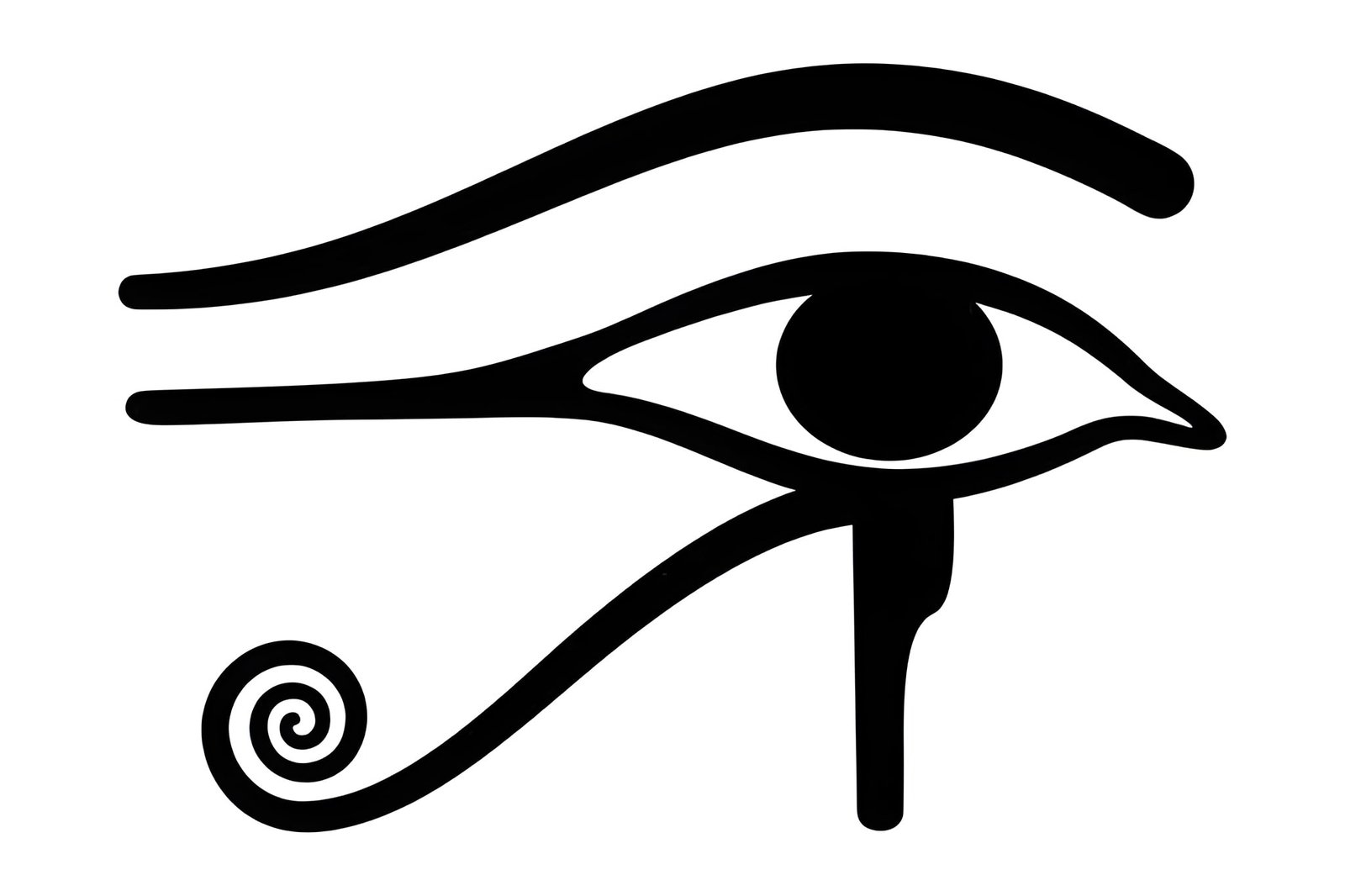
The Egyptian Eye of Horus: Ancient Symbol of Protection, Power, and Healing
The mesmerizing Eye of Horus, one of the most iconic symbols of ancient Egypt, has captivated historians, travelers, and spiritual seekers for millennia. With its elegant curves and mysterious origin, this sacred emblem embodies divine protection, royal authority, and the mystical cycle of life, death, and rebirth. Known also as the ‘Wadjet’, the Eye of Horus goes far beyond an ornamental motif—it’s a symbol of balance that once influenced Egyptian medicine, navigation, and even architecture. From pharaohs to modern spiritualists, the Eye of Horus continues to shine as a beacon of ancient wisdom, offering insight into Egypt’s profound cosmology and the people’s unshakable belief in the eternal. When you wander through the temples of Luxor Temple or gaze upon relics inside The Egyptian Museum, you’ll notice this legendary eye engraved on walls, jewelry, and funerary objects—each telling tales of protection and spiritual awakening. The Eye of Horus remains not only a cultural treasure but also a timeless emblem of vision, intuition, and cosmic order.
Origins of the Eye of Horus in Ancient Egyptian Mythology
The Eye of Horus traces its roots to one of Egypt’s most powerful myths—the eternal struggle between Horus and Set. Horus, the falcon-headed god of the sky, sought vengeance for his father Osiris, slain by the envious Set. During their fierce battle, Horus lost his left eye, which was later magically restored by Thoth, the god of wisdom and healing. This divine restoration gave the Eye of Horus its sacred meaning as a symbol of recovery, wholeness, and resurrection. The Egyptians saw in this story a metaphor for the waxing and waning of the moon, associating the eye with lunar cycles and renewal. Indeed, the Eye of Horus became a talisman against evil, a charm of health, and a celestial guide through both physical and spiritual journeys across the Nile Valley—an element still celebrated in modern Egyptian art and culture today.
The Mathematical and Mystical Meaning Behind the Eye
Beyond its mythological tale, the Eye of Horus carries a deep mathematical and esoteric significance. Ancient priests divided the eye’s six parts into distinct fractions: 1/2, 1/4, 1/8, 1/16, 1/32, and 1/64. These represented the senses—smell, sight, thought, hearing, taste, and touch—symbolizing how the Egyptians perceived the wholeness of the human experience. This sacred geometry inspired their understanding of cosmic order and even influenced their architectural precision, from the Pyramids of Giza to the astronomical alignments of temples like Abu Simbel Temples. The Eye of Horus thus bridged science and spirituality, illustrating how ancient Egyptians saw harmony between mathematics and divinity.
The Eye of Horus and Its Connection to Healing
For ancient Egyptians, the Eye of Horus was more than a myth—it was a living force of protection and healing. Physicians used the symbol in medical prescriptions, aligning its mathematical parts with measures of medicinal ingredients. Amulets inscribed with the Eye were often buried with the dead to ensure safe passage into the afterlife, while soldiers wore it in battle for divine protection. The association with Thoth, who restored Horus’s eye, emphasized the healing power of wisdom and divine knowledge. Modern interpretations still hold this meaning dear, viewing the Eye as a sign of restoration, clarity, and inner strength.
Symbolism and Spiritual Interpretations of the Eye of Horus
The Eye of Horus represents more than physical sight; it’s a symbol of spiritual insight, divine awareness, and cosmic unity. The eye’s right side, often linked with the sun god Ra, embodies masculine energy, logic, and power, while the left side—the moon eye—symbolizes intuition, emotion, and healing. Together, they form a perfect duality reflecting balance in all creation. This dual nature influenced Egyptian art, where harmony was a cardinal principle, evident in temples, tombs, and murals across sites like the Temple of Hatshepsut and the Valley of the Kings. The Eye of Horus also served as a moral compass—reminding believers to maintain ethical vision, clarity in thought, and justice in action.
Protection and Amuletic Power
Amulets featuring the Eye of Horus were among the most popular artifacts in ancient Egypt. Crafted from gold, lapis lazuli, or faience, they adorned tombs, boats, and doorways to guard against malevolent forces. Egyptians believed the eye could repel the ‘evil eye’ and restore moral order. Even sailors painted the Eye of Horus on their vessels to ensure safe navigation on the Nile River, trusting in its divine gaze to guide them home safely. Many travelers today find replicas of this symbol in Egyptian markets such as Khan El-Khalili Bazaar, where its protective aura continues to enchant visitors seeking blessings and luck.
Artistic Evolution of the Eye of Horus Through Egyptian Dynasties
From the Old Kingdom to the late Ptolemaic era, the Eye of Horus evolved in design and meaning. Initially carved on tomb walls and sarcophagi, it later appeared in royal jewelry, temple reliefs, and sacred vessels. Its stylized form—featuring the spiral detail beneath the eye and the teardrop representing the falcon’s markings—reflected Egypt’s artistic devotion to symbolism. During the New Kingdom, artisans began embedding turquoise and obsidian to mimic the celestial essence of the Eye, enhancing its spiritual force. The symbol’s endurance showcased the Egyptians’ profound respect for divine order and eternal protection.
The Eye of Horus in Funerary Practices
The presence of the Eye of Horus in funerary rites signified rebirth and safeguarding of the soul. Tombs unearthed in Sakkara Necropolis and Abydos Temple reveal its consistent use to ward off demons and guide spirits toward Osiris’s realm. The ancient Egyptians believed that with the Eye’s watchful presence, no soul could be lost in darkness. It was not merely a symbol but a golden guardian of eternity itself.
Modern Legacy of the Eye of Horus in Culture and Design
Today, the Eye of Horus transcends religion and geography. It’s worn as jewelry, tattooed for spiritual empowerment, and incorporated into architecture and digital art. In modern Egypt, its presence links contemporary culture with the grandeur of the past, reminding us of humanity’s eternal quest for protection and enlightenment. Tourists exploring Famous Egypt Destinations can spot the Eye engraved on ancient relics and replicated in souvenirs that keep its magic alive. Artists, historians, and spiritualists continue to reinterpret its meaning—bridging antiquity and modernity, science and mysticism.
Eye of Horus as a Global Symbol of Spiritual Awakening
Beyond Egypt, the Eye of Horus has become a universal emblem of awakening and insight. It resonates with those seeking higher consciousness and inner peace, much like the third-eye symbolism in Eastern traditions. Its message is timeless: to see beyond illusion, to heal, and to embrace divine order. Whether admired in museums or worn as a charm during an Egypt Luxury Tour, the Eye of Horus continues to radiate mysticism and grace, connecting hearts across cultures and centuries.
Frequently Asked Questions About the Egyptian Eye of Horus
What is the Eye of Horus used for?
The Eye of Horus was used in ancient Egypt as a symbol of protection, health, and restoration. It functioned as an amulet to ward off evil and ensure safety in life and the afterlife. Its presence on tombs, jewelry, and ships represented the divine eye watching over humanity.
Is the Eye of Horus the same as the Eye of Ra?
No, while both are powerful Egyptian symbols, they represent different aspects of divinity. The Eye of Ra symbolizes the sun’s fierce energy and divine wrath, while the Eye of Horus embodies healing, lunar energy, and restoration. Together, they express Egypt’s belief in cosmic balance.
Where can I see the Eye of Horus in Egypt today?
Travelers can see depictions of the Eye of Horus in numerous temples and museums across Egypt, especially at sites like Dendera Temple Complex, Luxor Museum, and The Grand Egyptian Museum. Guided Egypt Day Tours offer immersive experiences that reveal the Eye’s enduring presence in ancient art and architecture.
What materials were used to make Eye of Horus amulets?
Amulets were often crafted from gold, lapis lazuli, turquoise, or faience. Each material carried symbolic meaning—gold for divine eternity, lapis for heavenly power, and faience for renewal. These amulets were believed to channel Horus’s strength and Thoth’s healing energy.
Why is the Eye of Horus still popular today?
The symbol’s enduring appeal lies in its universal themes—protection, wisdom, and spiritual awareness. People worldwide wear it as a talisman to attract good fortune and repel negativity. Its timeless design reflects both artistic beauty and metaphysical depth, making it relevant even in contemporary culture.
Conclusion: The Eternal Gaze of the Eye of Horus
The Eye of Horus remains a profound emblem of Egypt’s ancient soul—a guardian of truth, balance, and divine order that transcends time. Its intricate design tells stories of heroism, healing, and celestial harmony. As travelers trace its imprint across temples and monuments, from Temple of Philae to Colossi of Memnon, the Eye’s gaze continues to inspire awe and reverence. Whether you’re exploring Egypt’s mysteries through Best Nile River Cruises or uncovering treasures with Travme Tours, the Eye of Horus will forever stand as a reminder of humankind’s enduring pursuit of enlightenment and protection under the watchful eyes of the gods.

Comment (0)