

El Minya: The Beating Heart of Middle Egypt’s Heritage and Culture
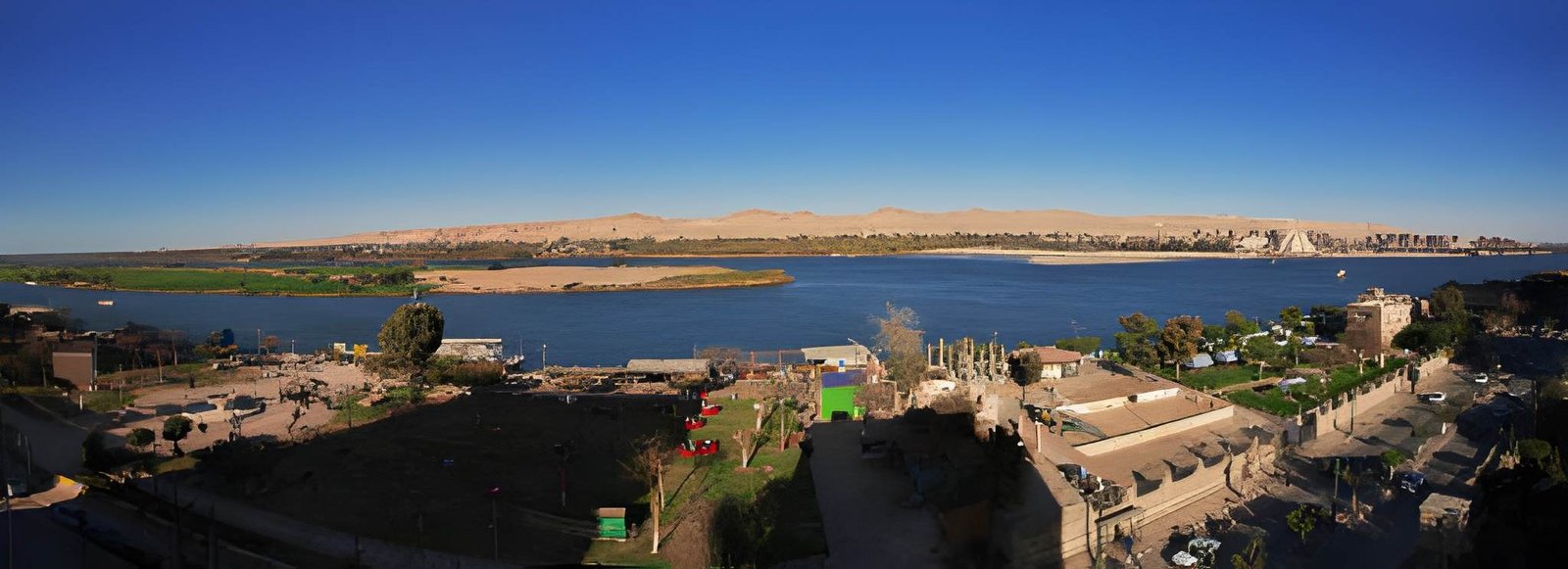
El Minya, often hailed as the ‘Bride of Upper Egypt,’ is a mesmerizing blend of history, spirituality, and cultural richness. Located along the majestic Nile River, this governorate is a treasure trove of ancient Egyptian heritage and modern vibrancy. Nestled between Beni Suef and Assiut, El Minya’s strategic location made it a vital center during both the Pharaonic and Greco-Roman eras. From the dazzling tombs of Beni Hassan to the mystical ruins of Tell El Amarna Egypt, El Minya exudes an unmatched historical aura. Every corner whispers the legacy of pharaohs, noblemen, and visionaries who once shaped Egypt’s fate. The charm of El Minya isn’t confined to its monuments—it thrives in its vibrant streets, bustling souks, and warm-hearted locals who emanate Egyptian hospitality at its finest.
In this region, time seems to stretch infinitely. The Nile gleams with serenity, ancient cliffs overlook pastoral lands, and the city itself pulsates with life and devotion. Families gather in riverside cafes, children play in date palm-lined lanes, and echoes of ancient glory merge seamlessly with modern rhythms. For travelers craving authenticity beyond mainstream attractions, El Minya is a revelation. It invites explorers to traverse its archaeological wonders, delve into its spiritual havens, and uncover Egypt’s hidden soul. Whether you’re on a cultural quest, a historical deep dive, or a picturesque Nile journey, El Minya stands as the heart of Egypt’s living heritage.
Historical Legacy of El Minya: Tracing Back to Ancient Egypt
El Minya has long been a cradle of civilization, shining as a vital link between northern and southern Egypt. The area flourished under multiple dynasties, with archaeological remnants from the Old, Middle, and New Kingdoms bearing witness to its importance. The nearby necropolis of Beni Hassan Tombs reveals incredible rock-cut chambers adorned with vivid paintings depicting daily life, agriculture, and martial exploits. These masterpieces show the artistic refinement that characterized Middle Kingdom Egypt.
Further north lies the ancient city of Akhetaten—modern-day Tell El Amarna—founded by Pharaoh Akhenaten, the revolutionary monarch known for his devotion to Aten, the Sun Disk. Here, the tale of monotheism in ancient Egypt was first scripted, reshaping religious thought forever. Akhenaten’s artistic reforms, along with the graceful depictions of his queen, Nefertiti, showcase the delicate yet powerful aesthetics of Amarna art, much like those admired near the Abu Simbel Temples in Aswan.
El Minya’s historical timeline also intersects with Coptic Christianity’s emergence. The city and its surroundings became a refuge for early Christians, and vestiges of ancient monasteries dot its landscapes, symbolizing faith and endurance through centuries.
Geographical Significance and Natural Beauty Along the Nile
Straddling one of the most fertile stretches of the Nile Valley, El Minya’s geography gives life to abundant farmlands, lush orchards, and charming villages. The shimmering Nile River, the lifeblood of Egypt, flows tranquilly here, providing breathtaking sunrises and sunsets that stir the soul. Visitors might be reminded of the majestic beauty encountered during the Best Nile River Cruises, where El Minya stands as one of the picturesque stops offering authentic glimpses of rural Egyptian charm.
The juxtaposition of rugged limestone cliffs and the greenery of the valley makes El Minya a landscape photographer’s dream. Beyond the Nile banks, vast deserts stretch into the horizon, unveiling sites still waiting to be rediscovered by archaeologists. The natural environment here mirrors the timeless bond between Egyptians and their sacred river—the same bond celebrated in every Nile-side city, from Luxor to Aswan.
The Modern Pulse: El Minya’s City Life and Culture
Modern El Minya thrives as a bustling, cosmopolitan hub that seamlessly merges tradition with progress. Its streets are lined with cafes, markets, and educational institutions that shape the cultural identity of Middle Egypt. The local culture embraces art, literature, and music—the heartbeats that continue to reverberate from its glorious past. Festivals celebrate the region’s harvests, crafts, and spiritual traditions, much like those found in the Top Egyptian Festivals and Celebrations celebrated nationwide.
Local crafts, such as pottery, weaving, and handmade textiles, tell the story of generations dedicated to artistry. Travelers will find themselves enchanted by intricate designs, ancient motifs, and colors that capture Egypt’s essence. Distinctive cuisine, blending rural simplicity with flavor-packed recipes, ensures that every meal connects the visitor to Egypt’s culinary heritage—a tradition highlighted in guides to Traditional Dishes In Egypt.
Spiritual Sites and Religious Harmony in El Minya
El Minya’s significance transcends archaeology—it’s also a spiritual sanctuary. The region’s religious landscape narrates stories of coexistence, faith, and devotion. Coptic monasteries, ancient churches, and mosques stand side by side, epitomizing Egypt’s harmonious spirit. The Monastery of the Virgin at Gabal El-Tayr, perched on cliffside overlooking the Nile, is one of the legendary stops of the Journey Of The Holy Family In Egypt. Each year, thousands of pilgrims and curious travelers gather to honor traditions that have been alive for centuries.
In the heart of El Minya city, Islamic architecture from the Ottoman era complements the serenity of modern mosques. This coexistence mirrors Egypt’s broader cultural unity—where ancient gods once ruled, yet faith continues to evolve while respecting the echoes of the divine.
El Minya as a Gateway for Explorers and Egypt Enthusiasts
Explorers yearning for authentic immersion find El Minya an undiscovered gem compared to mainstream tourist circuits. The region teems with archaeological sites, dazzling monuments, and scenic trails that rival iconic destinations such as the Pyramids of Giza and the The Karnak Temple. Its relative calm and untouristed allure make every discovery feel deeply personal.
Archaeology lovers and photographers can embark on custom itineraries that include the tombs of Beni Hassan, the ruins of Akhetaten, and the pastoral charm of local villages. Many organized excursions like Egypt Day Tours incorporate El Minya for travelers who wish to explore Egypt’s deeper cultural layers far away from Cairo’s hustle.
Local Lifestyle and the Spirit of Community
The lifeblood of El Minya lies in its people. From cheerful farmers to dedicated artisans and hospitable families, everyone contributes to the governorate’s distinct identity. Locals pride themselves on preserving traditions that date back thousands of years while welcoming visitors with genuine warmth. In the markets, you’ll find fragrant spices, vivid fabrics, and Gold jewelry reminiscent of finds preserved in the The Egyptian Museum.
Traditional celebrations accompany agricultural cycles and religious festivals, filling the streets with color, laughter, and the rhythmic beat of drums. For many travelers, interacting with locals here becomes one of the most memorable aspects of their journey, highlighting Egypt’s authentic essence beyond monumental grandeur.
Tourism, Accessibility, and Sustainable Development
With Egypt’s continuous commitment to sustainable tourism, El Minya stands poised for a revival. Infrastructure improvements and transport links now make it easier than ever to reach the governorate from Cairo. Many itineraries in the Best Egypt Travel Packages include El Minya among their highlights, inviting travelers to experience history up close while supporting local communities.
Eco-conscious programs and archaeological preservation efforts ensure that El Minya’s treasures remain safeguarded for future generations. For modern explorers who value responsible travel, this region offers meaningful interaction, minimizing footprint while maximizing connection to Egypt’s storied past.
Top Attractions to Visit in El Minya
Among El Minya’s crown jewels are the Beni Hassan Tombs, Tell El Amarna, Tuna el-Gebel, and the catacombs of Ashmunein. Each site provides a unique perspective into ancient beliefs, daily life, and artistic achievement. Tuna el-Gebel, once a necropolis dedicated to Thoth, brims with sarcophagi, inscriptions, and underground passages. Meanwhile, the ruins of Hermopolis showcase Greek-Roman fusion that characterizes Egypt’s multi-layered heritage. Nearby, visitors may discover hidden sanctuaries and temples akin to those in Abydos Temple, reinforcing Egypt’s interconnected past.
Travel Tips for Exploring El Minya Efficiently
To fully grasp El Minya’s essence, plan enough time for exploration—two to three days at minimum. The best period to visit is between October and April when temperatures are comfortably moderate. Guided trips with experts can deepen your understanding of local history and traditions. For travelers balancing historical pursuits with leisure, blending your El Minya discovery with a luxurious cruise like the Best Dahabiya Nile Cruise promises both adventure and comfort.
Accommodation ranges from charming riverside lodges to elegant boutique hotels. Pairing your journey with nearby attractions—such as Fayoum or Beni Suef—can create a well-rounded Middle Egypt itinerary. Always respect cultural norms, seek local guides, and take part in regional festivals for an authentic immersive experience.
FAQs about El Minya
1. Where is El Minya located in Egypt?
El Minya is situated in Middle Egypt, approximately 245 kilometers south of Cairo. It lies along the Nile River, serving as a transitional bridge between Upper and Lower Egypt. This strategic location made it crucial throughout Pharaonic, Greco-Roman, and Coptic eras.
2. What are the main tourist attractions in El Minya?
Top attractions include the Beni Hassan Tombs, Tell El Amarna, Tuna el-Gebel, and Hermopolis Magna. Religious landmarks like the Monastery of the Virgin at Gabal El-Tayr and picturesque Nile-side landscapes further enhance the city’s unique appeal.
3. Is El Minya safe for tourists?
Yes, El Minya is generally safe for travelers. Like other Egyptian destinations highlighted in Egypt Travel Safety guides, it’s advisable to travel with licensed guides, follow local advice, and plan trips during daylight hours.
4. How can tourists reach El Minya from Cairo?
El Minya can be accessed by private car, bus, or train. The journey typically takes around four hours. Many organized tours such as the 7 Days Luxury Egypt Trip include transport and guided experiences to El Minya’s historical landmarks.
5. Why should travelers include El Minya in their Egypt itinerary?
Because El Minya offers a genuine look into Egypt’s cultural backbone. It’s a region where history breathes through ancient tombs, faith intersects with art, and the tranquil Nile nurtures both land and soul. Adding El Minya to your adventure, perhaps paired with nearby destinations in the Famous Egypt Destinations, guarantees a more authentic and complete discovery of the country.

Comment (0)