

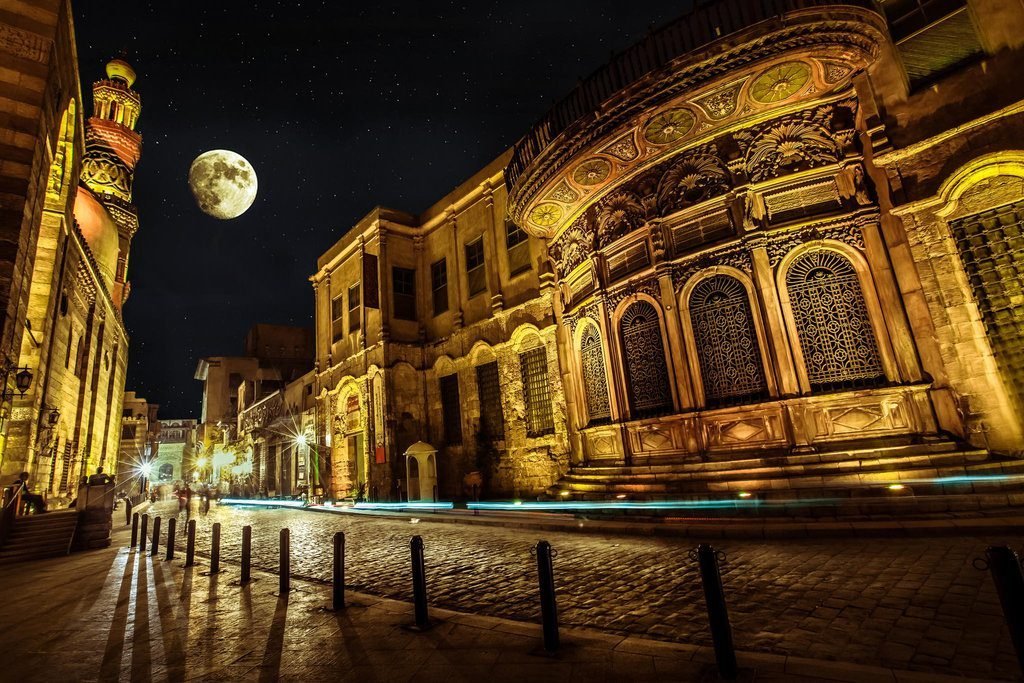
El Moez Street: The Beating Heart of Historic Cairo
El Moez Street, the magnificent artery of Islamic Cairo, stands as a living chronicle of Egypt’s glorious past. Stretching from Bab Zuweila to Bab Al-Futuh, this ancient street is a masterpiece of Islamic architecture, culture, and heritage. Walking down its cobblestone paths feels like stepping back through the centuries, surrounded by mosques, madrassas, palaces, and fountains that date back to the Fatimid, Mamluk, and Ottoman eras. Every brick of El Moez Street whispers stories of sultans, artisans, and traders who helped shape Cairo into the vibrant metropolis it is today.
Named after Al-Mu’izz li-Din Allah, the Fatimid Caliph who established Cairo as his capital in 969 AD, El Moez Street remains one of the oldest and most historically significant streets in the Islamic world. It’s not just a heritage site but a living museum where daily life unfolds seamlessly amid timeless beauty. Locals and visitors alike are drawn by its unique blend of art, culture, and spirituality. The street’s dazzling architectural treasures and bustling atmosphere make it a top highlight in any Best Cairo Travel Guide.
Beyond its architectural marvels, El Moez Street captures the essence of Egyptian culture — a fusion of history, religion, and tradition. Whether you’re savoring authentic Egyptian tea in a centuries-old café or marveling at intricately carved wooden mashrabiyas, the street offers an authentic glimpse into Cairo’s soul. For travelers seeking a deep cultural immersion, touring El Moez Street is an unforgettable experience, often included in top-rated Egypt Day Tours.
The Historical Significance of El Moez Street in Cairo
El Moez Street is a vibrant testament to nearly a thousand years of Egyptian history. Constructed during the Fatimid Caliphate, it served as the political and religious epicenter of Cairo. The street showcases an unparalleled concentration of Islamic monuments — from the majestic Al-Hakim Mosque to the elegant Qalawun Complex. Each structure represents a distinct period and architectural style, charting the evolution of Islamic art in Egypt. The meticulous restoration efforts led by UNESCO have revived the street’s past grandeur, turning it into a must-see attraction for culture lovers and history enthusiasts exploring Islamic Cairo.
Throughout the centuries, El Moez Street flourished as a hub of trade, craftsmanship, and scholarship. It connected Cairo’s major gates and was lined with markets selling spices, textiles, and jewelry. Even today, the air is thick with the scent of incense and the buzz of artisans practicing age-old crafts. The street’s enduring vitality mirrors the timelessness of Cairo itself — a city where the ancient and modern blend effortlessly. For visitors, experiencing this harmony is one of the many things to do in Egypt that leaves a lasting impression.
Architectural Marvels Along El Moez Street
El Moez Street boasts an astonishing range of architectural styles, each reflecting the influence of dynasties that ruled Egypt. The Qalawun Complex, built in the 13th century, remains a crowning jewel — an intricate ensemble of a mosque, madrassa, and mausoleum. Its marble facades, colorful mosaics, and towering minaret are awe-inspiring. Nearby, the Sultan Barquq Mosque and the Madrassa of Al-Nasir Muhammad stand as fine examples of Mamluk craftsmanship, blending geometric precision with artistic grace.
Further down, visitors encounter the Al-Aqmar Mosque, renowned for its detailed stone carvings and symmetrical façade. The Sabil-Kuttab of Katkhuda and the restored houses of Bayt Al-Suhaymi and Bayt Al-Seheimi offer a glimpse into traditional 17th-century Egyptian domestic architecture. These historical treasures are often included in curated Best Egypt Travel Packages that highlight Egypt’s architectural and cultural gems.
Local Life and Cultural Vibe of El Moez Street
El Moez Street isn’t just a monument-laden corridor; it’s a pulse of Cairo’s daily rhythm. Locals stroll through its alleys, vendors call out their wares, and the aroma of freshly baked bread mingles with the fragrance of Arabic coffee. The street transforms at night, illuminated by warm lanterns that cast a golden hue over ancient walls. Street performers and musicians add a festive touch, making evening strolls along El Moez one of Cairo’s most romantic experiences.
Nearby, the Khan El-Khalili Bazaar complements El Moez Street’s charm perfectly. The bustling markets offer everything from handwoven textiles to antique jewelry. Many travelers combine visits to both sites, creating a comprehensive journey through Cairo’s artistic heritage and lively street culture. For those eager to explore unique experiences, El Moez Street represents the very soul of Egyptian authenticity.
Religious and Cultural Harmony Reflected in El Moez Street
El Moez Street beautifully encapsulates Egypt’s religious diversity and tolerance. The street houses mosques, madrasas, and even remnants of old Christian and Jewish quarters nearby. Structures like the Al-Azhar Mosque, established by the Fatimids, and the Sultan Qalawun Mosque reveal both spiritual depth and artistic innovation. The street’s sacred atmosphere is palpable — the call to prayer echoing across minarets while the steady hum of life continues below.
Many travelers exploring the city’s spiritual highlights often include El Moez Street after visiting landmarks like the Al Azhar Mosque or the Citadel Of Salah El-Din. These sites together form an unforgettable exploration of Cairo’s Islamic heritage, blending devotion, artistry, and community spirit in one mesmerizing itinerary.
Best Time to Visit El Moez Street
El Moez Street is enchanting year-round, but the best time to visit is during the cooler months between November and March. During this period, Cairo’s weather is pleasant, allowing leisurely exploration of its open-air wonders. Early mornings and evenings provide ideal lighting for photography, highlighting the intricate carvings that adorn the street’s structures. Travelers planning seasonal trips often consult resources like When is the Best Time to Visit Egypt? to make the most of their visit.
Ramadan is another magical time to experience El Moez Street. As the sun sets, lanterns illuminate the street, and families gather for iftar feasts. The festive atmosphere, combined with traditional music and nightly celebrations, transforms the area into a cultural carnival. It’s a powerful reminder that El Moez Street isn’t just a relic of the past but a living embodiment of Egypt’s vibrant traditions.
Top Attractions and Museums Near El Moez Street
Travelers exploring El Moez Street can enrich their experience by visiting nearby attractions that complement its historical significance. The The Egyptian Museum offers insights into ancient Egypt’s treasures, while the The National Museum Of Egyptian Civilization showcases the journey of Egyptian society through the ages. For architecture lovers, the Al Azhar Park provides panoramic views of Cairo’s skyline, including the minarets that line El Moez Street.
Visitors can also explore the nearby The Hanging Church and Coptic Cairo (Old Cairo) to witness Egypt’s Christian heritage, making their trip a holistic journey through Cairo’s spiritual and cultural diversity.
El Moez Street at Night: A Magical Transformation
When the sun dips below Cairo’s horizon, El Moez Street takes on a new life. The monuments, subtly illuminated, exude a mystical aura. The interplay of light and shadow enhances the intricate carvings and textured walls. Local cafés brim with chatter, oud melodies float through the air, and the street’s ancient stones seem to come alive under the moonlight. This enchanting ambiance makes it one of the top Egypt At Night experiences.
Tourists often linger to enjoy traditional desserts like konafa and basbousa from local vendors, adding a sweet finish to their evening stroll. It’s a sensory experience — sight, sound, and taste blending seamlessly into an unforgettable memory of Cairo’s heart.
Preservation and Restoration Efforts
The Egyptian government and UNESCO have worked tirelessly to restore El Moez Street’s glory. These preservation efforts include modern lighting systems, structural reinforcements, and conservation of historic artifacts. Thanks to these initiatives, many of the street’s monuments have regained their original splendor. Restoration has transformed El Moez into an open-air museum, ensuring future generations can appreciate its beauty and significance.
El Moez Street now serves as an educational and cultural hub, hosting events, exhibitions, and guided tours that highlight Egypt’s commitment to heritage conservation. Programs like these contribute to the country’s growing reputation for Cultural Tours Egypt, drawing visitors from around the world who seek authentic and meaningful travel experiences.
Frequently Asked Questions About El Moez Street
1. Where is El Moez Street located?
El Moez Street lies in the heart of Islamic Cairo, running north to south between Bab Al-Futuh and Bab Zuweila. It’s easily accessible from Downtown Cairo and close to other major attractions like Khan El-Khalili and Al-Azhar Mosque. This central location allows visitors to explore many of Cairo’s historical landmarks in a single day.
2. What makes El Moez Street so special?
El Moez Street is renowned for its unparalleled collection of Islamic monuments, showcasing architectural styles from the Fatimid, Ayyubid, Mamluk, and Ottoman eras. It’s one of the oldest streets in Cairo, offering a living timeline of the city’s development. The street’s vibrant mix of history, art, and daily life gives it a charm that no other place in Egypt can replicate.
3. How long does it take to explore El Moez Street?
A full exploration typically takes around three to four hours, depending on how deeply visitors wish to engage with the sites. Guided tours often include visits to key monuments like the Qalawun Complex, Al-Hakim Mosque, and Bayt Al-Suhaymi. However, travelers who wish to soak in the atmosphere, shop, and enjoy local cuisine may easily spend half a day here.
4. Is El Moez Street safe for tourists?
Yes, El Moez Street is considered one of the safest and most tourist-friendly areas in Cairo. It’s regularly patrolled, well-lit, and bustling with locals and travelers alike. Egypt’s tourism authorities have prioritized maintaining safety across major heritage sites, giving visitors peace of mind when exploring. Those planning broader itineraries can review current Egypt Travel Safety tips for additional reassurance.
5. What should I wear when visiting El Moez Street?
Since El Moez Street is home to several mosques and religious monuments, modest attire is recommended. Lightweight clothing that covers shoulders and knees is appropriate, along with comfortable shoes for walking. For more advice on appropriate travel dress codes, visitors can refer to What to Wear in Egypt.
Conclusion: A Journey Through Time on El Moez Street
El Moez Street is far more than a historical destination — it’s a vivid journey through Egypt’s golden epochs. Every archway, dome, and minaret speaks volumes about the artistry and devotion of its creators. Whether you’re a history enthusiast, an architecture lover, or simply a wanderer seeking the essence of Cairo, El Moez Street promises an unforgettable adventure. It encapsulates the city’s spirit — timeless, resilient, and utterly captivating — ensuring it remains an unmissable gem in any Egypt Luxury Tour itinerary.

Comment (0)