

Elphinstone Reef – Egypt’s Underwater Treasure in the Red Sea
Hidden beneath the turquoise waters of the Egyptian Red Sea, Elphinstone Reef is an aquatic masterpiece that mesmerizes divers from all over the world. Stretching majestically between Marsa Alam and the open sea, this narrow, elongated reef is no ordinary dive site—it’s an underwater cathedral teeming with vibrant marine life, breathtaking coral walls, and thrilling large-pelagic encounters. As one of the most famous diving spots in the Red Sea, Elphinstone has earned its legendary reputation thanks to its unique location, dramatic topography, and the magnetic allure of the ocean’s apex predators: sharks. Whether you’re a seasoned diver or a curious explorer seeking Egypt’s hidden natural wonders, the reef promises an adrenaline-filled, awe-inspiring adventure unlike any other.
Bathed in sunlight that filters through crystal-clear waters, Elphinstone Reef stands as a symbol of the Red Sea’s raw beauty and biodiversity. It’s not just the kaleidoscopic corals or the schools of anthias that draw attention—it’s the entire orchestration of underwater life, rhythmically moving with the currents. The captivating presence of oceanic whitetip sharks and hammerheads adds an extra layer of excitement, while the reef’s steep drop-offs reveal a thriving vertical ecosystem. For many travelers booking Best Egypt Travel Packages, diving at Elphinstone becomes the trip’s crowning jewel. Here, nature performs in full color, rewarding those bold enough to plunge into its deep blue expanse.
Location and Geography of Elphinstone Reef
Located about 12 kilometers offshore from Marsa Alam, Elphinstone Reef lies roughly north to south, stretching about 300 meters in length and only 30 meters in width. Beneath the surface, it plunges dramatically into the depths, where vertical walls drop beyond 100 meters. The reef rises steeply from deep water, making it accessible only by dive boat. Most liveaboards leaving from Marsa Alam or Hurghada include this majestic site as a highlight in their itineraries. Its exposed position subjects it to open-ocean currents that attract a rich diversity of pelagic species, but also make it suitable mostly for experienced divers who are confident in drift diving.
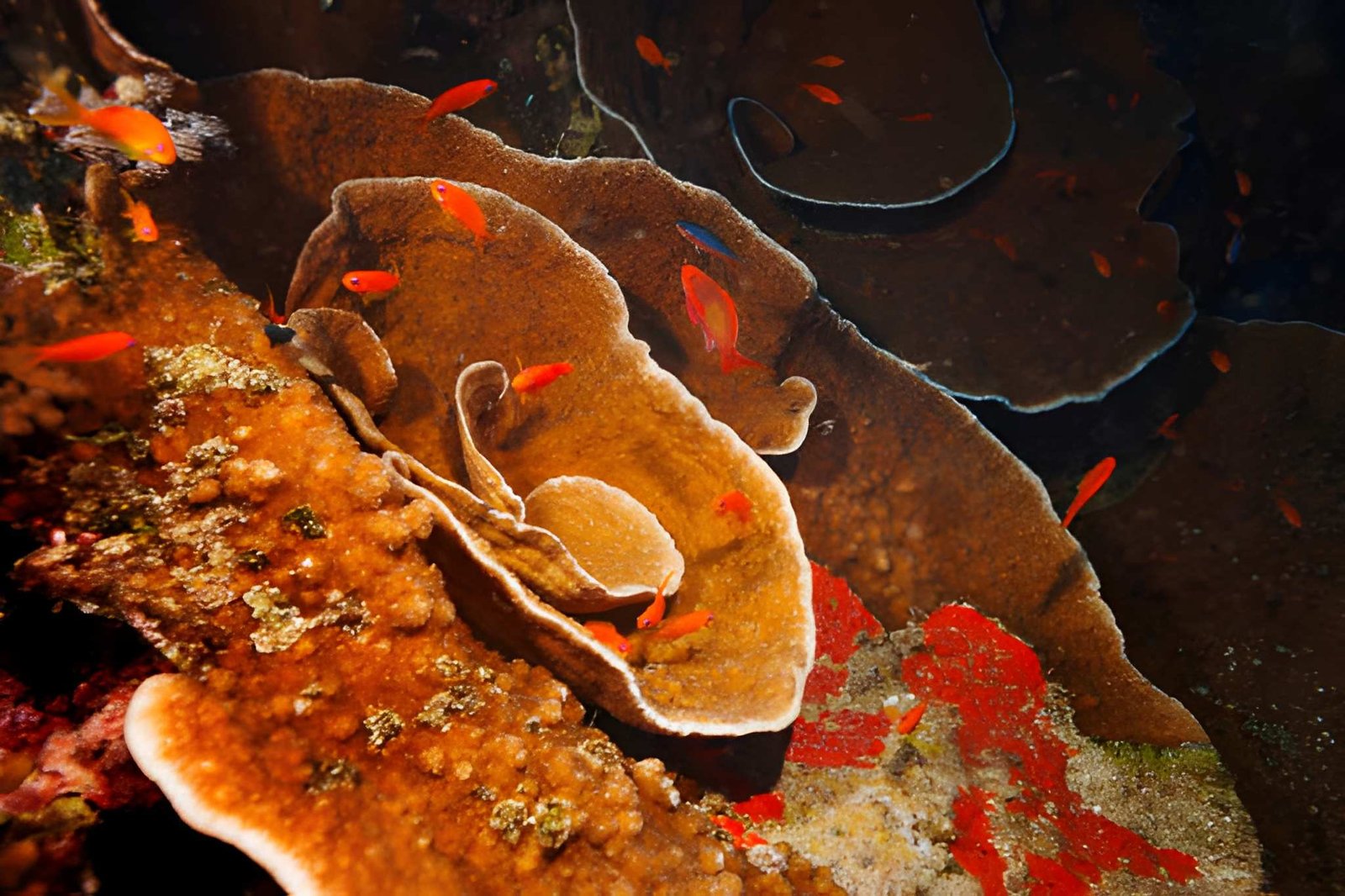
Elphinstone is famous for its north and south plateaus, both fringed with hard and soft corals. These plateaus create natural staging grounds for encounters with marine life, where reef fish dance around coral bommies and predators lurk just beyond visibility. The northern plateau, starting at about 18 meters, slopes down to 45 meters and is often patrolled by barracudas and tuna. The southern plateau, deeper and broader, is the home turf of the iconic oceanic whitetip shark. The geography of the reef is stunningly photogenic—vertical walls carpeted with purple fan corals, sponges, and soft corals make every dive feel like exploring a submerged garden sculpted by time.
The Underwater Ecosystem of Elphinstone Reef
Elphinstone’s biodiversity is remarkable even by Red Sea standards. Imagine descending through cobalt water, greeted by swirling schools of fusiliers, bannerfish, and anthias. Moray eels peek from crevices, giant trevallies dart through the blue, and turtles glide effortlessly by. The reef’s nutrient-rich currents encourage the growth of lush coral gardens that sustain hundreds of species. Fan corals stretch gracefully into the current, acting as both filter feeders and shelters for smaller organisms. Among the coral stands, divers frequently spot napoleon wrasse, angelfish, and parrotfish adding splashes of color to the scene.
But the real stars of Elphinstone’s underwater ecosystem are its sharks. Oceanic whitetip sharks, silky sharks, and occasionally hammerheads are regular visitors during the cooler months. These elegant hunters create unforgettable moments for divers. For photographers seeking the ultimate Red Sea shot, Elphinstone’s sharp light contrasts, steep drop-offs, and curious sharks make it a dream setting. Many thrill-seekers visiting Egypt through Discover Marsa Matruh: Egypt’s Hidden Mediterranean Paradise later find themselves traveling further south to experience Elphinstone’s wild beauty.
Diving Conditions and Best Time to Visit Elphinstone Reef
Elphinstone’s diving conditions vary throughout the year, but the reef’s magic remains unmatched at any time. The best months for diving are from September to December, when water temperatures range between 24°C and 27°C and visibility can exceed 40 meters. During these months, oceanic whitetip sharks are frequently seen cruising the southern plateau. From late spring through early autumn, currents intensify, attracting large schools of fish and even hammerhead sharks searching for cooler depths.
Elphinstone’s currents are both its lifeblood and its challenge. The reef’s exposed location means conditions can shift rapidly, so divers must stay mindful. Proper training and buoyancy control are essential for safety and enjoyment. Local dive operators, often partnered with experienced guides from liveaboard fleets, ensure that every dive is planned to maximize both adventure and safety. Travelers who wish to combine their underwater exploration with cultural experiences often opt for packages combining diving with inland tours such as The Karnak Temple or Valley of the Kings, blending the mysteries of the deep with those of ancient Egypt.
Marine Encounters That Make Elphinstone Reef Legendary
Few dive destinations rival the thrill of coming face-to-face with an oceanic whitetip shark at Elphinstone Reef. Known for their bold curiosity, these apex predators often approach divers closely, creating moments of heart-pounding excitement. Hammerhead sharks, when they appear in the deep blue, add an ethereal presence that feels like gliding into another world. Besides sharks, divers frequently encounter green and hawksbill turtles, eagle rays, tunas, and even dolphins passing overhead. Between dives, snorkelers can enjoy the upper reef zones, watching clownfish dart among anemones and butterflyfish slip through coral tunnels.
Elphinstone also serves as a site for studying marine ecology and coral conservation. Its thriving habitat demonstrates the delicate balance between environmental preservation and dive tourism. Many Red Sea eco-operators collaborate on sustainability programs similar to those in Wadi El Gemal National Park, ensuring these underwater gems remain pristine for future generations.
How to Reach Elphinstone Reef and What to Expect on Site
Reaching Elphinstone Reef typically involves a boat ride from Marsa Alam, taking around 30 minutes to an hour depending on the conditions. Most divers visit through day boats or luxury liveaboards departing from coastal resorts. The region has developed impressive infrastructure catering to diving enthusiasts, with Marsa Alam International Airport providing direct access to the Red Sea Riviera. Many tour operators include Elphinstone as part of specialized Red Sea itineraries in combination with sites like Ras Mohammed National Park and Sharm El Sheikh.
Expect a remote yet incredibly satisfying experience. There are no facilities on the reef itself—this is pure wilderness. Dive briefings are thorough, ensuring divers understand entry points, drift patterns, and safety stops. The tranquility and isolation make every descent feel personal, as if you’ve entered a part of nature few ever encounter. After a day exploring this submerged wonder, many travelers unwind aboard comfortable boats or nearby resorts, reflecting on a day spent dancing with sea life in one of the planet’s most sublime diving locations.
Responsible Diving and Conservation Efforts at Elphinstone Reef
Preserving Elphinstone’s fragile ecosystem has become a top priority for environmental organizations and the local diving community. Sustainable tourism practices emphasize controlled visitor numbers, strict waste policies, and reef-friendly diving behavior. Operators promote reef-aware diving by discouraging contact with corals, ensuring proper buoyancy, and using mooring lines instead of anchors. Egypt’s authorities and marine NGOs have partnered to monitor the site’s biodiversity and impose seasonal restrictions on shark-interaction protocols, ensuring the delicate balance between conservation and tourism thrives.
Compared to other marine sanctuaries like Gebel Elba National Park, Elphinstone plays a vital role as a deep-sea refuge for endangered marine species. Visitors are encouraged to support eco-conscious dive centers and participate in reef-cleanup programs. By diving responsibly, travelers contribute to the long-term protection of this living reef masterpiece.
Combining Elphinstone Reef Diving with Egypt’s Cultural Experiences
Egypt offers more than remarkable underwater adventures—it’s a destination where history, culture, and nature intertwine seamlessly. Many visitors extend their stay beyond the Red Sea to experience ancient wonders such as the Pyramids of Giza or the mystical corridors of The Egyptian Museum. Those seeking luxury may choose to combine diving with a journey along The Nile River aboard the Luxury Dahabiya Nile Cruise, blending aquatic wonders with pharaonic grandeur. Whether wandering through ancient temples or diving with sharks, the contrast captures the essence of Egypt—eternal, mysterious, and endlessly compelling.
Planning Your Dive Trip to Elphinstone Reef
When planning a dive trip to Elphinstone Reef, logistics and preparation make all the difference. Choose a reputable operator with strong safety standards and experienced guides. For the best combination of comfort and access, many divers book liveaboards that visit Elphinstone along with Red Sea classics like Daedalus and Brothers Islands. Investing in travel packages through trusted agencies such as Travme Tours simplifies logistics, ensuring seamless transfers, expert coordination, and memorable experiences. Be prepared for currents, bring a dive computer, and follow all safety recommendations to make the most of this world-renowned adventure.
Frequently Asked Questions About Elphinstone Reef
1. Where is Elphinstone Reef located exactly?
Elphinstone Reef lies about 12 km off the coast of Marsa Alam in Egypt’s southern Red Sea. Its location places it in deep, open water between the mainland and offshore drop-offs, accessible only by boat.
2. What makes Elphinstone Reef special for divers?
Elphinstone’s appeal lies in its dramatic topography, crystal-clear visibility, and thrilling encounters with oceanic whitetip and hammerhead sharks. The reef’s coral formations and vibrant marine life make it one of the Red Sea’s most legendary diving spots.
3. When is the best time to dive at Elphinstone Reef?
The ideal time is from September to December when visibility peaks and marine life gathers in abundance. Cooler waters often attract pelagic species like sharks, enhancing the underwater spectacle.
4. How deep is Elphinstone Reef?
The reef’s north and south plateaus start around 18–25 meters and slope gently to about 45 meters before dropping vertically into the depths beyond 100 meters. It’s recommended mainly for advanced divers due to its exposure and currents.
5. What other attractions can I combine with a dive trip to Elphinstone Reef?
Divers often pair their Red Sea adventure with explorations of ancient Egypt. Popular combinations include visits to Luxor, Aswan, or landmarks like Abu Simbel Temples. Some travelers even book extended packages through Egypt Luxury Tour programs for a complete balance of adventure and culture.

Comment (0)