

Fayoum Oasis: Egypt’s Hidden Gem of Nature, History, and Culture
Nestled in the heart of Egypt’s Western Desert, Fayoum Oasis is one of the oldest continuously inhabited regions on Earth. It’s a breathtaking destination brimming with lush farmlands, ancient ruins, and surreal desert landscapes that captivate travelers seeking authenticity and serenity. Just a short drive southwest of Cairo, Fayoum Oasis offers a fascinating contrast to the bustling city — a peaceful escape where time seems to slow and nature displays its timeless artistry. From shimmering lakes and cascading waterfalls to ancient temples and charming pottery villages, Fayoum weaves natural beauty with Egypt’s rich cultural fabric.
The region’s unique geography — an enormous depression fed by a branch of the Nile — has made it an eternal cradle of civilization. The fertile soil birthed communities dating back to Egypt’s Pharaonic era, leaving behind traces of ancient ingenuity across villages, tombs, and temples. Modern-day Fayoum, however, is more than a historical trove; it’s a living testament to sustainable life amidst the desert. Visitors relish its colorful villages, local crafts, and ecological highlights like Wadi Al-Hitan (Whale Valley) and Lake Qarun. Whether you’re an adventurer, historian, photographer, or seeker of peace, Fayoum Oasis is a must-visit destination that perfectly embodies Egypt’s warmth and diversity.
In fact, many travelers exploring the country through Best Egypt Travel Packages include Fayoum for its undeniable charm and accessibility. Its connection to nature, art, and history makes it a memorable stop for those eager to see Egypt beyond the pyramids.
The Captivating Geography and Landscape of Fayoum Oasis
Fayoum Oasis stretches roughly 80 kilometers southwest of Cairo, forming a natural depression below sea level surrounded by golden dunes and fertile green patches. One of the largest oases in Egypt, it thrives thanks to the Bahr Yussef canal, an ancient branch derived from the Nile River. This canal, first developed under the Middle Kingdom, continues to replenish the valley’s agricultural fields, making Fayoum a breadbasket for Egypt since antiquity.
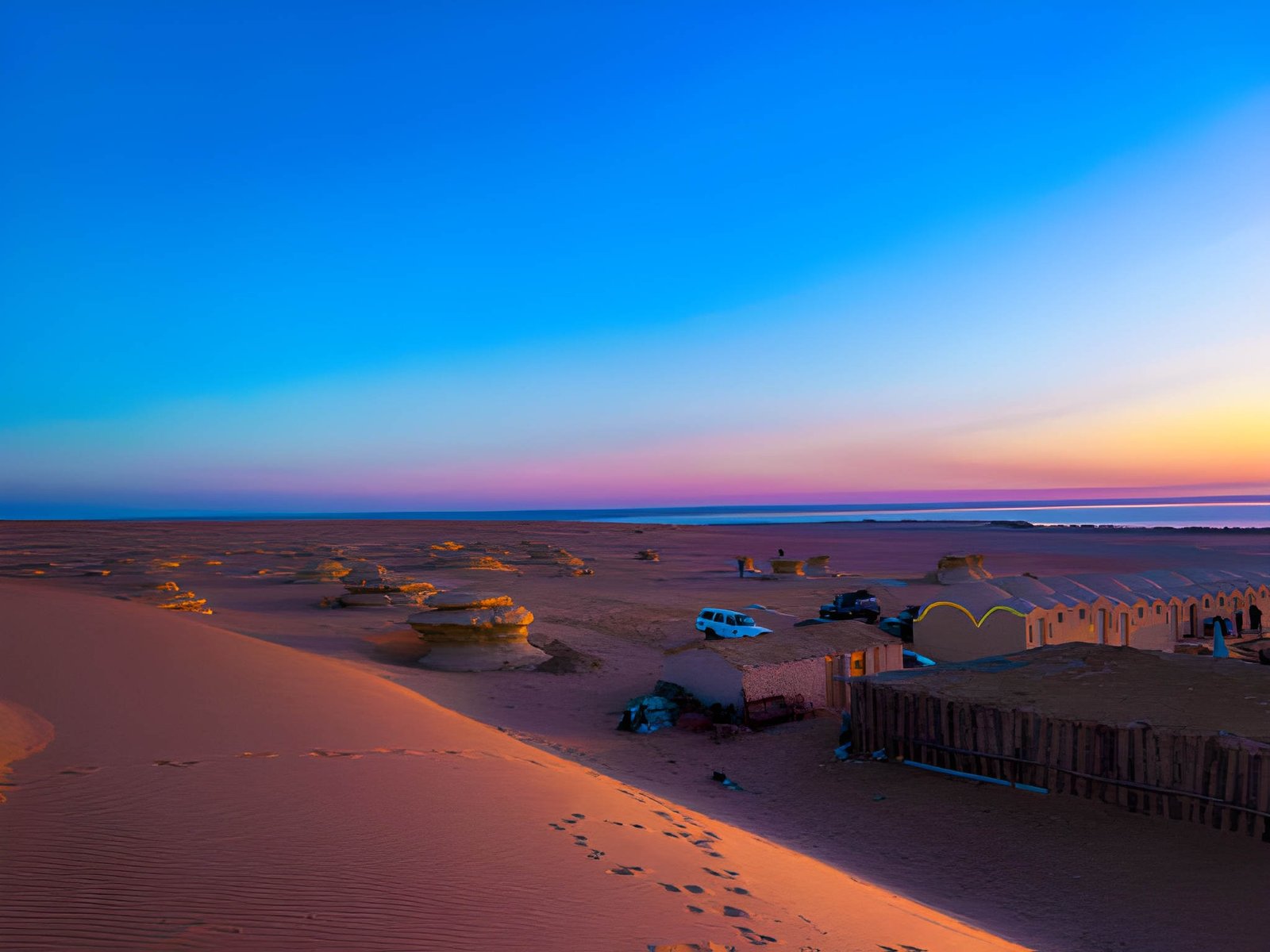
The landscape is a photographer’s dream. From the vast expanse of Qarun Lake, shimmering under the desert sun, to the mesmerizing dunes of Wadi El Rayan and Wadi Al Hitan, every turn unveils breathtaking contrasts. The oasis is flanked by rugged limestone cliffs that mirror the sky’s colors at dusk, while palm groves and small farms stitch the valley into a tapestry of green. The ecosystem supports a surprising variety of birds, including flamingos, herons, and migratory species — making it a birdwatcher’s paradise. Visitors often combine a desert safari in Fayoum with adventures into the Western Desert in Egypt to experience the sheer natural diversity of the region.
Exploring the History Behind Egypt’s Oldest Oasis
The historical depth of Fayoum is staggering. It was among the earliest centers of Egyptian settlement, dating back over 4,000 years. During the reign of Pharaoh Amenemhat III of the 12th Dynasty, Fayoum became a royal project of agricultural expansion and engineering prowess. The ancient city of Shedet, later known to the Greeks as Crocodilopolis, worshiped the sacred crocodile god, Sobek — a symbol of fertility and strength representing the lifeblood that the Nile brought to the oasis.
Archaeological remains in Fayoum unravel tales of the ancient world’s first irrigation systems, granaries, and temples dedicated to deities who safeguarded harvests. The Qasr Qarun Temple, dating to the Ptolemaic period, still stands as a majestic reminder of Fayoum’s spiritual significance. Surrounding it are villages that preserve ancient crafts, while nearby ruins echo with whispers of once-thriving settlements. Historical explorers once called Fayoum “Egypt’s Garden” — a fitting tribute to its enduring vitality.
Natural Marvels: Lakes, Waterfalls, and Protected Areas
Nature undoubtedly steals the spotlight in Fayoum. Wadi El Rayan stands out as a haven for travelers seeking adventure and tranquility alike. The twin lakes of Wadi El Rayan, connected by Egypt’s only natural waterfalls, present a surreal sight amid desert expanses. The waterfalls cascade between cliffs, drawing visitors to kayak, photograph, or picnic by the water’s edge.
Nearby, Wadi Al Hitan — the famous Valley of the Whales — holds UNESCO World Heritage status thanks to its astonishing fossil deposits. Here, visitors can witness ancient whale skeletons embedded in the sand, a fossilized memory of when this desert was once an ocean millions of years ago. Ecotourists often venture through these sites via desert safaris or guided treks to grasp the magnitude of nature’s evolution. The fusion of geological wonder and historical relevance makes Fayoum a living museum of natural history.
Tunis Village and the Artistic Soul of Fayoum
Tucked along the banks of Lake Qarun, Tunis Village Faiyum epitomizes the cultural heart of the oasis. This bohemian paradise gained fame for its distinctive pottery art and folkloric spirit. Founded by a group of artists in the mid-20th century, Tunis began its modern transformation when Swiss artist Evelyne Porret opened a pottery school that inspired local artisans. Today, the village pulses with colorful workshops, cozy guesthouses, and art studios that welcome travelers eager to experience Fayoum’s creative side.
The annual pottery festival attracts both locals and international visitors who come to learn, buy, and celebrate craftsmanship. The surrounding landscapes — framed by palms, mountains, and serene sunsets over the lake — make Tunis Village an emblem of community-driven sustainability. Visitors often extend their stay in one of the charming eco-lodges, immersing themselves in local life, savoring traditional cuisine, and even learning the delicate craft of pottery-making.
Adventure and Outdoor Experiences in Fayoum Oasis
With rolling dunes, lakes, and desert tracks, Fayoum is a dream come true for adventure lovers. Off-road excursions through the desert reveal hidden treasures — from fossilized beds and rock formations to vast plateaus that seem endless under golden sunshine. Sandboarding down the dunes of Qatrani and bird-watching near Lake Qarun make each day a new thrill. Many tourists combine Fayoum exploration with Black and White Desert Egypt Tour adventures, giving them a broader taste of Egypt’s desert magnificence.
Other popular outdoor pursuits include horseback riding through palm groves, cycling trails winding along the canals, and stargazing in the quiet desert nights. For photographers, Fayoum’s scenery is nothing short of mesmerizing — pink skies mirrored in still lakes, dunes sculpted by wind, and villages glowing with evening lamps. These experiences prove that Fayoum’s charm lies not only in where it has been but also in what it offers today — a tapestry of life, culture, and raw beauty untamed by modern chaos.
Culture, Cuisine, and Community Connections
Fayoum’s culture blends ancient Egyptian roots with Nubian and Bedouin influences. The region’s cuisine relies on hearty village recipes featuring locally grown produce, fresh fish from Lake Qarun, and rich stews seasoned with herbs from nearby farms. Travelers are often welcomed into homes for traditional meals, allowing them to savor dishes passed through generations. Delicacies come alive with flavors that echo Egypt’s culinary soul, much like those celebrated in Discover the top 10 traditional Egyptian dishes.
The people of Fayoum are known for hospitality and craftsmanship. Their handmade textiles, baskets, and ceramic goods carry not only tangible beauty but also stories of a community deeply connected to the land. The region is dotted with small museums and cultural centers showcasing artifacts, preserving artwork, and educating visitors about Fayoum’s enduring legacy.
How to Reach and When to Visit Fayoum Oasis
Fayoum lies around 90 minutes from Cairo, making it an ideal destination for a scenic day trip or a multi-day retreat. Private vehicles or organized Egypt Day Tours provide comfortable options for travelers eager to explore its marvels. The best time to visit Fayoum Oasis is between October and April when temperatures are mild, ideal for outdoor exploration and desert camping. Spring transforms the oasis into a lush paradise of wildflowers and green fields, while winter skies offer perfect stargazing conditions away from city lights.
Visitors planning extended itineraries can easily link Fayoum adventures with luxurious Nile cruises such as the Luxury Dahabiya Nile Cruise for an elegant contrast between the river and desert. Every season casts Fayoum in new light, ensuring unforgettable experiences each time you return.
Top Travel Tips for a Memorable Fayoum Experience
To get the most out of your trip, travel with experienced local guides who understand the terrain and heritage. Respect the environment — particularly in protected areas like Wadi Al Hitan — to help preserve fossil sites for future generations. Carry plenty of water, sunscreen, and lightweight clothing. Support community artisans by purchasing locally made crafts or staying in eco-lodges that reinvest in the village economy. If you crave deeper insight into exploring responsibly in Egypt, check Egypt Travel Tips.
A two- or three-day itinerary offers a balanced mix of adventure, relaxation, and cultural discovery. Whether you’re gliding over sand dunes or wandering through the mosaic of villages, Fayoum reminds every traveler that beauty lies in simplicity and authenticity. For tailored itineraries, you can consult Travme Tours, experts known for curating experiences that blend comfort with cultural immersion.
FAQs about Fayoum Oasis
What is the Fayoum Oasis famous for?
Fayoum Oasis is celebrated for its natural wonders like Lake Qarun, Wadi El Rayan waterfalls, and the UNESCO-listed Wadi Al Hitan. It’s also known for its ancient temples, fertile farmlands, and vibrant artistic village, Tunis Village — all offering a blend of history, art, and ecology.
Is Fayoum Oasis worth visiting for tourists exploring Egypt?
Absolutely! Fayoum offers travelers a glimpse of authentic Egyptian life away from typical tourist crowds. It’s perfect for those who want adventure, culture, and nature wrapped into one unforgettable trip. It complements visits to the Pyramids of Giza or other major sites, enriching any Egypt itinerary.
How can travelers reach Fayoum Oasis from Cairo?
Travelers can reach Fayoum by car, bus, or guided tours. The journey typically takes 1.5 to 2 hours from Cairo. Many luxurious and adventure-focused travel providers include Fayoum excursions in their itineraries, making access easy and comfortable.
What are the best things to do in Fayoum Oasis?
Top activities include visiting Wadi El Rayan waterfalls, exploring Wadi Al Hitan fossils, boating on Lake Qarun, attending pottery workshops in Tunis Village, and embarking on desert safaris. Nature lovers can also enjoy bird-watching and stargazing in calm desert nights.
When is the best time to visit Fayoum Oasis?
The best time to explore the Fayoum Oasis is from October to April when the weather is pleasant. Summer months can get quite hot, though early mornings or evenings remain enjoyable for short excursions. Planning during the winter ensures the most comfortable exploration experience.

Comment (0)