

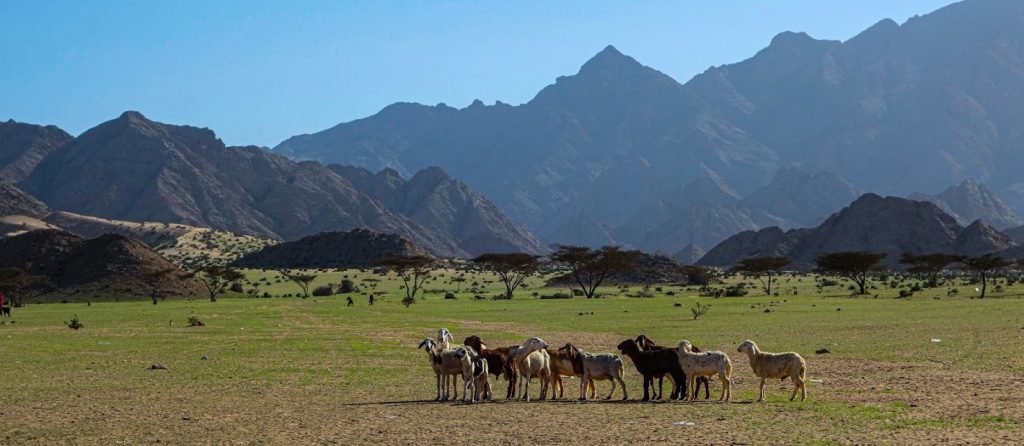
Gebel Elba National Park: Egypt’s Untamed Frontier of Life and Legend
Hidden in the southeastern corner of Egypt’s Red Sea region, Gebel Elba National Park stands as an untouched natural masterpiece bursting with life, history, and mystery. Stretching across 35,600 square kilometers, this biodiverse haven near the Sudanese border is one of Egypt’s least explored yet most ecologically diverse destinations. Known for its granite mountains, fog-swathed peaks, and thriving wildlife, Gebel Elba National Park paints a vivid picture of Africa meeting Arabia in one dramatic landscape. For eco-travelers, nature lovers, and historians, a journey into this isolated region promises a world where ancient landscapes and living cultures intertwine. Eco Tours in Egypt often highlight this national treasure as a must-see for adventurers craving an authentic encounter with Egypt’s wild side.
The allure of Gebel Elba goes beyond its breathtaking landscapes. It’s one of Egypt’s few places that truly encapsulate the harmony between mountains, deserts, and coasts. Its fog-capturing mountain creates a rare microclimate, fostering lush vegetation unknown elsewhere in the region. From acacia groves to coral reefs, Gebel Elba offers an extraordinary cross-section of ecological wonders. This protected reserve is also a sanctuary for the Bisharin tribes who’ve lived in tune with nature for centuries, adding rich cultural layers to its ecological and geological marvels. Understanding Gebel Elba National Park is like decoding Egypt’s forgotten wilderness—a land where life thrives against all odds, where heritage merges with habitat, and where mystery still whispers through every breeze.
The Geographic Majesty and Terrain of Gebel Elba
Positioned in Egypt’s far southeast, Gebel Elba rises dramatically to about 1,438 meters above sea level near the Red Sea coast. The park’s defining feature is Mount Elba itself—its mist-capturing summit acts like a natural condenser, generating moisture that nurtures life in an arid region. The name “Elba” comes from local Beja tribes meaning “mountain of abundance,” and true to its name, it supports over 450 species of flora. Its ecosystem stands in sharp contrast to the surrounding desert expanses that make up most of Egypt.
Gebel Elba is composed primarily of Precambrian granite, sculpted by time and wind, resulting in a landscape of rugged ridges, wadis, and sweeping plains. Wadis such as Wadi Diib and Wadi Kansis run like veins through this wild terrain, acting as lifelines for plants and animals alike. The area’s proximity to the Egyptian Red Sea amplifies its ecological diversity—marine and terrestrial ecosystems coexist seamlessly here. The terrain transitions from coral-laden coastlines to misty mountain slopes, creating a stunning visual and climatic mosaic rarely seen in the Middle East.
Climate and Ecology: A Hidden Rainforest in the Desert
Thanks to the moist winds from the Red Sea, Gebel Elba’s microclimate defies typical expectations of Egyptian weather. While most of Egypt reels under scorching desert heat, this park bathes in humidity and occasional rainfall. The mountain acts as a sponge, trapping fog and channeling water through underground aquifers. As a result, Gebel Elba hosts a rare form of tropical vegetation unseen elsewhere in North Africa. Visitors might mistake it for a hidden forest rising from the desert floor.
Botanists have long marveled at the park’s endemic plant species, including wild figs, acacias, and date palms thriving alongside medicinal herbs. The biodiversity here underscores why national preservation is paramount. Those studying Egypt’s environmental spectrum often compare Gebel Elba’s ecosystem with other national protected zones like Wadi El Gemal National Park.
Fauna of Gebel Elba: A Showcase of Biodiversity
The fauna of Gebel Elba National Park remains one of its greatest treasures. It’s home to gazelles, Barbary sheep, Nubian ibexes, and even the elusive caracal, which prowls the rugged cliffs. Bird enthusiasts are drawn to its rich avifauna—Egypt’s southernmost landscapes serve as migratory stopovers for hundreds of bird species including the Lappet-faced vulture, Arabian babbler, and Verreaux’s eagle.
Reptiles and amphibians also thrive in surprising numbers, while along the coast, coral reefs brim with marine life. Snorkelers and divers exploring nearby waters find a vibrant underwater world teeming with parrotfish, rays, and dolphins. For wildlife photographers, Gebel Elba remains one of Egypt’s last frontiers of true wilderness.
Cultural Heritage and the Bisharin Tribes
The indigenous Bisharin and Ababda tribes have inhabited Gebel Elba’s valleys and slopes for centuries. These nomadic groups have evolved an intimate relationship with the land, practicing sustainable herding, and using age-old herbal knowledge handed down through generations. Their huts dot the wadis, blending seamlessly with nature’s palette. To visit Gebel Elba is to witness a living museum of African-Arabian cultural fusion—an echo of ancient paths where trade caravans once carried frankincense and gold toward the Nile.
Visitors can engage with local communities who interpret the mountain with deep spiritual reverence. Sacred peaks and springs serve as gathering places for rituals and folklore. Within this culture, Gebel Elba isn’t just a natural site—it’s a spiritual compass guiding their rhythm of life, much like ancient Egyptians revered nature’s divine forces. Interacting respectfully with these tribes gives travelers insight into how mankind can coexist with fragile ecosystems without exploitation, echoing lessons found in Egyptian culture today.
Flora of Gebel Elba: A Botanical Wonderland
The mountain’s slopes are blanketed with vegetation that thrives in the moisture-laden air. Scientists have counted over 458 plant species, including endemic varieties such as Acacia tortilis and Commiphora myrrha. These plants serve not only as a lush ecosystem but also as lifelines for tribal communities who rely on them for shelter, food, and medicine. Palm groves and wild baobabs represent Africa’s touch, while acacias symbolize Arabia’s resilience.
Herbal medicine remains a vital cultural element among local tribes, using plants for healing respiratory and digestive conditions. The medicinal knowledge preserved here draws researchers and ethnobotanists from around the world, similar in intrigue to how historians study plants depicted in ancient Egyptian papyrus art.
Conservation Efforts and Environmental Challenges
Despite its isolated location, Gebel Elba faces ecological threats linked to climate change, poaching, and unsustainable grazing. The Egyptian government, with the support of environmental NGOs, declared it a protected area in 1986 to safeguard this unique biosphere. Yet its remoteness remains both a blessing and a challenge—helping preserve its untouched majesty while making conservation logistics formidable.
Programs have been initiated to document its endemic wildlife, train local tribes in sustainable practices, and encourage eco-adventure tours that respect the land. Future strategies aim to enhance research facilities and support community-led initiatives ensuring that Gebel Elba continues to thrive as Egypt’s living natural gem.
Adventure Tourism: Exploring Gebel Elba Safely
For intrepid travelers, exploring Gebel Elba National Park means embarking on a rare expedition through one of Egypt’s most pristine landscapes. Hiking through misted trails, photographing wildlife, and camping under starlit skies deliver unforgettable moments. Given its remote terrain, visitors often book specialized trips through operators known for their environmental mindfulness, like Travme Tours, ensuring safety and sustainability throughout the journey.
Seasoned adventurers often combine visits to Gebel Elba with excursions to the White Desert Egypt or the Western Desert in Egypt to experience different sides of Egypt’s natural diversity. Each region tells its own geological story, but Gebel Elba remains unmatched in its blend of mountains and sea, aridity and greenery, wilderness and wisdom.
Best Time to Visit Gebel Elba National Park
The climate remains moderate from November through March, making this the ideal window for exploration. During these months, cooler temperatures and light fog enhance the lushness of the terrain and visibility for wildlife spotting. Travelers are encouraged to contact reliable tour operators and review Egypt travel tips before venturing into remote regions like Gebel Elba. Summer heat can be intense, especially along coastal plains, though the elevated mountain slopes retain a pleasant coolness due to condensed humidity.
How to Reach Gebel Elba and Essential Travel Tips
Reaching Gebel Elba requires careful planning since it lies roughly 1,200 kilometers southeast of Cairo. The nearest urban hub is Marsa Alam or Shalateen, reachable by road from the Red Sea highway. Visitors must secure official permits through the Egyptian Environmental Affairs Agency before entry. Due to military zones near the Sudanese border, guided tours remain the safest and most practical option. Reputable tour planners such as those featured in Best Egypt Travel Packages offer curated itineraries including logistical support, transportation, and expert eco-guides familiar with the terrain and local customs.
Why Gebel Elba National Park Deserves Global Recognition
In the grand scope of Egyptian tourism, Gebel Elba is often overshadowed by monumental sites like the Pyramids of Giza or the majestic Abu Simbel Temples in Aswan. Yet few realize that Egypt’s natural wonders rival its human-made marvels. Gebel Elba National Park reflects the country’s commitment to conservation and offers a refreshing narrative beyond history—one where nature tells her own tale of endurance and evolution. Its pristine seclusion makes it an essential destination for those seeking authenticity away from crowds, proving why eco-tourism is gaining momentum as travelers yearn for meaningful, sustainable experiences.
Frequently Asked Questions about Gebel Elba National Park
1. Where is Gebel Elba National Park located?
Gebel Elba National Park lies in the Halayeb Triangle region near Egypt’s southeastern border with Sudan, along the Red Sea coast. The park spans approximately 35,600 square kilometers, encompassing mountain ranges, coastal zones, and desert plains.
2. What makes Gebel Elba unique compared to other Egyptian parks?
Unlike Egypt’s arid deserts, Gebel Elba’s unique fog-capture system creates a lush microclimate supporting tropical vegetation and rare wildlife. It serves as Egypt’s only cloud-forest region where African and Arabian species coexist harmoniously.
3. Can tourists visit Gebel Elba without a permit?
No, visitors must obtain official permits from the Egyptian Environmental Affairs Agency. Due to its proximity to a sensitive border area, entry is regulated. Authorized tours manage all permissions for safety and compliance.
4. What kind of wildlife inhabits the park?
The park shelters gazelles, Nubian ibex, caracals, flamingos, and hundreds of migratory birds. Coral reefs along the coastal stretch teem with dolphins, rays, and exotic fish species, reinforcing its value as a biodiversity hotspot.
5. What’s the best way to explore Gebel Elba responsibly?
Travel with licensed eco-tourism companies promoting minimal-impact exploration and community support. Hiring local guides, following conservation rules, and respecting tribal boundaries ensure both a memorable and ethical journey through this Egyptian treasure.

Comment (0)