

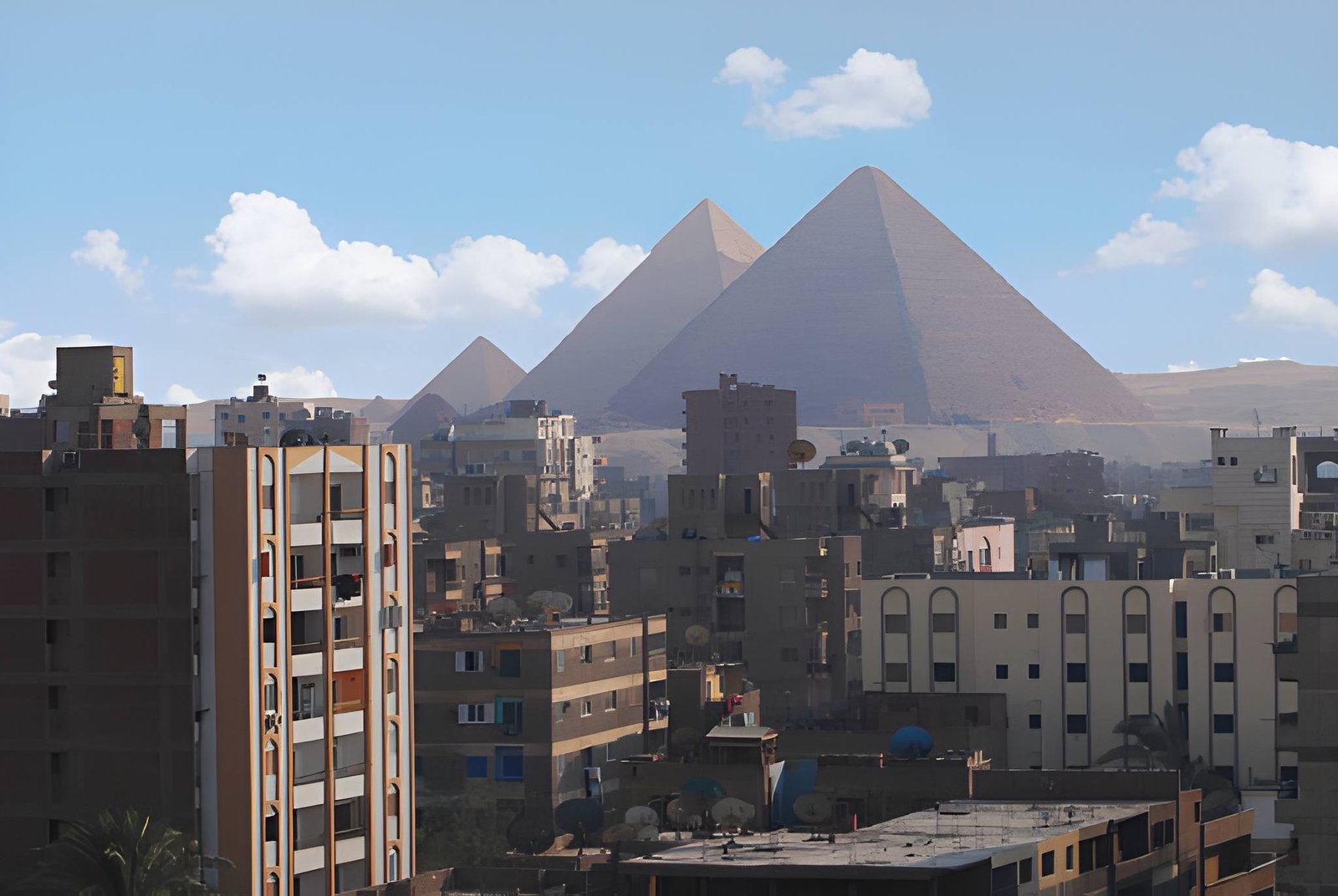
Giza City: The Gem of Ancient Civilization and Modern Egypt
Giza City stands as one of the most mesmerizing corners of Egypt, brimming with the echoes of pharaohs, the majesty of pyramids, and the rhythm of local life. Perched on the western bank of the Nile River and just a stone’s throw from Cairo, this remarkable city has been captivating travelers, historians, and adventurers for millennia. A blend of ancient mystery and modern vibrancy, Giza is far more than the home of its legendary pyramids—it’s a dynamic district that fuses culture, industry, and heritage into an unmatched experience. From the majestic Great Pyramid to the serene sunset views over the desert, Giza paints a vivid portrait of Egypt’s enduring charm and timeless allure.
Giza City’s appeal lies not only in its monumental landmarks but in its living tapestry of tradition and progress. With bustling neighborhoods, local crafts, authentic cuisines, and a growing urban infrastructure, the city has evolved into a hub where past and present intersect seamlessly. It’s no wonder that travelers who book Best Egypt Travel Packages often place Giza City at the top of their itinerary. As you journey through its timeless sands, you’ll encounter an open-air museum that narrates humanity’s earliest chapters while embracing the innovation of modern Egypt. Let’s dive into the fascinating history, culture, and hidden gems that make Giza City a once-in-a-lifetime destination.
The Timeless History of Giza City: Where Pharaohs Built Eternity
Giza’s history whispers through every block of stone and grain of sand. Founded during Egypt’s Old Kingdom, Giza became the royal necropolis for iconic rulers like Khufu, Khafre, and Menkaure. These pharaohs envisioned eternal greatness, commissioning the legendary pyramids that continue to baffle engineers and historians alike. The Pyramids of Giza stand as the epitome of ancient architectural mastery, rising against the desert horizon as unwavering symbols of human ingenuity.
At the foot of the Great Pyramid lies the unblinking gaze of the Sphinx Statue, guarding the sacred plateau for more than 4,500 years. Beneath its colossal paws and stoic face lies the spirit of ancient Egypt—mystical, resilient, and proud. Wandering through Giza’s pyramid complex feels like stepping into eternity, where the air hums with legends of the gods, royal ambitions, and the journey to the afterlife. This city, once the center of pharaonic power, became the birthplace of wonders that remain unmatched in scale and mystery.
Giza Plateau and Its Archaeological Treasures
The Giza Plateau is more than a sight to behold; it’s a living classroom of ancient Egyptian civilization. Within its precincts, archaeologists have uncovered a network of workers’ villages, ceremonial temples, and ancient roads connecting sacred sites. The Grand Egyptian Museum, located nearby, is designed to showcase these remarkable finds, offering visitors an unrivaled journey through Egypt’s golden era.
Each structure on the plateau reveals insights into ancient life, religion, and artistry. The Valley Temple of Khafre, for example, shows mastery in limestone and granite construction, while the solar boats—discovered near Khufu’s pyramid—illustrate the deep spiritual symbolism attached to death and resurrection. These discoveries make Giza an archaeological paradise, where history unfolds layer by layer.
Modern Giza City: A Bridge Between Past and Present
Walk beyond the ancient necropolis, and you’ll encounter the thriving heartbeat of contemporary Giza City. With lively districts, authentic markets, and mouthwatering cuisine, this city isn’t merely a relic of the past—it’s a pulsating hub of Egyptian culture and hospitality. Travelers looking for a deeper cultural dive often explore Khan El-Khalili Bazaar or experience local crafts inspired by centuries of artistry.
From boutique hotels to modern university campuses, Giza’s landscape continues to evolve while honoring its heritage. It’s common for visitors on Egypt Day Tours to spend mornings exploring pyramids and evenings enjoying rooftop cafés that overlook the same desert where kings once reigned. This city perfectly balances nostalgia and novelty, giving travelers the best of both worlds—ancient majesty and modern comfort.
The Culture and People of Giza City
Giza’s residents embody Egypt’s warm spirit, generosity, and pride. Daily life unfolds in a rhythm that blends modern aspirations with old-world values. Traditional craftspeople, street vendors, and musicians reflect a way of life rooted in connection and community. The cultural scene thrives with festivals, art galleries, and music echoing from coffee shops and venues, often intertwining folklore and modern innovation.
Visitors curious about authentic Egyptian traditions can learn more through guides like An Insider’s Guide to Egyptian Culture. Festivals celebrating harvests, religious dates, or national holidays light up Giza’s streets with joy and color. Food enthusiasts are equally spoiled—street vendors serve classics such as koshari and falafel, while fine-dining establishments offer elegant takes on traditional dishes.
Iconic Attractions and Experiences in Giza
While the pyramids steal the spotlight, Giza offers countless other attractions worth exploring. Beyond the Great Pyramid, the city is home to hidden gems like the ancient necropolises of Dahshur and Saqqara. The Saqqara Pyramids reveal earlier stages of pyramid construction, showcasing the ingenuity that paved the way for Giza’s grand monuments. A stop at Dahshur’s Bent Pyramid or Red Pyramid provides a fascinating glimpse into the evolution of ancient architecture.
Nature lovers will adore day trips to the nearby desert landscapes and oasis sites, easily arranged through Top Day Trips from Cairo. Whether it’s camel riding at sunset, exploring local villages, or sailing in a felucca on the Nile, Giza keeps adventurers enchanted at every turn.
Food, Souks, and Local Delights
Taste buds come alive in Giza. The city’s culinary offerings merge flavors from its storied history with modern twists. You can sample beloved Egyptian fare highlighted in guides like Discover the Top 10 Traditional Egyptian Dishes. Local markets brim with handmade souvenirs, papyrus art, perfumes, and spices. Bargaining here is an art form—one that reveals not just economic transactions but social connections rooted in laughter and conversation. Shopping in Giza is more than a transaction; it’s an immersion into Egyptian hospitality and flair.
The Nile and Desert Surroundings of Giza
The scenic contrast between fertile Nile valleys and golden desert dunes makes Giza uniquely enchanting. Many visitors enjoy river excursions like the Best Nile River Cruises, where ancient and modern landscapes merge in breathtaking harmony. From the water, you observe how the desert’s timeless calm meets the city’s vibrant pulse, creating a panorama that perfectly encapsulates Egypt’s dual identity.
A Journey Beyond Giza City
Giza serves as a central gateway to many of Egypt’s greatest treasures. Excursions southward may lead travelers toward Luxor’s majestic temples or Aswan’s serene beauty. For anyone planning a broader exploration, packages like the 8 Day Cairo and Nile Cruise Tour ensure seamless travel between iconic destinations while enriching the experience with guided storytelling and local adventure.
Travel Tips for Visiting Giza City
Timing your visit is crucial for maximizing the experience. The cooler months, typically from October to April, offer the most comfortable weather for extensive exploration. Travelers can consult guides like When Is the Best Time to Visit Egypt? to plan their journey effectively. Early mornings or late afternoons are perfect for viewing the pyramids, especially as the desert sun paints golden hues across the limestone façade.
Respect for local customs goes a long way—dress modestly, greet others politely, and consider tipping as a way to show appreciation. For insights into respectful traveling, refer to resources like Egypt Travel Etiquette. With a little understanding and preparation, your experience in Giza will flow as smoothly as the Nile itself.
Frequently Asked Questions About Giza City
1. Where is Giza City located?
Giza City is situated on the west bank of the Nile River, directly across from Cairo. It’s part of the Greater Cairo metropolitan area and easily accessible from the Egyptian capital. Its strategic location makes it an ideal starting point for exploring both historical landmarks and contemporary Egyptian life.
2. What are the main attractions in Giza City?
The main attractions include the Great Pyramid of Khufu, the Pyramid of Khafre, the Pyramid of Menkaure, and the Great Sphinx. Additionally, the Grand Egyptian Museum is a must-visit, along with other nearby necropolises like Saqqara and Dahshur.
3. Is Giza City safe for travelers?
Yes, Giza City is generally safe for tourists. The local authorities prioritize visitor safety, especially around the major archaeological zones. For additional assurance, travelers can review detailed resources such as Egypt Travel Safety for up-to-date information and precautions.
4. How many days should I spend in Giza City?
Ideally, spending two to three days allows enough time to explore the main attractions, enjoy local experiences, and relax by the Nile. Comprehensive guides like How Many Days in Egypt can help you plan your perfect itinerary across Giza and beyond.
5. What’s the best way to experience Giza’s ancient wonders?
The best way to experience Giza’s ancient heritage is through guided tours that offer historical context and cultural depth. Consider combining your Giza adventure with a Nile cruise for a complete Egyptian journey, like the Best Luxury Nile River Cruise, which pairs the majesty of the pyramids with the splendor of the river temples.
Giza City’s legacy transcends time—it’s a living chapter of human civilization that continues to awe every visitor. Whether you’re captivated by its colossal pyramids or charmed by its local life, Giza embodies the very essence of Egypt: eternal, enigmatic, and ever-inviting. So pack your curiosity and allow this ancient yet modern city to redefine how you see history come alive.

Comment (0)