

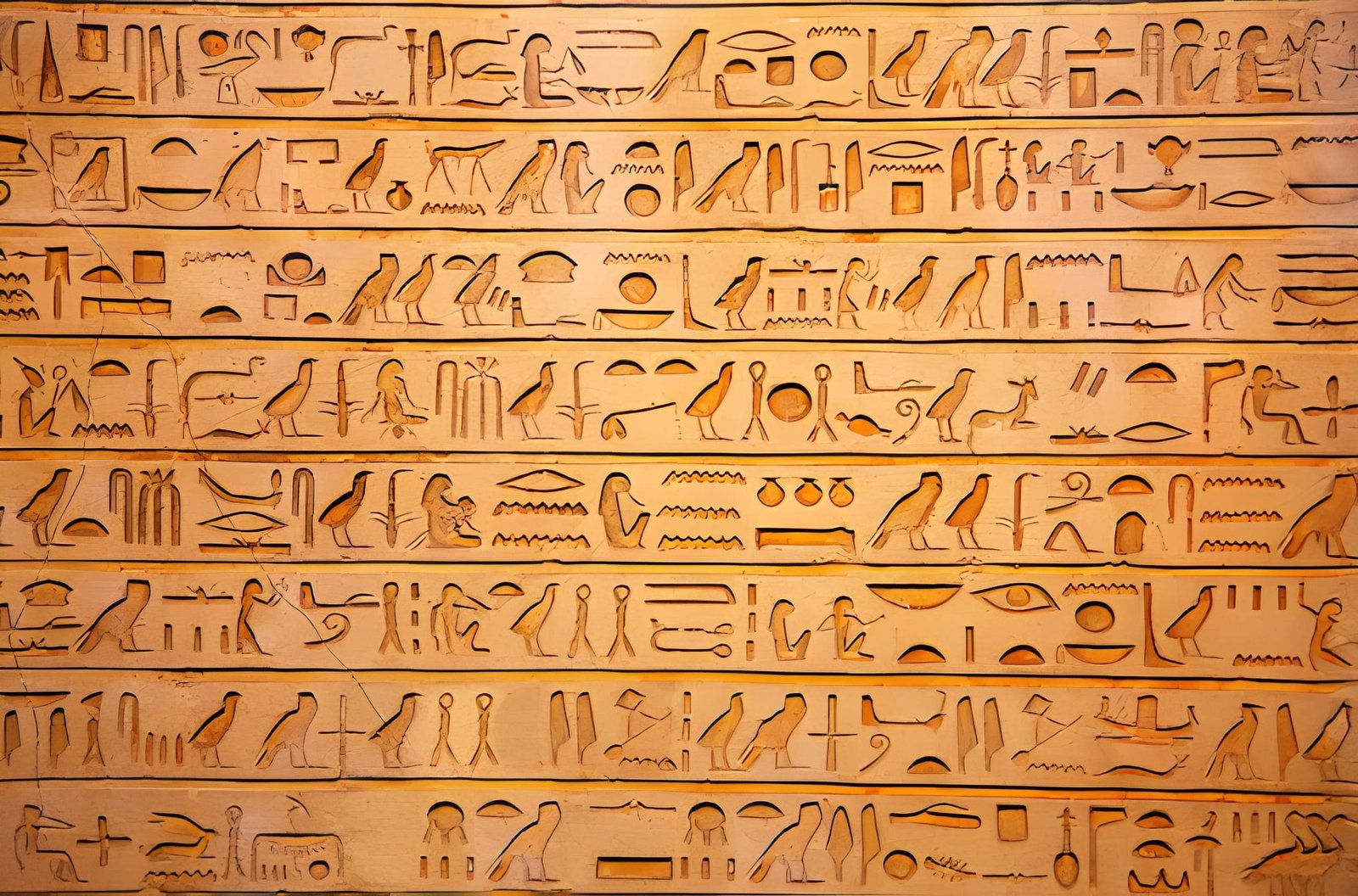
Hieroglyphics vs Petroglyph: The Ancient Languages of Stone
Across the sands of time, humans have always sought to communicate—before ink, paper, or printing presses ever existed. Two of the most fascinating forms of ancient expression are hieroglyphics and petroglyphs. Both carved their way into history, quite literally, yet they differ profoundly in their purpose, technique, and cultural significance. Exploring hieroglyphics vs petroglyph reveals not only how ancient civilizations recorded their stories but also how art, spirituality, and identity were etched into the very stones that still whisper to us today. From the sacred symbols along the Nile to the mysterious rock carvings scattered across deserts and caves, these legacies remain timeless testaments to human creativity. Whether you’re wandering through the Pyramids of Giza or admiring the carvings in the canyons of the Western Desert, both art forms tell tales of human ingenuity and desire to endure.
Understanding the battle between hieroglyphics vs petroglyph helps bridge the gap between language and art, bringing to light how early societies turned symbols into communication. Hieroglyphics, a structured and sacred script, became the language of gods and kings in ancient Egypt. Petroglyphs, on the other hand, were more primal—universal marks of human presence, scattered across continents long before formal writing systems emerged. This comparison takes us on a journey through time, from the cryptic tombs of Pharaohs to the rugged rock shelters of prehistoric hunters. It’s a story not just about writing on stone, but of humanity’s first attempts to leave behind a voice that would echo through eternity.
The Birth of Hieroglyphics: Egypt’s Sacred Script
Hieroglyphics were more than just symbols—they were the lifeblood of ancient Egyptian civilization, used to immortalize everything from royal decrees to spiritual beliefs. Emerging around 3100 BCE, hieroglyphics combined artistry and language in a way that’s both beautiful and functional. The term itself, derived from Greek, means ‘sacred carvings,’ a fitting description considering that these intricate symbols often adorned tombs, temples, and monuments. The Egyptian Museum in Cairo holds countless examples of these carvings that continue to awe historians and linguists alike.
Each hieroglyph carried meaning—whether phonetic, symbolic, or ideographic. The Egyptians believed writing was a divine invention bestowed by Thoth, the god of wisdom. Hieroglyphics served not only as communication but also as a spiritual bridge between the mortal world and the divine. Inscribed on papyrus scrolls, temple walls, and statues, these symbols chronicled dynasties, victories, and cosmic beliefs. Deciphering hieroglyphics was once a mystery until the Rosetta Stone provided the linguistic key that unlocked this ancient code, connecting modern scholars with voices from millennia past. Today, visitors marvel at inscriptions on structures like the Abu Simbel Temples and The Karnak Temple, where hieroglyphs still gleam under Egypt’s golden sun.
The Artistic and Linguistic Structure of Hieroglyphics
Unlike alphabets, hieroglyphics combined images of animals, objects, and human figures to represent words and sounds. There were over 700 distinct characters, each carrying layered meaning. For example, an owl could symbolize both the sound ‘m’ and wisdom. This dual nature blurred the lines between art and writing, making hieroglyphics a unique linguistic masterpiece. Scribes who mastered this craft were revered in society, often serving in temples or royal courts. Their work preserved the legacy of countless Pharaohs, like those whose tombs line the Valley of the Kings.
Petroglyphs: Humanity’s First Canvas of Communication
Petroglyphs, in contrast, are among the earliest known forms of human expression, dating back tens of thousands of years. Found across continents—from the Sahara’s rocky plateaus to North America’s desert canyons—these carvings capture the raw visual language of early mankind. Derived from the Greek words ‘petra’ (rock) and ‘glyphein’ (to carve), petroglyphs served as both messages and monuments. They represent human attempts to communicate hunting rituals, spiritual beliefs, and cosmic events long before alphabets existed. The Western Desert in Egypt is home to remarkable prehistoric carvings that reveal scenes of ancient wildlife and nomadic life, offering glimpses into the dawn of civilization.
Unlike hieroglyphics, petroglyphs weren’t part of an organized writing system. They were visual narratives—etched, pecked, or scratched into rock surfaces using stone tools. Their simplicity hid profound meaning, capturing emotional, spiritual, and cultural elements. Many researchers believe these carvings had ceremonial or astronomical significance, serving as primitive calendars or spiritual maps. Through petroglyphs, humanity communicated across generations, leaving behind a timeless record of existence and belief.
Petroglyph Techniques and Tools of Expression
Creating petroglyphs demanded patience and endurance. Early humans used chiseling, abrasion, or pecking techniques to remove rock surfaces and form shapes. Depending on the stone type, creating a single image could take days or even weeks. The effort invested reflects their importance—these were not idle doodles but sacred acts of storytelling. Some carvings depict animals like gazelles and ibexes, while others show human figures performing rituals or hunts. Sites such as Wadi Hammamat and Gilf Kebir stand as open-air galleries of prehistoric art, painting a vivid image of ancient life under Egypt’s sun.
Hieroglyphics vs Petroglyph: Key Differences and Cultural Impact
While both hieroglyphics and petroglyphs share the medium of stone, their purposes diverge. Hieroglyphics evolved as a structured writing system tied to governance, religion, and culture in a specific civilization—ancient Egypt. Petroglyphs, however, were spontaneous and universal, appearing independently across the globe. Hieroglyphics focused on preserving language, while petroglyphs emphasized visual storytelling. The comparison between hieroglyphics vs petroglyph illustrates the evolution from symbolic art to written communication—a monumental leap in humanity’s intellectual development.
Hieroglyphics reflect a society capable of codifying thought, maintaining records, and expressing abstract ideas. Petroglyphs, though simpler, embody the emotional connection between humans and nature. Together, they mark the transition from primal communication to complex language. Exploring both forms is essential to understanding how ancient cultures expressed themselves and passed down stories before the written word took shape.
Cultural Significance Across Time and Geography
In Egypt, hieroglyphs adorned the interiors of temples, tombs, and papyrus scrolls. They were meant to be permanent, preserving the Pharaoh’s journey to the afterlife. Petroglyphs, by contrast, were communal expressions—open to all and etched in the landscapes of daily life. They captured scenes of hunting, migration, and survival. The difference between them is akin to comparing a royal decree to a diary etched by common hands. Both reflect humanity’s desire to communicate, to leave something behind that endures long after physical presence fades.
The Spiritual Dimension of Stone Communication
Hieroglyphics were divine; petroglyphs were primal. Egyptians considered hieroglyphs alive—literally, as they believed carving a symbol invoked its power. Every inscription on temple walls like the Temple of Philae held cosmic purpose, guiding souls and narrating myths of gods. Petroglyphs, on the other hand, represented the voice of tribes and early humans attempting to connect with their environment and ancestors. Whether invoking rain spirits or recording celestial events, both art forms embodied humanity’s quest for meaning beyond the visible world.
The Legacy of Hieroglyphics and Petroglyphs Today
Modern archaeologists and travelers alike continue to be mesmerized by these carvings. Hieroglyphics remain central to Egyptology, offering invaluable insight into social structure, religion, and art. Tourists exploring ancient landmarks, such as the Luxor Temple or Temple of Hatshepsut, often find themselves tracing the same symbols that ancient scribes once chiseled. Petroglyphs, too, draw scholars who decode their patterns to understand prehistoric migration and thought. Each carving, whether a hieroglyph or petroglyph, bridges millennia, connecting the modern world to its ancestral roots.
In the age of digital communication, it’s humbling to realize that our emoji-filled messages trace their lineage back to these ancient symbols. Hieroglyphics vs petroglyph isn’t just a comparison—it’s a continuum of human expression. Every carved line, every etched symbol, tells us that language and art were born together, intertwined eternally on stone.
Preservation Efforts and Modern Discoveries
Preserving sites with hieroglyphics and petroglyphs has become a global priority. Erosion, vandalism, and climate change threaten these irreplaceable artifacts. Egyptian authorities, alongside global conservation bodies, are working tirelessly to protect these carvings. The new discoveries in Egypt continue to unearth previously unknown inscriptions, reshaping our understanding of ancient communication. Meanwhile, in remote deserts and caves worldwide, archaeologists use 3D scanning and digital mapping to record and conserve petroglyphs for future generations.
Conclusion: Stone Stories That Never Fade
Hieroglyphics and petroglyphs both speak of humanity’s insatiable urge to tell stories, to remember, and to be remembered. Though differing in complexity, both represent milestones in our shared heritage. They aren’t just relics; they’re reminders that the power of communication transcends eras. Whether through structured hieroglyphs or spontaneous petroglyphs, our ancestors captured their thoughts in ways that still resonate today. Their marks on stone remain immortally etched into the world’s cultural DNA, linking past and present in one unbroken narrative of creativity and life.
Frequently Asked Questions about Hieroglyphics vs Petroglyph
1. What is the main difference between hieroglyphics and petroglyphs?
Hieroglyphics are a structured writing system developed by ancient Egyptians, combining symbols, sounds, and meanings to record language. Petroglyphs, however, are simple rock carvings or engravings used by prehistoric people worldwide to depict scenes or ideas without a formal alphabet or syntax.
2. Where can you find the best-preserved hieroglyphics in Egypt?
The best-preserved hieroglyphics can be seen in temples and tombs throughout Luxor, Aswan, and Giza. Sites such as the Temple of Seti at Abydos and the Luxor Museum offer stunning examples showcasing the artistry and precision of ancient Egyptian scribes.
3. Are petroglyphs considered an early form of writing?
Petroglyphs aren’t writing in the traditional sense—they lack standardized grammar or phonetics. Instead, they’re symbolic representations or pictorial narratives used for communication, religious rituals, or recording events. They represent humanity’s earliest attempts at visual storytelling.
4. How did hieroglyphics influence modern languages and symbols?
Hieroglyphics influenced the development of early alphabets, including the Phoenician and Greek scripts. Many modern symbols, logos, and even digital emojis echo the visual communication methods pioneered by Egyptian scribes thousands of years ago.
5. What tools were used to create petroglyphs and hieroglyphics?
Petroglyphs were carved using primitive stone tools, hammerstones, and chisels. Hieroglyphics, particularly on temple walls, were carved with copper or bronze chisels by skilled artisans. On papyrus, scribes used reed brushes dipped in ink to write hieroglyphs in exquisite detail.

Comment (0)