

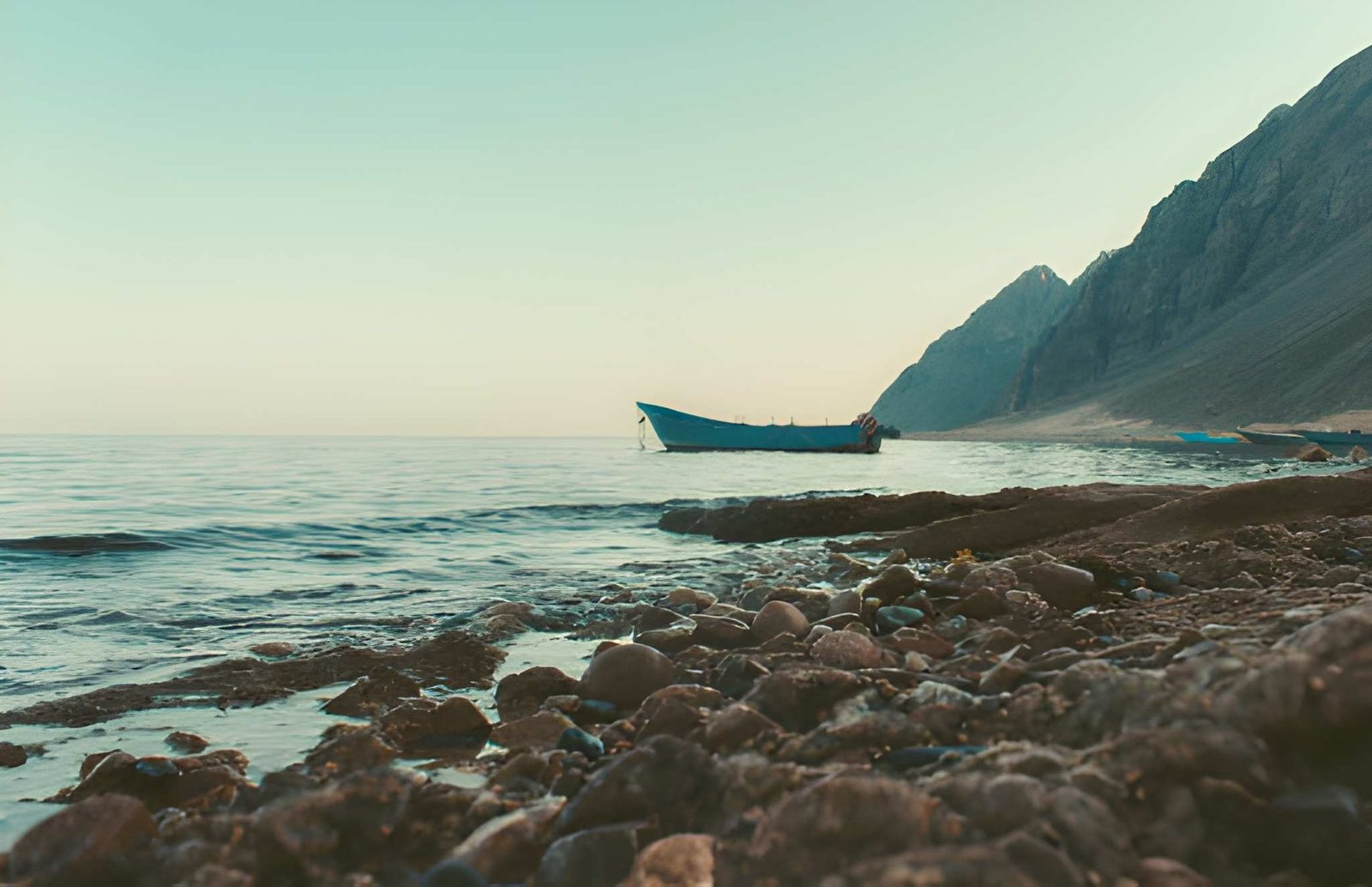
Is the Red Sea Safe for Tourists? A Complete Hurghada & Sharm El Sheikh Safety Guide for Travelers
The question many travelers ask before booking a beach holiday in Egypt is simple: is the Red Sea safe for tourists? With world‑class coral reefs, warm turquoise water, and famous resorts like Hurghada and Sharm El Sheikh, the Red Sea has become one of the most searched beach destinations in the Middle East. Yet safety concerns often pop up online, making travelers pause before planning a Red Sea vacation. Understanding the real situation helps separate facts from exaggerated headlines.
The truth is that the Red Sea tourist corridor—especially Hurghada and Sharm El Sheikh—is one of the most protected and tourism-focused regions in Egypt. Millions of visitors travel to the Red Sea every year for snorkeling, scuba diving, desert safaris, and all‑inclusive resorts. These destinations operate with strong tourism infrastructure, airport security, hotel safety systems, and organized excursions designed specifically for international visitors. When people ask “is the Red Sea safe for tourists,” they’re usually referring to these resort areas rather than the entire region.
Hurghada safety and Sharm El Sheikh safety are priorities for Egypt’s tourism industry. Resorts operate in secure zones with controlled access, tourist police patrol popular areas, and most excursions follow regulated routes. For travelers, that means the typical Red Sea experience involves airport transfers, hotel resorts, organized diving trips, and guided tours—all within a highly monitored tourism environment.
Of course, like any global travel destination, awareness and smart choices matter. Understanding local safety conditions, marine life precautions, and general travel advice makes a Red Sea vacation both enjoyable and stress‑free. Whether you’re planning a luxury resort stay in Sharm El Sheikh or a diving adventure in Hurghada, this guide explains exactly how safe the Red Sea is for tourists and what travelers should know before visiting.
Is the Red Sea Safe for Tourists in 2026? Understanding Real Travel Safety
When travelers research “is the Red Sea safe for tourists,” they’re usually evaluating three main concerns: regional security, resort safety, and ocean safety. In the main Red Sea resort cities—Hurghada and Sharm El Sheikh—tourism security is significantly stronger than many people expect. These areas are designed around international tourism and operate almost like dedicated resort zones.
Hurghada safety is reinforced through airport screening, hotel security checkpoints, and frequent tourist police patrols along beaches and marinas. Sharm El Sheikh safety follows a similar structure, with resort compounds, controlled road access, and organized transportation for excursions. Visitors typically stay in large resorts or tourist districts such as Naama Bay, Shark’s Bay, or Sahl Hasheesh, where tourism services dominate the local economy.
The Red Sea region’s reputation as a global diving hub also adds to safety standards. Dive centers follow international certifications such as PADI and SSI, meaning equipment, guides, and emergency procedures are regulated. For travelers wondering whether the Red Sea is safe for tourists, the short answer is yes—especially within the main resort areas where tourism infrastructure has matured over decades.
Hurghada Safety Guide: What Travelers Should Know Before Visiting
Hurghada sits along Egypt’s mainland Red Sea coast and has evolved from a small fishing village into one of the country’s largest beach destinations. When discussing whether the Red Sea is safe for tourists, Hurghada safety often becomes a major focus because the city hosts thousands of international visitors every week.
The majority of tourists stay in resort areas such as El Gouna, Makadi Bay, Soma Bay, or Sahl Hasheesh. These districts are purpose‑built tourism zones with private beaches, gated resorts, and dedicated security staff. This structure significantly enhances Hurghada safety because most tourist activities happen within managed environments.
Excursions from Hurghada—like snorkeling trips, diving tours, or desert quad safaris—are typically organized through licensed operators. Boats follow coast guard regulations, and guides receive safety training for both marine activities and desert adventures. Travelers asking if the Red Sea is safe for tourists often discover that Hurghada’s tourism system operates much like other global resort destinations such as Cancun or Phuket.
Sharm El Sheikh Safety: Why This Red Sea Resort Is Highly Protected
Sharm El Sheikh safety standards are among the strictest in the region. Located on Egypt’s Sinai Peninsula, Sharm El Sheikh has long been positioned as a high‑security tourism zone. Travelers researching “is the Red Sea safe for tourists” frequently find that Sharm El Sheikh is one of the most heavily monitored resort cities in the Middle East.
Access roads into Sharm El Sheikh include security checkpoints, and resort areas like Naama Bay, Ras Um Sid, and Nabq Bay maintain visible tourism policing. Hotels often screen vehicles at entrances, and organized excursions operate under regulated systems. These measures exist specifically to maintain traveler confidence and ensure Red Sea travel safety.
Beyond security, Sharm El Sheikh is famous for protected marine parks such as Ras Mohammed National Park and the Straits of Tiran. These sites are strictly regulated, which not only protects coral reefs but also ensures diving operations meet international safety standards.
Ocean Safety in the Red Sea: Sharks, Marine Life, and Swimming Risks
Another common concern behind the question “is the Red Sea safe for tourists” relates to marine life. The Red Sea hosts one of the richest coral ecosystems in the world, attracting divers eager to explore vibrant reefs and marine species. While shark encounters occasionally make headlines, incidents remain extremely rare considering the millions of annual swimmers and divers.
Red Sea travel safety guidelines help reduce risks significantly. Resorts usually place lifeguards along swimming areas, and dive operators brief guests on safe reef behavior. Avoiding night swimming, following local advice, and respecting marine wildlife all contribute to a safe experience.
Most visitors spend their time snorkeling over shallow coral gardens where colorful fish, sea turtles, and rays are common sightings. For divers, certified guides lead trips to deeper reefs where larger species appear. Following professional instructions ensures that Red Sea diving remains one of the safest adventure activities in the region.
Political Stability and Tourism Security in the Red Sea Resort Areas
Travelers often worry about regional politics when asking if the Red Sea is safe for tourists. However, Hurghada and Sharm El Sheikh operate far from major political centers and maintain strong government protection because tourism is vital to Egypt’s economy.
The Egyptian government invests heavily in tourism security across the Red Sea coast. Dedicated tourist police units patrol beaches, marinas, and resort districts. Airport screening procedures match international standards, and most hotels implement surveillance and trained security staff.
This layered system makes Hurghada safety and Sharm El Sheikh safety comparable to other global beach destinations. Visitors rarely encounter political demonstrations or instability within the resort zones, as the local economy revolves almost entirely around tourism services.
Smart Travel Tips for Staying Safe in Hurghada and Sharm El Sheikh
Even though the Red Sea is safe for tourists, smart travel habits always improve safety. Staying in reputable resorts, booking tours through licensed operators, and following local advice make a big difference.
Use official taxis or hotel transfers when moving around resort areas. Respect swimming flags and lifeguard instructions on beaches. When snorkeling or diving, avoid touching coral reefs or feeding marine life. Travelers should also carry travel insurance and keep copies of passports when exploring beyond resort zones.
These simple precautions ensure that Red Sea travel safety remains high and allow visitors to focus on what the region offers best—sunshine, coral reefs, desert landscapes, and unforgettable underwater adventures.
Frequently Asked Questions: Red Sea Safety for Tourists
Is the Red Sea safe for tourists right now?
Yes, the Red Sea is generally safe for tourists, especially in resort cities like Hurghada and Sharm El Sheikh. These destinations maintain strong tourism security, organized transportation, and well‑regulated resorts. Millions of international travelers visit the Red Sea each year without safety issues.
Is Hurghada safe for tourists and families?
Hurghada safety levels are considered high within the resort areas. Families frequently visit for beach vacations, snorkeling, and desert tours. Most travelers stay in resort districts with private security, making Hurghada one of Egypt’s most family‑friendly Red Sea destinations.
Is Sharm El Sheikh safer than other Red Sea destinations?
Sharm El Sheikh safety measures are among the strongest in Egypt’s tourism sector. The city has controlled access roads, visible tourist police, and heavily monitored resort zones. These measures make Sharm El Sheikh a popular choice for travelers concerned about Red Sea travel safety.
Are sharks a danger in the Red Sea?
Shark encounters in the Red Sea are extremely rare. Millions of swimmers, snorkelers, and divers enjoy the Red Sea every year without incident. Following local safety instructions, swimming in designated areas, and joining guided diving trips greatly reduce any risk.
What is the safest way to visit the Red Sea?
The safest way to visit the Red Sea is by staying in established resorts in Hurghada or Sharm El Sheikh, booking excursions through licensed operators, and following guidance from hotel staff or tour guides. Organized tours and resort infrastructure make Red Sea tourism safe and convenient for visitors.

Comment (0)