

The Islamic Art Museum Cairo – A Gateway to Egypt’s Glorious Heritage
In the heart of Cairo stands one of the most splendid cultural treasures in the Arab world — the Islamic Art Museum Cairo. This museum is more than a sanctuary for ancient artifacts; it’s a vivid portal that transports visitors through fourteen centuries of Islamic civilization. From intricately designed ceramics and rare Qur’anic manuscripts to exquisite woodwork and metalwork, the museum encapsulates the essence of Islamic Egypt’s artistic evolution. Sitting majestically in Bab Al-Khalq Square, the Islamic Art Museum serves as a timeless testimony to human creativity, faith, and craftsmanship.
The Islamic Art Museum Cairo, also known as the Museum of Islamic Art, is a cornerstone of Egypt’s cultural scene. It’s not just a local attraction but a global institution showcasing how art, religion, and history intertwine beautifully. Established in 1903, the museum has grown into one of the most comprehensive collections of Islamic art worldwide. Walking through its stunning galleries feels like tracing the very footsteps of artisans from medieval Cairo to the far reaches of Andalusia, Persia, and India. This isn’t merely a historical experience — it’s an immersive journey through time and beauty. No wonder travelers often include it in their Best Egypt Travel Packages.
Anyone exploring Islamic Cairo will find the museum a highlight of architectural and cultural magnificence. It symbolizes continuity — how Islamic aesthetics shaped not only Egyptian identity but also world culture. Whether you’re a passionate historian, an art lover, or simply a curious traveler, a visit here reveals how art transcends centuries. Every corner whispers tales of innovation, devotion, and timeless elegance.
History and Establishment of the Islamic Art Museum Cairo
The foundation of the Islamic Art Museum Cairo dates back to 1880 when Khedive Tawfik issued a decree for collecting and preserving Islamic antiquities. The initiative’s purpose was to showcase the artistic achievements of Islamic civilization and to protect invaluable relics scattered across the country. Its permanent home, the remarkable neo-Islamic building constructed in 1903, reflects a seamless harmony between traditional craftsmanship and early modern design. Over time, its precious collection expanded to more than 100,000 pieces representing cultures from Morocco to India and beyond.
Positioned strategically near Al Azhar Mosque and Khan El-Khalili Bazaar, the museum’s location emphasizes its deep-rooted connection with Cairo’s spiritual heart. It has witnessed Egypt’s transformations — from the era of the khedives through colonial rule and modern independence. Each object on display reflects a historical facet of Egypt’s role in preserving Islamic artistry and innovation.
The Architectural Brilliance of the Museum Building
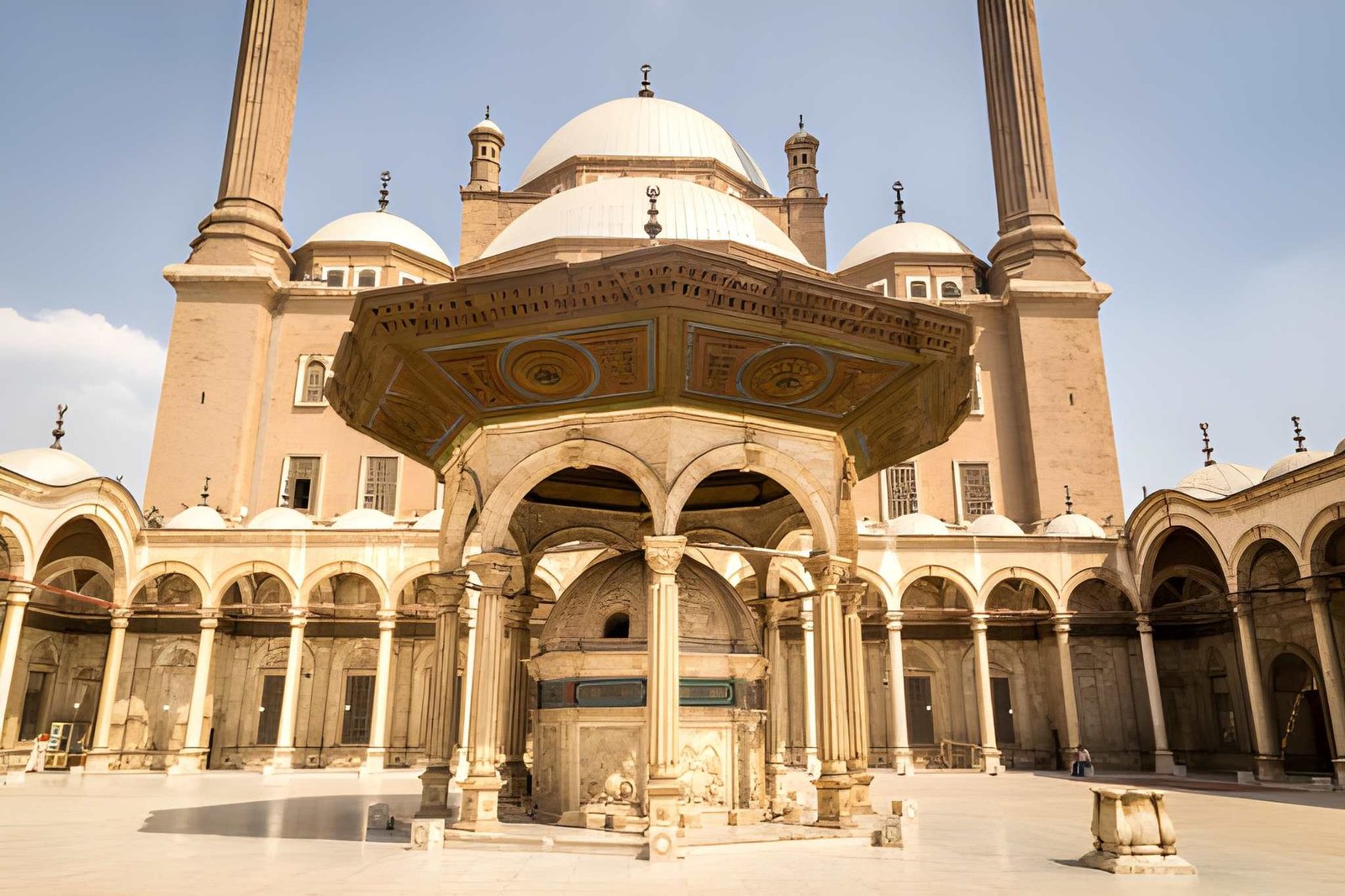
The museum’s façade itself is a masterpiece inspired by Mamluk and Ottoman designs. Embellished arches, delicate stone carvings, and ornate window screens recall Cairo’s golden era of Islamic architecture. The interior layout follows a thematic narrative — grouping artifacts by material and craftsmanship for an intuitive visitor experience. This makes it one of the most well-curated museums not only in Africa but also across the Middle East.
After suffering partial damage from a nearby explosion in 2014, the Islamic Art Museum underwent an extensive restoration project. Today, it stands restored and stronger than ever, symbolizing Egypt’s resilience and determination to preserve its legacy for future generations. The reopening drew global attention, reaffirming its position as a cultural beacon in the Arab world.
Exploring the Collections of the Islamic Art Museum
The museum’s displays encapsulate the spiritual and artistic diversity of Islamic civilizations. It features art pieces from every Islamic dynasty — Fatimid, Mamluk, Ottoman, Abbasid, and Umayyad. Each gallery tells a unique story of religion, economy, culture, and aesthetics. Among the most captivating treasures are intricately inscribed Qur’ans, gold-inlaid weapons, and jewelry radiating opulence from every facet.
Ceramics and Glassware from the Golden Ages
One can hardly ignore the seamless perfection of Islamic ceramics showcased here. Glazed pottery, cobalt-blue masterpieces, and intricately patterned tiles uncover the secrets of ancient kiln techniques. The museum’s glass section shines just as brightly, showcasing fatimid blown glass and enameled vessels so elegant they could rival modern designs. These objects exemplify the era’s balance between function and ornamentation, turning everyday items into forms of worship and artistry.
Metalwork and Calligraphy: Crafting Timeless Beauty
The beauty of Islamic calligraphy reverberates through every hall. Bronze lamps, brass plates, and silver-inlaid armor become canvases for Arabic script, conveying divine verses and poetic inscriptions. The museum’s Mamluk lamps illuminate not just physical space but also the spiritual imagination, reflecting centuries of artisanship honed through devotion. Many experts consider these metal artworks direct expressions of faith — turning solid surfaces into symphonies of design and meaning.
Woodwork and Ivory Artistry – A Testament to Precision
From intricately carved minbars to ivory-inlaid furniture, the museum’s wood sections take visitors on a tactile journey into craftsmanship. Each piece, mostly originating from the Fatimid and Ottoman periods, showcases decorative geometry and vegetal patterns. These crafts influenced designs seen in legendary sites such as the Citadel of Salah El-Din and Al Rifai Mosque, emphasizing artistic continuity across Egyptian monuments.
Why the Islamic Art Museum Cairo Is a Must-Visit Destination
No serious exploration of Egyptian culture is complete without experiencing the Islamic Art Museum Cairo. Its galleries offer priceless insight into intellectual exchanges between regions stretching from Central Asia to Andalusia. The museum embodies artistic dialogue — how Arab, Persian, Turkish, and even European influences merged harmoniously under the banner of Islamic art. Travelers combining cultural excursions with luxury itineraries, such as the 8 Day Cairo and Nile Cruise Tour, often highlight this museum as a cornerstone of their Cairo experience.
Visiting this museum gives guests a deep understanding of the creative philosophies underpinning Egyptian civilization. It’s particularly captivating for those who appreciate how geometry, light, and calligraphy represented faith and intellect. Many visitors pair their museum visit with exploring nearby landmarks like The Egyptian Museum or The National Museum Of Egyptian Civilization for a full historical panorama.
Educational and Cultural Programs
Beyond its elegant galleries, the Islamic Art Museum Cairo serves as an active center of learning. It hosts workshops on Islamic calligraphy, conservation, and traditional decorative arts. Scholars and visitors find a treasure trove of resources that highlight centuries of human brilliance. Its educational objectives align with Egypt’s broader mission of heritage preservation, ensuring that art is not just admired but also deeply understood. Through such initiatives, the museum connects younger generations to their cultural roots.
The Museum’s Role in Modern Tourism and Culture
As tourism in Egypt thrives, the Islamic Art Museum stands as both a cultural and educational attraction. Whether people come for Best Nile River Cruises or Egypt Day Tours, this site remains an essential stop for anyone interested in Islamic civilization. The museum perfectly complements Cairo’s vibrant streets — balancing centuries-old serenity with the zest of modern life.
Blending Faith, Science, and Art Under One Roof
The museum’s vast collection reflects more than spiritual devotion. It also shines light on early scientific instruments, astronomical tools, and artistic innovation. Astrolabes, medical manuscripts, and timekeeping devices on display symbolize Islam’s contributions to global knowledge. Each piece reveals the rich relationship between faith and intellect — where art served as both inspiration and education. This interplay remains one of the most compelling aspects of the Islamic Art Museum Cairo.
Visitor Experience: What Awaits You Inside
Stepping inside the Islamic Art Museum feels like entering an oasis of calm in bustling Cairo. The atmosphere is serene yet vibrant with artistic storytelling. Well-lit display rooms, interactive screens, and multilingual guides enhance the visitor’s journey through history. The museum’s curators designed each exhibit to narrate its context vividly — making this not just a visit but a deeply inspiring encounter with the eternal spirit of Islamic creativity.
Practical Information for Visitors
The Islamic Art Museum Cairo is located in Bab Al-Khalq Square in downtown Cairo, making it easily accessible via taxi or metro. Opening hours typically run from morning until late afternoon, but schedules may vary during public holidays. Modest dress and respectful behavior are expected, maintaining harmony with the museum’s spiritual ambiance. Photography might be restricted in certain areas, especially near delicate artifacts, so always check with museum staff before snapping pictures.
For those planning to explore Cairo comprehensively, professional agencies like Best Travel Agency in Egypt can curate tailored itineraries incorporating the Islamic Art Museum along with iconic sites such as the Pyramids of Giza and The Karnak Temple. This combination ensures travelers experience Egypt’s multifaceted identity — from pharaonic grandeur to Islamic refinement.
FAQs about the Islamic Art Museum Cairo
What can visitors expect to see at the Islamic Art Museum Cairo?
The museum features one of the world’s richest collections of Islamic artifacts. Visitors can admire ceramics, textiles, manuscripts, woodwork, metalwork, glassware, and calligraphic masterpieces spanning over 1,300 years. Every piece narrates a story of devotion, artistic ingenuity, and cultural exchange.
Where is the Islamic Art Museum located?
The museum sits in Bab Al-Khalq Square, a central point in old Cairo close to significant landmarks like Al Azhar Mosque and Khan El-Khalili Bazaar. Its central location allows easy access for both locals and tourists exploring the historical heart of Cairo.
What makes the Islamic Art Museum unique among Cairo’s museums?
Its uniqueness lies in its focus exclusively on Islamic artistry and heritage. While other museums emphasize pharaonic or Coptic periods, the Islamic Art Museum blends aesthetics, science, and spirituality. It’s the only museum in Egypt that provides an exhaustive narrative of Islamic civilization’s artistic development.
Is the Islamic Art Museum suitable for children and families?
Absolutely. Families often enjoy its educational displays and interactive learning spaces. Guided tours make it engaging for children to understand Egypt’s Islamic history through stories, artifacts, and visual aids. It’s an excellent cultural expedition for all ages.
How can tourists include the Islamic Art Museum in their Egypt itinerary?
Travelers can easily integrate the museum into broader plans covering Cairo, Luxor, and Aswan. Combine it with luxurious experiences like the Mövenpick MS Royal Lily Nile Cruise or a historic exploration of the Valley of the Kings. Reliable companies such as Travme Tours can customize itineraries that highlight Egypt’s cultural depth while ensuring comfort and luxury throughout.

Comment (0)