

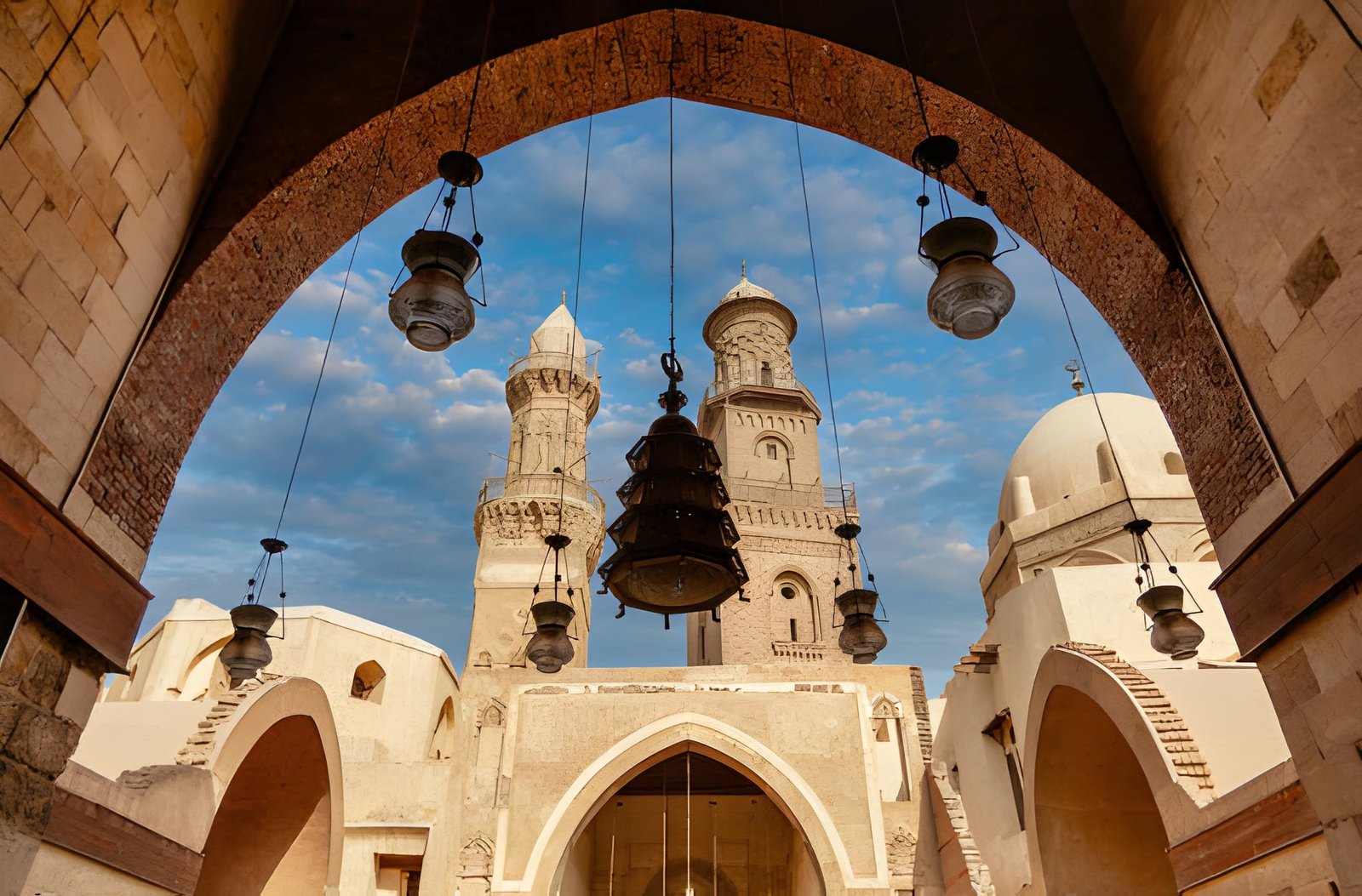
Islamic Cairo: The Timeless Heart of Egypt’s Living Heritage
In the bustling capital of Egypt, a city of layers unfolds where centuries of Islamic art, architecture, and culture coexist in mesmerizing harmony — welcome to Islamic Cairo. Unlike the modern skyline of New Cairo or the pharaonic wonders of Giza, Islamic Cairo immerses travelers in a labyrinth of narrow streets, ancient mosques, grand gates, and vibrant souks. This historic district, designated as a UNESCO World Heritage Site, captures the spirit of medieval Egypt and the soul of the Islamic world. Wandering through its alleys feels like stepping into a time capsule where every stone whispers stories of caliphs, scholars, and artisans who shaped Cairo’s golden age.
For over a millennium, Islamic Cairo has stood as a beacon of faith, intellect, and art. Founded during the Fatimid dynasty and expanded under the Mamluks and Ottomans, the district became the heart of Islamic civilization in Africa. Its architectural masterpieces — from the majestic Sultan Hassan Mosque to the soaring minarets of Al Azhar Mosque — symbolize centuries of devotion and craftsmanship. Beyond its mosques, Islamic Cairo brims with lively bazaars like the Khan El-Khalili Bazaar, centuries-old madrasas, sabils, and caravanserais that once welcomed pilgrims from across the Muslim world.
What makes Islamic Cairo truly unforgettable isn’t just its architecture but its living pulse. Locals still gather for prayers under ancient domes, artisans hammer copper in time-honored workshops, and the aroma of cardamom coffee mingles with the murmur of the adhan. Whether you’re exploring on foot or guided by experts from Travme Tours, this district promises a sensory journey through time. With its cultural depth and captivating sights, Islamic Cairo ranks among the best cities to visit in Egypt for travelers seeking authenticity and heritage.
The History and Evolution of Islamic Cairo
The origins of Islamic Cairo trace back to the 10th century when the Fatimids established their capital, Al-Qahira, meaning “The Victorious.” This new Islamic hub was strategically built near the older settlements of Fustat and Al-Askar, forming the nucleus of what would become one of the most influential cities in the Islamic world. Over subsequent centuries, rulers from diverse dynasties — Ayyubids, Mamluks, and Ottomans — shaped the district’s identity through architecture, religion, and trade.
During the Mamluk period, Islamic Cairo experienced its most creative burst. Grand complexes such as madrasas, mosques, and hospitals flourished, turning Cairo into a center of Islamic scholarship. The intricate stone carvings, calligraphy, and geometric ornamentation seen throughout the city reflect the pinnacle of medieval Islamic artistry. This era also saw the construction of defensive fortifications like the Citadel of Salah El-Din, which stands as both a military marvel and a symbol of Cairo’s resilience.
Architectural Marvels and Religious Landmarks
Islamic Cairo’s skyline is a symphony of domes and minarets, each telling a tale of faith and artistic mastery. The Mosque of Ibn Tulun, dating to the 9th century, is one of the oldest and most expansive mosques in Africa. Its vast courtyard and spiral minaret evoke ancient Mesopotamian influences. Nearby, the Sultan Hassan Mosque dazzles visitors with its grand portal and towering walls, an architectural triumph that blends elegance with strength.
Equally iconic is the Al Rifai Mosque, where Egypt’s royal family and the last Shah of Iran rest. Across the district, the Al-Azhar Mosque continues to thrive as one of the world’s oldest universities, nurturing Islamic thought for over a thousand years. These landmarks, together with countless smaller mosques and madrasas, form a sacred mosaic that defines Cairo’s spiritual identity.
The Cultural Soul of El Moez Street
Central to any exploration of Islamic Cairo is El Moez Street, a breathtaking open-air museum stretching over a kilometer. Flanked by centuries-old buildings, this street epitomizes the city’s medieval charm. By day, sunlight bathes intricate facades in gold; by night, the soft glow of lanterns transforms the street into a dreamlike corridor. Visitors can admire restored mosques, sabils, hammams, and palaces — each representing unique dynastic styles.
El Moez Street not only narrates architectural evolution but also serves as a living stage where tradition meets modern life. From bustling cafés to contemporary performances at Wekalet El Ghouri, this vibrant artery embodies Cairo’s eternal rhythm.
The Bustling Life of Khan El-Khalili Bazaar
No journey through Islamic Cairo is complete without wandering into the labyrinthine lanes of Khan El-Khalili. Established in the 14th century, this iconic souk remains the beating commercial heart of the district. Merchants offer everything from glittering silver jewelry to handwoven textiles, aromatic spices, and traditional lamps that illuminate Cairo’s nights. Bargaining here is an art, and every exchange carries echoes of centuries-old trade traditions.
When taking a break from shopping, visitors relax at the legendary El-Fishawi Café, where poets and philosophers once gathered. The bazaar encapsulates the essence of Cairo — timeless, hospitable, and endlessly fascinating — making it one of the top highlights of Egypt Day Tours.
Hidden Gems and Off-the-Beaten Path Discoveries
Beyond the grand mosques and bustling souks lie hidden corners that reveal Islamic Cairo’s quieter side. The serene courtyards of ancient houses, the delicate stucco patterns on forgotten walls, and the tranquil sabil-kuttabs tucked into side alleys all whisper secrets of an age long past. A stroll toward Al Azhar Park rewards visitors with panoramic views of the old city, a place where history and modernity align gracefully. For photography lovers and cultural travelers, these hidden gems offer authentic glimpses into daily life amid ancient grandeur.
Experiencing Islamic Cairo: A Journey Through Time
Exploring Islamic Cairo isn’t just a sightseeing endeavor; it’s an emotional and sensory experience. The melodic call to prayer resonates through narrow alleys, children play beneath towering minarets, and the scent of roasted nuts mingles with the aroma of incense. To truly appreciate its magic, take your time — let curiosity guide you through winding streets and centuries-old courtyards. Consider pairing your Cairo exploration with a Best Nile River Cruises experience to witness Egypt’s cultural tapestry from both land and water.
Travelers often find themselves marveling not only at architecture but also at the enduring vitality of the local community. Craftsmen continue traditional trades like brass engraving and leatherwork, skills passed down through generations. Religious festivals, Sufi ceremonies, and Ramadan night markets transform the district into a living heritage site. For those seeking depth and connection, Islamic Cairo offers a rare opportunity to live history rather than merely observe it.
Preserving Cairo’s Islamic Legacy
The preservation of Islamic Cairo has become a national and global priority. Restoration projects led by UNESCO and local authorities aim to protect its fragile monuments while allowing the community to flourish. Rehabilitated facades, improved lighting, and pedestrian-friendly pathways have revived historic areas that were once deteriorating. Educational initiatives also help raise awareness among locals about the value of conserving their shared heritage.
However, maintaining authenticity in a city teeming with life requires balance. Urban development presses against ancient walls, and sustainable tourism must ensure that cultural preservation doesn’t compromise residents’ livelihoods. By choosing ethical tours and supporting local artisans through reputable providers like Best Egypt Travel Packages, visitors can contribute to the responsible preservation of this priceless heritage.
Modern Cairo’s Connection to Its Islamic Past
Today’s Cairo may be a sprawling metropolis, but its heart still beats strongest in the old quarters of Islamic Cairo. The district continues to inspire artists, architects, and scholars. Its influence extends into contemporary design, music, and urban identity. This enduring connection between past and present defines Cairo’s charm — a city where skyscrapers rise within sight of thousand-year-old minarets, and heritage seamlessly blends with modern vibrancy. Those exploring the Best Cairo Travel Guide will find Islamic Cairo central to understanding Egypt’s broader cultural mosaic.
Frequently Asked Questions About Islamic Cairo
What is Islamic Cairo known for?
Islamic Cairo is renowned for its vast collection of historic mosques, madrasas, and marketplaces dating from the Fatimid, Mamluk, and Ottoman eras. It serves as a living museum of Islamic architecture and culture, showcasing the evolution of Cairo as a spiritual and intellectual hub of the Muslim world.
Where is Islamic Cairo located?
Islamic Cairo lies in the heart of modern Cairo, stretching around El Moez Street and encompassing landmarks such as the Al-Azhar Mosque, Khan El-Khalili Bazaar, and the Citadel of Salah El-Din. It’s easily accessible from downtown and Old Cairo.
What are the must-see attractions in Islamic Cairo?
Top attractions include the Sultan Hassan Mosque, Al Rifai Mosque, Mosque of Ibn Tulun, Al-Azhar Mosque, El Moez Street, and Khan El-Khalili. Visitors should also explore Al Azhar Park for spectacular panoramic views of Cairo’s skyline.
How can I best explore Islamic Cairo?
The best way to explore Islamic Cairo is on foot or through guided tours offered by local experts. Walking tours allow travelers to discover hidden gems, interact with artisans, and experience the authentic atmosphere. Combine the visit with broader Egypt Luxury Tour itineraries for a complete cultural immersion.
When is the best time to visit Islamic Cairo?
The ideal time to visit Islamic Cairo is from October to April when the weather is mild and comfortable for walking. Early mornings and late afternoons are particularly magical, as the light accentuates the architectural details of the mosques and historic façades.
Final Thoughts on Experiencing Islamic Cairo
Islamic Cairo isn’t merely a historical site — it’s a living testimony to Egypt’s enduring spirit. Its intricate architecture, vibrant markets, and heartfelt traditions weave a story that transcends time. Every dome, every alley, every whispered prayer under a stone archway reminds visitors of the city’s timeless devotion and artistic brilliance. Whether you’re drawn by faith, history, or pure curiosity, a journey through Islamic Cairo promises transformation — a deep connection to the essence of Egyptian culture and the legacy of Islamic civilization.
To fully embrace this journey, travelers can pair their exploration with immersive experiences like the 8 Day Cairo and Nile Cruise Tour or extend their adventure to the majestic Egyptian Museum and nearby landmarks. Each step in Islamic Cairo reveals another layer of Egypt’s soul — a destination where history lives, faith breathes, and beauty endures eternally.

Comment (0)