

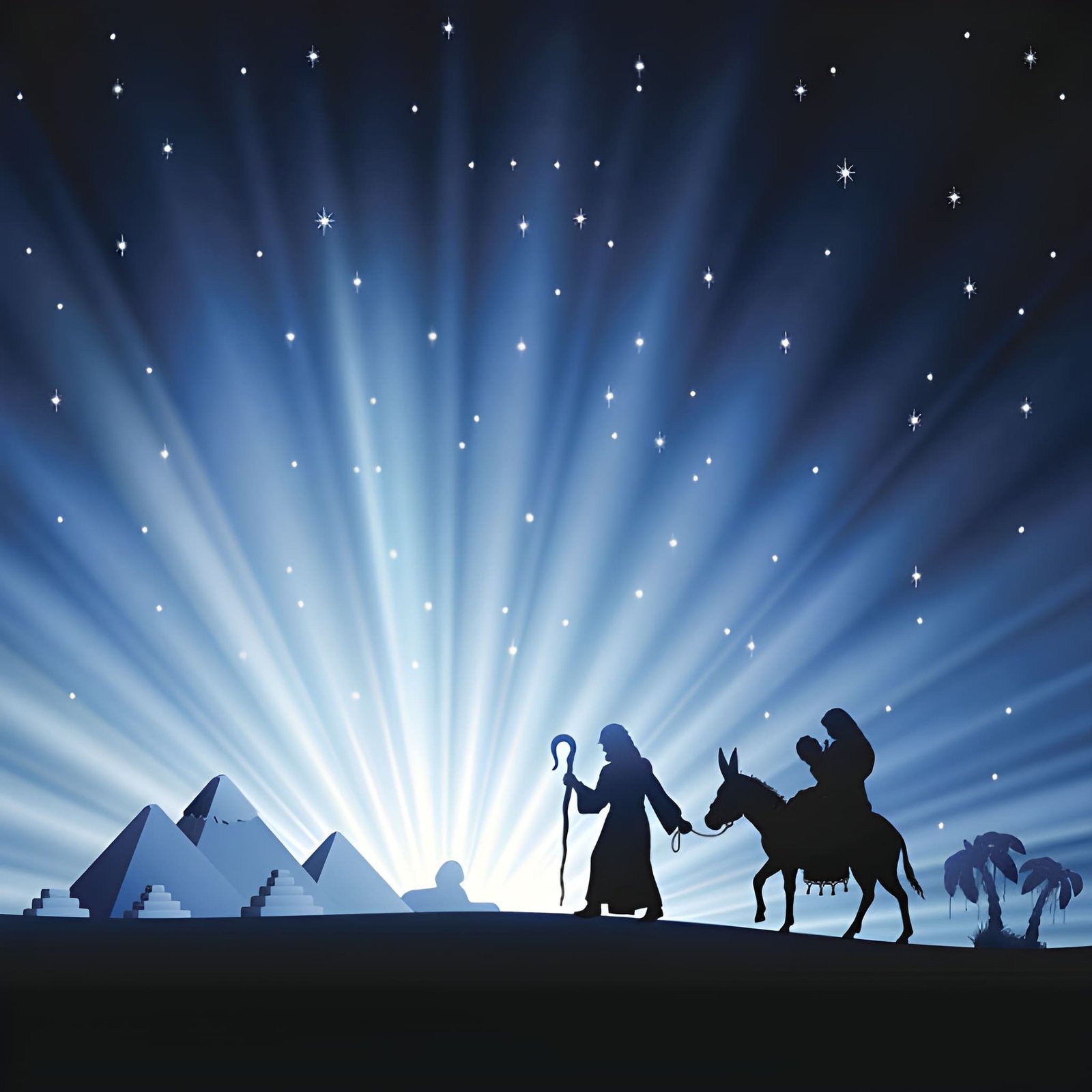
Journey of the Holy Family in Egypt: A Sacred Trail Through History and Faith
The Journey of the Holy Family in Egypt is one of the most profound spiritual stories in Christian tradition and Egyptian heritage. It weaves together devotion, history, and geography, illustrating how faith and endurance guided the Holy Family—Mary, Joseph, and the infant Jesus—as they sought refuge from King Herod’s wrath. This remarkable pilgrimage across Egypt’s ancient landscapes is not only a tale of divine protection but also a journey that shaped the very soul of Coptic Christianity. Today, the trail stands as a living testimony preserved in ancient churches, monasteries, and sacred wells scattered across Egypt. From the bustling streets of Coptic Cairo (Old Cairo) to the tranquil reaches of Upper Egypt, every site whispers echoes of holiness and revelation.
Embarking on this sacred route offers travelers a unique opportunity to blend spirituality with exploration. It’s an incredible fusion of history, faith, and heritage that continues to inspire millions of pilgrims and history enthusiasts alike. The journey spans more than a thousand miles, crossing lush delta fields, desert trails, and riverbanks of the Nile River. Each stop along the Holy Family’s route holds miraculous stories—springs that burst forth from barren sands, idols that fell, and temples that turned into sanctuaries. In every sense, the Journey of the Holy Family in Egypt is more than a pilgrimage; it’s a living chronicle of divine intervention and cultural identity that endures through centuries.
The Biblical Origin of the Holy Family’s Journey
The story begins in Bethlehem, where the infant Jesus was born. When King Herod ordered the massacre of all male infants to eliminate the newborn ‘King of the Jews,’ Joseph was warned in a dream to flee. Guided by divine instruction, he took Mary and Jesus and escaped into Egypt—a land already steeped in biblical symbolism. Egypt had once been the cradle of Moses and the setting for God’s deliverance of Israel, and now it would serve as a sanctuary for the Savior Himself. The Holy Family’s journey through Egypt lasted over three years, covering a path that stretched from the Sinai wilderness to the heart of Upper Egypt.
Their sojourn wasn’t merely about evasion; it symbolized fulfillment. Egypt, a land once associated with bondage, now became a place of refuge and divine protection. The journey thus mirrors the broader narrative of salvation and redemption. For modern pilgrims tracing this path, the journey transforms into a spiritual retreat filled with reflection and renewal. Many tours, such as Best Egypt Travel Packages, now include visits to these revered locations, combining religious devotion with authentic Egyptian cultural experiences.
The Route of the Holy Family: From Sinai to Upper Egypt
Tradition and Coptic texts outline more than twenty-five significant stops along the Holy Family’s route in Egypt. They entered through the northeastern border near El-Farama, journeyed through Tal Basta and Belbeis, and then moved southward toward Cairo. The route then extended deep into Upper Egypt, reaching as far as Assiut. Each of these sites preserves its own miracle and memory, making the journey a mosaic of faith.
El-Farama: The Gateway to Egypt
El-Farama, near modern Port Said, is believed to be the first Egyptian soil the Holy Family stepped upon. The coastal winds, ancient ruins, and faint traces of Roman roads still whisper the beginning of their miraculous escape. Here, according to legend, the infant Jesus blessed the land, marking Egypt as a chosen sanctuary in divine history.
Belbeis and the Tree of the Virgin
Continuing westward, the Holy Family reached Belbeis, where they reportedly rested under a large sycamore tree, later known as the Tree of the Virgin. The tree became a symbol of peace and protection, believed to have sheltered countless pilgrims over the ages. The town itself blossomed into a center of early Christian devotion, with chapels and relics commemorating the Holy Family’s halt.
Coptic Cairo: The Heart of the Holy Journey
Perhaps the most venerated stop on the route is Coptic Cairo (Old Cairo). This ancient district houses a cluster of sacred sites, including the Abu Serga Church, built above a crypt where the Holy Family is believed to have taken refuge for days. Nearby, the Hanging Church and Ben Ezra Synagogue reflect the religious harmony that flourished in this part of Cairo through centuries. Each structure tells a story of faith, survival, and divine providence, reinforcing Egypt’s deep spiritual roots.
The Miracles of Maadi and the Nile
Further south, the Holy Family reached Maadi, where they boarded a boat to cross the Nile. Local tradition recounts a miraculous event: a Bible, covered in water-resistant leather, was found floating near the steps of the Church of the Virgin Mary centuries later—opened to the verse ‘Blessed be Egypt my people.’ It’s said to affirm Egypt’s eternal role in the salvation story.
Mountains and Monasteries of Upper Egypt
As the journey continued south, the Holy Family passed through places like Samalut, where the Monastery of the Virgin stands atop Mount Qussqam. This site, known as the Monastery of Al-Muharraq, is believed to be the final resting place of the Holy Family before their return to Israel. The monastery’s church, built on the exact spot where they lived for months, is revered as one of Christianity’s holiest sanctuaries.
Travelers exploring these sites often combine them with heritage journeys such as Egypt Day Tours, which include both biblical landmarks and ancient wonders like the Pyramids of Giza and Valley of the Kings, blending spirituality with Egypt’s timeless history.
Cultural and Religious Legacy of the Holy Family’s Journey
The Holy Family’s journey wasn’t just a biblical episode—it laid the foundation for Egypt’s Christian identity. Today, the route remains a cornerstone of the Coptic faith and a cultural treasure recognized by the Egyptian state and UNESCO. Pilgrimage trails, churches, and annual celebrations commemorate the Family’s passage, drawing both local believers and international visitors. The journey unites faiths and generations, turning ancient paths into living routes of peace and spiritual discovery.
Egypt’s Coptic architecture, art, and rituals all bear traces of this sacred history. The caves, springs, and wells blessed by the Holy Family have become enduring symbols of divine presence and protection, echoing Egypt’s role as a land chosen by God.
Modern Pilgrimage and Tourism Along the Holy Route
In modern times, the Journey of the Holy Family in Egypt has become a significant pilgrimage trail, attracting Christian pilgrims and cultural explorers from around the globe. The Egyptian Ministry of Tourism has revitalized the route, promoting it as a unique faith-based experience that intertwines history and spirituality. Visitors can trace the journey through organized routes, guided by experts who explain the stories, symbols, and miracles linked to each location.
For those seeking a deeper experience, curated tours like Egypt Luxury Tour and 10 Day Egypt Luxury Trip with Dahabiya Nile Cruise offer journeys that combine comfort with cultural immersion. Pilgrims can sail on elegant vessels such as the Best Dahabiya Nile Cruise or the Mövenpick MS Royal Lily Nile Cruise, following the same river that once carried the Holy Family through Egypt’s heart.
Preservation and Recognition of the Holy Family Route
Religious and governmental bodies have collaborated to preserve the authenticity of the Holy Route. Restoration projects have revived ancient monasteries and churches, ensuring that pilgrims can witness Egypt’s sacred landscape in its true form. Signboards, visitor centers, and guided trails now mark the route, transforming it into a world-class spiritual attraction. Beyond religious significance, the route boosts sustainable tourism, supporting local communities and protecting heritage sites along the Nile Valley.
The Enduring Spiritual Message of the Journey
The Holy Family’s sojourn in Egypt represents resilience, hope, and divine providence. Their footsteps remind the faithful of God’s continuous presence in times of hardship. Egypt’s landscape, once a refuge for the infant Savior, continues to symbolize sanctuary and faith’s triumph over fear. Whether you walk through Coptic Cairo’s narrow alleys or visit the peaceful monasteries of Assiut, the spirit of that ancient journey still permeates the air, inspiring peace and unity.
Planning Your Spiritual Tour of the Holy Family Route
To fully appreciate the sanctity of this journey, travelers are advised to plan carefully. The route covers vast terrains, from desert trails to vibrant cities. Engaging with specialists like Travme Tours, one of the Best Travel Agency in Egypt, ensures a seamless experience blending faith, comfort, and expert guidance. Knowing the Best Time to Visit Egypt can also help pilgrims enjoy mild weather and meaningful encounters at each sacred site.
FAQs about the Journey of the Holy Family in Egypt
What is the significance of the Journey of the Holy Family in Egypt?
The Journey of the Holy Family in Egypt holds immense significance as it marks the only time the Holy Family left the Holy Land. Their refuge in Egypt fulfills biblical prophecy and highlights Egypt’s divine role as a sanctuary of peace and faith.
How long did the Holy Family stay in Egypt?
Historical and Coptic records suggest the Holy Family stayed in Egypt for over three years, moving across more than twenty-five locations before returning to Nazareth. Each site today bears witness to their miraculous presence.
What are the key sites along the Holy Family route?
Key sites include El-Farama, Belbeis, Coptic Cairo, Maadi, Samalut, and Assiut. Notable landmarks like the Abu Serga Church and the Monastery of Al-Muharraq stand as spiritual highlights for pilgrims following their path.
Can tourists visit all the Holy Family sites?
Yes, most sites along the Holy Family route are accessible to visitors. Organized tours and local guides provide detailed itineraries, ensuring travelers can explore both major and lesser-known locations with respect and insight.
When is the best time to explore the Holy Family route?
The ideal time to explore the Journey of the Holy Family in Egypt is between October and April, when the weather is pleasant. During this season, visitors can comfortably travel between northern and southern sites, participating in religious celebrations and local Coptic festivals.

Comment (0)