

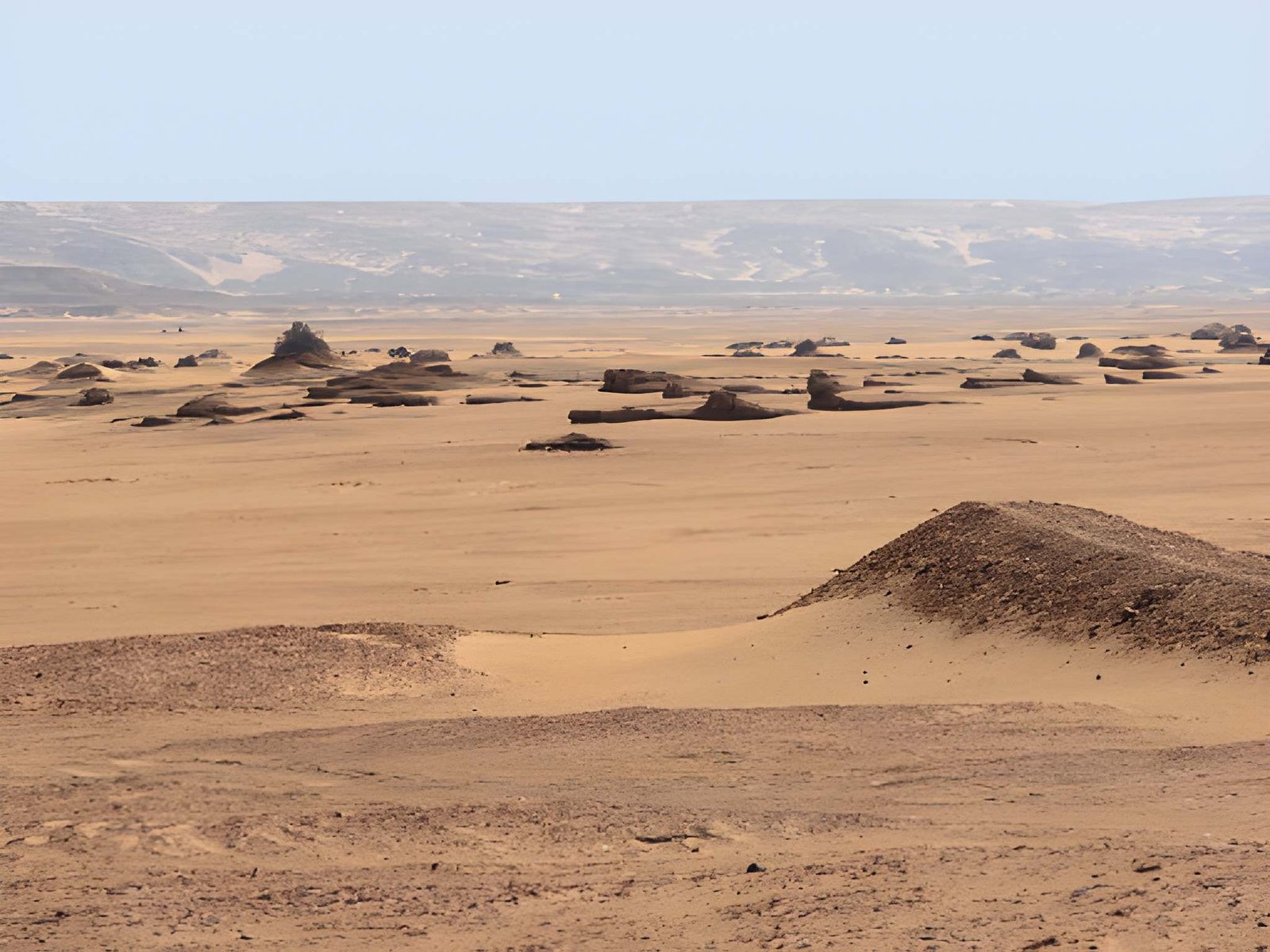
The Enigmatic Beauty of Kharga Oasis: Egypt’s Western Desert Jewel
Kharga Oasis, resting peacefully in Egypt’s Western Desert, blends natural beauty, ancient history, and silent wilderness into an unforgettable experience. It’s the largest of the Egyptian oases, brimming with archaeological treasures, mud-brick architecture, and serene palm groves that seem to rise out of nowhere. As the capital of Egypt’s New Valley Governorate, Kharga Oasis isn’t just a remote haven—it’s a living museum of human resilience shaped by time, climate, and culture. Visitors find themselves captivated by its rhythmic calm and the haunting whisper of the desert winds. Whether you’re chasing traces of the Pharaonic past, Roman relics, or Coptic monasteries, Kharga offers a journey through layers of history etched into endless sands.
Unlike the bustling cities along the Nile, Kharga Oasis captures Egypt’s spiritual silence in its essence. The oasis was once a vital juncture along the ancient Darb el-Arba’in caravan route linking Sudan and Egypt. Traders brought ivory, gold, spices, and ideas across these dunes long before modern highways existed. Today, fossilized dunes, date palms, and endless vistas freeze time in remarkable clarity. Adventure travelers, nature lovers, and history enthusiasts alike are drawn here for authentic encounters far from the typical tourist trail. With modern roads and eco-lodges, Kharga Oasis now emerges as one of Egypt’s most overlooked yet deeply rewarding destinations.
Historical Significance of Kharga Oasis
Kharga Oasis has been a crossroads of civilizations for over 4000 years. Ancient Egyptians valued it as a strategic settlement on the route to Nubia. Excavations reveal temples, fortresses, and necropolises that whisper of forgotten empires. The Hibis Temple, built under Persian rule during the 26th Dynasty, is an architectural gem with striking reliefs of Amun, Mut, and Khonsu. It’s among the best-preserved temples in Egypt’s desert regions, showcasing the rich lineage of the oasis through centuries of political shifts.
Later, the Romans reinforced Kharga’s infrastructure with mud-brick forts like Qasr el-Ghueita and Qasr el-Zayyan, both designed to protect trade caravans. In the Christian era, remote monasteries and churches sprouted around the oasis, offering refuge and solitude to desert monks. Each layer—from Pharaonic to Roman to Coptic—adds a unique story to Kharga’s ever-evolving narrative. As Egypt continues to reveal new discoveries in Egypt, Kharga’s archaeological wealth continues to astonish experts and explorers alike.
Hibis Temple: A Testament to Desert Divinity
Located seven kilometers north of Kharga City, the Temple of Hibis remains the oasis’s crown jewel. Dedicated to the Theban triad, it showcases hieroglyphic inscriptions, soaring columns, and scenes that still retain vivid detail. The temple, carved out of local limestone, bears witness to centuries of ritual devotion and survival against the sweeping sands. Walking inside its sacred halls, travelers often sense the same reverence ancient pilgrims once felt. It’s not just architecture—it’s devotion crafted in stone.
The Roman Desert Fortresses: Ancient Guardians of Kharga
The Roman Empire recognized Kharga Oasis’s strategic value, transforming it into a defensive stronghold. Fortresses like Qasr Labeka line old caravan paths, standing as sentinels of survival. Their mud-brick walls, still solid against erosion, protected travelers from both enemies and nature. Inside, granaries and cisterns reveal advanced Roman desert engineering. These structures highlight the oasis’s critical role in securing Egypt’s western borders and sustaining military networks well into late antiquity.
Natural Wonders and Geological Mystique
Beneath its archaeological riches, Kharga Oasis tells a geological story millions of years in the making. It’s part of the Western Desert in Egypt, renowned for its unique landforms and fossil-laden geological layers. The valley around Kharga stretches through sandstone plateaus, surrounded by escarpments that glow golden in the sun. These rugged horizons once cradled prehistoric lakes and rivers, leaving behind limestone deposits and petrified flora. For geologists and adventure seekers, Kharga is a living outdoor museum.
Modern travelers who venture here often explore nearby natural springs that bubble with mineral-rich waters. Though some are now inactive, others remain oases of life amid the barren dunes. The sensation of standing between lush palm groves and infinite sands is almost surreal, reminding one how life and emptiness weave together beautifully in Egypt’s deserts. This striking balance also inspires those embarking on Black and White Desert Egypt tours to extend their adventures deeper into the New Valley.
Biodiversity Amid the Sands
Despite its austere terrain, Kharga sustains ecosystems tailored to extreme survival. Tamarisk shrubs, acacias, and date palms dominate the landscape, while migratory birds rest around remaining water points. Nomadic herders still guide their animals along ancient routes, embodying traditions that date back thousands of years. Their knowledge of hidden water sources and seasonal winds allows life to thrive even under merciless sun. The oasis remains proof that nature, adaptability, and persistence can coexist harmoniously.
Tourist Attractions in and Around Kharga Oasis
Exploring Kharga Oasis feels like peeling layers of history and landscape simultaneously. Beyond its iconic Hibis Temple, travelers can visit the Bagawat Necropolis, a sprawling Coptic burial site with over 260 mud-brick chapels. Its frescoes narrate biblical stories, blending Egyptian and early Christian artistry. Each tomb whispers tales of devotion and afterlife beliefs, bridging faiths and eras. The site’s serenity is both humbling and transformative.
The city of Kharga itself is surprisingly modern compared to other oases. It serves as a gateway to Egypt’s desert attractions, including Dakhla and Farafra. Local markets brim with handmade crafts, pottery, and desert herbs. Those aiming for a diverse itinerary often include Kharga within broader Best Egypt travel packages that blend archaeology with adventure. Pairing it with a serene Best Nile River cruise makes for a journey that balances exploration and leisure perfectly.
Bagawat Necropolis: Echoes of Early Christianity
The Bagawat Necropolis ranks among the earliest and most significant Christian cemeteries in the world. The domed mud-brick tombs reflect transitional art between ancient Egypt and early Coptic styles. Scenes from Genesis, such as Noah’s Ark and Isaac’s sacrifice, decorate the interiors in earthy pigments that have gracefully aged through centuries. The site is a living narrative of faith preserved in desert stillness.
Kharga Museum: Chronicle of the New Valley
The Kharga Museum offers invaluable insights into the oasis’s cultural journey. Its exhibits display prehistoric fossils, Pharaonic relics, and items from the Roman and Islamic periods. Miniature models demonstrate ancient irrigation techniques and caravan trade routes. Visitors leave with a richer understanding of the oasis’s endurance and its importance within Egypt’s geographic heart.
Culture and Local Lifestyle of Kharga Oasis
Modern Kharga blends ancient customs with new rhythms. Its residents, known for warm hospitality, maintain a strong bond with their environment. Agriculture dominates daily life, with date cultivation forming the backbone of the local economy. Traditional festivals often revolve around harvest celebrations, music, and desert folklore passed down through generations. The slower pace of life contrasts beautifully with the intensity of Egypt’s cities.
For travelers seeking cultural immersion, Kharga offers authentic experiences rarely found elsewhere. You might enjoy tea under starlit skies while listening to stories of camel caravans. Visiting an oasis home reveals centuries-old architectural designs optimized for desert heat control—thick mud walls, shaded courtyards, and wind-catching towers. Each moment deepens connection with Egypt beyond its monuments, a sentiment shared by those joining Cultural Tours Egypt designed for heritage lovers.
Artisanal Craftsmanship and Local Markets
Handcrafted pottery, woven baskets, and embroidered fabrics line Kharga’s souks. Many artisans use materials sourced directly from the desert around them, creating sustainable art vividly expressing their connection to the land. Markets are also great spots to sample desert honey and dates, renowned for their sweetness and earthy flavors.
Adventure, Travel Tips, and Planning Your Visit
Getting to Kharga Oasis involves either a flight to El Kharga Airport or a scenic desert drive via paved roads from Luxor or Asyut. The journey itself becomes part of the experience; watching endless sandscapes rolling past under a glowing sun is almost meditative. For travelers planning detailed itineraries, consulting expert agencies such as Travme Tours ensures well-organized routes and local guidance.
Ideal visiting months stretch from October through March when temperatures are cooler and more comfortable for desert excursions. Those unfamiliar with Egypt’s climate should review essential Egypt travel tips before heading out. Whether you’re integrating Kharga Oasis into a short desert getaway or a longer route including Fayoum and Siwa, it’s best explored slowly to soak in its tranquility.
Eco-Travel and Sustainability
Kharga’s rising popularity has inspired eco-friendly tourism emphasizing sustainability. New lodges use solar energy, and local initiatives promote conservation of fragile aquifers. Travelers contribute by respecting natural sites and supporting local artisans. If you’re passionate about responsible exploration, consider joining an Eco Tour in Egypt covering Kharga and other oases. These experiences let you engage deeply while preserving the desert’s purity for generations ahead.
Adventure Activities and Desert Safaris
Kharga Oasis is ideal for off-road enthusiasts and photographers. Sandboarding on drifting dunes, exploring fossil valleys, and camping under meteor-streaked skies redefine what adventure means. Desert guides lead excursions to remote areas, where ancient caravan ruins and animal fossils emerge from sands like ghosts of time. Combining such expeditions with relaxation on a Luxury Dahabiya Nile Cruise offers a well-rounded Egyptian escape beyond imagination.
Frequently Asked Questions About Kharga Oasis
1. Where is Kharga Oasis located?
Kharga Oasis lies about 550 kilometers southwest of Cairo, situated in Egypt’s New Valley Governorate. It forms part of the sprawling Western Desert region, near the borders of Dakhla and Farafra Oases.
2. What are the top attractions in Kharga Oasis?
Unmissable sites include the Hibis Temple, Bagawat Necropolis, Qasr el-Zayyan Fortress, and Kharga Museum. Each unveils a distinct historical layer from ancient Egyptian through Coptic eras, making the oasis a living archive of Egypt’s desert civilization.
3. When is the best time to visit Kharga Oasis?
The cooler months between October and March offer the most pleasant temperatures for exploration. Summers can be extremely hot, reducing comfort for outdoor adventures across the dunes.
4. How do I reach Kharga Oasis?
Travelers can reach Kharga via domestic flights to El Kharga Airport or by desert highways from Luxor, Asyut, or Cairo. Most choose guided tours as part of longer Western Desert expeditions like the Fayoum & Western Desert circuits.
5. Why should travelers include Kharga Oasis in their Egypt itinerary?
Kharga Oasis offers a rare blend of solitude, heritage, and nature unmatched by Egypt’s famous river cities. Whether you’re uncovering ancient temples, marveling at desert geology, or experiencing Bedouin hospitality, Kharga encapsulates the soul of authentic desert Egypt—peaceful, powerful, and timeless.

Comment (0)