

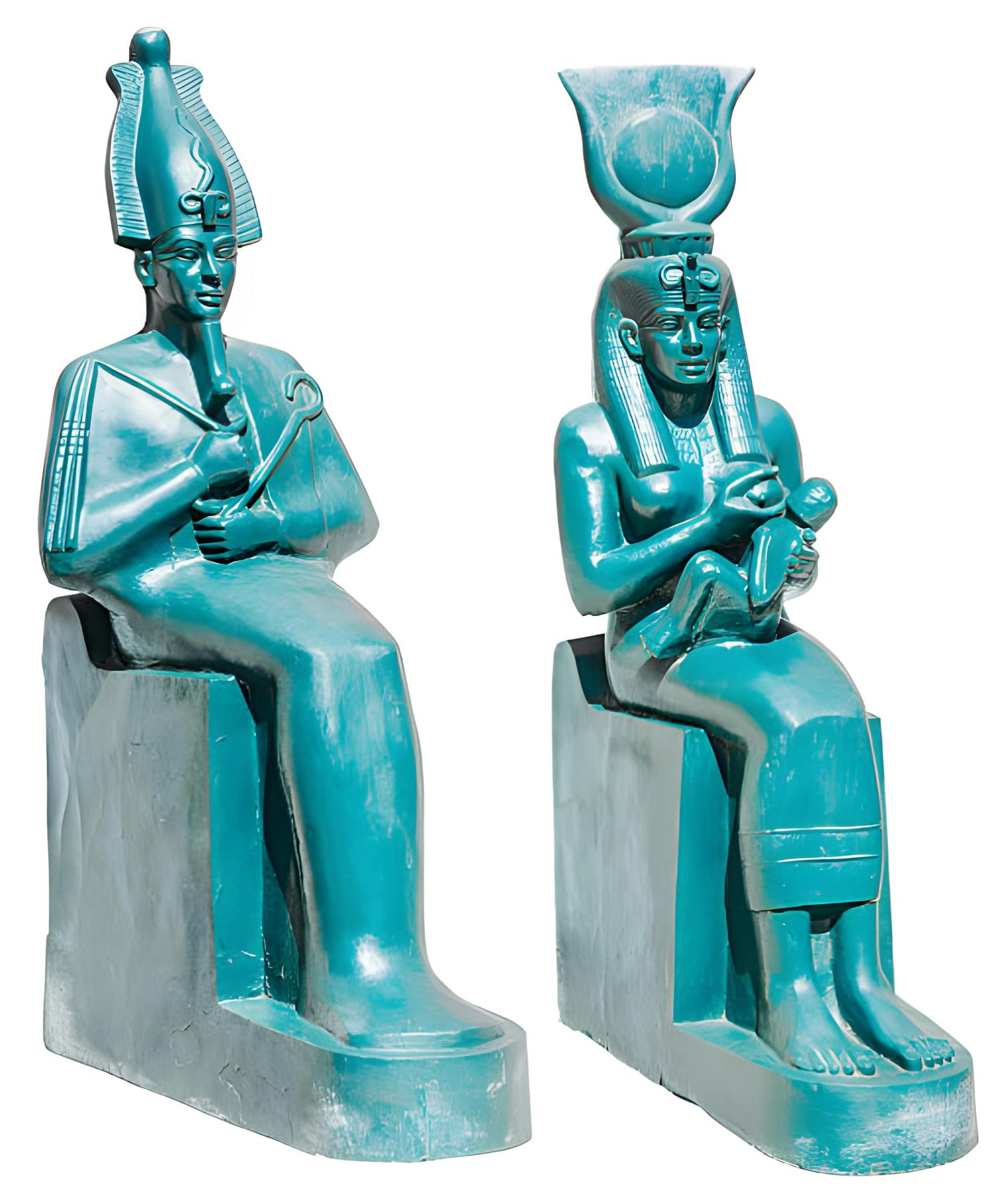
Discover the Eternal Love and Power in the Legend of Osiris and Isis
The legend of Osiris and Isis remains one of the most captivating tales in ancient Egyptian mythology, symbolizing love, resurrection, and the eternal cycle of life. This myth unveils the deep beliefs of Egyptians about life after death and divine justice. Beyond its spiritual meaning, it also highlights the profound cultural importance of the Nile, temples, and funerary rituals that shaped Egypt’s early civilization. For anyone exploring Egyptian history, understanding this legend is essential to grasp the soul of ancient Egypt.
Attention: The Timeless Tale of Devotion and Betrayal
In the legend, Osiris, the wise and just god, ruled Egypt and taught people agriculture, law, and civilization. His wife and sister, Isis, was a goddess of magic, fertility, and motherhood. Their harmonious rule brought prosperity to the land, but jealousy brewed in the heart of Set, Osiris’s brother. Driven by envy, Set plotted against Osiris and eventually betrayed him. This act of treachery shattered the divine balance, setting in motion one of the most emotional and powerful stories of rebirth in world mythology.
To truly appreciate this narrative, travelers can visit the Temple of Philae, dedicated to Isis. Located on an island in Aswan, this magnificent structure preserves carvings that depict parts of the story, allowing visitors to step into the myth itself.
Interest: The Resurrection of Osiris and the Birth of Horus
According to the legend, Set killed Osiris and scattered his body across Egypt. Heartbroken but determined, Isis began a long journey to find and reassemble her husband’s remains. Her magic and devotion brought Osiris back to life, though he could no longer dwell among the living. Instead, he became the lord of the underworld, ruling over the dead and judging their souls.
Their union gave birth to Horus, the falcon-headed god who symbolized protection and kingship. Horus later avenged his father by defeating Set, restoring order to Egypt and solidifying the divine right of pharaohs to rule. This story of loss, love, and triumph continues to inspire people today, representing the victory of good over evil and the eternal bond between life and death.
Travelers can explore the Abydos Temple, one of the most sacred places dedicated to Osiris. This temple, filled with elaborate hieroglyphs, paints the tale of resurrection vividly, making it a must-visit for mythology enthusiasts and history lovers alike.
Desire: Connecting Mythology to Ancient Egyptian Legacy
The legend of Osiris and Isis is deeply intertwined with the Nile’s cycles of flooding and rebirth. The annual inundation of the river mirrored Osiris’s death and resurrection, symbolizing renewal and fertility for the land. This myth influenced Egyptian rituals, temple architecture, and even royal ceremonies—pharaohs claimed divine descent from Horus, reinforcing their legitimacy as earthly rulers.
When visiting The Temple of Seti I at Abydos, travelers can witness intricate inscriptions of the gods and pharaohs that connect earthly power with divine authority. The walls illustrate how ancient Egyptians perceived kingship as a continuation of Horus’s victory, blending religion, politics, and mythology seamlessly.
Those interested in further exploring the roots of Egyptian spirituality can include a stop at the Egyptian Museum, where artifacts related to Osiris and Isis shed light on the real-world expressions of these beliefs. From amulets shaped like the Eye of Horus to funerary objects representing Osiris, each piece connects myth to material culture.
Experience the Myth Firsthand Through Egypt’s Sacred Sites
To immerse yourself in the story’s settings, a journey along the Nile reveals how ancient Egyptians embodied divine myths in their daily lives. Many temples dedicated to Isis and Osiris line the riverbanks, showcasing the importance of the Nile as both a physical and spiritual lifeline. Travelers on the 8 Day Cairo and Nile Cruise Tour can experience these sacred sites, from Luxor to Aswan, in comfort and style.
Another remarkable destination is the Temple of Hathor at Dendera, where depictions of Isis emphasize her protective and motherly attributes. The temple’s astronomical ceiling and detailed reliefs reveal how Egyptians linked divine stories to cosmic cycles, further proving their advanced understanding of both spirituality and science.
Action: Explore the Living Legacy of Osiris and Isis
Modern visitors can trace the footsteps of this myth across Egypt. In Luxor City, home to ancient Thebes, the story of resurrection resonates through monumental temples and tombs. The Valley of the Kings reflects Osiris’s domain—the afterlife—where pharaohs prepared for eternity. Each tomb, filled with hieroglyphs and sacred imagery, mirrors the promise of life after death that Osiris represents.
In Aswan, the Nubian Village offers cultural insights into local traditions still inspired by ancient myths. Visitors can experience storytelling, crafts, and spiritual practices that echo the beliefs from the age of Osiris and Isis. For those seeking deeper immersion, the 11 Day Egypt Tour provides an in-depth discovery of these symbolic locations, blending history, culture, and adventure.
Symbolism and Cultural Significance
The Eye of Horus, born from this legend, became a universal symbol of protection and healing. Egyptians wore it as an amulet to guard against harm. You can learn more about its meaning in the article on the Egyptian Eye of Horus. Similarly, Isis’s magical prowess symbolized divine motherhood, inspiring many goddesses in later cultures, including Greek and Roman traditions.
To complement the mythological journey, travelers can explore nearby wonders such as the Abu Simbel Temples. These colossal monuments of Ramses II demonstrate the connection between divine power and kingship, much like the bond between Osiris and Horus. Each structure tells a story of reverence for gods and ancestors that still captivates visitors today.
Why the Legend Still Matters Today
The legend of Osiris and Isis is more than a myth—it’s a timeless reflection of love’s endurance and the human quest for immortality. It embodies the Egyptian worldview that death is not an end but a transformation. This belief inspired their elaborate burial practices and mummification rituals, described in detail in the 7 Steps of Mummification.
For those inspired by mythology and history alike, understanding this legend offers insights into Egyptian art, religion, and philosophy. It reveals how mythology shaped moral and social values, influencing everything from royal iconography to daily rituals. Whether you’re planning to explore the Egyptian festivals and celebrations or learning about ancient Egyptian animal gods, the story of Osiris and Isis remains the foundation of Egypt’s cultural identity.
Conclusion: Let the Legend Inspire Your Next Egyptian Journey
From the Temple of Philae’s sacred island to the tombs of Luxor, the legend of Osiris and Isis lives on in stone, art, and spirit. Their story continues to enchant travelers who seek to connect with Egypt’s enduring magic. Whether you join an Egypt Adventure Tour or a cultural itinerary like the 12 Day Egypt Tour Itinerary, you will walk in the footsteps of gods, lovers, and kings who defined one of the greatest civilizations in history.
FAQs about the Legend of Osiris and Isis
1. Who were Osiris and Isis in Egyptian mythology?
Osiris was the god of the afterlife, fertility, and resurrection, while Isis was the goddess of magic, healing, and motherhood. Together, they symbolized harmony, love, and eternal life.
2. What is the main lesson from the legend of Osiris and Isis?
The legend teaches the power of love, loyalty, and renewal. It emphasizes that life and death are interconnected, and that good ultimately triumphs over evil.
3. Where can travelers see temples related to Osiris and Isis?
Temples dedicated to Isis can be found at Philae near Aswan, while major Osiris sanctuaries are located at Abydos and Luxor. These sites beautifully preserve the art and symbolism of the legend.
4. How did the legend influence ancient Egyptian culture?
The myth inspired Egyptian funerary rituals, kingship traditions, and art. It also shaped beliefs about the afterlife and the divine role of pharaohs as descendants of Horus.
5. Is the legend still relevant today?
Yes. The story of Osiris and Isis continues to captivate historians, travelers, and spiritual seekers. It offers timeless lessons on love, sacrifice, and the eternal cycle of life and rebirth.

Comment (0)