

Luxor City: The Timeless Jewel of Ancient Egypt
Luxor City, often called the world’s greatest open-air museum, sits gracefully on the east bank of the River Nile, radiating the charm of ancient Egyptian civilization. With its unmatched concentration of temples, tombs, and archaeological treasures, Luxor is more than a destination—it’s a journey through history. The city rests where the ancient capital of Thebes once thrived, serving as Egypt’s spiritual heart during the New Kingdom. Today, Luxor seamlessly blends its glorious past with modern Egyptian hospitality, offering travelers a remarkable blend of culture, heritage, and adventure.
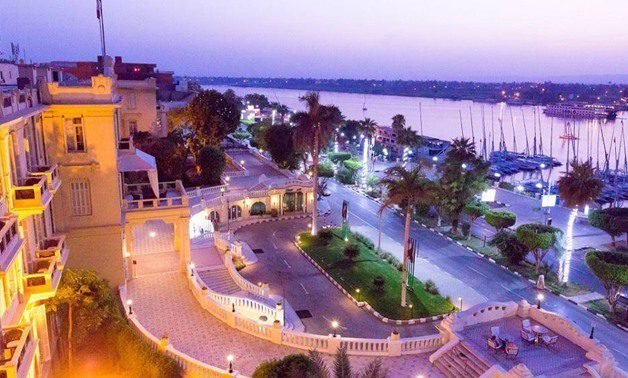
Visitors strolling along the Nile’s edge are greeted by layers of history whispering through the air. Luxor is a living museum where every stone speaks of gods, pharaohs, and legends. From the colossal Luxor Temple to the grand avenues leading to the Karnak Temple, each site captures the ingenuity of ancient architects. Across the river, the mysterious necropolis of the West Bank hides the tombs of mighty pharaohs in the Valley of the Kings, carved deep within sandstone hills. The atmosphere feels almost sacred—time here doesn’t just stand still; it breathes.
Luxor’s appeal extends far beyond its monuments. The city’s rhythm is infectious, its bazaars filled with colorful spices, handcrafted souvenirs, and echoes of friendly voices. Cruise ships glide along the Nile, connecting Luxor with Aswan, offering stunning vistas of palm-lined shores and ancient temples. Whether you’re a history enthusiast, a photographer, or a luxury traveler, Luxor City captures every traveler’s imagination. Its fusion of spiritual legacy, breathtaking architecture, and authentic Egyptian warmth makes it a crown jewel in any Best Egypt Travel Package. Dive in, and Luxor will enchant you beyond expectation.
The Historical Significance of Luxor City
Luxor City’s roots trace back over 4,000 years to Thebes, the epicenter of power during Egypt’s New Kingdom. It was a city dedicated to the god Amun-Ra, symbolizing divine royalty and cosmic balance. The colossal monuments scattered across Luxor today once represented the glory of pharaohs who ruled with divine authority. Kings like Ramses II, Amenhotep III, and Tutankhamun left indelible marks here, building temples and tombs that still captivate global audiences.
Luxor wasn’t just a political capital; it was Egypt’s religious pulse. The annual Opet Festival united gods and men in a grand procession linking Karnak and Luxor Temples. This celebration embodied renewal, fertility, and divine blessing. Modern travelers walking the Avenue of Sphinxes can still sense the reverence that once filled the air. Luxor remains a testament to ancient Egypt’s mastery of art, architecture, and spirituality—an open invitation to witness humanity’s most extraordinary legacy.
Top Attractions in Luxor: A Journey Through Time
Every corner of Luxor is steeped in history, with landmarks that define Egypt’s golden age. The eastern bank gleams with temples dedicated to gods, while the western bank tells stories of death, rebirth, and eternity. Here are some of Luxor’s most stunning attractions.
Luxor Temple: The Heart of Thebes
The Luxor Temple stands majestically in the city center, illuminated beautifully at night. Constructed by Amenhotep III and expanded by Ramses II, this temple was dedicated to the rejuvenation of kingship. The grand statues, obelisks, and colossal columns reveal the city’s former grandeur. At sunset, the temple glows in hues of gold, creating a mesmerizing ambience that captures Luxor’s eternal spirit.
Karnak Temple Complex: The Sanctuary of Amun-Ra
No visit is complete without marveling at the Karnak Temple, the largest religious complex ever built. Its Hypostyle Hall alone, with 134 towering columns, is a masterpiece of ancient craftsmanship. The temple embodies the devotion of successive pharaohs, each contributing to the vast complex over 2,000 years. It’s a living timeline of power, faith, and ambition, making Karnak an unrivaled wonder of Luxor.
Valley of the Kings: Eternal Resting Place of Pharaohs
Across the Nile, hidden within desert cliffs, lies the legendary Valley of the Kings. This necropolis houses the tombs of Egypt’s most iconic rulers, including Ramses II, Seti I, and Tutankhamun. Each tomb tells a story through exquisite wall paintings depicting the journey to the afterlife. Visitors often leave awe-struck by the artistry and preservation of colors that have survived millennia.
Temple of Hatshepsut: The Queen’s Monument to Immortality
The magnificent Temple of Hatshepsut stands at Deir el-Bahari, built into limestone cliffs with symmetry that leaves spectators speechless. Queen Hatshepsut, one of Egypt’s most powerful female pharaohs, commissioned this masterpiece as a tribute to divine birth and eternal legacy. Its terraces, hieroglyphs, and setting against rugged cliffs make it one of Luxor’s most photogenic sites.
Experiencing the Nile in Luxor
The Nile River is the lifeline of Luxor, shaping its landscape and history. Cruising the Nile offers an unrivaled perspective of Egypt’s timeless beauty. Travelers can embark on luxurious voyages such as the Best Luxury Nile River Cruise or the elegant Luxury Dahabiya Nile Cruise, gliding past ancient temples, lush villages, and golden sunsets that mirror in the tranquil waters. These journeys blend comfort with discovery, enriching every moment with history and serenity.
Modern Luxor: Where Tradition Meets Progress
While Luxor’s heritage remains its biggest draw, the city has evolved into a modern cultural hub. Visitors can explore the Luxor Museum, showcasing artifacts from the Theban temples and royal tombs, including perfectly preserved statues and weaponry. The city’s hospitality scene thrives with boutique hotels, vibrant souks, and traditional felucca rides offering authentic Egyptian experiences. Many travelers pair Luxor adventures with Best Nile River Cruises or tailor-made Egypt Day Tours for a comprehensive exploration of Egypt’s wonders.
Local Culture and Daily Life
Luxor’s residents live amidst the ruins of an empire, yet their warmth and hospitality are timeless. The city’s markets burst with life—vendors selling handmade jewelry, alabaster statues, and traditional spices. Nighttime in Luxor is enchanting; the Nile reflects moonlight as cafés buzz with laughter, tea, and music. Visitors often find themselves immersed in conversations that bridge centuries, connecting modern Egyptians with their majestic ancestors.
Practical Travel Tips for Visiting Luxor City
When planning a trip to Luxor, timing is key. The best months to visit are from October to April, when temperatures are pleasant for exploration. Comfortable walking shoes, sunscreen, and lightweight clothing are essentials. Hiring a knowledgeable local guide, such as through Travme Tours, enhances the experience by providing deep insights into the symbolism behind Luxor’s monuments. Travelers looking for a complete itinerary can explore options like the 4 Day 3 Night Nile Cruise from Aswan to Luxor, combining comfort, luxury, and heritage.
Luxor’s Role in Egypt’s Golden Age
During Egypt’s 18th to 20th dynasties, Luxor stood as the heart of religious devotion and political might. Thebes, as it was known, became the seat of divine kingship, where rulers sought the blessings of gods before embarking on monumental projects. Archaeologists continue to uncover new treasures here, revealing clues about pharaonic rituals, burial customs, and daily life. Each discovery reaffirms Luxor’s role as a gateway to understanding ancient civilization.
Preservation and Archaeological Discoveries
Luxor’s archaeological landscape remains ever-evolving. Recent excavations have unveiled previously unknown tombs, statues, and ceremonial pathways. Projects led by Egyptian and international teams aim to preserve these relics using advanced technology. Visitors today can witness restoration in progress, offering a rare glimpse into the world of modern Egyptology. Every find deepens humanity’s appreciation for Luxor’s immeasurable historical and spiritual wealth.
Frequently Asked Questions About Luxor City
What is Luxor City famous for?
Luxor City is famous for its incredible concentration of ancient Egyptian monuments, including the Luxor Temple, Karnak Temple, and the Valley of the Kings. It’s often called the world’s greatest open-air museum, thanks to its abundance of archaeological treasures.
How can I get to Luxor City?
Luxor is accessible by air, train, or road. Most visitors fly into Luxor International Airport from Cairo or international destinations. Alternatively, Nile cruises from Aswan offer a scenic route to Luxor filled with historical stops and breathtaking views.
What’s the best time to visit Luxor?
The ideal time to visit Luxor is between October and April when temperatures range comfortably between 20°C and 30°C. These months offer the best conditions for exploring temples, tombs, and outdoor attractions without the intense summer heat.
Can I take a Nile cruise from Luxor?
Yes, Luxor is a major departure point for Nile cruises heading south to Aswan. Options range from standard packages to luxurious experiences like the 5-Star Luxury Nile Cruise, providing unforgettable views of Egypt’s timeless river life.
Is Luxor safe for tourists?
Luxor is one of Egypt’s safest and most tourist-friendly cities. Authorities maintain strong security measures, particularly around major sites. As with any destination, staying aware and respecting local customs ensures a smooth and enjoyable visit.
Conclusion: Why Luxor City Captivates Every Traveler
Luxor City is more than an archaeological wonder—it’s a living bridge between ancient majesty and modern vitality. Everywhere you look, the past intertwines with the present, allowing travelers to trace the footsteps of gods and kings. Whether you’re marveling at monumental temples, floating along the Nile, or engaging with local artisans, Luxor envelops you in timeless beauty. For those seeking to experience the essence of Egypt, Luxor isn’t just a stop; it’s the soul of an ancient world waiting to be rediscovered.

Comment (0)