

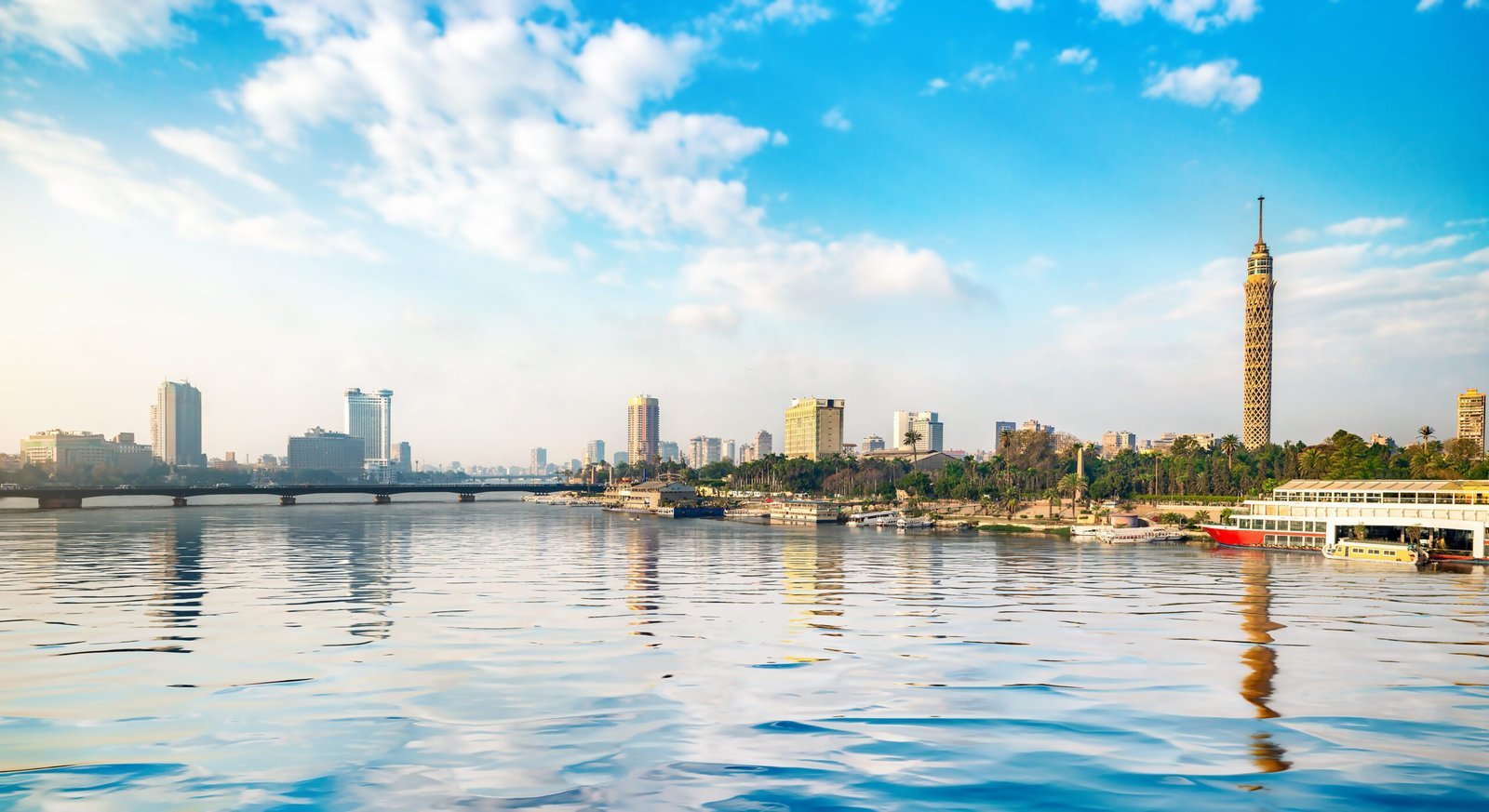
The Nile River: The Lifeline of Egypt’s Civilization
The Nile River, often regarded as the cradle of Egyptian civilization, flows majestically through northeastern Africa, shaping Egypt’s history, culture, and economy. Stretching over 6,600 kilometers, it is the longest river in the world and continues to sustain millions of lives along its fertile banks. More than just a body of water, the Nile symbolizes life, continuity, and prosperity. For travelers seeking to uncover the magic of Egypt, exploring the Nile River offers an unforgettable experience that connects the past with the present.
Attention: Discover the River That Gave Birth to Civilization
Since ancient times, the Nile River has been Egypt’s main source of sustenance. The ancient Egyptians called it “Iteru,” meaning “The River.” Without the Nile, Egypt’s vast desert landscape would be uninhabitable. The river provided fertile soil for agriculture, transportation routes for trade, and spiritual inspiration for countless myths and rituals. Today, tourists can witness the same majestic flow that once nourished Pharaohs and kingdoms, making a Kira Nile Cruise one of the best ways to explore this timeless waterway.
Interest: Geography, History, and Cultural Influence of the Nile River
The Nile River originates from two main tributaries—the White Nile, which begins in East Africa’s Lake Victoria, and the Blue Nile, which starts in Ethiopia’s Lake Tana. These two rivers converge in Sudan and continue northward, flowing through Egypt before emptying into the Mediterranean Sea via the Nile Delta. The river’s yearly flooding was the foundation of ancient Egypt’s agricultural success, as it deposited rich silt onto the floodplains, ensuring abundant harvests.
For modern explorers, cities along the Nile—such as Luxor City and Aswan City—offer an ideal starting point for discovering Egypt’s monumental treasures. Luxor, known as the world’s largest open-air museum, is home to the Karnak Temple and the Valley of the Kings, while Aswan enchants visitors with its serene beauty and the spectacular Abu Simbel Temples.
The Role of the Nile River in Ancient and Modern Egypt
In ancient Egypt, the Nile was worshipped as a divine entity. The river’s predictable flooding cycles signified rebirth and prosperity, influencing Egyptian mythology and religious practices. Today, the Nile continues to be vital to Egypt’s agriculture, providing over 95% of the country’s freshwater. In addition, it serves as a hub for tourism and transportation, connecting major cities and landmarks along its banks.
Travelers can embark on a serene journey aboard a traditional dahabiya, such as the Iris Dahabiya Nile Cruise or experience five-star comfort on the Mövenpick MS Royal Lily Nile Cruise. These cruises offer a blend of luxury and heritage, allowing guests to explore ancient temples, lush landscapes, and charming villages along the Nile’s route.
Iconic Destinations Along the Nile
The Nile River flows through a rich tapestry of iconic sites that capture the soul of Egypt.
In Upper Egypt, Luxor’s Luxor Temple and the Avenue of Sphinxes stand as testaments to ancient architectural brilliance. Crossing the river brings you to the West Bank, home to the Temple of Hatshepsut and the Colossi of Memnon. Further south in Aswan, visitors can marvel at the Temple of Philae and stroll through the colorful Nubian Village, where traditional culture thrives alongside breathtaking scenery.
Adventure and Relaxation on the Nile
Whether you prefer cultural exploration or tranquil relaxation, the Nile River offers both. Adventure seekers can enjoy a Felucca Tour—a traditional Egyptian sailing experience that allows travelers to drift peacefully under the stars. For those desiring ultimate luxury, the Luxury Dahabiya Nile Cruise provides an intimate and exclusive way to explore hidden gems along the riverbanks.
If you’re short on time, consider the 4 Day 3 Night Nile Cruise from Aswan to Luxor or a shorter 3 Nights Nile Cruise, both offering a perfect glimpse into the rich tapestry of Egypt’s ancient history and modern charm.
Desire: Why the Nile River Journey Is a Must for Every Traveler
Traveling along the Nile River is not merely a sightseeing experience—it’s a journey through time. Imagine gliding past ancient temples, watching farmers tending to their fields as they have for millennia, and witnessing the golden glow of sunset reflecting off the water. Each bend of the Nile reveals a story, from Pharaohs’ tombs to sacred temples and lush islands. Whether you choose the Best Luxury Nile River Cruise or the 5-Star Luxury Nile Cruise, the journey promises comfort, cultural immersion, and connection with Egypt’s timeless spirit.
Many travelers combine their Nile adventure with a comprehensive itinerary like the 10 Days Luxury Holiday Tour in Egypt with Nile Cruise, Cairo & Abu Simbel or the 11 Days Luxury Egypt Tour Package, offering a holistic exploration of Egypt’s treasures. These tours seamlessly weave together the allure of ancient monuments, vibrant cities, and the serene beauty of the Nile.
Action: Plan Your Nile River Experience Today
Embarking on a Nile River journey is an extraordinary way to experience Egypt’s essence. Whether through a luxurious cruise, a cultural tour, or an adventurous sailing trip, the Nile welcomes you with open arms. Partnering with the Best Travel Agency in Egypt ensures your trip is seamless, curated, and unforgettable. For those planning their next getaway, combining the serene flow of the Nile with destinations like the Western Desert in Egypt or the bustling Khan El-Khalili Bazaar in Cairo offers a well-rounded Egyptian adventure.
From ancient wonders to modern comfort, the Nile River continues to inspire those who journey along its banks. Book your cruise, explore its timeless landmarks, and let the river’s gentle flow carry you through thousands of years of history.
FAQs About the Nile River
1. Why is the Nile River so important to Egypt’s history?
The Nile River provided fertile soil, transportation, and water resources, making it the foundation of ancient Egyptian civilization and agriculture.
2. What are the best ways to explore the Nile River?
Cruises are the most popular way to explore the Nile. Options like the Best Dahabiya Nile Cruise and other luxury vessels offer immersive experiences along the river.
3. When is the best time to take a Nile River cruise?
The ideal time is between October and April when temperatures are mild and sightseeing conditions are perfect, as suggested in When is the Best Time to Visit Egypt?.
4. Which cities does the Nile River flow through in Egypt?
The Nile flows through major cities such as Cairo, Luxor, and Aswan, each offering unique attractions and cultural experiences for travelers.
5. What are some must-see attractions along the Nile River?
Must-visit sites include the Temple of Hatshepsut, Temple of Philae, and the Abu Simbel Temples, all accessible by Nile cruise tours.

Comment (0)