

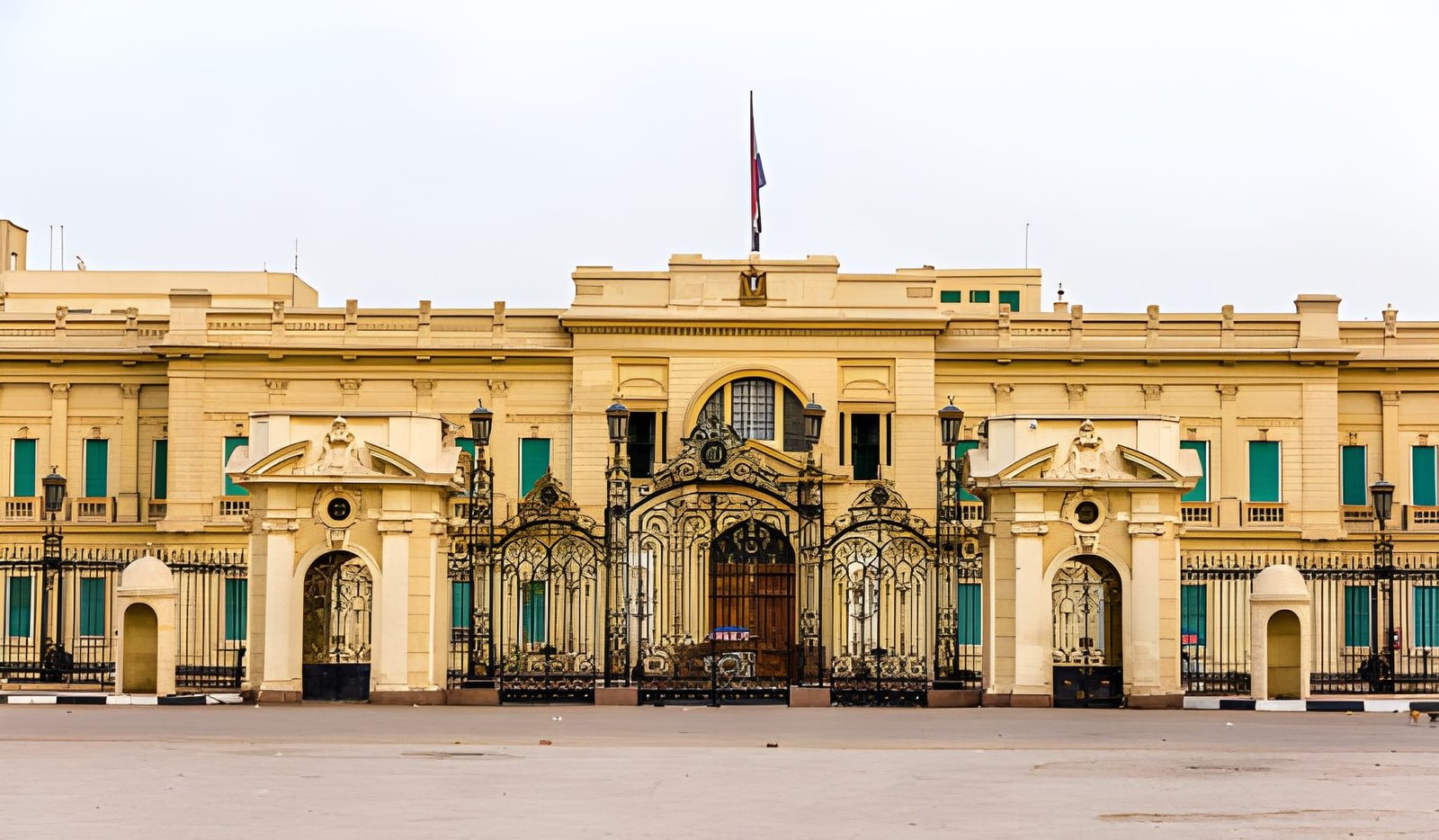
Palaces of Egypt: Timeless Symbols of Royal Grandeur and Architectural Splendor
From the banks of the Nile to the bustling heart of Cairo, the palaces of Egypt embody centuries of royal power, artistry, and cultural refinement. Each palace whispers tales of pharaohs, sultans, and kings who shaped the course of Egyptian history. While the Pyramids of Giza reveal the mystique of ancient Egypt, its palaces stand as living witnesses to the nation’s evolving heritage. These majestic residences—some now museums, others government headquarters, and a few hidden behind guarded gates—capture the dazzling blend of Islamic, Ottoman, and European architectural influences that define Egypt’s royal legacy. They’re more than structures; they’re symbols of elegance, diplomacy, and national pride.
Wander through the marble corridors of Cairo’s Abdeen Palace, gaze upon the seaside charm of Alexandria’s Montazah Palace, or lose yourself in the mysterious beauty of Baron Empain’s Indo-European fantasy. The palaces of Egypt aren’t just landmarks; they’re chapters of a story stretching from the grandeur of the Khedival dynasty to the dawn of modern Egypt. Each stone, chandelier, and mosaic bears the imprint of eras that shaped not only architecture but also the soul of a nation. Let’s dive into Egypt’s most breathtaking palaces and uncover their secrets, artistry, and timeless allure.
Abdeen Palace: The Jewel of Modern Cairo
Standing proudly in the heart of Cairo, Abdeen Palace is more than a royal residence—it’s a living museum of Egypt’s modern history. Built in the 19th century during the reign of Khedive Ismail, this awe-inspiring palace redefined Egypt’s architectural narrative. It was here that the grandeur of European neoclassicism merged with local artistry, producing one of the most opulent palaces in the Arab world. With over 500 rooms, Abdeen Palace’s gilded halls, crystal chandeliers, and intricate frescoes reveal the splendor of a dynasty that sought to rival the courts of Europe.
Today, Abdeen Palace serves as a presidential museum, housing collections of rare gifts, weapons, and historical artifacts that trace the political and cultural evolution of Egypt. Tourists and historians alike marvel at its five specialized museums, including one dedicated to the royal family’s silverware and another to military memorabilia. Its immaculate gardens and baroque façades reflect the ambitions of an Egypt emerging as a modern power, eager to embrace both tradition and innovation.
Montazah Palace: A Mediterranean Marvel in Alexandria
Perched elegantly along Alexandria’s coastline, Montazah Palace captures the spirit of Egypt’s royal leisure. Built by Khedive Abbas II in the early 20th century, it stands surrounded by vast gardens and overlooks the glittering Mediterranean Sea. Its architectural style is an enchanting blend of Florentine and Turkish influences, creating a fairytale-like structure that once hosted royals escaping Cairo’s heat. The palace’s intricate wooden balconies and towering spires echo a romantic era of quiet opulence, where Egyptian rulers entertained diplomats and celebrated the harmony of East and West.
Today, Montazah Palace is partially open to the public, drawing visitors who stroll its gardens scented with jasmine and bougainvillea. The nearby Montazah Gardens stretch across 150 acres, brimming with rare plants and scenic pathways. Tourists often combine a visit here with exploring other Alexandrian landmarks like the Citadel of Qaitbay or the Alexandria Bibliotheca, making it a perfect cultural escape on Egypt’s northern coast.
Baron Empain Palace: Egypt’s Mysterious Architectural Gem
Few structures in Egypt spark as much fascination as the Baron Empain Palace. Located in Heliopolis, this Hindu-inspired mansion was constructed by Belgian industrialist Baron Édouard Empain in the early 1900s. Its architecture, inspired by Cambodia’s Angkor Wat and Indian Hindu temples, defies traditional Egyptian styles, making it one of Cairo’s most intriguing landmarks. Built entirely of reinforced concrete, its structure was revolutionary for its time, adorned with carvings of mythological figures and floral motifs.
Legend surrounds the palace—stories of secret tunnels, mysterious deaths, and haunting rumors have become part of its mystique. Despite its eerie reputation, the palace stands as a testament to early 20th-century innovation and cosmopolitanism in Egypt. Following extensive restoration, it reopened to the public, showcasing exhibitions that trace the history of Heliopolis and its visionary founder. Strolling through its spiral staircases and panoramic terraces, visitors can almost feel the pulse of a bygone era when Egypt embraced modernity without losing its mystic core.
Manial Palace: The Artistic Wonder on the Nile
Just a short drive from Cairo’s center lies the enchanting Manial Palace, a blend of Ottoman, Persian, and Moroccan artistry. Built by Prince Mohammed Ali Tewfik in the early 20th century, this palace reflects the prince’s deep appreciation for Islamic art and architecture. Nestled on Rhoda Island, it’s an oasis of tranquility where lush gardens surround ornately tiled halls and stained-glass windows. Each room tells a different story—delicate arabesques, antique carpets, and handcrafted wooden ceilings infuse the palace with a poetic sense of heritage.
The Manial Palace Museum now houses an impressive collection of manuscripts, textiles, and Islamic artifacts, offering a glimpse into royal life during Egypt’s cultural renaissance. For travelers enchanted by history and design, pairing a visit here with Egypt Day Tours offers an unparalleled experience of art, nature, and history intertwined.
Ras El-Tin Palace: The Seat of Power in Alexandria
As one of Egypt’s oldest surviving royal palaces, Ras El-Tin Palace in Alexandria stands as a symbol of continuity. Built during the reign of Muhammad Ali Pasha in the early 19th century, it has witnessed pivotal moments in Egyptian history—from royal banquets to political transformations. Its neoclassical design, adorned with marble columns and vast courtyards, reflects European influence while maintaining a distinctly Egyptian soul. Overlooking the Mediterranean, Ras El-Tin has long served as a summer residence for Egypt’s rulers and continues to host official functions today.
While much of the palace remains off-limits, its historical weight resonates deeply with Egyptians. It was here that King Farouk signed his abdication in 1952 before leaving for exile, marking the end of Egypt’s monarchy. The palace remains a silent witness to the nation’s transition from royal rule to republic, bridging past and present with enduring grace.
Royal Palaces Beyond Cairo: Hidden Gems Across Egypt
Egypt’s royal heritage isn’t confined to Cairo or Alexandria. Scattered across the country are lesser-known palaces that once echoed with the laughter of princes and the whispers of diplomacy. In Aswan, the Fatimid-style palace that once overlooked the Nile has vanished but left behind legends of royal retreats. Luxor, known for its temples like the Luxor Temple, also housed administrative palaces during the New Kingdom, blending authority with artistic mastery.
In Giza, near the Sphinx Statue, remnants of ancient palatial complexes remind visitors that Egypt’s concept of royal architecture stretches back thousands of years. These sites, while less lavish than modern palaces, symbolize the deep cultural roots from which Egypt’s regal identity blossomed.
The Evolution of Egyptian Palace Architecture
The architectural journey of Egypt’s palaces mirrors the country’s dynamic history. From Pharaonic ceremonial residences to Ottoman-inspired mansions and European neoclassical estates, each era left a unique imprint. The early Islamic dynasties introduced arabesque ornamentation and domed halls, while the Khedival rulers of the 19th century brought in European architects to craft lavish residences rivaling Versailles. Yet, Egyptian craftsmanship always added local character—intricate mashrabiya screens, colored marble, and hand-painted ceilings.
This fusion created a distinctive style that continues to enchant modern designers and historians alike. Travelers exploring these palaces can witness how Egypt’s architecture evolved alongside its politics, reinterpreting global trends through a uniquely Egyptian lens. A journey combining palace visits with a Best Nile River Cruise offers a seamless blend of history, elegance, and adventure.
Frequently Asked Questions about the Palaces of Egypt
1. Which is the most famous palace in Egypt?
The most famous palace in Egypt is Abdeen Palace in Cairo. It stands as a masterpiece of neoclassical architecture and remains a symbol of royal elegance. Once the seat of government, it’s now a museum housing royal collections and rare gifts from world leaders.
2. Can tourists visit Egyptian palaces?
Yes, several Egyptian palaces are open to visitors, including Abdeen Palace, Manial Palace, and Baron Empain Palace. Montazah Palace’s gardens in Alexandria are also accessible, offering scenic views and tranquil walks near the Mediterranean.
3. What’s unique about Baron Empain Palace?
Baron Empain Palace is unique for its Hindu-inspired architecture and mysterious reputation. Built from reinforced concrete, it combines mythological motifs with early 20th-century innovation, making it one of Cairo’s most unusual landmarks.
4. Are Egypt’s royal palaces still used today?
Some palaces, like Ras El-Tin, remain in official use for governmental purposes. Others have been converted into museums or cultural centers, preserving their architectural beauty while opening them to the public.
5. How can travelers explore multiple palaces in one trip?
Planning a multi-city journey with curated packages such as the Best Egypt Travel Packages or combining visits with an Egypt Luxury Tour ensures seamless travel between Cairo, Alexandria, and Luxor. Such tours often include guided access, transportation, and in-depth historical insights, offering a royal experience from start to finish.

Comment (0)