

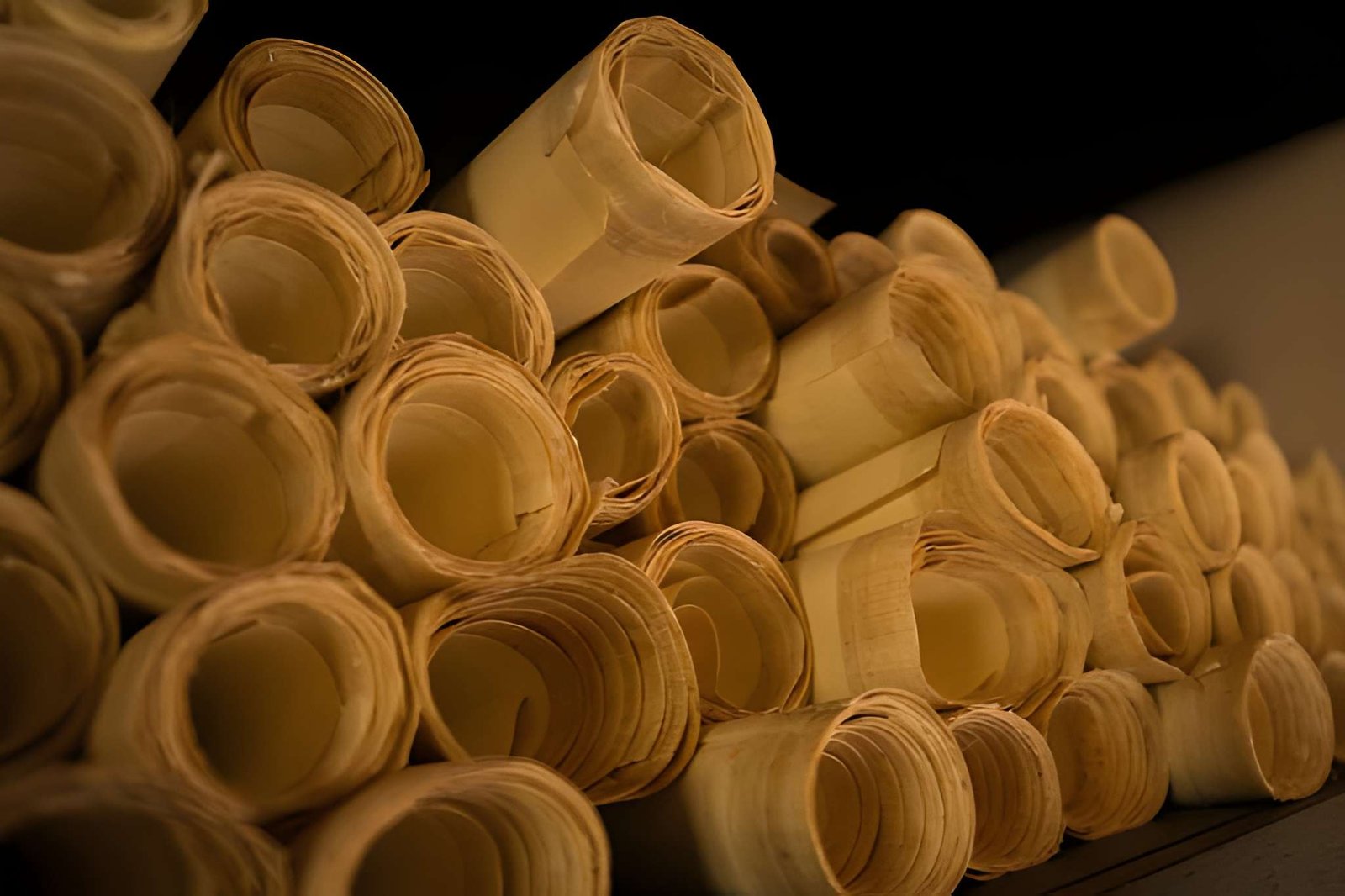
Discover the Timeless Secrets of the Papyrus Museum: Egypt’s Gateway to Ancient Art and Writing
Walking through the Papyrus Museum feels like stepping into the very heartbeat of ancient Egyptian civilization—a place where history isn’t just preserved but whispered through every fiber of the delicate papyrus scrolls. Nestled in Cairo, the museum holds some of the most remarkable remnants of Egypt’s literary and artistic legacy. Here, the past merges with the present, unveiling the deep bond between culture, science, and spirituality that shaped one of the world’s most fascinating civilizations. Every artifact connects us with the ingenuity of the ancient Egyptians, who discovered how to immortalize their words forever on papyrus sheets. Visitors are captivated not only by the visual splendor of hieroglyphics but also by the stories these manuscripts tell about gods, pharaohs, daily life, and cosmic order. The Papyrus Museum stands as a living tribute to Egypt’s enduring influence on human knowledge, calling travelers and history enthusiasts to embark on an enchanting journey through written time.
More than a hub for learning, the museum is also a dynamic stop on many Best Egypt Travel Packages. Whether you’re wandering through the golden corridors of pharaonic dynasties or admiring the meticulous craftsmanship of authentic papyrus paintings, this destination makes history accessible and exhilarating. Its atmosphere balances scholarly depth with visual wonder, allowing both tourists and academics to witness how ancient Egyptians turned plants from the Nile into pages that shaped civilization. In the following sections, we’ll explore in rich detail the museum’s story, its key exhibits, cultural importance, and how to make the most of your visit to this mesmerizing temple of knowledge.
The Birth of Papyrus: From Nile River Reeds to Eternal Words
The story of the Papyrus Museum begins with the remarkable invention of papyrus paper—a cornerstone of Egyptian civilization. Ancient artisans harvested the papyrus plant from the fertile banks of the Nile River, transforming its triangular stems into a durable writing surface that revolutionized communication. By layering, pressing, and drying those strips, Egyptians created a material strong enough to preserve royal decrees, religious hymns, and everyday documents alike. This ingenious innovation made Egypt the intellectual center of the ancient world, enabling scribes to record everything from myths and mathematics to poetry and politics.
Inside the museum, visitors can observe fascinating live demonstrations of traditional papyrus-making. Guides expertly peel, soak, and join the plant, unveiling the precise technique used for millennia. The distinct texture underlines its natural durability—some sheets over 3,000 years old remain perfectly legible. Each exhibit within the Papyrus Museum showcases how this timeless craft turned plants into parchment and ushered humanity into the written age. It’s a spectacle of scientific brilliance and artistic flair that continues to spellbind both locals and travelers.
Exquisite Artistry and the Language of Hieroglyphics
Among the highlights of the Papyrus Museum are the astounding papyrus paintings that mimic original designs found in tombs and temples like the Luxor Temple and The Karnak Temple. Visitors discover how scribes combined pigments made from natural minerals with detailed hieroglyphic inscriptions to create breathtaking records of spiritual beliefs and everyday events. These scrolls depict gods like Osiris, Isis, and Anubis, historical scenes of coronations, and even astrological charts that guided ancient farmers and priests.
Each papyrus piece tells a story through colors that represent cosmic forces—blue for divinity, red for vitality, and green for resurrection. The Papyrus Museum curators take immense care in preserving these textures while narrating their broader cultural significance. If you’ve ever wondered how history looked through the lenses of Egyptian scribes, these masterpieces provide the most vivid answer imaginable. No static textbook can replicate the emotional depth of encountering an actual document that once shaped national consciousness.
The Cultural and Theological Essence of Ancient Egyptian Papyrus
Egyptian papyrus was far more than a writing material—it was a divine medium. The ancient Egyptians revered Thoth, the god of wisdom and writing, believing he gifted humanity with language itself. Many artifacts in the Papyrus Museum include papyri containing hymns, prayers, and funeral texts central to understanding Egyptian theology. The famous “Book of the Dead” fragments, for example, illustrate a soul’s passage through judgment before Osiris, merging art and belief seamlessly.
The curators go beyond simple display; they connect themes between texts, highlighting links between agriculture, astronomy, and faith. Modern visitors gain a profound appreciation of how closely daily life intertwined with spirituality. Whether studying the patterns of celestial alignment or admiring symbolic motifs similar to those found near the Abu Simbel Temples, the museum experience fosters awe. The papyrus scrolls reflect not just ancient art but the rhythm of an entire culture beating through time.
Modern Preservation and Innovation at the Papyrus Museum
While it celebrates the ancient, the Papyrus Museum employs state-of-the-art preservation techniques. The museum maintains climate-controlled rooms to safeguard fragile manuscripts from humidity and light damage, ensuring that future generations can appreciate this timeless legacy. Photographic replication and digital documentation projects are ongoing, allowing scholars globally to analyze Egypt’s scriptural treasure through virtual archives.
Visitors also enjoy immersive displays enhanced with interactive screens that decode hieroglyphic symbols and translate ancient passages in real-time. This blend of tradition and technology encourages younger generations to engage with history. Alongside prominent cultural institutions like The National Museum Of Egyptian Civilization, the Papyrus Museum remains at the forefront of Egypt’s ongoing cultural revival. Here, preservation meets innovation—a rare harmony between heritage and modernity.
Visiting the Papyrus Museum: A Journey Through Living History
Tourists can easily reach the Papyrus Museum from Cairo’s major landmarks, making it a convenient addition to itineraries that include the Pyramids of Giza or The Egyptian Museum. The museum’s guided tours provide invaluable insight into papyrus production and its historical context. Enthusiastic specialists narrate incredible tales behind each exhibit, anchoring ancient innovations to the modern world. Guests can even purchase certified handmade papyrus artworks, ensuring an authentic souvenir of Egyptian craftsmanship. Each piece sold supports local artisans who continue the papyrus-making legacy, sustaining cultural practices passed down through generations.
If you’d like to enhance your adventure beyond Cairo, consider pairing your museum visit with a Best Nile River Cruise to witness firsthand the natural source of papyrus along Egypt’s most legendary waterway. For the ultimate mix of culture and luxury, travelers often include stops through curated itineraries like Egypt Luxury Tour or scenic routes aboard the Iris Dahabiya Nile Cruise. Every route complements your understanding of this ancient craft by connecting art, environment, and history in one unforgettable experience.
Educational Significance and Global Recognition
Beyond its visual splendor, the Papyrus Museum holds immense educational value. Scholars and historians from around the world study its collection to reconstruct Egypt’s complex bureaucratic systems, economic networks, and artistic evolution. Papyrus documents record trade details, military campaigns, and religious ceremonies—each revealing how written communication facilitated national unity and governance.
Students discover how these texts contributed to the proliferation of knowledge across borders. Through the exchange of papyrus scrolls, Greece and Rome adopted Egyptian wisdom, influencing Western philosophy, art, and science. Modern exhibitions emphasize this interconnected legacy, positioning the Papyrus Museum as more than a local treasure—it’s a cornerstone of global heritage.
Authenticity and Ethical Sourcing of Papyrus Art
Authenticity matters deeply in Egypt’s papyrus trade. The museum guarantees that every piece it showcases or sells follows traditional and sustainable methods. Visitors often learn how to distinguish genuine papyrus from imitations. Real sheets have a characteristic lattice structure visible when held to light, unlike synthetic reproductions. Demonstrations reveal that true craftsmanship adheres to ancient techniques, honoring the environmental and cultural standards established thousands of years ago.
This dedication to authenticity protects Egypt’s intangible cultural heritage and fosters trust between creators and consumers. Whether purchasing an exquisite artwork of the Egyptian Eye of Horus or symbolic representations from Ancient Egyptian Papyrus Art, visitors become custodians of tradition in a profoundly personal way.
Best Time to Explore the Papyrus Museum
The best time to visit the Papyrus Museum coincides with Egypt’s mild seasons, typically from October through April. Comfortable weather enhances the enjoyment of cultural outings across Cairo, where nearby attractions like the Khan El-Khalili Bazaar and Islamic Cairo invite deeper exploration. During these months, sunlight softly illuminates the papyrus exhibits, highlighting earthy textures and glowing hieroglyphs that photograph beautifully.
Combining your museum tour with broader experiences from Egypt Day Tours ensures an enriching cultural immersion. The museum’s proximity to major roads and metro lines makes it an accessible stop for families, students, and adventurers alike.
FAQs about the Papyrus Museum
What can visitors expect to see inside the Papyrus Museum?
The Papyrus Museum displays authentic ancient manuscripts, recreated papyrus art scenes, and live demonstrations showing how papyrus was traditionally made. Visitors explore exhibits of famous Egyptian texts, handcrafted artwork, and the tools ancient scribes used to record history.
Where is the Papyrus Museum located?
The Papyrus Museum is located in Cairo, near major tourist zones and within easy reach of iconic landmarks such as the Pyramids of Giza and the Egyptian Museum, making it a perfect cultural stopover for travelers exploring Egypt’s capital.
Is photography allowed inside the Papyrus Museum?
Photography is typically permitted in designated areas, though flash is often prohibited to protect delicate papyrus fibers. Some exhibitions may have restrictions, so visitors should confirm with museum staff before taking photos.
Can visitors buy authentic papyrus art at the museum?
Yes, the Papyrus Museum features a gift shop selling hand-painted, certified papyrus works made by local artisans following traditional methods. Each artwork includes an authenticity guarantee and makes a meaningful souvenir.
Why is the Papyrus Museum important to Egyptian culture?
It preserves the legacy of ancient Egyptian written communication and art, showcasing how papyrus shaped the development of language, religion, and intellectual progress. The museum bridges ancient knowledge with contemporary appreciation, ensuring Egypt’s written heritage continues to inspire global audiences.

Comment (0)