

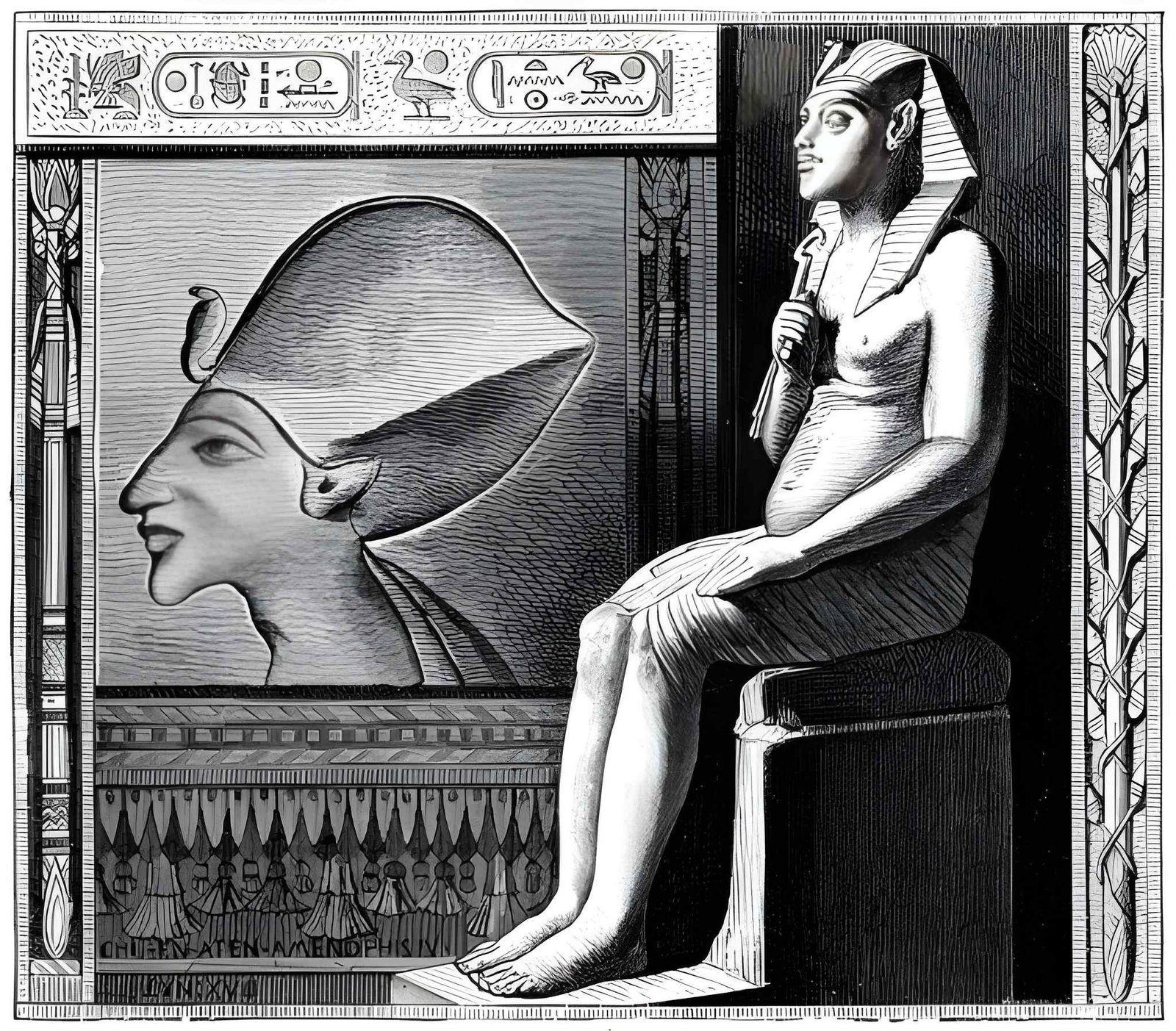
Pharaoh Akhenaten: The Rebel King Who Changed Egypt Forever
Among the pharaohs who ruled ancient Egypt, one stands apart as both visionary and controversial—Akhenaten, the “Heretic King.” His reign marked one of the most radical transformations in Egyptian history, disrupting centuries of religious tradition and artistic convention. This article explores the enigmatic life of Akhenaten, his revolutionary monotheism, and how his legacy continues to fascinate travelers exploring Egypt’s timeless wonders.
Attention: The Pharaoh Who Defied Tradition
Pharaoh Akhenaten ruled during the 18th Dynasty, around 1353–1336 BCE. Originally named Amenhotep IV, he broke from the established worship of Egypt’s pantheon of gods, particularly Amun, and introduced a revolutionary concept—monotheism focused on Aten, the sun disk. This radical change shook the very foundation of Egyptian religion and society.
Visitors interested in following Akhenaten’s revolutionary footsteps can explore the ancient ruins of Tell El Amarna, the city he built for Aten’s worship. This site reveals glimpses of a pharaoh’s daring vision to reshape an entire civilization.
Interest: The Birth of Amarna – Egypt’s New Capital
In his fifth year of reign, Akhenaten founded a new city called Akhetaten, or “Horizon of the Aten,” known today as Amarna. Located in Middle Egypt, this city was designed to serve as the spiritual and administrative center of his new religion. The architectural layout broke away from traditional Egyptian temple design, reflecting a new artistic freedom and devotion to Aten’s life-giving power.
Travelers who embark on a 11 Day Egypt Tour can include a visit to Amarna to witness the remains of palaces, temples, and houses that once flourished under Akhenaten’s reign. This archaeological site offers an unparalleled look at an era when Egypt dared to reinvent itself.
Desire: Akhenaten and Nefertiti – A Royal Partnership Beyond Compare
One of the most captivating aspects of Akhenaten’s life is his partnership with Queen Nefertiti. She wasn’t merely a consort but an equal partner in his religious and political revolution. Artistic depictions show them worshipping Aten together, symbolizing the intimate fusion of divine and royal authority.
Their reign ushered in a new artistic style—naturalistic and emotional—departing from the rigid conventions of earlier Egyptian art. Travelers exploring masterpieces in the Egyptian Museum can see exquisite sculptures and reliefs from this period that reveal human warmth and affection rarely seen in ancient art.
Akhenaten’s Revolution in Religion and Art
Before Akhenaten, Egyptian religion was deeply polytheistic, centered around a multitude of gods like Osiris, Isis, and Ra. Akhenaten’s elevation of Aten to the supreme and sole deity represented a seismic shift. Temples were built open to the sunlight, symbolizing direct communion with the solar god. This move angered the powerful priesthood of Amun, making Akhenaten’s rule fraught with resistance.
To grasp the spiritual atmosphere of the time, one can visit the temples along the Nile, including Dendera Temple Complex and Temple of Seti, which contrast sharply with Aten’s minimalist worship structures. These temples preserve the grandeur of Egypt’s polytheistic age, highlighting what Akhenaten sought to reform.
Action: Discovering Akhenaten’s Legacy in Modern Egypt
After Akhenaten’s death, traditional beliefs quickly returned. His city was abandoned, and his name nearly erased from history in a campaign of damnatio memoriae. Yet, modern archaeology has revived his story, revealing a pharaoh centuries ahead of his time. Akhenaten’s focus on light, life, and individuality continues to intrigue scholars and travelers alike.
For modern explorers, Egypt offers the chance to walk through Akhenaten’s world. Begin in Cairo with a Cairo and Nile Cruise Tour that connects the capital’s museums with ancient temples. Continue to Luxor, where you can visit the Valley of the Kings, final resting place of his son, Tutankhamun, who restored the old gods after Akhenaten’s reign.
You can also explore the Abu Simbel Temples in Aswan, which illustrate the return of divine plurality under later pharaohs. These monumental sites remind visitors of the spiritual tension and renewal that shaped Egypt’s golden age.
Why Akhenaten Remains a Symbol of Change
Akhenaten’s radical vision redefined how Egyptians viewed divinity and kingship. His emphasis on Aten as the singular life force mirrored a philosophical awakening that some consider the earliest form of monotheism. Yet, his reforms were too abrupt for his people, leaving a legacy both admired and misunderstood.
Those fascinated by this duality can enhance their journey by visiting Egypt’s best cities, where museums and monuments preserve the echoes of the Amarna period. From the art galleries of Luxor to the desert ruins of Amarna, Akhenaten’s influence is woven into Egypt’s historical fabric.
Modern Explorers Following Akhenaten’s Footsteps
Travelers today are rediscovering Akhenaten’s story through immersive experiences. Consider joining a guided adventure tour or a cultural eco tour that includes Middle Egypt’s archaeological sites. These curated journeys reveal how Akhenaten’s spiritual reforms influenced art, architecture, and daily life.
For a deeper understanding of the region’s spiritual legacy, you can explore ancient Egyptian animal gods to see the contrast between Akhenaten’s monotheism and Egypt’s traditional pantheon. The juxtaposition of these beliefs makes Egypt an open-air museum of evolving faith and power.
Akhenaten’s Influence on His Successors
Despite attempts to erase him, Akhenaten’s ideas persisted subtly. His son, Tutankhamun, restored the old gods but inherited his father’s artistic sensitivity. The Amarna style influenced temple reliefs and tomb art long after Akhenaten’s death. Evidence of this can be admired in the Luxor Museum, where artifacts from both reigns stand side by side, bridging two worlds of belief.
Planning Your Journey Through Akhenaten’s Egypt
Exploring the story of Akhenaten offers a journey through time—from the bustling capital of Cairo to the serene landscapes of Amarna and Luxor. For an unforgettable cultural immersion, travelers can book a 12 Day Egypt Tour Itinerary or a 9 Day Egypt Tour to discover the monuments, temples, and artifacts that define this transformative era.
Each step through these ancient sites invites reflection on how one man’s vision could challenge millennia of tradition—and how his quest for spiritual truth continues to spark curiosity today.
Conclusion: The Eternal Light of the Aten Lives On
Pharaoh Akhenaten’s reign remains one of the most fascinating chapters in Egyptian history. His attempt to unify belief under one god reshaped not only religion but also art, architecture, and royal ideology. Although his reforms were ultimately reversed, his legacy endures in Egypt’s sands, temples, and enduring spirit of innovation.
When planning your next adventure, let Akhenaten’s story inspire your exploration of ancient Egypt. Whether through a Nile cruise or a photography tour, witnessing the world he tried to reshape is an experience that connects you to the heart of Egypt’s timeless allure.
FAQs about Pharaoh Akhenaten
1. Who was Pharaoh Akhenaten?
Pharaoh Akhenaten, originally Amenhotep IV, was a ruler of Egypt’s 18th Dynasty known for introducing monotheism centered on Aten, the sun disk. His reign revolutionized religion and art in ancient Egypt.
2. What was the significance of Tell El Amarna?
Tell El Amarna, founded by Akhenaten, was Egypt’s new capital dedicated to Aten. The city symbolized his religious revolution and remains an important archaeological site for understanding his reign.
3. How did Akhenaten change Egyptian art?
Akhenaten’s rule introduced naturalism in Egyptian art, depicting the royal family with emotional realism and daily life scenes, a major departure from traditional formal styles.
4. What happened after Akhenaten’s death?
After his death, Egypt restored traditional polytheism. His city was abandoned, and his successors, including Tutankhamun, reinstated the worship of Amun and other gods.
5. Can travelers visit Akhenaten’s sites today?
Yes, travelers can visit Tell El Amarna and related sites in Middle Egypt. Including them in a customized Egypt itinerary offers a once-in-a-lifetime exploration into the legacy of the rebel pharaoh.

Comment (0)