

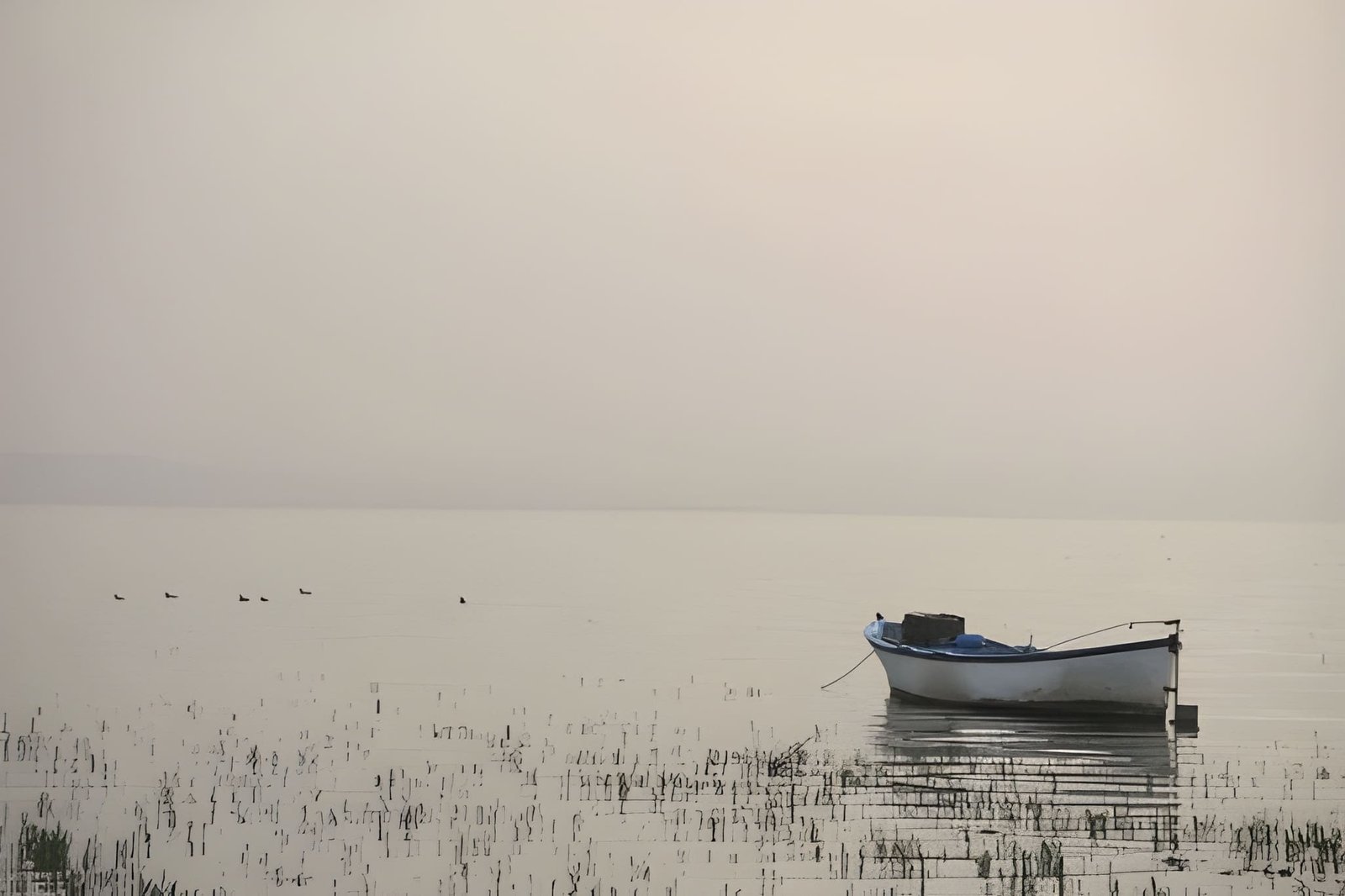
Qarun Lake – A Timeless Natural Wonder in Egypt’s Faiyum Oasis
Tucked away in the heart of the fertile Faiyum Oasis, Qarun Lake—also known as Birket Qarun—unfolds like a shimmering mirage amidst Egypt’s arid landscape. As one of the oldest natural lakes on Earth, it tells a story that stretches back millions of years, intertwining geological marvels, archaeological treasures, and ecological diversity. Once connected to the Nile River, the lake lives on as a reminder of ancient Egypt’s enduring relationship with nature. Today, it serves not just as a vital ecosystem, but as a magnet for travelers seeking serenity, birdwatching, and glimpses of Egypt’s lesser-known splendors. The surrounding region’s blend of history, folklore, and geography makes Qarun Lake a true gem for those looking to experience the country beyond the iconic Pyramids of Giza.
At over 200 square kilometers in area, Qarun Lake remains one of Egypt’s largest bodies of inland water and lies approximately 80 kilometers southwest of Cairo, within the Fayoum & Western Desert region. The lake’s high salinity, attributed to centuries of evaporation, nurtures a unique habitat where migratory birds, local fishermen, and curious tourists converge. Add to that the nearby ancient sites like Qasr Qarun Temple and the fossil-laden terrain of Wadi Al-Hitan, and you have the blueprint of an extraordinary Egyptian adventure.
Whether you’re drawn by its natural tranquility, its role in environmental conservation, or the myths that link it to the notorious Qarun (Korah) of biblical fame, Qarun Lake offers a rich tapestry of stories waiting to be discovered. It personifies balance—between water and desert, history and modernity, myth and science. Travelers who step off the beaten path to explore this lake find an enchanting landscape that embodies Egypt’s timeless mystery while offering unmatched opportunities for eco-tourism, photography, and cultural immersion.
The Geological Legacy of Qarun Lake
Formed millions of years ago, Qarun Lake traces its origins to prehistoric times when the area was part of a vast freshwater system. The lake’s basin was sculpted through intricate geological processes that gradually separated it from the Nile. Today, its salinity and mineral content mark the evolution of a landscape shaped by both natural forces and human agricultural practices. Around its shores, sediments preserve fossils from an age when Faiyum teemed with hippos, crocodiles, and early mammals—reminders of when water covered what is now desert.
Nearby attractions like Wadi Al Hitan (the Valley of the Whales), a UNESCO World Heritage site, reveal fossilized remnants of ancient whales, showcasing earth’s evolutionary story. Travelers exploring these areas quickly realize Qarun Lake is not just picturesque—it’s a scientific haven. Geologists, anthropologists, and historians continue to unearth findings that illuminate Egypt’s transition through shifting climates and civilizations, proving that nature and history have been dancing partners for eons.
Historical Importance and Ancient Civilizations Around Qarun Lake
Long before modern Egypt emerged, Qarun Lake sustained thriving agricultural communities. The ancient Egyptians, particularly during the Middle Kingdom, developed a sophisticated irrigation system connecting the Nile’s waters to Faiyum. This engineering ingenuity transformed arid land into a lush breadbasket. Archaeological evidence suggests that Pharaoh Amenemhat III oversaw large-scale reclamation projects in this region, helping flourish settlements near the lake’s shores.
Just west lies Qasr Qarun Temple, an ancient Greco-Roman structure dedicated to Dionysus. It stands as testimony to the lake’s cultural significance during multiple historical periods—from pharaonic rule to Roman occupation. The temple, well-preserved with intricate carvings, overlooks the water like a stone sentinel. Adventurous travelers often include this site in their itineraries alongside the Bahariya Oasis Egypt and the White Desert Egypt for a well-rounded desert expedition combined with historical exploration.
Myths, Legends, and the Etymology of Qarun Lake
The name “Qarun” has stirred debate among historians and theologians. Many connect it to the biblical Korah (Qarun in Arabic), known for his immense wealth and tragic downfall. According to folklore, his vast treasures were swallowed by the earth near this lake—thus giving it legendary fame. Locals still whisper tales of hidden gold buried beneath the shimmering waters. Whether mythical or real, these stories have enhanced the lake’s allure, transforming it into a symbol of greed, morality, and divine retribution.
Such narratives breathe cultural depth into the landscape, harmonizing with Egypt’s tradition of storytelling. They make visiting Qarun Lake not only scenic but spiritually and intellectually stimulating—a destination as rich in legend as in life.
Ecological Significance and Biodiversity of Qarun Lake
Despite its saline nature, Qarun Lake is a thriving habitat for diverse flora and fauna. The lake serves as an essential stopover for migratory birds traveling along the African-Eurasian flyway. Flamingos, herons, pelicans, and even rare species seek refuge on its tranquil waters. This avian congregation makes the lake a paradise for birdwatchers and photographers yearning for authentic natural experiences.
Because the region’s ecosystem is delicate, conservation efforts have intensified in recent years. The Egyptian government and international environmental organizations work tirelessly to manage rising pollution levels, unregulated fishing, and climate shifts. Ecotourism initiatives, such as guided boat tours and sustainable lodgings in nearby Tunis Village Faiyum, help maintain a balance between preservation and prosperity. Visitors supporting these programs indirectly contribute to protecting one of Egypt’s most valuable natural assets.
Fayoum Oasis Attractions Near Qarun Lake
Qarun Lake sits at the heart of the enchanting Fayoum Oasis, which bursts with life and culture. The surrounding landscape offers breathtaking desert dunes, lush farmlands, and artistic villages. Travelers can immerse themselves in local crafts and pottery at Tunis Village, visit the surreal cascades of Wadi El Rayan, or explore the ancient biodiversity of Wadi Al Hitan. Each location complements the serenity of Qarun Lake, making the region an epicenter of eco-tourism intertwined with heritage.
Nearby accommodation ranges from cozy ecolodges to boutique hotels in Tunis Village, where sustainability meets comfort. The area’s traditional Egyptian hospitality ensures each guest enjoys genuine warmth with panoramic lake views. Many travelers combining sightseeing here with Egypt Day Tours find Faiyum a refreshing contrast to Egypt’s bustling cities, offering a slower, more contemplative rhythm of life.
Activities and Experiences Around Qarun Lake
Adventure seekers and peace lovers alike find plenty to enjoy around Qarun Lake. Popular activities include sailing, fishing, sandboarding, and birdwatching. Visitors can hike along the escarpments for unmatched views or enjoy customary picnics with local delicacies by the shore. For those intrigued by photography and nature, golden sunsets over the saline water provide breathtaking moments worthy of a portfolio highlight.
Several travel operators incorporate Faiyum explorations into broader itineraries. You can easily combine a Qarun Lake excursion with Best Nile River Cruises or extended vacation packages like the 10 Day Egypt Luxury Trip with Dahabiya Nile Cruise. The juxtaposition between the fertile lakeside and Nile’s grandeur creates an unforgettable travel experience weaving desert silence with river majesty.
Local Life and Cultural Heritage Around the Lake
The communities living around Qarun Lake maintain traditions deeply rooted in Egypt’s rural culture. Fishermen set out at dawn, casting nets into the salty expanse, while women weave handicrafts inspired by the surrounding sands and waters. The markets bustle with fresh catch and crafts, painting vivid pictures of life harmonious with the ecosystem. The fusion of culture, environment, and livelihood underpins Faiyum’s distinctive charm.
Adding to this, the artistic pulse of Tunis Village Pottery has transformed the area into a creative hub. Contemporary artisans merge heritage techniques with modern aesthetics, producing works that embody Egyptian resilience and imagination. Tourists who visit Qarun Lake often come away with not only photographs but pottery pieces steeped in local identity.
Best Time to Visit Qarun Lake and Travel Tips
The best time to visit Qarun Lake is between October and April, when temperatures are mild, and migratory birds are abundant. During these months, the lake exudes tranquility and soft golden hues ideal for exploration and relaxation. Summer months, though warmer, bring distinct charm with vibrant sunsets and quieter surroundings. Travelers planning their trip should combine a visit with insights from When is the Best Time to Visit Egypt? to optimize their travel experience.
Light clothing, hats, and plenty of water are a must when venturing into the desert environment. Hiring a local guide through reputable agencies like Travme Tours can elevate the experience, offering expert commentary and access to exclusive local encounters. The combination of professional planning and spontaneous discovery transforms a simple visit into an unforgettable journey—one that words can hardly capture in full.
Practical Insights: Getting to Qarun Lake
Located roughly two hours from Cairo, Qarun Lake is accessible by car or organized tours. The road trip from the capital unveils Egypt’s diverse landscapes—from bustling metropolises to tranquil farmlands and golden dunes. Tourists looking for seamless arrangements often opt for curated packages such as Egypt Tour with Nile Cruise or 8 Days Egypt Trip Package, which can include Faiyum as an optional day excursion.
Public transport options exist but are less convenient due to limited direct services. Hiring private transportation ensures flexibility for exploring hidden spots around the lake. Once there, visitors can stop at roadside markets brimming with fresh fruits, handmade crafts, and authentic Egyptian snacks—a delicious prelude to the beauty awaiting by the water’s edge.
Why Qarun Lake Should Be on Every Traveler’s Egypt Bucket List
Qarun Lake epitomizes Egypt’s untamed beauty, merging natural allure with human heritage. It’s a place where each sunrise whispers tales of ancient Pharaohs, and every bird’s call hints at the region’s life-giving rhythm. For tourists yearning to explore beyond monuments, this lake offers genuine connection to Egypt’s heart. It embodies a slower pace, providing mental clarity amid endless sand and sunlit waves.
By integrating Qarun Lake into your journey, whether you’re on a Best Egypt Travel Packages itinerary or an independent adventure, you unlock a dimension of Egypt far from the crowds yet equally captivating. The landscape invites you to disconnect from the world and reconnect with nature—the purest form of travel enlightenment. So, pack your camera, embrace the breeze, and let the timeless waters of Qarun Lake leave their impression on your soul.
Frequently Asked Questions About Qarun Lake
What makes Qarun Lake unique compared to other Egyptian lakes?
Qarun Lake stands out as one of the oldest natural lakes in the world, offering both historical and ecological significance. Its high salinity, location within the Faiyum depression, and rich archaeological surroundings set it apart from man-made reservoirs like Lake Nasser In Africa. The lake supports thousands of migratory birds, creating a unique ecosystem that blends history, myth, and natural beauty.
Is Qarun Lake suitable for tourists and families?
Absolutely. Qarun Lake is a perfect destination for eco-tourists, families, and cultural travelers. The nearby Tunis Village provides family-friendly accommodation and pottery workshops, while the lake’s shores invite leisurely picnics, nature walks, and photography sessions. Many visitors also combine this serene outing with broader adventures such as the 11 Days Luxury Egypt Tour Package, creating balanced itineraries that

Comment (0)