

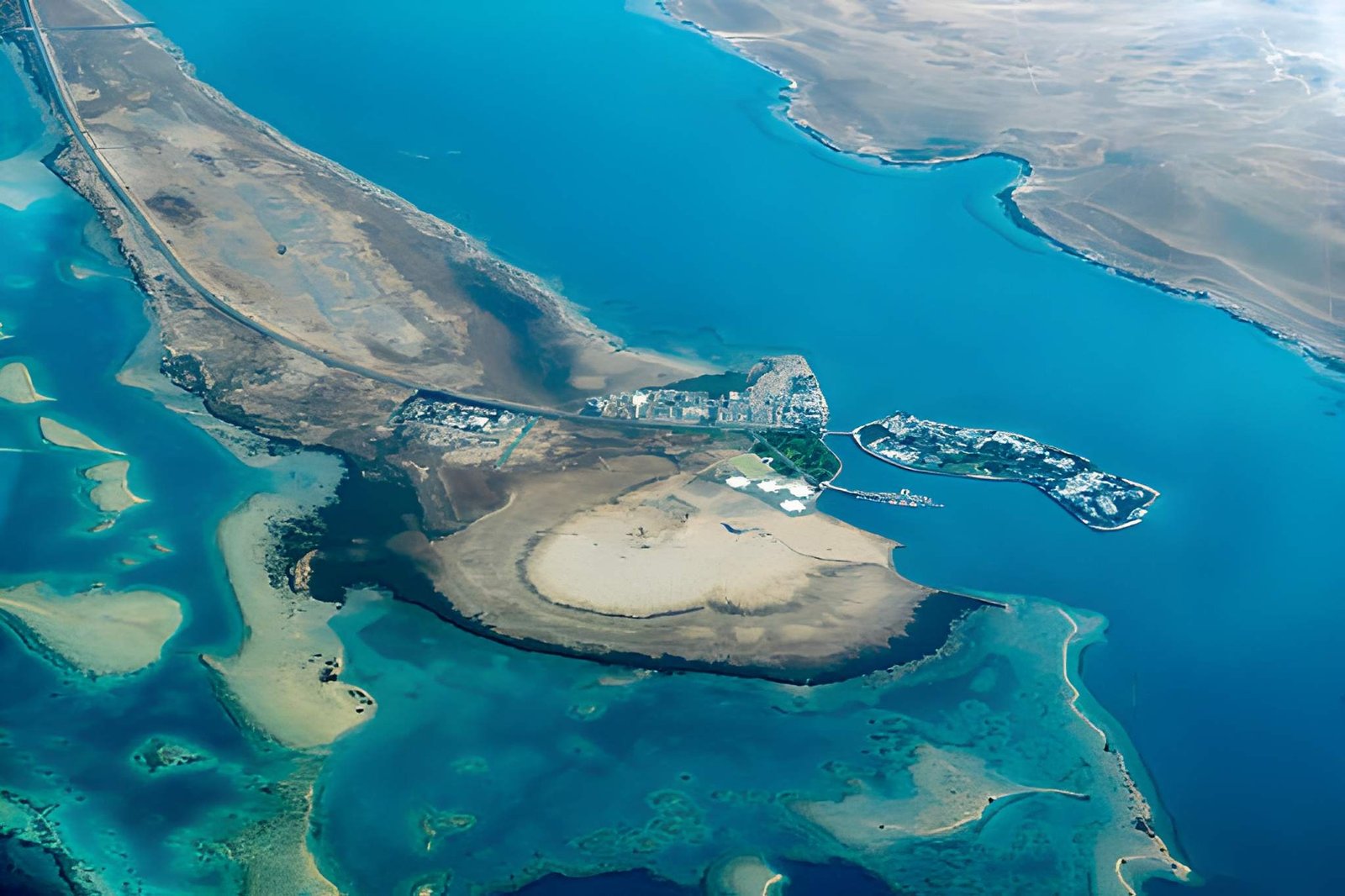
Ras Mohammed National Park – Egypt’s Underwater Eden and Desert Sanctuary
Perched at the southernmost tip of the Sinai Peninsula, Ras Mohammed National Park is a slice of paradise that seamlessly weaves the mysteries of the desert with the magic of the Red Sea. Established in 1983 as Egypt’s first national park, Ras Mohammed covers over 480 square kilometers of some of the world’s most biodiverse marine ecosystems. Travelers from across the globe are drawn to its crystal-clear waters, vibrant coral reefs, and moonlike landscapes sculpted by ancient tectonic forces. The park has achieved legendary status among scuba divers, photographers, and nature lovers who seek to experience Egypt’s marine heritage in its purest form.
What makes Ras Mohammed truly exceptional is its unparalleled blend of marine and terrestrial life. Its coral reefs are among the healthiest and most colorful on the planet, guarded by an abundant variety of tropical fish, sea turtles, and migrating sea birds. Yet the park isn’t just about the sea; its land hosts salt marshes, fossilized coral shelves, and mangrove forests that sustain delicate desert ecosystems. Every inch of Ras Mohammed tells a story of resilience and harmony—between red dunes and turquoise waters, between wildlife and wind, between conservation and adventure.
As part of Egypt’s remarkable network of protected regions, Ras Mohammed offers a gateway into a world where the Red Sea’s depths meet the rugged beauty of the Sinai. It’s a destination that resonates with those seeking authentic, sustainable travel experiences. Visitors exploring Egypt’s coastal resorts such as Sharm El Sheikh often include Ras Mohammed in their itineraries, immersing themselves in breathtaking snorkeling and diving adventures that have earned the park international acclaim.
The Geography and Ecosystems of Ras Mohammed National Park
Ras Mohammed sits strategically where the waters of the Gulf of Suez and the Gulf of Aqaba converge. This unique location creates extraordinary current patterns and nutrient flows, making the region a hotspot of marine productivity. Beneath its tranquil blue surface, the Red Sea conceals dramatic underwater walls, coral gardens, and fracture zones teeming with biodiversity. The park’s geography is shaped by the tectonic activity of the rift valley, producing striking cliffs and submerged canyons that are a marvel for scientists and divers alike.
On land, Ras Mohammed’s arid terrain contrasts sharply with its aquatic realms. Salt pans shimmering under the sun and fossilized coral terraces dating back thousands of years whisper stories of ancient geological shifts. The famous mangrove channel at the park’s edge, one of the northernmost on Earth, provides crucial shelter for juvenile fish and migratory birds. It’s a delicate environment that mirrors the fragile balance between desert and sea—a balance preserved through thoughtful conservation policies.
Diving and Snorkeling Destinations within the Park
For divers, Ras Mohammed National Park is the crown jewel of the Red Sea. Its underwater visibility often exceeds 30 meters, revealing thriving coral gardens and historic wrecks. Shark Reef and Yolanda Reef form one of the most exhilarating dive sites in the world. Here, vertical walls drop hundreds of meters, enveloping divers in a kaleidoscope of soft corals and schools of barracuda, jackfish, and sometimes reef sharks. Adventurous souls can also explore Jackfish Alley or Eel Garden, each promising an unforgettable experience of Egypt’s marine wonders.
Snorkelers are equally spoiled. Nearshore reefs such as Old Quay or the main beach area allow visitors to encounter parrotfish, butterflyfish, and clownfish within arm’s reach. Many tours offered by eco-conscious operators include stops at Ras Mohammed from Red Sea Resorts & Parks, making it an easy and rewarding escape for families and solo explorers alike.
Unique Flora and Fauna of Ras Mohammed National Park
Ras Mohammed’s landscapes boast surprisingly diverse life forms adapted to extremes. Over 150 species of coral and more than 1,000 species of fish populate its coastal waters. On land, the park harbors acacia trees, caper bushes, and desert succulents that have evolved ingenious survival strategies. Bird enthusiasts can spot ospreys, white storks, and herons that stop over during their migration season, while small mammals such as foxes and gazelles roam the rocky valleys under starlit Egyptian skies.
Conservation programs continue to protect endangered species here, ensuring Ras Mohammed remains a sanctuary for future generations. The Egyptian government’s dedication to sustainable tourism helps preserve the region’s delicate equilibrium, balancing visitor access with ecological stewardship.
Environmental Conservation and Sustainable Tourism
Ras Mohammed’s success is largely due to rigorous environmental management. Strict regulations minimize damage from anchors, pollution, and unregulated fishing.

Comment (0)