

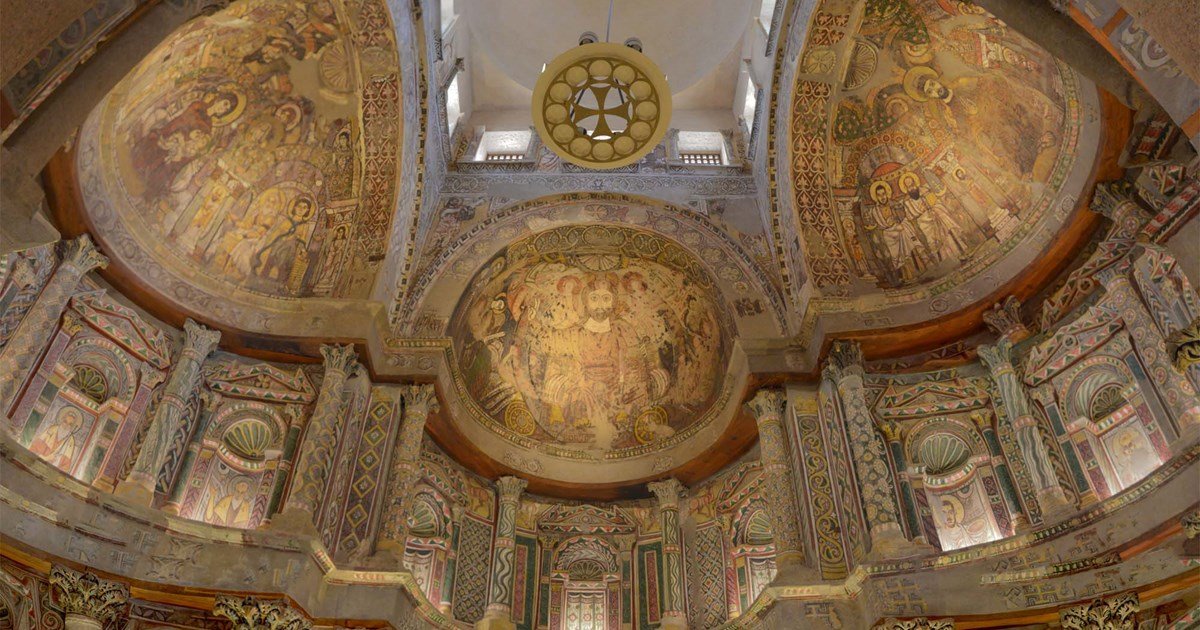
Red Monastery – A Hidden Gem of Early Christian Architecture in Egypt
In the heart of Upper Egypt lies a breathtaking monument that stands as a testament to Christian faith, ancient artistry, and Egyptian heritage—the Red Monastery, or Deir el-Ahmar in Sohag. This magnificent Coptic site is one of Egypt’s least-known yet most remarkable historical landmarks, steeped in centuries of devotion, craftsmanship, and cultural evolution. Founded during the late 4th or early 5th century, the Red Monastery continues to awe art lovers, historians, and spiritual seekers alike. Its preservation of ancient frescoes, intricate carvings, and symbolic architecture offers an unmatched insight into early Christian monastic life. Every column, wall fresco, and carved arch narrates stories of perseverance and divine inspiration, bridging centuries of cultural exchange between pagan art and Christian faith. For visitors eager to uncover the spiritual essence of Egypt, the Red Monastery stands as an unforgettable experience that unveils the living pulse of Coptic history.
When part of an immersive journey through Egypt’s spiritual and historical treasures, visiting the Red Monastery complements explorations of other remarkable monuments like the White Monastery and the cultural gems of Coptic Cairo (Old Cairo). Combining ancient architecture with vibrant Coptic heritage, it’s a key highlight for travelers embarking on one of the Best Egypt Travel Packages. The monastery’s beauty lies not only in its physical grandeur but in the story it tells—of monks who carved out faith in the desert and preserved sacred practices that still echo through Egypt’s monastic communities today.
Historical Origins of the Red Monastery in Sohag
The Red Monastery in Sohag, Egypt, traces its roots back to the late 4th century, during the era of Saint Pishay (or Bishai), a disciple of Saint Shenoute the Archimandrite. Situated near the White Monastery, its twin counterpart, the Red Monastery played a vital role in developing monastic communities that shaped early Christian life in Egypt. Named after the red hue of its burnt brick walls, the monastery exemplifies the fusion of Roman building techniques with Egyptian aesthetics.
During Egypt’s Coptic period, these monasteries became centers for theological study, religious teaching, and manuscript production. While countless ancient monuments were lost to time, the Red Monastery endured as a vibrant symbol of faith and resilience. Restoration efforts supported by Egypt’s Supreme Council of Antiquities and international experts in recent years have revitalized its murals—unveiling vivid frescoes that date back to the 6th and 7th centuries, recognized as among the finest examples of Byzantine art outside Constantinople.
Architectural Grandeur and Symbolic Design
The Red Monastery showcases a distinct blend of classical Roman design and early Christian symbolism. Its main church, dedicated to Saint Pishay, features a basilica layout comprising a narthex, nave, and three sanctuaries. The sanctuary, adorned with intricately carved capitals and painted apses, is one of the best-preserved Coptic interiors in the world. Columns made of limestone and marble separate the nave from the aisles, reflecting both strength and spiritual unity.
Visitors stepping inside are greeted by an awe-inspiring sight: colorful geometric patterns, floral motifs, and saintly figures that rise majestically across the walls and domes. Despite centuries of erosion and conflict, the artistry remains breathtaking, illustrating the monastic order’s devotion to sacred beauty. It mirrors similar artistic styles seen in sacred sites across Upper Egypt, such as the Temple of Hathor (Dendera complex), though with a distinctly Christian reinterpretation.
The Frescoes: Windows into the Coptic Soul
The Red Monastery’s frescoes form a spiritual symphony of color and narrative. Depictions of Christ Pantocrator, apostles, angels, and prophets decorate its walls, merging biblical themes with timeless artistry. Unlike the faded wall paintings of other Coptic sites, these frescoes have survived remarkably well due to the structure’s dry desert climate. The use of deep reds, earthy yellows, and cobalt blues—and their extraordinary preservation—reflect the monastery’s name and its deep connection to divine symbolism.
Art historians consider these frescoes among the earliest visual representations of Coptic Christian icons, making the Red Monastery a cornerstone of Christian artistic evolution. Travelers passionate about religious art often pair their visit here with the breathtaking Temple of Hatshepsut to witness Egypt’s seamless blend of faith and art across epochs.
The Monastic Life and Spiritual Heritage
Life in the Red Monastery revolved around silence, prayer, and study—a microcosm of early Coptic monastic values. The monks’ routines blended spiritual devotion with manual labor and charitable acts, aligning with Saint Shenoute’s strict monastic rule. These early monks became the guardians of Egypt’s Christian identity, preserving doctrines and traditions that predated Islamic rule. Their influence extended beyond religion, shaping art, language, and education for centuries.
Even today, the Red Monastery remains a place of active pilgrimage and worship, especially during the annual feast of Saint Pishay. Pilgrims from across Egypt and beyond come seeking blessings and to soak in the aura of sanctity that lingers in its sacred walls. Many pair such spiritual visits with extended cultural journeys that include destinations like the Luxor Temple or the iconic Abu Simbel Temples in Aswan, bridging Egypt’s ancient and Christian pasts in a single experience.
Restoration and Preservation Efforts
The meticulous restoration of the Red Monastery since the early 2000s has unveiled hidden treasures long veiled by soot and decay. International collaboration led by the American Research Center in Egypt (ARCE) meticulously cleaned and stabilized the fragile frescoes and architectural elements. Their conservation revealed not only artistic splendor but also invaluable historical data—early inscriptions, forgotten saints’ depictions, and remnants of ancient monastic scripts.
This revival effort transformed the monastery into a living museum of spirituality and art, offering visitors a rare chance to witness authentic Byzantine and Coptic craftsmanship. Those exploring Egypt’s cultural landscape through guided tours like Egypt Day Tours often find the Red Monastery a refreshing departure from monumental temples, basking in its quiet desert solitude.
Location, Accessibility, and Travel Insights
The Red Monastery is located about 6 kilometers northwest of Sohag, easily accessible by car or local transport. It lies close to the El Minya region and forms part of Egypt’s Upper Nile heritage trail. Travelers often include visits to both the Red and White Monasteries during a single day trip. Combining it with a peaceful stay in Sohag or a journey southward toward Luxor enriches one’s understanding of Egypt’s diverse spiritual landscape.
For an elevated experience along the Nile, travelers can integrate cultural sites with luxurious river journeys such as the Luxury Dahabiya Nile Cruise, blending serenity, history, and modern comfort. Each bend of the Nile carries echoes of Egypt’s layered history, from the Pharaonic to the Coptic age, culminating in the spiritual grace found within the Red Monastery.
Why the Red Monastery Is a Must-Visit Destination in Egypt
Visiting the Red Monastery goes beyond sightseeing; it’s an emotional and spiritual encounter. Unlike Egypt’s sprawling tourist hubs, this Coptic treasure offers a rare blend of mysticism, history, and artistry. The colors of its murals shift with the light of day, revealing subtle details that modern architecture can scarcely emulate. Travelers fascinated by sacred architecture, religious art, and untouched heritage will find the monastery a revelation.
Its location, far from Egypt’s bustling cities, also allows visitors to explore untouched landscapes and authentic local traditions. Coupled with destinations like the Western Desert in Egypt or the serene oases of Fayoum, the Red Monastery offers a deeper appreciation for Egypt’s religious and natural harmony.
Frequently Asked Questions About the Red Monastery in Egypt
What is the Red Monastery famous for?
The Red Monastery is renowned for its well-preserved Coptic Christian architecture and magnificent wall paintings. Its unique blend of Hellenistic, Roman, and Egyptian styles makes it one of Egypt’s most important early Christian sites. The vivid frescoes and red brick exterior have earned it global recognition among art historians and pilgrims.
Who built the Red Monastery?
Saint Pishay, a devoted disciple of Saint Shenoute, is traditionally credited with founding the Red Monastery in the late 4th century AD. It soon became a vital monastic hub that shaped Coptic monasticism and education throughout the region.
Where is the Red Monastery located?
The Red Monastery lies about six kilometers northwest of Sohag in Upper Egypt, close to the banks of the Nile River. It’s often visited alongside the neighboring White Monastery, forming part of the Coptic monastic heritage route in Sohag.
What makes the Red Monastery unique among Coptic sites?
The Red Monastery stands out for its exceptional preservation of frescoes and sculptures dating from the 6th century. Unlike other monasteries, its sanctuary retains vibrant colors that illuminate early Christian narratives, making it a true masterpiece of Coptic religious art.
Can tourists visit the Red Monastery today?
Yes, the Red Monastery welcomes pilgrims and tourists year-round. Its refurbished chapels, serene courtyards, and informative guides make it a remarkable addition to spiritual and cultural itineraries. Visitors often combine their visit with a journey to the Valley of the Kings or other Upper Egyptian landmarks to experience Egypt’s vast historical span in a single trip.

Comment (0)