

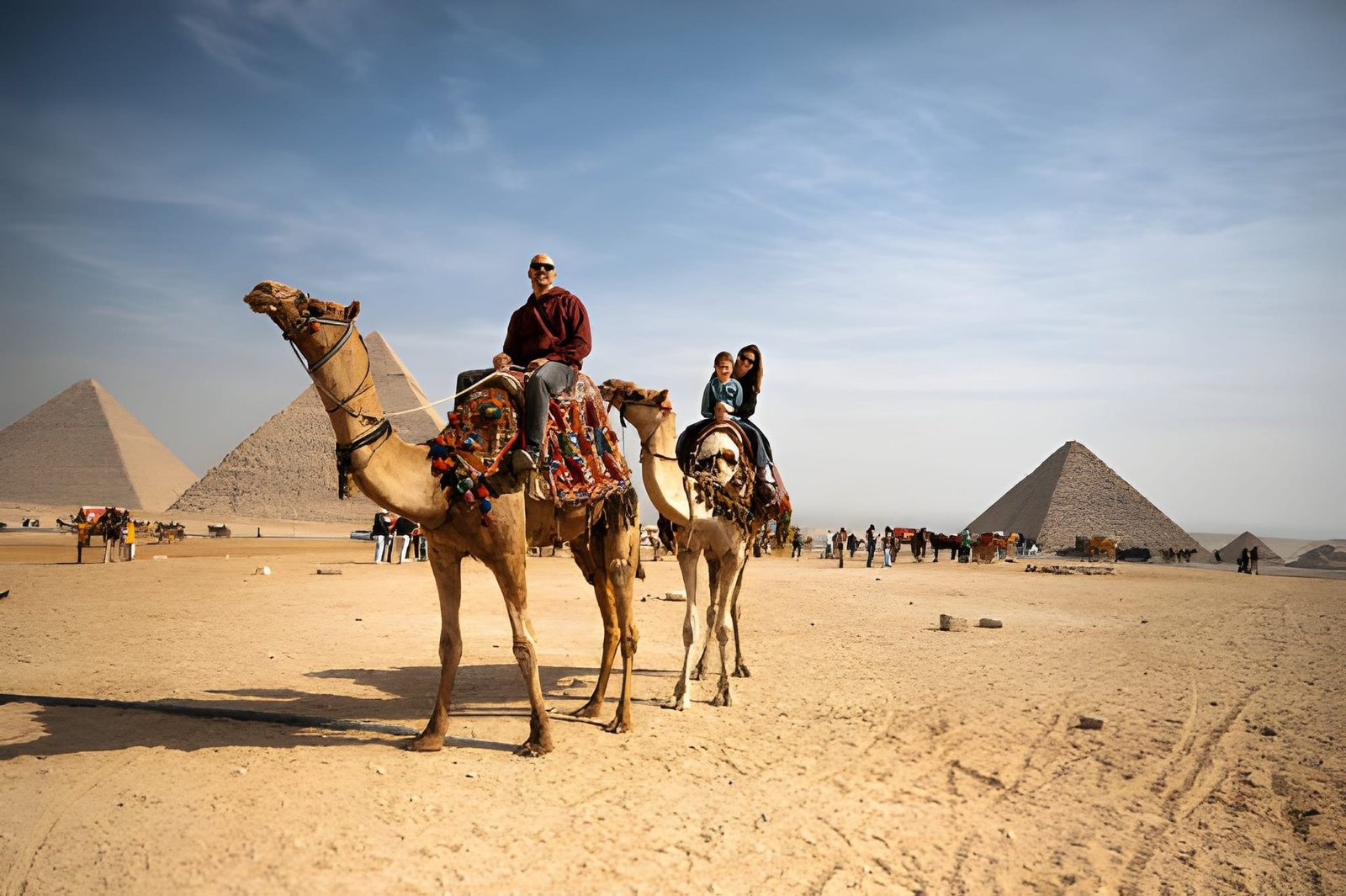
Safety in Egypt for Tourists 2026: Essential Travel Safety Tips, Local Laws, and Smart Ways to Explore Egypt Confidently
Safety in Egypt for tourists in 2026 is one of the most searched travel topics for anyone planning a trip to Cairo, Luxor, the Red Sea, or the ancient pyramids of Giza. Egypt remains one of the world’s most fascinating destinations, blending millennia of history with vibrant cities, desert landscapes, and coastal resorts. Naturally, travelers want clear, honest information about safety in Egypt for tourists before booking flights and planning itineraries.
The good news? Safety in Egypt for tourists in 2026 has improved significantly thanks to stronger tourism security, upgraded infrastructure, and expanded tourist police presence at major attractions. From the pyramids to Nile cruises, authorities prioritize tourist safety because tourism is a vital part of Egypt’s economy. Airports, hotels, museums, archaeological sites, and popular travel routes operate under visible security systems designed to protect visitors.
Still, smart travelers understand that safety in Egypt for tourists depends on awareness, preparation, and respect for local culture. Just like visiting any global destination, knowing common scams, understanding local customs, and following practical travel safety advice makes all the difference. Travelers who research safety in Egypt for tourists beforehand often discover that most visits are smooth, welcoming, and memorable.
This guide covers everything travelers need to know about safety in Egypt for tourists in 2026, including crime levels, transportation safety, health precautions, cultural etiquette, and tips for exploring landmarks safely. Whether you plan to wander through Khan El Khalili bazaar, cruise the Nile, dive in the Red Sea, or photograph Abu Simbel at sunrise, understanding safety in Egypt for tourists ensures a relaxed and rewarding journey.
Is Egypt Safe for Tourists in 2026? Understanding the Current Travel Safety Situation
Safety in Egypt for tourists in 2026 is generally considered good in major travel destinations. Cairo, Luxor, Aswan, Sharm El Sheikh, Hurghada, and Alexandria welcome millions of visitors each year. Egyptian authorities maintain a strong security presence in tourist zones, including checkpoints on highways, security screening at attractions, and a dedicated tourist police force.
Most travelers researching safety in Egypt for tourists discover that tourist areas operate under strict security protocols. Hotels often use metal detectors, luggage scanners, and controlled entrances. Major attractions such as the Giza Plateau, the Egyptian Museum, and the Valley of the Kings have uniformed security and surveillance systems.
Petty crime remains the most common concern related to safety in Egypt for tourists. Pickpocketing can occur in crowded areas such as markets or busy streets in Cairo. However, violent crime against tourists is rare, especially in organized tour areas and well‑known tourist districts.
For travelers prioritizing safety in Egypt for tourists, sticking to popular routes, using licensed guides, and avoiding isolated areas at night significantly reduces risks. Travelers who follow these simple precautions often report feeling comfortable and welcomed throughout their trip.
Common Tourist Scams and How Travelers Stay Safe in Egypt
Understanding scams is an important part of safety in Egypt for tourists. Many scams are harmless but frustrating if travelers are unprepared. Street vendors, unofficial guides, or aggressive sellers sometimes approach visitors near tourist landmarks.
One common situation affecting safety in Egypt for tourists involves unofficial guides offering tours at archaeological sites. Some may claim special access or insist a ticket is required when it is not. Politely declining and booking through licensed guides or reputable tour companies avoids this problem.
Another frequent situation involves taxi pricing. To improve safety in Egypt for tourists, travelers should use ride apps like Uber or Careem in Cairo and Alexandria, or negotiate the fare before entering a taxi. Doing so prevents misunderstandings and keeps travel smooth.
While these situations rarely threaten physical safety, awareness strengthens overall safety in Egypt for tourists and allows visitors to focus on enjoying the experience.
Safe Areas and Popular Tourist Destinations in Egypt
Many travelers researching safety in Egypt for tourists feel reassured knowing that Egypt’s most famous destinations are among the safest places in the country. Tourist infrastructure is strongest in these regions, and security presence is highly visible.
Cairo’s main tourist districts, including Giza, Zamalek, and downtown near the Egyptian Museum, remain active and generally safe for visitors. Luxor and Aswan, two pillars of cultural tourism, are also considered very safe and heavily monitored tourist centers.
Red Sea resorts such as Sharm El Sheikh, Hurghada, and Marsa Alam maintain particularly high safety standards. These resort areas rely heavily on international tourism, so security checks, resort access control, and tourist patrols contribute significantly to safety in Egypt for tourists.
Travelers who remain within established tourist zones and follow common travel safety advice usually experience Egypt without major safety issues.
Transportation Safety in Egypt for Tourists
Transportation plays a big role in safety in Egypt for tourists. Egypt offers multiple transportation options including domestic flights, trains, buses, ride‑hailing services, taxis, and organized tour buses.
Domestic flights between Cairo, Luxor, Aswan, and Red Sea resorts are considered very safe and are commonly used by international travelers. Trains between Cairo and southern Egypt are widely used, though travelers often prefer first‑class or sleeper trains for comfort and safety.
Ride‑hailing apps significantly improve safety in Egypt for tourists because they provide fixed pricing, driver identification, and digital tracking. These services have become popular among both locals and visitors in major cities.
When exploring remote archaeological sites, organized tour transportation remains the safest option. Tour operators coordinate routes, guides, and security requirements, further strengthening safety in Egypt for tourists traveling beyond major cities.
Cultural Awareness and Local Laws That Improve Tourist Safety
Respecting local customs is an important element of safety in Egypt for tourists. Egypt is culturally conservative in many regions, and understanding social expectations helps travelers avoid misunderstandings.
Modest clothing is recommended when visiting mosques, rural areas, and religious sites. For women, covering shoulders and knees is generally appreciated. Men should also avoid overly revealing clothing in traditional neighborhoods.
Public displays of affection are uncommon in Egyptian culture. Being mindful of this cultural norm contributes to respectful travel and improves safety in Egypt for tourists by avoiding unwanted attention.
Photography rules also matter. Travelers should ask permission before photographing locals and avoid photographing military buildings, checkpoints, or police facilities. Following these guidelines ensures travelers maintain smooth interactions with authorities while protecting safety in Egypt for tourists.
Health and Travel Safety Tips for Visiting Egypt
Health preparation is another key factor affecting safety in Egypt for tourists. Egypt’s tourism sector offers good medical facilities in major cities and resort areas, but travelers should still plan ahead.
Drinking bottled water instead of tap water is widely recommended. Most hotels and restaurants provide safe bottled water, helping maintain health and overall safety in Egypt for tourists.
Sun exposure can be intense, particularly around desert sites and temples with limited shade. Wearing sunscreen, a hat, and lightweight clothing helps travelers explore comfortably while protecting health and safety in Egypt for tourists.
Travel insurance is also strongly recommended. Insurance policies covering medical care, trip interruptions, and emergency evacuation provide an extra layer of safety in Egypt for tourists visiting remote archaeological sites or diving destinations.
Smart Travel Strategies That Make Egypt Safer for Visitors
Experienced travelers often say that safety in Egypt for tourists improves dramatically with a few simple strategies. Booking licensed tour guides, staying in reputable hotels, and using verified transportation services help visitors navigate the country confidently.
Keeping valuables secure is another important habit. Money belts, anti‑theft bags, and hotel safes protect passports, cash, and electronics. This small precaution greatly enhances safety in Egypt for tourists in crowded attractions and markets.
Travelers should also stay informed about local news and government travel advisories. While most tourist areas remain stable and welcoming, staying updated ensures travelers maintain awareness and prioritize safety in Egypt for tourists throughout their trip.
Frequently Asked Questions About Safety in Egypt for Tourists 2026
Is Egypt safe for tourists right now in 2026?
Yes, safety in Egypt for tourists in 2026 is generally considered good in major tourist destinations such as Cairo, Luxor, Aswan, and the Red Sea resorts. Tourist police, security checkpoints, and controlled access at attractions help maintain strong safety conditions for visitors.
What are the safest cities for tourists visiting Egypt?
When discussing safety in Egypt for tourists, the safest and most popular cities include Cairo’s tourist districts, Luxor, Aswan, Sharm El Sheikh, and Hurghada. These locations have strong tourism infrastructure and a visible security presence.
Are solo travelers safe in Egypt?
Solo travel is increasingly common, and safety in Egypt for tourists includes many solo visitors each year. Solo travelers who stay in well‑reviewed hotels, use licensed guides, and follow standard travel precautions typically enjoy safe and memorable experiences.
Is public transportation safe for tourists in Egypt?
Public transportation varies in comfort and reliability, so safety in Egypt for tourists often improves when using ride‑hailing apps, domestic flights, or organized tours. These options provide greater convenience and predictable travel conditions.
What should tourists avoid in Egypt to stay safe?
To maintain safety in Egypt for tourists, visitors should avoid isolated areas late at night, decline aggressive street offers, respect local customs, and avoid photographing sensitive locations such as military buildings. Following these guidelines helps travelers explore Egypt safely and confidently.

Comment (0)