

Unveiling the Mysteries of the Saqqara Pyramids: Egypt’s Oldest Step Pyramid Complex
The Saqqara Pyramids, situated on the west bank of the Nile River near Cairo, represent the dawn of monumental stone architecture in Egypt. This extraordinary necropolis served as the burial ground for the ancient capital Memphis and stands as one of the world’s most remarkable open-air museums. The site’s crowning jewel, the Step Pyramid of Djoser, revolutionized ancient architecture, setting the blueprint for Egypt’s later monumental pyramids. As travelers explore this ancient wonder, they unravel the story of Egypt’s first great stone structure—an engineering marvel that still leaves visitors in awe thousands of years later.
Saqqara is more than just a single pyramid; it’s a sprawling archaeological treasure trove filled with tombs, shafts, temples, and artifacts that illuminate the evolution of Egypt’s funerary traditions. Every corner of Saqqara whispers tales of pharaohs, priests, and craftsmen who transformed limestone into eternity. The site’s significance isn’t confined to antiquity—it continues to be a living laboratory for archaeologists, yielding new discoveries that reshape our understanding of early dynastic Egypt. From the step pyramid’s towering silhouette to the intricate carvings adorning the tombs of nobles, Saqqara encapsulates the brilliance of ancient Egyptian civilization.
For those seeking to immerse themselves in the grandeur of ancient Egypt, visiting Saqqara offers an unforgettable journey through history. Whether you’re exploring alongside guides from Travme Tours or combining your visit with the Pyramids of Giza and Memphis Egypt, The Old Egyptian Capital, the Saqqara Pyramids reveal how ingenuity and faith shaped Egypt’s enduring legacy. This awe-inspiring landmark deserves a prime spot on every Egypt bucket list and remains one of the most essential stops for anyone exploring the cradle of civilization.
The Step Pyramid of Djoser: The World’s First Monumental Stone Structure
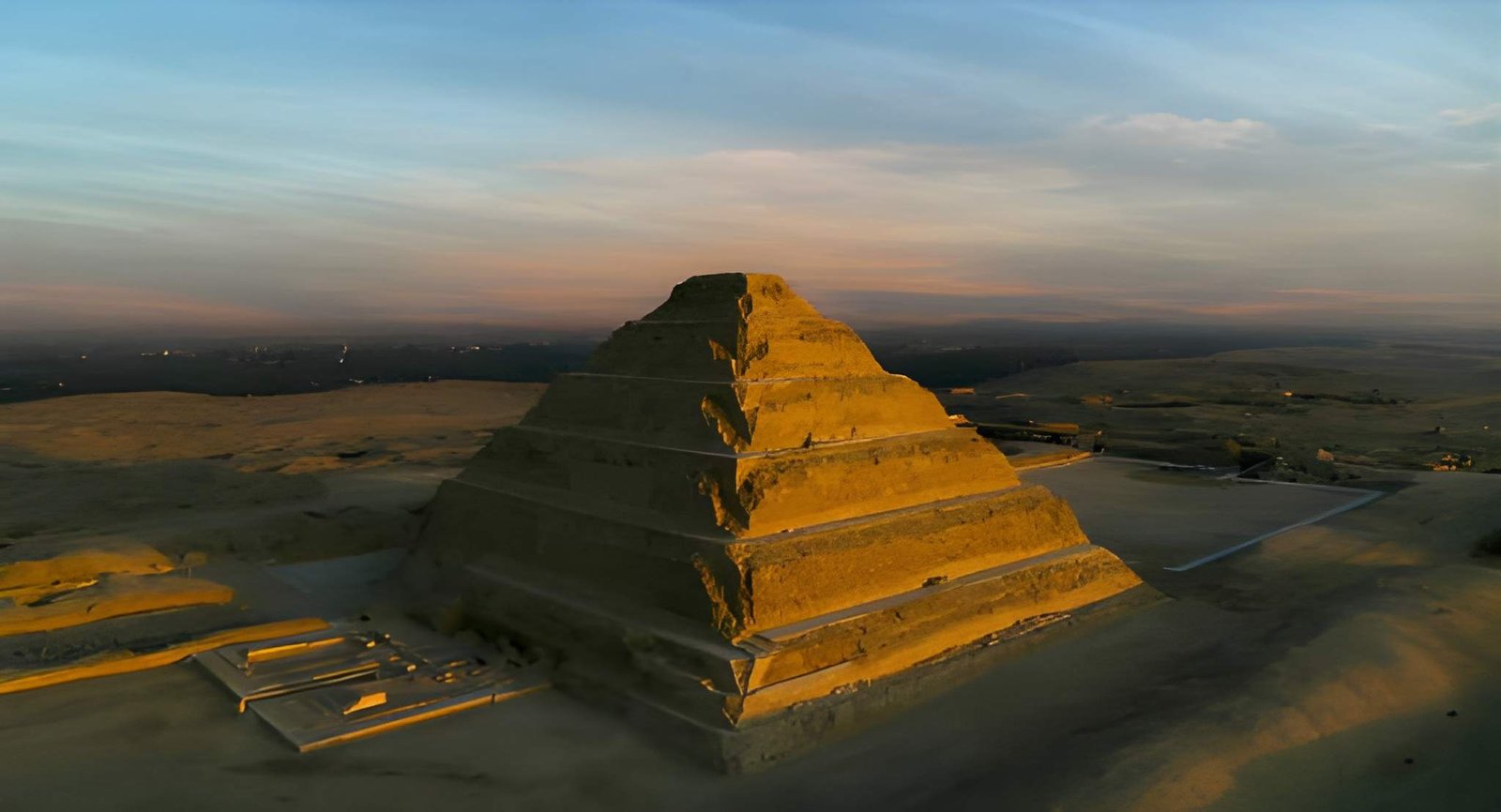
The Step Pyramid of Djoser, built during Egypt’s Third Dynasty around 2630 BCE, marks a pivotal moment in architectural history. Designed by the brilliant architect Imhotep for Pharaoh Djoser, this structure was the first pyramid built entirely of stone. Unlike the smooth-sided pyramids of Giza, Djoser’s pyramid consists of six stacked mastabas, or rectangular platforms, ascending into a stair-like shape. This design symbolized a cosmic staircase that allowed the pharaoh’s soul to ascend to the heavens.
Standing 62 meters tall, the pyramid dominates the Saqqara landscape. What sets it apart isn’t just its scale but its innovation—the use of cut limestone blocks and intricate underground chambers. The labyrinth beneath the pyramid extends over five kilometers, including burial shafts, galleries, and storerooms filled with symbolic offerings. The Step Pyramid’s construction methods laid the foundation for later masterpieces, influencing structures like those found in Dahshour and Giza. Imhotep’s genius elevated him from royal architect to divine status, worshiped as the god of wisdom and healing in later centuries.
Architectural Innovations and Symbolic Meaning at Saqqara
The Saqqara Pyramids showcase the earliest experimentation with large-scale stone masonry. The Step Pyramid complex, enclosed by a limestone wall, includes courtyards, ceremonial halls, temples, and shrines—all meticulously planned to reflect the pharaoh’s divine journey. The architectural symmetry represents Egypt’s cosmic order, where heaven and earth were in perfect balance. Every detail, from the orientation of the pyramid to the carved reliefs, carries spiritual symbolism.
Beyond its architectural brilliance, Saqqara reveals deep religious significance. The pyramid and its surrounding complex symbolized rebirth and eternal life. The rituals performed here echoed the Egyptian belief that death was merely a gateway to an eternal existence. Visitors today can sense this sacred aura as they walk through corridors adorned with hieroglyphs and descend into chambers that once held royal treasures.
Exploring the Saqqara Necropolis: A Glimpse into Ancient Egyptian Afterlife Beliefs
The Saqqara Necropolis stretches over seven kilometers, encompassing tombs from the First Dynasty to the Greco-Roman period. It serves as a living timeline of Egypt’s spiritual and artistic evolution. Among its most famous sites are the Tomb of Ti, the Pyramid of Unas, and the Serapeum, where sacred Apis bulls were interred in massive granite sarcophagi. Each tomb at Saqqara reveals a different aspect of ancient Egyptian beliefs about the afterlife, wealth, and divine order.
The Pyramid of Unas, built during the Fifth Dynasty, is especially noteworthy for featuring the earliest known Pyramid Texts—magical incantations designed to guide the pharaoh’s soul to the heavens. These inscriptions laid the foundation for later funerary texts like the Book of the Dead. The vibrant wall carvings and detailed reliefs in the mastabas of nobles illustrate scenes of daily life, showcasing agriculture, fishing, and festivities that the deceased hoped to enjoy eternally. Nearby, the Sakkara Necropolis continues to reveal secrets that redefine Egyptology.
The Serapeum of Saqqara: Sacred Resting Place of the Apis Bulls
Hidden beneath the sands lies one of Saqqara’s most extraordinary discoveries: the Serapeum. This vast subterranean complex housed the mummified remains of the sacred Apis bulls—living symbols of the god Ptah. Each colossal sarcophagus, carved from single blocks of granite weighing up to 70 tons, demonstrates the Egyptians’ engineering prowess. The Serapeum’s eerie tunnels and flickering torch-lit walls evoke an atmosphere of reverence and mystery, leaving visitors awestruck at the scale of devotion displayed here.
Recent Archaeological Discoveries at Saqqara
Saqqara continues to captivate archaeologists and historians alike. In recent years, dozens of sealed coffins, dating back more than 2,500 years, have been unearthed in pristine condition. These discoveries shed light on new burial practices, mummification techniques, and the social hierarchy of ancient Egypt. Statues, papyrus fragments, and amulets recovered from the site have deepened our understanding of the civilization’s artistry and religion.
Modern excavations have also revealed mummies of high-ranking priests, richly decorated tombs, and artifacts that confirm Saqqara’s continued importance throughout Egypt’s long history. For travelers fascinated by archaeological adventure, Saqqara offers a front-row seat to Egypt’s unfolding story. When combined with visits to the The Grand Egyptian Museum or The Egyptian Museum, it provides deeper insight into the ancient world’s mysteries.
Planning Your Visit to the Saqqara Pyramids
Visiting Saqqara is a journey back to the origins of Egypt’s architectural genius. Located about 30 kilometers south of Cairo, it’s easily accessible by car or guided tour. Many travelers choose to visit Saqqara alongside the Pyramids of Giza and Dahshour for a comprehensive pyramid experience. To enhance your trip, consider booking one of the Best Egypt Travel Packages that include guided exploration, transport, and expert narrations of the site’s fascinating history.
Early mornings and late afternoons are the ideal times to explore Saqqara, as the temperatures are cooler and the lighting is perfect for photography. Don’t miss the chance to wander through the Step Pyramid complex, descend into ancient tombs, and witness the intricate carvings that have survived for millennia. The panoramic views across the desert, where the pyramids of Dahshour and Giza shimmer in the distance, create an unforgettable backdrop for your journey.
Nearby Attractions Around Saqqara
In addition to Saqqara’s wonders, the surrounding region offers other must-see sites. A short drive brings you to Memphis Egypt, The Old Egyptian Capital, home to colossal statues of Ramses II. The nearby Dahshour Pyramids showcase the transition between step and true pyramid forms. For travelers seeking modern comfort combined with cultural exploration, pairing Saqqara with an Egypt Luxury Tour ensures an extraordinary experience steeped in history and elegance.
Why the Saqqara Pyramids Remain a Timeless Symbol of Egyptian Innovation
The Saqqara Pyramids embody the very essence of Egypt’s ancient spirit: innovation, devotion, and the pursuit of immortality. As the cradle of pyramid construction, Saqqara laid the groundwork for the wonders that followed at Giza and beyond. The Step Pyramid doesn’t just represent an architectural milestone—it encapsulates humanity’s eternal quest to reach the divine. Each stone, each corridor, and each hieroglyph carved within the necropolis tells a story of vision and resilience that continues to inspire modern generations.
For travelers and historians alike, Saqqara is more than an ancient ruin—it’s a living chronicle of human creativity. It invites exploration, reflection, and admiration. Visiting this site connects us directly with the minds that built the first monumental stone structures, paving the way for civilization’s architectural triumphs. To fully grasp the depth of Egypt’s past, no itinerary is complete without standing before the Step Pyramid’s weathered grandeur, feeling the weight of millennia pressing gently against the desert wind.
Frequently Asked Questions About the Saqqara Pyramids
What is the significance of the Saqqara Pyramids in ancient Egyptian history?
The Saqqara Pyramids mark the beginning of Egypt’s pyramid-building tradition. The Step Pyramid of Djoser is considered the world’s first monumental stone structure, symbolizing the transition from simple mastaba tombs to monumental architecture that reached its zenith at Giza. Saqqara’s design innovations set the standards for later dynasties.
Who built the Step Pyramid at Saqqara?
The Step Pyramid was commissioned by Pharaoh Djoser of the Third Dynasty and designed by his chief architect Imhotep. Imhotep’s revolutionary approach to stone construction earned him divine status in later centuries, and he is often regarded as the father of architecture and medicine in ancient Egypt.
Can visitors enter the Step Pyramid today?
Yes, the Step Pyramid has recently reopened to visitors after extensive restoration. Tourists can explore its underground passages and burial chambers, where intricate carvings reveal details about Djoser’s reign and ancient Egyptian beliefs about the afterlife.
How far is Saqqara from Cairo?
Saqqara lies approximately 30 kilometers south of Cairo, making it a convenient day trip from the capital. Many travelers combine it with tours of Dahshour and Memphis for a complete exploration of Egypt’s early dynastic heritage.
What other sites should I visit near Saqqara?
In addition to Saqqara, nearby attractions include the Pyramids of Dahshour, the ancient city of Memphis, and several noble tombs richly decorated with reliefs. For those seeking a comprehensive Egyptian adventure, consider adding the Best Nile River Cruises or a 8 Day Cairo and Nile Cruise Tour to your itinerary for an unforgettable journey through time.

Comment (0)