

Unveiling the Secrets of Napoleon’s Egyptian Campaign
Few military expeditions have captured the imagination of historians and travelers like Napoleon Bonaparte’s Egyptian Campaign. Launched in 1798, this ambitious mission blended war, science, and culture into a single dramatic expedition. The secrets of Napoleon’s Egyptian Campaign go beyond battlefield victories and defeats—it was a journey that changed how the West viewed Egypt and how Egypt saw the world. From the sands of the Nile Delta to the temples of Luxor, the echoes of this campaign still resonate today.
Attention: Why Napoleon Turned to Egypt
At the end of the 18th century, France was seeking ways to challenge British dominance. Napoleon’s attention turned toward Egypt—a land of mystery, ancient wonders, and a strategic gateway to India. The campaign’s purpose was twofold: to weaken Britain’s trade routes and to extend France’s influence into the East. For modern travelers exploring Egypt, retracing Napoleon’s footsteps offers an extraordinary journey across some of the most iconic historical and cultural landmarks in the world. You can experience this blend of history and discovery through tours such as the 8 Day Cairo and Nile Cruise Tour, which showcases the same landscapes Napoleon’s army once crossed.
Interest: The Grand Arrival – Conquest and Curiosity
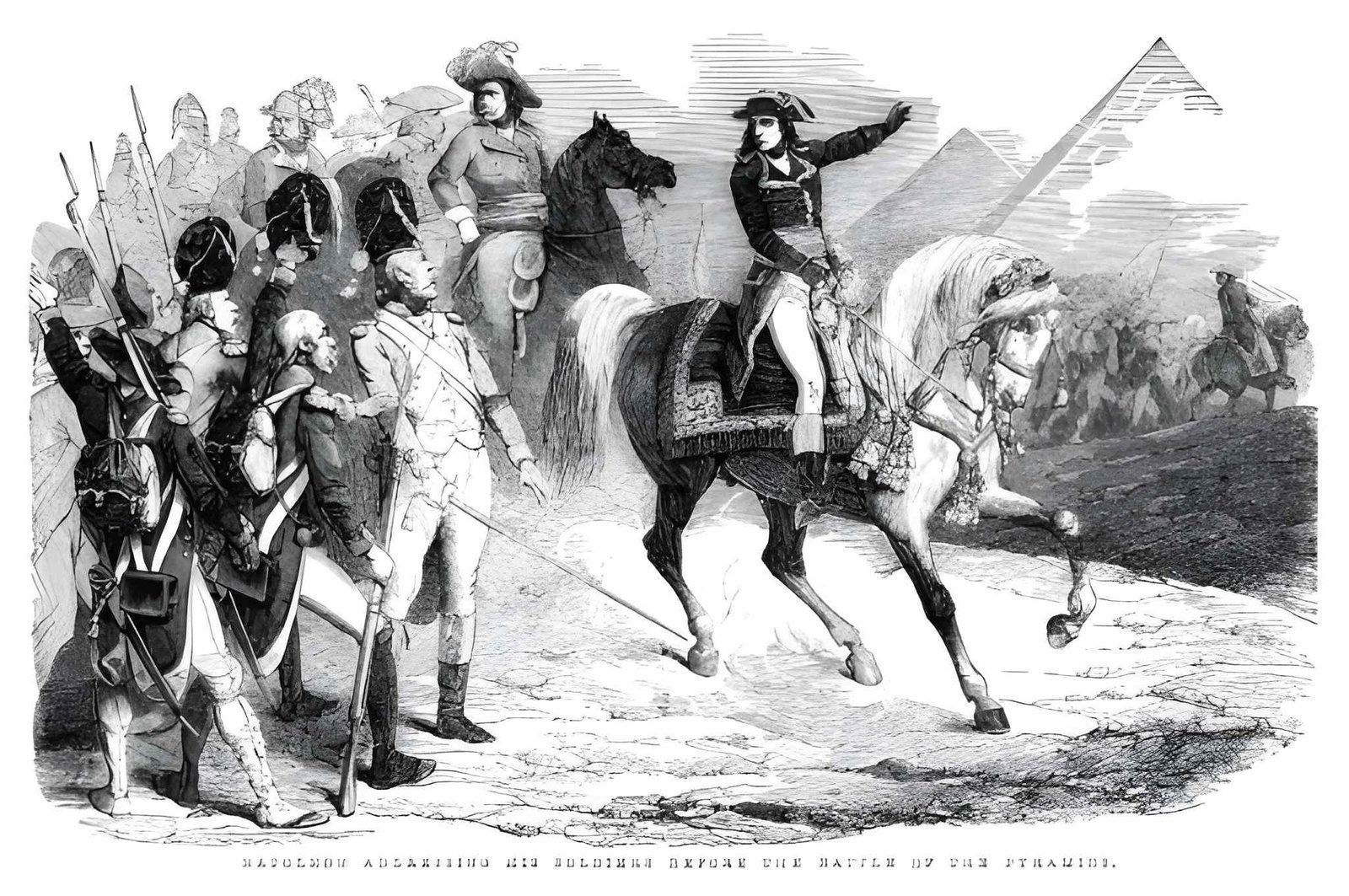
In July 1798, Napoleon’s fleet landed near Alexandria, marking the beginning of one of history’s most fascinating adventures. The young general’s army, numbering over 30,000 soldiers, quickly advanced inland. They faced resistance from the Mamluks, culminating in the famous Battle of the Pyramids. This victory gave Napoleon temporary control of Cairo and much of Egypt. The campaign’s military side is well-documented, but the true secret behind its enduring influence lies in its scientific legacy.
Among Napoleon’s entourage were more than 150 scholars, engineers, artists, and scientists—collectively known as the “savants.” Their mission was to study and document Egyptian civilization in unprecedented detail. Their discoveries later culminated in the monumental publication *Description de l’Égypte*, which opened Europe’s eyes to the grandeur of ancient Egypt. For visitors today, exploring sites like the Egyptian Museum in Cairo reveals many artifacts and depictions that trace back to this intellectual invasion.
Desire: Discovering the Scientific and Cultural Secrets
The secrets of Napoleon’s Egyptian Campaign lie not only in its battles but in its remarkable contributions to archaeology and Egyptology. The expedition’s team documented temples, ruins, flora, fauna, and local customs. One of the most transformative discoveries occurred in 1799—the Rosetta Stone, which later helped scholars decode Egyptian hieroglyphs. This discovery revolutionized our understanding of ancient Egypt’s written language, unlocking millennia of history.
Travelers eager to connect with this era can walk through the same historical corridors. The Karnak Temple in Luxor, for example, remains an enduring symbol of Egypt’s timeless grandeur, much as it was when Napoleon’s scholars first surveyed it. Similarly, a visit to the Valley of the Kings offers insight into how the campaign’s scientific team ignited global fascination with ancient tombs and pharaohs.
Action: Following Napoleon’s Footsteps Across Egypt
Embarking on a journey through Egypt today offers travelers a living connection to the sites Napoleon once explored. Begin in Alexandria, the city where his forces landed, and then venture south along the Nile. Join an immersive experience like the 11 Day Egypt Tour or the 9 Days Egypt Itinerary to trace the same route through Cairo, Luxor, and Aswan. Each destination unveils a new chapter of the campaign’s story—from the fierce military engagements to the cultural exchanges that reshaped Egypt’s relationship with Europe.
For those drawn to Egypt’s desert landscapes, Napoleon’s troops also explored areas that modern travelers can experience on the White Desert Egypt Tour. The surreal chalk formations and endless horizons of the Western Desert evoke the isolation and wonder Napoleon’s army must have felt as they ventured beyond the Nile Valley. To deepen your appreciation of Egypt’s vast heritage, consider visiting the National Museum of Egyptian Civilization, which displays artifacts that mirror the artistic and intellectual spirit sparked during Napoleon’s time.
Hidden Aspects of the Egyptian Expedition
One intriguing secret of Napoleon’s Egyptian Campaign lies in its political and ideological motives. Napoleon portrayed himself not merely as a conqueror but as a liberator, claiming to free Egypt from Mamluk oppression while respecting Islamic traditions. His soldiers even printed propaganda in Arabic to gain local support. However, his rule was short-lived, challenged by revolts, disease, and the British fleet’s victory at the Battle of the Nile.
Despite its military failure, the campaign’s intellectual success reshaped world history. Egypt became a focal point of European interest, inspiring centuries of exploration, art, and scholarship. Many of the hieroglyphs and monuments that fascinated the French expedition continue to attract millions of visitors each year. Explore them firsthand on the Egypt Tour with Nile Cruise, where you can glide along the river just as Napoleon’s troops once did, surrounded by timeless temples and stories of ancient grandeur.
Modern Reflections on Napoleon’s Egyptian Campaign
Napoleon’s Egyptian adventure may have ended in retreat, but its cultural impact endures. His scholars’ meticulous work laid the foundation for modern Egyptology, influencing museums and academic research worldwide. Today, travelers exploring sites like The Sphinx Statue or The Grand Egyptian Museum experience the legacy of that era—the moment when the mysteries of the pharaohs began to unfold for the modern world.
To fully appreciate this connection, a journey along the Nile remains essential. Cruises like the 5 Day Nile Cruise Luxor to Aswan provide a serene way to see Egypt through the same lens that once inspired Napoleon’s scholars. The gentle flow of the river, the silhouettes of ancient temples, and the golden glow of sunset over the landscape embody the timeless allure that first captivated the French expedition.
Legacy of Knowledge and Discovery
Perhaps the greatest secret of Napoleon’s Egyptian Campaign is that it was never just a military mission—it was a cultural awakening. The collaboration between soldiers and scientists produced discoveries that bridged civilizations. The campaign fostered an enduring fascination with Egypt’s ancient wisdom, influencing art, architecture, and exploration across Europe. Even centuries later, travelers continue to follow this legacy through immersive experiences like the 15 Day Egypt Tour or the 12 Day Egypt Tour Itinerary, both offering a deep dive into the same world that once enchanted the brilliant minds of Napoleon’s expedition.
Conclusion: The Enduring Mystique of Napoleon in Egypt
The secrets of Napoleon’s Egyptian Campaign reveal a story of ambition, intellect, and cultural transformation. Though the campaign ended in defeat, it opened new paths of understanding between East and West. Today, travelers exploring Egypt walk through landscapes shaped by both ancient pharaohs and French scholars. Whether you’re visiting the Cairo City sites or sailing along the Nile River, you’re tracing the same currents of exploration and discovery that defined one of history’s most fascinating adventures.
FAQs about Napoleon’s Egyptian Campaign
1. When did Napoleon’s Egyptian Campaign take place?
The campaign began in 1798 and lasted until 1801 when French forces surrendered to the British and Ottoman coalition.
2. What was the main goal of Napoleon’s expedition to Egypt?
The mission aimed to disrupt British trade routes to India and expand French influence into the Middle East and beyond.
3. What lasting impact did the campaign have on Egypt?
While militarily unsuccessful, it led to a surge of interest in Egyptology and Western appreciation of ancient Egyptian culture.
4. What was discovered during Napoleon’s Egyptian Campaign?
The most famous discovery was the Rosetta Stone, which became the key to deciphering ancient Egyptian hieroglyphs.
5. How can I visit the sites related to Napoleon’s campaign today?
You can explore major landmarks from the campaign era through guided tours, Nile cruises, and cultural experiences across Alexandria, Cairo, Luxor, and Aswan—each offering a glimpse into the history Napoleon sought to uncover.

Comment (0)