

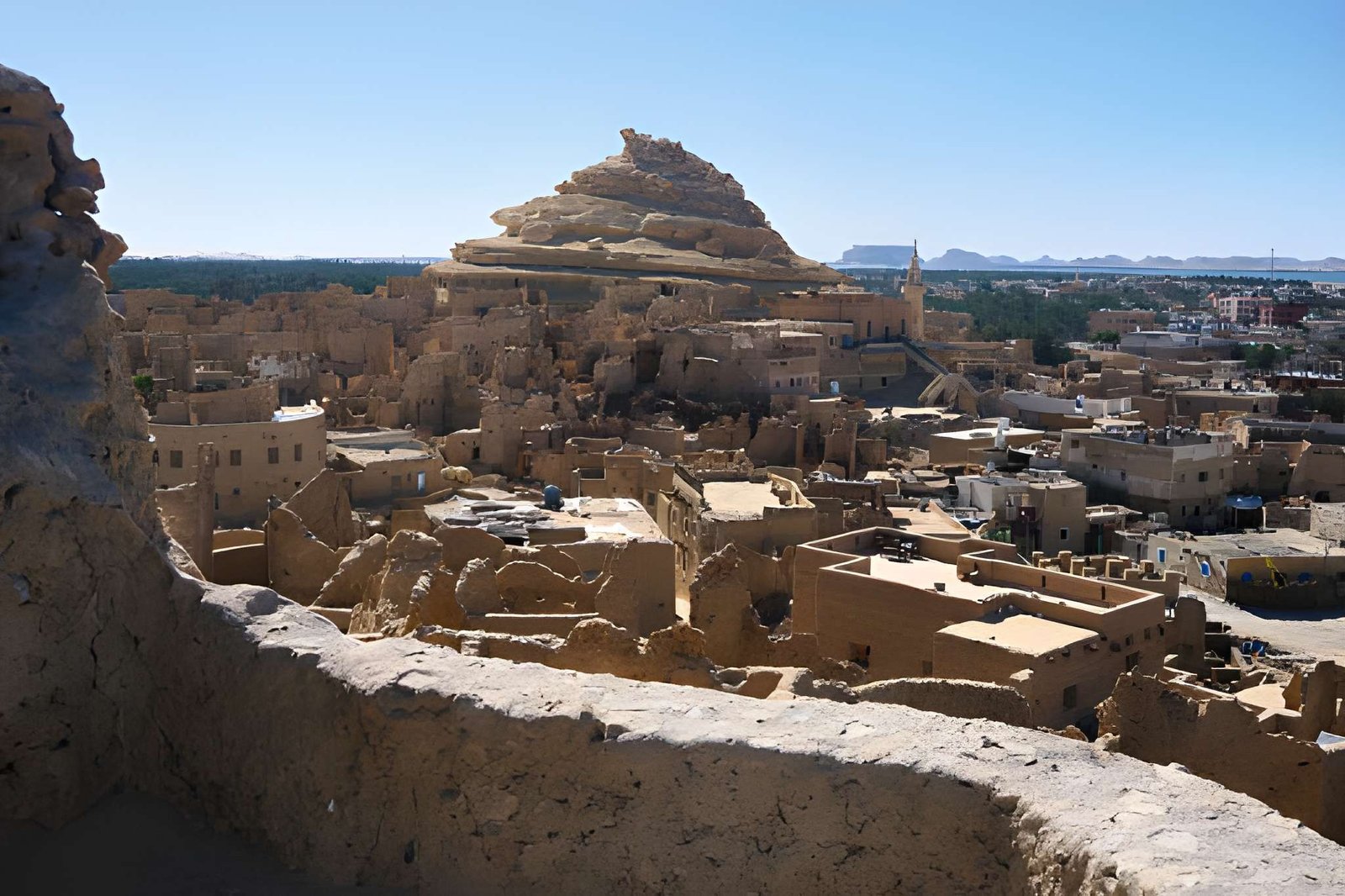
Shali Castle: The Heart of Ancient Siwa’s Fortified Legacy
Rising dramatically from the golden sands of Egypt’s Western Desert, Shali Castle stands as a breathtaking symbol of endurance and heritage. Built in the 13th century in the mystical Siwa Oasis, this mud-brick fortress was once a thriving stronghold protecting one of Egypt’s most remote communities. Its towering ruins whisper tales of resilience, isolation, and the ancient traditions of the Berber-speaking Siwan people who once called it home. Even as centuries of time and heavy rains eroded its walls, the castle’s silhouette continues to dominate the skyline, exuding an almost mythical aura under the desert sun.
Today, Shali Castle remains more than an architectural wonder; it’s the cultural heart and soul of Siwa, a living museum that preserves the oasis’s history. Walking through its labyrinthine alleys feels like stepping into a time capsule—a powerful reminder of Egypt’s hidden worlds beyond the Nile Valley and the Pyramids of Giza. Travelers seeking an off-the-beaten-path adventure will find in Shali a perfect blend of raw beauty, spiritual depth, and archaeological intrigue, making it a must-visit gem for cultural tourism lovers and explorers of Egypt’s untouched deserts.
As tourism to Siwa flourishes through curated Best Egypt Travel Packages, Shali Castle has emerged as a centerpiece, offering unique insights into how architecture, geography, and community intertwined for survival in extreme conditions. The sheer ingenuity of its salt, mud, and clay walls reveals not just the lifestyle of its inhabitants but their mastery of eco-sustainable building techniques long before modern green architecture came into fashion. In this quiet desert oasis, authenticity reigns supreme—every corner of Shali carries timeless stories carved by wind and history.
The Historical Origins of Shali Castle in Siwa Oasis
Constructed around the year 1203 AD, Shali Castle served as a fortified sanctuary for the Siwan population during a period of tribal tension and raids. The oasis was then a self-contained world, surrounded by vast ocean-like dunes and separated from mainstream Egypt by swathes of desert. The castle’s strategic location in the heart of the Siwa Oasis offered both protection and community cohesiveness. Its founders used a mixture called “kershef”—a blend of salt from local lakes, clay, and mud—which naturally hardened in the sun to form thick, insulative walls capable of withstanding the desert’s extreme temperatures.
Unlike the monumental stone temples of Luxor such as the Luxor Temple or the royal tombs in the Valley of the Kings, Shali Castle reflects vernacular genius. It was built by the people for the people—a social nucleus rather than a royal display. Within its maze-like interior, families lived, traded, worshiped, and shared traditions that blended Berber customs with Egyptian influences. The fortress walls once enclosed mosques, market spaces, and communal storage areas, serving as the heartbeat of social life in Siwa.
Architecture and Structure of Shali Castle
Shali Castle’s architecture is a stunning blend of practicality and adaptation. Towering multiple stories high, the buildings were organically shaped by hand, without calculated symmetry. Wind erosion and seasonal rains lent the structure its unique, otherworldly look—more like a carved mountain than a man-made fortress. The materials used were all local: kershef mixed with date palm wood beams to provide stability. The result was a living, breathing monument that harmonized with its environment.
Visitors today can still trace the narrow corridors and terraces connecting what used to be homes, mosques, and meeting spaces. The fortress once acted like a labyrinth designed to confuse invaders while simultaneously protecting its inhabitants. This ingenuity exemplifies how isolation fostered creative survival techniques in desert civilizations, similar to those seen in the ancient settlements of the Western Desert in Egypt.
Restoration and Modern Preservation
In the late 20th century, years of neglect and natural erosion had severely damaged the structure. In 1926, torrential rains devastated much of Shali, forcing residents to abandon their ancestral castle for modern housing nearby. Recognizing its historical and cultural significance, the Egyptian Supreme Council of Antiquities, along with international conservation bodies, launched restoration initiatives to stabilize and preserve what remained. These projects emphasize traditional materials and methods, ensuring that Shali’s authenticity endures.
Preservation efforts have also intertwined with sustainable tourism projects, attracting more travelers who seek eco-friendly experiences in the region. Many itineraries, such as the Black and White Desert Egypt Tour, now include visits to Siwa, shining a renewed spotlight on Shali’s cultural significance and ancient wisdom.
The Cultural and Spiritual Essence of Shali Castle
Shali Castle is not just a pile of picturesque ruins—it’s a sacred space representing the Siwan identity and the soul of community life. For centuries, it hosted religious ceremonies, communal gatherings, and defensive strategies against invaders. The old mosque within Shali, known as the Friday Mosque, once echoed with prayers that unified the oasis. Its minaret, crafted from kershef, is believed to be the oldest in Siwa.
Even now, the spiritual presence lingers. Local legends claim that Shali is protected by ancient blessings, linking it to the mysticism found throughout Egypt’s ancient monuments, such as the Oracle of Amun, which lies just a short distance away. These sites collectively form a living narrative that connects Egypt’s pharaonic, Hellenistic, and Berber heritages across time and faith.
Life Inside the Fortress: How the Siwans Lived
Living within Shali Castle required an exceptional adaptation to harsh climatic realities. Narrow alleys were intentionally designed to allow cool drafts and shade during scorching summers. Homes had thick insulating walls and tiny windows to preserve warmth in winter and retain coolness during summer. Rainwater had to be collected efficiently, while food storage relied on communal granaries. Inhabitants lived a simple yet deeply connected life, driven by mutual reliance and ancient Siwan traditions.
This social structure ensured the survival of Siwa through the ages—a remarkable example of human resilience amid desolation. Today, tourists who join Egypt Day Tours in Siwa can walk the same paths that once formed the heart of local existence, feeling the intimacy of a time when community and nature were perfectly entwined.
Siwa Oasis: The Natural Haven Surrounding Shali Castle
The oasis around Shali is blessed with shimmering salt lakes, date palm groves, and hot springs. Just beyond the ancient walls lie some of the most peaceful landscapes in Egypt, with places like the Cleopatra Spring and the serene Siwa Salt Lakes acting as perfect retreats for modern explorers. The juxtaposition between these natural wonders and Shali’s earthen ruins creates a surreal symphony of serenity, history, and raw desert beauty.
Tourism and the Modern Renaissance of Shali Castle
In recent years, Siwa has emerged as one of Egypt’s top hidden treasures. With the rise of eco-travel and cultural tourism, Shali Castle has become an unmissable highlight for travelers seeking authenticity. Visiting Shali provides a chance to witness ancient architecture, explore artisanal crafts, and savor Siwan cuisine, offering a deeply immersive experience unlike anywhere else in the country.
Those seeking an adventure across Egypt can combine their Siwa exploration with luxury cruises like the Iris Dahabiya Nile Cruise, merging the wild charms of the desert with the sophistication of Nile leisure. This fusion between desert heritage and river luxury defines a new wave of exploratory travel across Egypt.
Why Shali Castle Matters in Egypt’s Historical Narrative
Shali Castle stands as a testament to Egyptian cultural diversity. While most travelers associate Egypt with Pharaonic monuments, Shali tells another story—one of isolation, ingenuity, and identity. It bridges the ancient and the modern, showcasing a civilization that thrived amid adversity and maintained its traditions even as empires rose and fell elsewhere in Egypt.
Unlike grand temples like the Karnak Temple, Shali Castle’s power lies in its simplicity and symbolism. It represents how humanity adapts to nature, proving that true civilization is not only about monuments of stone but also about living harmoniously within the earth’s rhythms.
FAQs About Shali Castle
Where is Shali Castle located?
Shali Castle is located in the center of Siwa Oasis, in Egypt’s Western Desert, about 750 kilometers southwest of Cairo. Nestled among palm groves and salt lakes, the castle can be easily reached via 4×4 safaris or guided tours departing from the Bahariya Oasis or Marsa Matruh.
Who built Shali Castle?
The fortress was built by the indigenous Siwan people in the 13th century as a defensive structure to protect against desert raids. The builders used natural materials from the oasis, such as salt, clay, and mud, forming the durable compound known as kershef.
What is Shali Castle made of?
Shali Castle is constructed primarily from kershef—a local mix of salt, clay, and mud hardened by sunlight. This unique material provides impressive insulation, making it ideal for the harsh desert climate, although it remains vulnerable to heavy rains.
Why is Shali Castle important?
Shali Castle holds immense cultural and historical significance as the spiritual and social center of Siwa. It embodies sustainable ancient architecture and symbolizes the harmony between nature and human ingenuity. For Egyptologists and travelers alike, Shali offers a glimpse into life far beyond the Nile Valley.
Can visitors explore Shali Castle today?
Yes, travelers can explore the castle’s ruins freely, often accompanied by local guides who share insights into the oasis’s traditions. Climbing the old paths rewards visitors with panoramic views of Siwa’s salt lakes and surrounding dunes—a truly unforgettable experience.

Comment (0)