

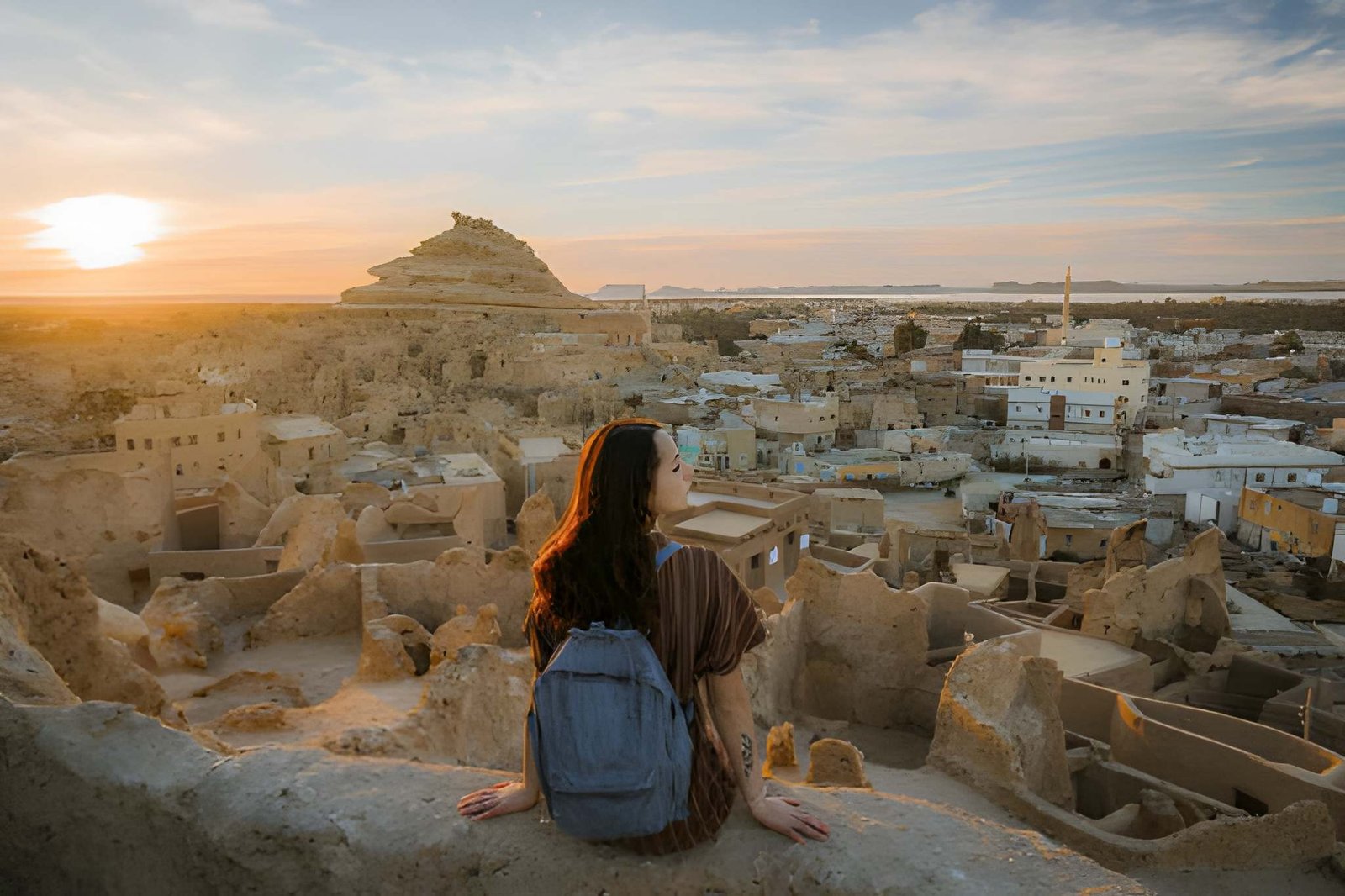
Siwa Oasis: Egypt’s Hidden Gem in the Heart of the Western Desert
Tucked deep inside Egypt’s vast and sandy Western Desert, the Siwa Oasis is a sanctuary of life, culture, and mystery. Encircled by golden dunes and shimmering salt lakes, this remote paradise feels like a world apart—enchanted and timeless. Located near the Libyan border, Siwa boasts a unique blend of Egyptian and Berber heritage, lush palm groves, and crystal-clear springs that have long sustained its people. Far from the bustling Nile Valley, Siwa offers a glimpse into a tranquil, authentic way of life and an ancient civilization that once drew prophecies and kings. Travelers who make it this far find peace, legends, and landscapes sculpted by nature and history alike.
Unlike Cairo’s frenetic rhythm or Luxor’s parade of temples, Siwa moves at a more graceful pace. This desert gem whispers secrets through the rustle of palm leaves and the echo of ancient myths. Home to fewer than 30,000 residents, Siwa has preserved its identity despite modern touches, maintaining close ties to its traditions and its language—Siwi, a Berber dialect distinct from Arabic. Today, visitors yearning for serenity, authenticity, and a dash of adventure find Siwa Oasis irresistible. From mystical salt lakes to majestic ruins like the legendary Oracle of Amun, it’s a destination that satisfies both the explorer’s curiosity and the soul’s longing for peace.
If you’re planning an adventure beyond Egypt’s traditional routes, exploring this desert paradise can be seamlessly woven into Best Egypt Travel Packages or Egypt Adventure Tour itineraries. Few places compare to Siwa Oasis when it comes to blending nature, culture, and unfiltered beauty.
The Geography and Landscape of Siwa Oasis
Siwa Oasis lies about 560 kilometers west of Cairo and roughly 50 kilometers from the Libyan border. Shielded by the Great Sand Sea and nestled in a depression 18 meters below sea level, Siwa stands as one of Egypt’s most fertile oases. It stretches over an elongated area fed by hundreds of natural springs and wells that create its verdant palm forests and olive groves. The contrast between the surrounding dunes and the greenery gives Siwa its ethereal charm—an oasis literally blooming out of the desert’s emptiness.
The Siwan landscape is painterly, dominated by vast salt flats and mirror-like lakes that shift colors with the sky. Famous among them are the Siwa Salt Lakes, where buoyant turquoise waters create surreal floating experiences. The oasis contains other unique geographical treasures like the Great Sand Sea and Dakrour Mountain, providing otherworldly backdrops for photography, meditation, or simple marvel.
Rich Ecosystem and Natural Springs
Siwa Oasis owes its existence to its water. It’s fed by over 1,000 freshwater and salty springs, including hot thermal pools used for healing purposes. Among these, Cleopatra’s Spring stands as the most famous—said to have been where the queen herself once bathed. The aquifers sustain life for thousands of palm trees and extensive olive orchards, both vital to the local economy. Each tree is not just a crop but a heritage passed through generations still cultivating oil, dates, and crafts in harmony with their environment.
Ancient History and the Oracle of Amun
Historically, Siwa Oasis has been revered for its mystical and strategic importance. It bears archaeological evidence of settlements dating back to the 10th millennium BCE. However, it stepped into world fame in 331 BCE when Alexander the Great visited its Temple of Amun. According to legend, he traveled across the desert to consult the powerful Oracle of Amun, which confirmed his divine lineage. This divine acknowledgment shaped his rule and the prophecy surrounding his empire.
Ruins of the Oracle still stand proudly at Aghurmi village, a short distance from Siwa town. The temple’s weathered stones tell tales of ancient pilgrims who once ventured into this isolated realm seeking guidance from the gods. Visitors today walk the same paths Alexander the Great did, marveling at the architecture, the symbolism, and the desert horizon stretching infinitely beyond. The nearby Temple of Umm Ubayd complements the experience, giving insight into Siwa’s pre-Islamic devotion and ancient civilization.
Those intrigued by ancient myths can connect Siwa’s mystical past with parallel Egyptian legends chronicled through sites like Abu Simbel Temples or the Karnak Temple. All weave into Egypt’s timeless narrative of divinity, power, and wonder.
Shali Fortress: The Heart of Siwa’s Past
Dominating the village skyline, the ancient fortress of Shali once safeguarded Siwans from invaders. Constructed from kershef—mud mixed with salt—it symbolizes the ingenuity of desert architecture. The fortress still carries whispers of old Siwan lifestyles, narrow alleys, and mudbrick homes built collectively. Though partially ruined by rains, Shali glows under the sunset, evoking a sense of magical decay. Visitors wander among its corridors, discovering echoes of everyday life resiliently preserved in the desert winds.
Culture, Traditions, and People of Siwa Oasis
Siwa’s culture is a harmonious mixture of Amazigh (Berber) and Egyptian influences. The community has preserved its language, Siwi, and age-old customs. Life revolves around agriculture, traditional crafts, and preserving sacred festivals that celebrate harvest, marriage, and unity. Siwan women are celebrated artisans, weaving baskets and producing beautifully embroidered garments. Their jewelry, crafted in silver, tells stories of ancestry and identity.
Unlike Egypt’s cosmopolitan centers, Siwa follows its rhythm—early dawns in the palm groves, communal meals, and evenings marked by music under a starlit sky. Local songs and dance reflect deep emotions tied to nature, the desert, and faith. Visitors find themselves swept into intimate hospitality where tea brewed over open fires accompanies stories that linger long after the trip ends.
Those keen on immersing themselves in authentic Egyptian culture may explore similar experiences through Cultural Tours Egypt or plan with Best Travel Agency in Egypt, ensuring every journey connects deeply with Egypt’s living heritage.
Festivals and Spiritual Life
Spirituality pulses through Siwan celebrations. The most iconic is the Siyaha Festival, held after harvest near Gebel Dakrour. Every year, the community gathers to celebrate unity and forgiveness. Men from all tribes cook, pray, and feast together for three days, reinforcing Siwa’s message of peace and solidarity. This festival has become a captivating attraction for travelers seeking to witness genuine local devotion and harmony.
Traditional Siwan Cuisine
Siwan cuisine bursts with simple yet distinctive flavors. Dates, olives, couscous, and fresh vegetables dominate the table, often paired with desert herbs and goat milk. The dishes reflect both necessity and creativity—born from desert resourcefulness. Guests are offered bread baked in clay ovens, called ‘aggura,’ and herbal teas steeped with sage or mint. Sharing food represents connection and trust, core values in Siwan culture.
Adventure and Attractions in Siwa Oasis
Beyond its charm, Siwa offers endless exploration. Visitors can sandboard across the dunes of the eponymous Great Sand Sea, float effortlessly in the mineral-rich Siwa Salt Lakes, or hike up the legendary Dakrour Mountain Siwa. Sunset views from its summits are breathtaking, bathing the oasis in golden hues. Others prefer swimming in the warm sulfuric waters, known to rejuvenate skin and soothe muscles.
For history lovers, touring sites like the Mountain of the Dead reveals ancient tombs with vibrant carvings dating back to the 26th Dynasty. Each chamber uncovers tales of rulers, priests, and families resting beneath Siwa’s sands. Artistic travelers appreciate the old village streets decorated with handcrafted pottery and salt crystal souvenirs that shimmer like desert stars.
Pairing such excursions with broader adventures like the Black and White Desert Egypt Tour or Western Desert in Egypt experience expands the journey into an unforgettable odyssey through Egypt’s remote beauty.
Eco-Tourism and Sustainable Development
Siwa champions sustainability ahead of its time. Eco-lodges built from natural materials blend seamlessly into the landscape. Many are powered by solar energy, offering comfort without disturbing the delicate desert ecosystem. Visitors engage in responsible tourism—supporting local crafts, tasting organic produce, and reducing carbon footprints. Siwa demonstrates that ancient wisdom and modern sustainability can coexist effortlessly.
Modern Accessibility and Visiting Tips
Although isolated, Siwa has become increasingly accessible. Travelers commonly reach it via Marsa Matruh or private 4×4 tours across mesmerizing desert routes. The best seasons to visit are from October to April, when temperatures are mild and perfect for exploration. Carry cash, respect local customs, and prepare for digital detox—a delightful escape where Wi-Fi gives way to genuine connection. With a bit of planning, guided help from agencies like Travme Tours simplifies logistics and unveils Siwa’s finest secrets.
FAQs about Siwa Oasis
1. Where is Siwa Oasis located?
Siwa Oasis is situated in Egypt’s Western Desert, roughly 560 kilometers southwest of Cairo and near the Libyan border. Its isolation makes it one of the most remote yet enchanting destinations in North Africa.
2. What is Siwa Oasis known for?
Siwa Oasis is famed for its salt lakes, date palms, olive groves, natural springs like Cleopatra’s Bath, and ancient ruins such as the Oracle of Amun. It also preserves unique Berber culture and language found nowhere else in Egypt.
3. When is the best time to visit Siwa Oasis?
The ideal time is between October and April when daytime temperatures are pleasant and nights cool. Avoid peak summer months as the desert heat can become intense. You can learn more in When is the Best Time to Visit Egypt?.
4. How do I get to Siwa Oasis?
Visitors often fly or take buses to Marsa Matruh, then continue overland to Siwa. Private desert tours offer off-road experiences across dunes. Including Siwa in a Egypt Tour with Nile Cruise or adventure itinerary makes the journey even more remarkable.
5. What should I pack for a trip to Siwa Oasis?
Light layers, sun protection, comfortable shoes, and reusable water bottles are essential. Modesty in clothing respects local customs. Evenings can be cool, so pack a jacket. For more insight, check Egypt Travel Tips to ensure a smooth travel experience.
Whether you’re seeking tranquility, history, or breathtaking wilderness, Siwa Oasis delivers an unforgettable blend of serenity and mystique. It’s Egypt’s best-kept secret—an oasis where ancient prophecies echo through time, and nature still reigns supreme.

Comment (0)