

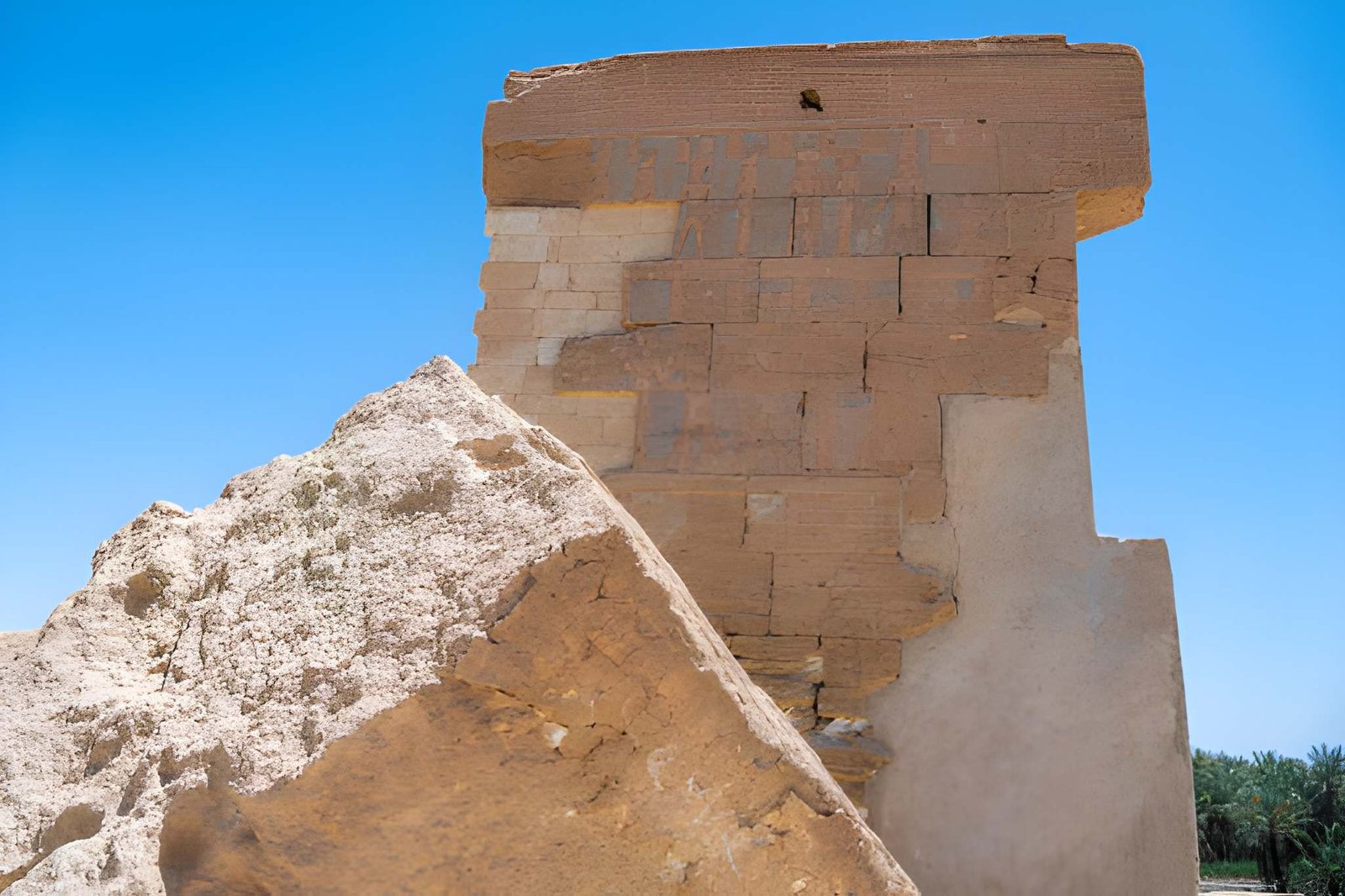
Temple of Umm Ubayd: The Forgotten Sanctuary of Siwa Oasis
Hidden deep in the golden silence of Egypt’s Siwa Oasis, the Temple of Umm Ubayd stands as one of the most intriguing yet overlooked monuments of the ancient world. This millennium-old site whispers tales of pharaohs, oracles, and gods, its weathered stones echoing a legacy that still captivates archaeologists and curious travelers alike. The Temple of Umm Ubayd, though partially ruined, remains a spiritual and archaeological gem that bridges Egypt’s mystical past with its desert beauty. The temple’s strategic location near the Oracle of Amun suggests it was once part of a grand religious complex dedicated to Amun—the same god whose divine guidance influenced kings, including Alexander the Great himself.
Constructed during the reign of Nectanebo II, the last native pharaoh of Egypt’s 30th Dynasty, the Temple of Umm Ubayd symbolized both devotion and defiance. The pharaoh built this shrine not just to honor his gods but also to reaffirm his dominion over Egypt’s western desert frontier. Despite centuries of erosion and historical neglect, the temple’s surviving reliefs, hieroglyphics, and construction techniques reveal profound artistry and purpose.
Visitors who journey to the site today—whether drawn by fascination with Egyptology or the serenity of Siwa’s isolation—find that the Temple of Umm Ubayd envelops them in a sacred, almost dreamlike atmosphere. Its broken columns rise from golden sands, reflecting a time when Egyptian priests interpreted divine messages within these very walls. For history buffs, adventure seekers, or spiritual travelers exploring hidden corners of Egypt, this temple represents a journey backward through time, into the forgotten heart of Egypt’s desert heritage.
Historical Origins of the Temple of Umm Ubayd
The Temple of Umm Ubayd emerged during Egypt’s Late Period under the rule of Nectanebo II, around the 4th century BCE. This era, though politically unstable, witnessed a cultural renaissance in temple construction. Nectanebo II was known for his ambitious architectural projects, reinforcing ancient religious centers while trying to preserve Egyptian traditions against Persian influences. The Temple of Umm Ubayd, therefore, wasn’t merely another sanctuary—it embodied a statement of identity.
The temple’s dedication to Amun, one of Egypt’s most revered deities, aligned it closely with the Abu Simbel Temples and Theban sanctuaries that celebrated divine kingship and power. What sets Umm Ubayd apart is its location—far from the Nile Valley, deep in Siwa’s arid isolation—making it a remote yet powerful spiritual hub. Ancient accounts and archaeological findings suggest that the temple may have been connected through rituals and pilgrimages to the nearby Oracle of Amun, where Alexander the Great sought confirmation of his divine ancestry.
Architectural Design and Layout
Although much of the Temple of Umm Ubayd lies in ruins, scholars have pieced together its original grandeur through detailed studies. The site contained a rectangular courtyard framed by limestone walls adorned with symbolic carvings. Its reliefs featured Nectanebo II offering gifts to Amun, illustrating the pharaoh’s devotion. These inscriptions, though faint, remain vital evidence of Egypt’s late dynastic art.
Architectural experts believe that the main sanctuary once housed a sacred statue of Amun, accessible only to priests. The temple’s alignment—eastward toward sunrise—symbolized rebirth and divine presence, mirroring temple traditions found at The Temple of Seti in Abydos and Luxor Temple. Though shattered by time and early explorers, its structural remnants display an advanced understanding of both solar orientation and religious symbolism.
Rediscovery and Archaeological Exploration
The Temple of Umm Ubayd gained scholarly attention during the early 19th century when explorers like George Murray and Ahmed Bey discovered fragments of ancient walls etched with hieroglyphs. These findings revealed that Siwa wasn’t merely a remote desert settlement—it was an influential ceremonial center dating back to pharaonic times. Excavations unearthed limestone blocks depicting offerings, processions, and invocations to Amun-Ra.
Many of these artifacts have since been studied to understand how Egyptian religious practices evolved in isolated regions. The site’s surviving portions continue to attract Egyptologists eager to decode its connections to other temples across the desert. The temple’s proximity to dunes and salt lakes adds to its mystique, transforming it into one of the most photogenic and spiritually charged destinations within Bahariya Oasis Egypt and the wider western oases route.
Religious Significance and the Cult of Amun
Amun worship dominated Egyptian theology during the Late Period, symbolizing creation, hidden power, and divine legitimacy. The Temple of Umm Ubayd played a vital role in sustaining Amun’s worship in remote territories. Pilgrims, priests, and travelers from across the desert gathered to offer incense, perform hymns, and seek oracular insights. This temple’s intimate link with the Oracle of Amun strengthened its influence as a center for divine consultation.
The worship performed here often mirrored that of major Theban temples. Priests would interpret signs from Amun manifested through sacred objects or dreams. Many historians propose that the temple also served as an auxiliary sanctuary—where seekers could cleanse and prepare before visiting the main oracle. This integration of desert mysticism with the Egyptian state religion created a unique fusion of faith and geography that still fascinates modern spirituality enthusiasts.
Connection to Alexander the Great’s Pilgrimage
Legend holds that Alexander the Great’s visit to Siwa in 331 BCE marked one of the most defining moments in Egyptian history. His journey to consult the Oracle of Amun at Siwa confirmed his divine sonship, a narrative that strengthened his rule over Egypt. Although the Temple of Umm Ubayd was not the oracle itself, it’s considered part of the same sacred complex.
Given the temple’s chronological proximity to Alexander’s time, it’s plausible that rituals performed within its sacred enclosure preceded or followed his consultation. Archaeological discoveries of Greek inscriptions in Siwa further substantiate cross-cultural influences—where Hellenistic worship mingled with Egyptian faith traditions. Today, historians view the temple as a silent participant in the monumental transformation that ushered Egypt into the Hellenistic era.
The Temple Today: Heritage, Tourism, and Preservation
While much of the Temple of Umm Ubayd has succumbed to the sands of time, its remains still command profound respect. Siwa’s remote location has ironically helped preserve its atmosphere, protecting it from over-tourism and modern encroachments. Today, heritage experts collaborate with local authorities to stabilize surviving structures and document remaining reliefs with digital technology.
Travelers exploring Siwa often combine their visit with nearby attractions such as the Shali Castle, the serene Cleopatra Spring, and the magical Siwa Salt Lakes. These sites complement the historical richness of Umm Ubayd, offering a balance between archaeology, relaxation, and authentic cultural immersion. The best way to experience the site is through guided expeditions organized by professional travel agencies like Travme Tours, ensuring travelers gain both historical context and comfort during their desert adventure.
Practical Information for Visitors
Reaching the Temple of Umm Ubayd involves a captivating journey across Egypt’s Western Desert. Tourists can start from Cairo, following routes that pass through oases like Bahariya and Farafra before arriving in Siwa. The drive itself feels like an odyssey—filled with changing desert colors, mirages, and Bedouin hospitality.
Visitors are encouraged to explore sustainable options included in eco-friendly itineraries such as Eco Tours in Egypt. Such packages offer insights into the temple’s context, emphasizing cultural preservation and environmental respect. The temple’s climate, often hot during the day and cool by night, makes early morning or sunset visits ideal for photography and contemplation.
Symbolism, Art, and Hieroglyphic Legacy
The delicate carvings at Umm Ubayd reveal layers of symbology deeply rooted in Egyptian cosmology. Amun’s figure dominates the surviving reliefs—depicted with a double-plumed crown, a symbol of hidden divinity. Surrounding him are icons of life (ankh), power (was), and eternal cycles. These hieroglyphs not only decorated but also consecrated the temple walls, turning stone into a sacred scripture.
The craftsmanship reflects Late Period artistic evolution, blending precision and spiritual depth. Every chisel mark told a story, and despite millennia of decay, the surviving art continues to inspire both archaeologists and digital restorers working on documenting Egypt’s vanishing monuments. When viewed in concert with nearby sites like Qasr Qarun Temple and Kharga Oasis, Umm Ubayd emerges as part of a broader cultural continuum linking Egypt’s east and west through sacred architecture.
Frequently Asked Questions about the Temple of Umm Ubayd
What makes the Temple of Umm Ubayd unique compared to other Egyptian temples?
Unlike Nile Valley monuments, the Temple of Umm Ubayd stands in the isolated Siwa Oasis. Its location emphasizes the spread of Egyptian religion beyond traditional centers. The sanctuary also demonstrates how local communities preserved Amun’s cult centuries after Egypt fell under foreign rule.
Who built the Temple of Umm Ubayd?
The temple was commissioned by Pharaoh Nectanebo II during Egypt’s 30th Dynasty. Known for his devout belief in traditional religion, he built numerous temples to revive Egyptian spirituality and resist Persian dominance.
Can tourists visit the Temple of Umm Ubayd today?
Yes. The site is accessible to tourists year-round. Its proximity to major Siwa attractions makes it a must-see for anyone booking Egypt Day Tours or all-inclusive desert experiences. Visitors are advised to coordinate with local guides familiar with the region’s terrain.
Is the temple connected to Alexander the Great’s legendary visit?
While Alexander the Great visited the Oracle of Amun nearby, many historians believe the Temple of Umm Ubayd functioned as part of the same sacred network. Rituals or purification rites may have taken place here before his divine consultation.
What’s the best way to reach Siwa and the Temple of Umm Ubayd?
Travelers can reach Siwa via guided routes from Cairo or Marsa Matruh, combining archaeological exploration with relaxation. For luxury enthusiasts, curated itineraries like the 8 Days Egypt Trip Package or 11 Days Luxury Egypt Tour Package provide comfortable and informative journeys into the desert’s ancient mysteries.
Why should travelers add Temple of Umm Ubayd to their Egypt itinerary?
This enigmatic site offers a rare glimpse into Egypt’s lesser-known history outside the bustling Nile corridor. It’s ideal for those seeking authentic adventures away from crowds, adding both mystery and depth to broader tours featuring iconic attractions like the Pyramids of Giza or the Valley of the Kings.
Conclusion: The Eternal Whisper of Umm Ubayd
The Temple of Umm Ubayd isn’t just a monument—it’s a mirror reflecting Egypt’s enduring spirit. Its crumbling pillars tell of resilience, faith, and forgotten glory. For every traveler who ventures beyond the standard itinerary to reach it, Umm Ubayd rewards with a profound sense of connection to a civilization that never truly disappeared. In the soft desert breeze and shifting sands, the voice of Amun still lingers, reminding visitors that every stone in Egypt has a story to tell—and the Temple of Umm Ubayd tells one of the most timeless of them all.

Comment (0)