

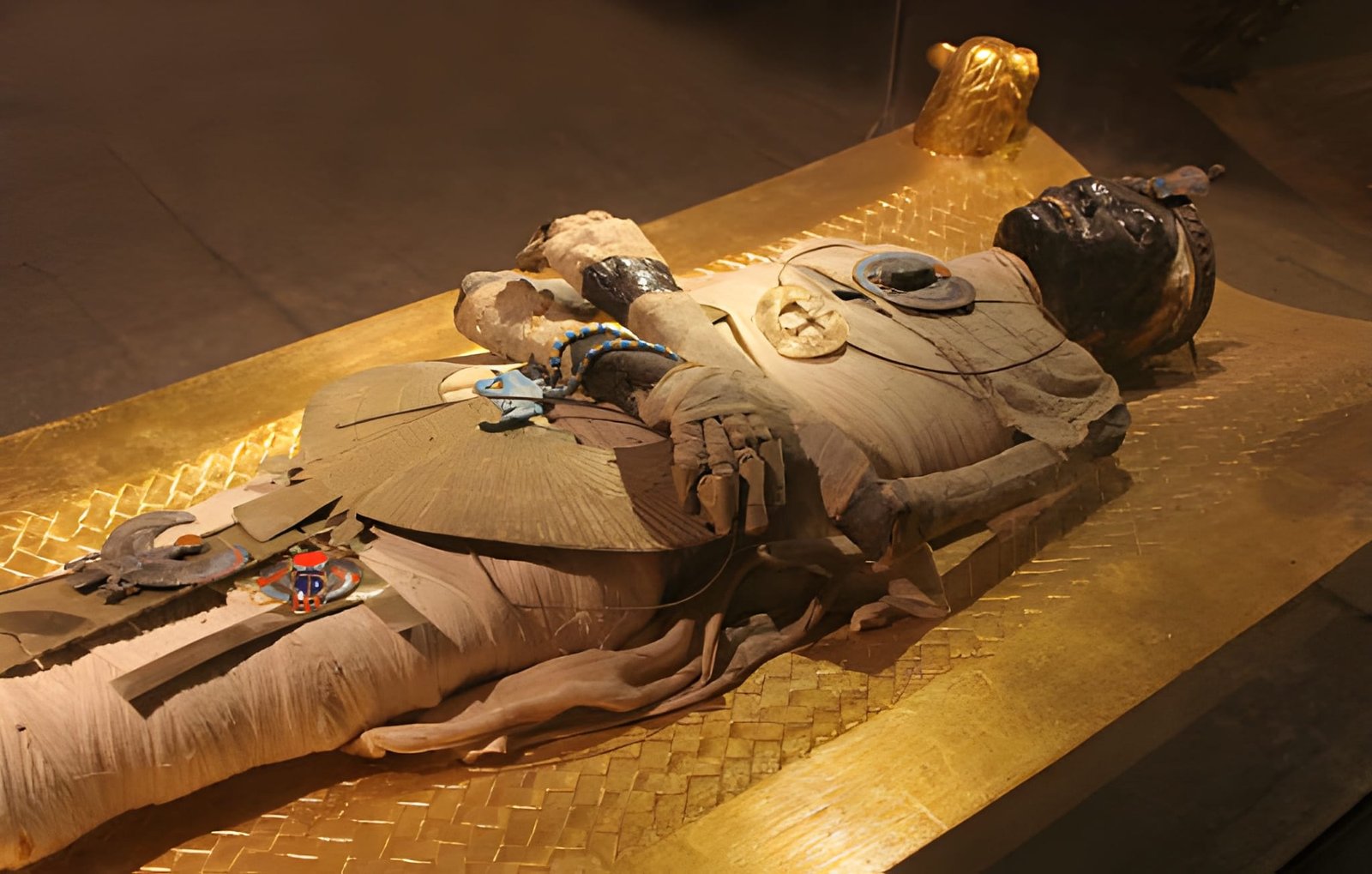
The 7 Steps of Mummification: Ancient Egyptian Secrets of Eternal Preservation
For millennia, the mystery of ancient Egyptian mummification has fascinated historians, travelers, and archaeologists alike. The process wasn’t merely a method of preserving the dead; it was an art form deeply rooted in religion, culture, and the belief in life after death. The seven steps of mummification reveal the Egyptians’ profound understanding of anatomy, chemistry, and spirituality. Each stage was performed with precision, ritual significance, and devotion to the gods, particularly Anubis, the deity of embalming and the afterlife. These sacred rites were designed to prepare the deceased for their eternal journey through the Duat—the Egyptian underworld—where the soul would ultimately reunite with its preserved body.
To truly appreciate Egypt’s mummification rituals, one must explore their symbolic meanings and techniques, from the removal of organs to the wrapping of linen infused with resins. Visiting landmarks such as the Valley Temple, the Egyptian Museum, or the Valley of the Kings offers travelers a chance to witness the evidence of these ancient practices firsthand. These locations display the unmatched craftsmanship and spiritual depth that defined ancient Egyptian civilization. For those seeking to experience this history in person, guided journeys such as Best Nile River Cruises and Egypt Day Tours immerse visitors in the world where pharaohs sought immortality through mummification.
Let’s delve into the seven sacred steps of mummification and uncover the ancient techniques that transformed mortal remains into eternal vessels of the soul.
Step 1: Purification of the Body – The Sacred Cleansing Ritual
The first step in the mummification process was purification—a deeply spiritual act that marked the transition from earthly life to divine existence. Priests, dressed as Anubis, purified the body with water from the Nile River, symbolizing rebirth and purity. The body was washed with palm wine and rinsed several times to eliminate impurities and prepare it for preservation. This stage honored the belief that cleanliness was divine, a necessary prelude to eternity.
This ritual wasn’t merely physical; it was spiritual. The Nile, regarded as the source of life, represented the link between the mortal and the divine. As the priests chanted incantations, they invoked protection from malevolent forces, ensuring the deceased’s soul would travel safely through the afterlife. The symbolic washing signified the start of the body’s transformation from human to sacred relic—an essential foundation for the following steps.
Step 2: Extraction of Internal Organs – Preparing the Vessel for Eternity
The Egyptians believed that decay began with the body’s internal organs, so removing them was crucial for preservation. Skilled embalmers carefully cut into the left side of the abdomen using obsidian knives, prized for their precision. The liver, lungs, stomach, and intestines were delicately extracted. Each organ was then cleansed, dried using natron—Egypt’s natural preservative—and stored in canopic jars, each guarded by one of the four sons of Horus.
The heart, however, was left inside the body. Ancient Egyptians viewed it as the seat of intelligence, emotion, and morality. In the afterlife, the heart would be weighed against the feather of Ma’at, the goddess of truth. Only those with hearts lighter than the feather were granted eternal bliss. This step demonstrated their intricate understanding of anatomy and spiritual symbolism, intertwining science with faith.
Step 3: Removal of the Brain – The Silent Extraction
Perhaps one of the most intriguing steps of mummification was the removal of the brain. Through the nostrils, embalmers inserted a hooked instrument to break the thin bone separating the nasal cavity and the brain. The brain matter was then carefully extracted in pieces and discarded, as Egyptians believed it held no significance in the afterlife. Instead, wisdom and emotion were thought to reside in the heart.
This process demanded both precision and courage, as a single mistake could damage the face—a major taboo. After removing the brain, the skull was rinsed with palm wine and filled with natron or linen to maintain the head’s shape. The ingenuity of this step showcases ancient Egypt’s advanced anatomical knowledge and their meticulous attention to ceremonial detail.
Step 4: Dehydrating the Body with Natron – Nature’s Preservative
The cornerstone of mummification was dehydration using natron, a naturally occurring salt mixture found in the Egyptian deserts. The body was completely covered in natron for forty days to draw out moisture and prevent decay. This process effectively halted bacterial growth, leaving the skin leathery yet intact. The dry, desert climate complemented this preservation, making Egypt the ideal cradle for eternal rest.
By the end of this stage, the body had transformed into a preserved shell—ready for reanimation in the afterlife. Natron was also used to cleanse the canopic jars and the cavity of the body, reinforcing purification at every level. This step exemplified the Egyptians’ profound mastery of chemistry long before modern preservation techniques existed.
Step 5: Anointing and Stuffing the Body – Restoring the Sacred Form
After desiccation, embalmers rehydrated the body’s skin with sacred oils, resins, and perfumes. These substances not only softened the skin but also imbued it with divine protection. The aromatic blend of cedar oil, myrrh, and frankincense symbolized rebirth and purification. Then, embalmers stuffed the body with linen, sawdust, or sand to restore its lifelike form, ensuring the deceased would appear whole in the afterlife.
During this stage, intricate rituals were performed to bless the body and invite protective deities to guard it eternally. The priests recited prayers dedicated to Osiris, the god of resurrection, invoking eternal life for the deceased. The artistic precision of this process highlighted the Egyptians’ belief that physical wholeness mirrored spiritual completeness—a concept still admired by modern historians.
Step 6: Wrapping the Mummy – The Ritual of Eternal Protection
The wrapping process was the most elaborate and symbolic of all the steps. Embalmers used hundreds of yards of fine linen strips, each layer accompanied by rituals and prayers. Between each layer, amulets were placed to protect the deceased’s journey through the afterlife. The Eye of Horus amulet, for instance, symbolized healing and protection, while scarab beetles represented rebirth.
Resin acted as both adhesive and antibacterial sealant, ensuring the linen layers bonded firmly. The priests would chant sacred spells from the Book of the Dead, empowering the wrappings with magical strength. Finally, the wrapped mummy was placed in a beautifully decorated coffin adorned with hieroglyphics detailing the deceased’s name, titles, and invocations to the gods. This stage encapsulated the Egyptians’ devotion to detail, artistry, and faith.
Step 7: The Final Burial – Journey to the Afterlife
The concluding phase was the burial itself, an event filled with ceremony and grandeur. The mummified body was placed within multiple coffins, often nested one inside another, symbolizing layers of spiritual protection. The innermost sarcophagus was richly adorned with gold, precious stones, and inscriptions invoking divine guardianship. The body was then entombed with personal possessions, food, jewelry, and statues—essentials for the afterlife.
The tomb often featured intricate carvings and paintings illustrating the deceased’s life and anticipated afterlife journey. Sites like the Temple of Hatshepsut and Abu Simbel Temples reveal the grandeur of burial architecture that reflected this belief in immortality. The “Opening of the Mouth” ceremony was performed to restore the senses of the deceased—sight, taste, and speech—ensuring they could fully function in the next world. This final act concluded the mummification process, transforming the deceased into an eternal being among the gods.
The Spiritual Essence of Mummification in Ancient Egypt
Mummification wasn’t only about bodily preservation—it was about ensuring eternal harmony between the Ka (life force), Ba (personality), and Akh (spirit). The Egyptians believed that if the body was destroyed, the soul would be lost forever. Thus, mummification became a sacred science that united faith and function, securing immortality through careful preservation. The process reflected the Egyptian view of death not as an end, but as a transition to a divine existence.
Visitors exploring sites like the Sakkara Necropolis, home of early mummification experiments, or embarking on an Egypt Luxury Tour, can witness firsthand how this sacred art evolved into a practice defining an entire civilization’s quest for eternity.
FAQs about The 7 Steps of Mummification
1. Why did the ancient Egyptians practice mummification?
Ancient Egyptians practiced mummification to preserve the body for the afterlife. They believed the soul needed a preserved physical form to recognize and return to after passing through the underworld. Without proper preservation, eternal life was impossible.
2. How long did the mummification process take?
The entire process took around seventy days. This period allowed sufficient time for dehydration using natron, ritual ceremonies, and the precise wrapping of the mummy. Each stage followed strict religious timing and priestly supervision.
3. Were all Egyptians mummified?
No, mummification was primarily reserved for pharaohs, nobles, and the wealthy due to its high cost and elaborate nature. However, over time, simplified versions became available for common citizens who sought spiritual preservation.
4. What materials were used during mummification?
Key materials included natron for dehydration, linen for wrapping, palm wine for cleaning, and resins for sealing. Sacred oils and perfumes, such as myrrh and frankincense, were also essential for anointing the body and invoking divine protection.
5. Can mummification still be seen today?
Yes. Visitors can see remarkably preserved mummies in the National Museum of Egyptian Civilization and numerous tombs across Egypt. These remain testaments to the ancient Egyptians’ mastery of preservation and their deep spiritual beliefs surrounding life, death, and resurrection.

Comment (0)