

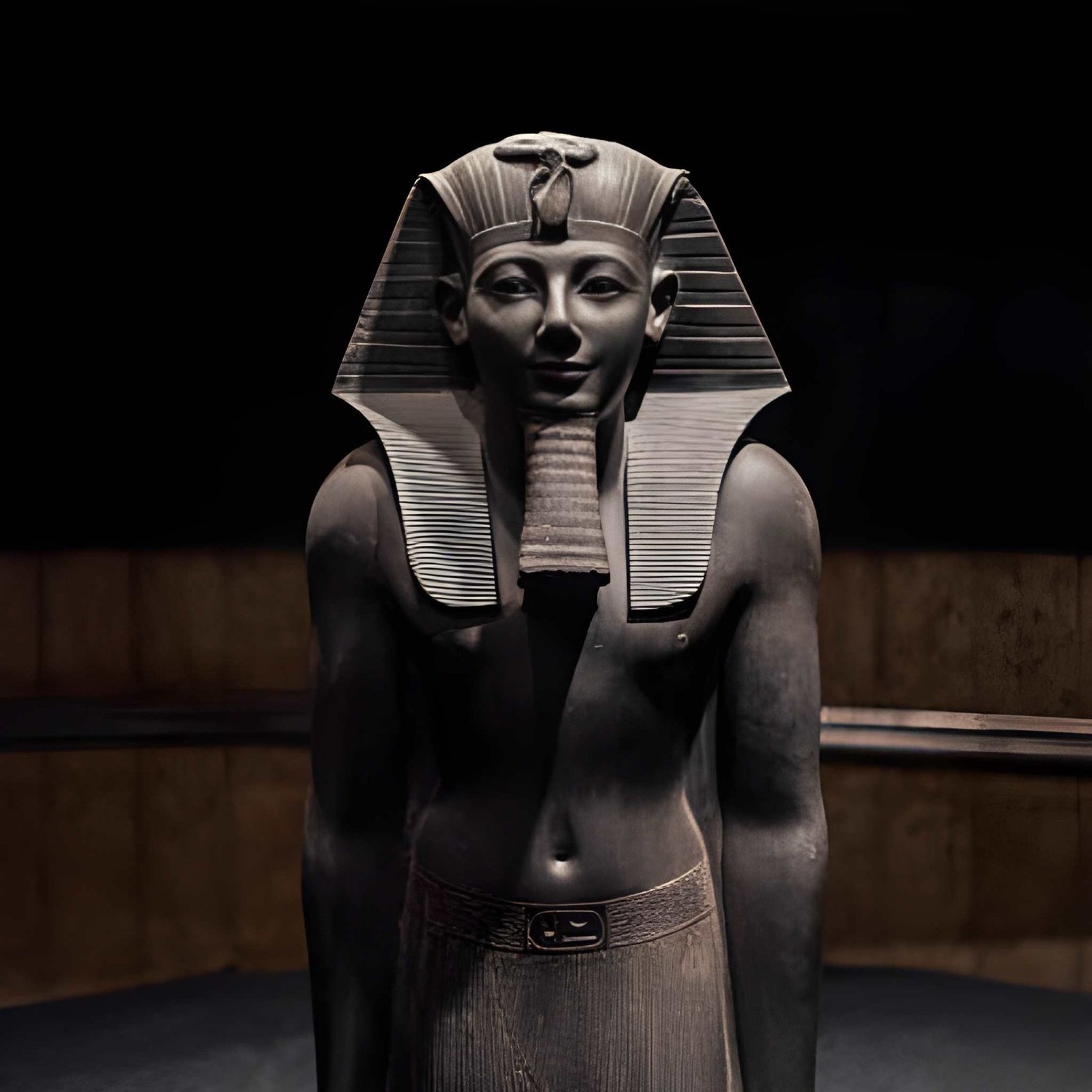
Thutmose III: The Warrior Pharaoh Who Forged Egypt’s Golden Empire
Thutmose III, often hailed as the ‘Napoleon of Ancient Egypt,’ transformed a kingdom into an empire through sheer brilliance, unmatched military prowess, and a keen political mind. Ruling during the 18th Dynasty, this pharaoh’s legacy shines brighter than most rulers of his time. His reign, spanning nearly 54 years, stands as a golden era in Egyptian history — one of expansion, architectural innovation, and cultural sophistication. Born to Thutmose II and Iset, a lesser wife, Thutmose III’s ascent to power was far from simple. Yet his determination, intellect, and strategic genius turned early obstacles into stepping stones toward greatness.
Initially overshadowed by his stepmother and co-regent, Hatshepsut, Thutmose III’s story reveals a monarch who learned patience and diplomacy before seizing control of the throne. When he finally took the reins, he didn’t just rule — he conquered. His campaigns reached as far as the Euphrates River and deep into Nubia, crafting an empire that sprawled wider than any before in Egyptian history. With wealth pouring into Thebes, temples like The Karnak Temple grew grander, and monuments immortalized his victories. Ancient Egyptian culture thrived, flourishing under his careful yet ambitious hand. Whether you’re a history enthusiast planning a cultural exploration or an adventurer sailing the Nile River, understanding Thutmose III’s life unveils Egypt’s remarkable transformation from a regional power into a global empire.
The Early Life of Thutmose III: Rise of a Future Conqueror
Thutmose III was born around 1481 BCE in Thebes, the spiritual heart of Egypt. His father, Thutmose II, passed away when he was still a child, leaving the throne in a delicate balance. As the son of a secondary wife, his claim was legitimate but politically fragile. His stepmother, Queen Hatshepsut, assumed the role of regent but soon declared herself pharaoh — a daring move that challenged tradition. For years, young Thutmose watched from the sidelines, learning, observing, and cultivating the patience that would one day define his leadership.
While Hatshepsut ruled, Thutmose received an education befitting a prince: military training, administrative knowledge, and deep instruction in Egypt’s religious and political systems. He served as commander of the army even before taking full authority, honing his tactical mind. This period of apprenticeship wasn’t wasted time; it was a formative chapter that shaped his disciplined, methodical approach to governance and war. By the time he emerged as Egypt’s ruler, Thutmose III was not only ready — he was unstoppable.
Thutmose III’s Military Campaigns: Strategy, Victory, and Expansion
Once in power, Thutmose III embarked on a series of military campaigns that fundamentally changed Egypt’s place in the ancient world. His first and most famous campaign was the Battle of Megiddo, a masterclass in strategy that secured Egypt’s dominance over Canaan and Syria. His decision to take a narrow mountain pass, despite his generals’ hesitation, shocked the enemy and led to a decisive victory. This triumph wasn’t just about territory — it was about cementing Egypt’s image as an invincible superpower.
Thutmose didn’t stop there. Over the next two decades, he led at least seventeen campaigns into foreign lands. From Nubia in the south to the banks of the Euphrates, he collected tributes, expanded trade, and installed loyal governors. These conquests filled Egypt’s coffers with gold, ivory, cedarwood, and exotic animals. The pharaoh’s meticulous records on the walls of Karnak detail these victories, offering historians one of the most comprehensive military archives from antiquity. His empire stretched from modern-day Sudan to Syria — a feat unmatched in Egyptian history.
The Diplomat Behind the Warrior Pharaoh
While Thutmose III is celebrated as a military genius, his diplomatic acumen was equally impressive. He established a network of alliances and tribute states that sustained Egypt’s prosperity long after his campaigns ended. Instead of pure domination, he preferred to integrate conquered regions into Egypt’s cultural and economic sphere. Local rulers retained their titles under Egyptian oversight, ensuring stability while minimizing rebellion. This sophisticated model of governance became a blueprint for later empires.
Thutmose also recognized the power of religion and symbolism in maintaining loyalty. At Thebes, he honored Amun, Egypt’s chief deity, attributing his victories to divine favor. His devotion led to monumental temple expansions, such as those at Karnak, where inscriptions portrayed him as Amun’s chosen warrior. This combination of piety and propaganda ensured his divine legitimacy while inspiring unity across the empire.
Architectural Triumphs and Cultural Flourishing
Thutmose III’s reign pulsed with creative energy. The immense wealth acquired from foreign conquests funded architectural marvels across Egypt. The Karnak Temple saw extraordinary growth, with new pylons, obelisks, and sanctuaries added under his direction. His contributions didn’t merely glorify the gods; they celebrated Egypt’s ascendancy on the global stage. Even today, the ruins whisper tales of a golden age when empire, faith, and artistry intertwined seamlessly.
Beyond architecture, Thutmose III fostered advancements in science, art, and administration. Artists depicted his victories on temple walls; scribes recorded his campaigns in hieroglyphs, the sacred script of the gods. Scholars believe he introduced improved taxation systems and encouraged agricultural innovations that stabilized Egypt’s economy. His rule marked a balanced synergy between power and prosperity — a formula future pharaohs aspired to replicate.
Thutmose III’s Relationship with Hatshepsut: Rivalry Revisited
One of history’s most debated relationships is that between Thutmose III and Hatshepsut. After her death, he ordered the removal of her images and cartouches from monuments — a move long interpreted as revenge. Yet modern scholars suggest a more nuanced motive. These erasures might have been political acts to reassert traditional male kingship rather than personal vengeance. Regardless, the episode underscores how power and legacy intertwined in ancient Egypt’s royal courts.
The Legacy of Thutmose III: Egypt’s Eternal Conqueror
By the time Thutmose III died around 1425 BCE, Egypt stood unrivaled in wealth, military might, and cultural grandeur. His empire extended influence far beyond its borders, shaping trade routes and diplomacy for centuries. His tomb, nestled in the Valley of the Kings, remains one of the finest examples of New Kingdom burial architecture. The artwork inside details his celestial journey, a testament to both his piety and his fascination with eternity. Visitors exploring modern Luxor City and Thebes can still trace his imprints across temples and monuments that mirror his indomitable spirit.
Thutmose III’s story resonates beyond ancient walls. His strategies, leadership, and vision mirror modern principles of governance and statecraft. For travelers seeking to immerse themselves in the world he built, exploring sites like Deir el-Bahari, the Egyptian Museum, or embarking on a Best Nile River Cruises experience offers a living connection to his extraordinary reign. His legacy isn’t just carved in stone; it flows within Egypt’s very heartbeat — along the timeless Nile that sustained his empire.
Thutmose III’s Religious Vision and Divine Kingship
In Egyptian mythology, kingship wasn’t merely a political role — it was divine duty. Thutmose III embraced this concept wholeheartedly. He portrayed himself not just as Amun’s chosen son but as a living god on Earth. This fusion of faith and authority fortified his reign and justified his conquests. He expanded temple rituals, introduced new festivals, and reinforced Thebes as Egypt’s religious hub. At Karnak, colossal reliefs depicted him offering to the gods, symbolizing his eternal bond with the divine realm. His spiritual policies strengthened national unity, ensuring every victory appeared as Amun’s will manifested through his chosen warrior.
The Tomb of Thutmose III: A Glimpse into the Afterlife
Hidden deep within the Valley of the Kings, the tomb of Thutmose III (KV34) stands out for its unique design and symbolic decor. Its steep descent mirrors the journey into the underworld, while the intricate wall paintings portray chapters from the ‘Book of the Dead.’ The geometric artistry and hieroglyphic precision reflect a king deeply concerned with eternity. The sarcophagus, shaped like a cartouche, emphasizes his divine identity. Archaeologists consider this tomb one of the earliest examples of fully developed New Kingdom funerary architecture — a model later followed by rulers including Amenhotep II and Tutankhamun.
Frequently Asked Questions about Thutmose III
Who was Thutmose III in ancient Egypt?
Thutmose III was the sixth pharaoh of Egypt’s 18th Dynasty, reigning from approximately 1479 to 1425 BCE. Known as the ‘Warrior Pharaoh,’ he transformed Egypt into a vast empire through brilliant military campaigns and diplomatic alliances.
What was Thutmose III known for?
He’s chiefly remembered for his military genius, particularly his victory at the Battle of Megiddo. Beyond warfare, Thutmose III was an architect, builder, and cultural innovator who expanded Egypt’s influence across the ancient Near East.
How did Thutmose III expand Egypt’s empire?
Through seventeen military campaigns, Thutmose III extended Egypt’s reach from Nubia in the south to the Euphrates in the north. His empire-building was supported by strategic marriages, diplomacy, and religious propaganda celebrating divine favor.
Where is Thutmose III buried?
Thutmose III’s tomb, known as KV34, lies in the Valley of the Kings near modern Luxor. It’s renowned for its steep entryway and exquisite wall paintings depicting his journey through the afterlife.
How did Thutmose III influence later Egyptian rulers?
His reign set the standard for future pharaohs by blending military conquest with cultural and religious authority. Leaders like Ramses II later emulated his empire-building strategies and monumental architecture inspired by his legacy.
Exploring Thutmose III’s Egypt today reveals more than ancient history — it’s an encounter with ambition, artistry, and divine kingship that defined one of civilization’s greatest empires. Whether through a Egypt Day Tours adventure or an immersive Egypt Luxury Tour, every traveler steps into the timeless world Thutmose III once ruled.

Comment (0)