

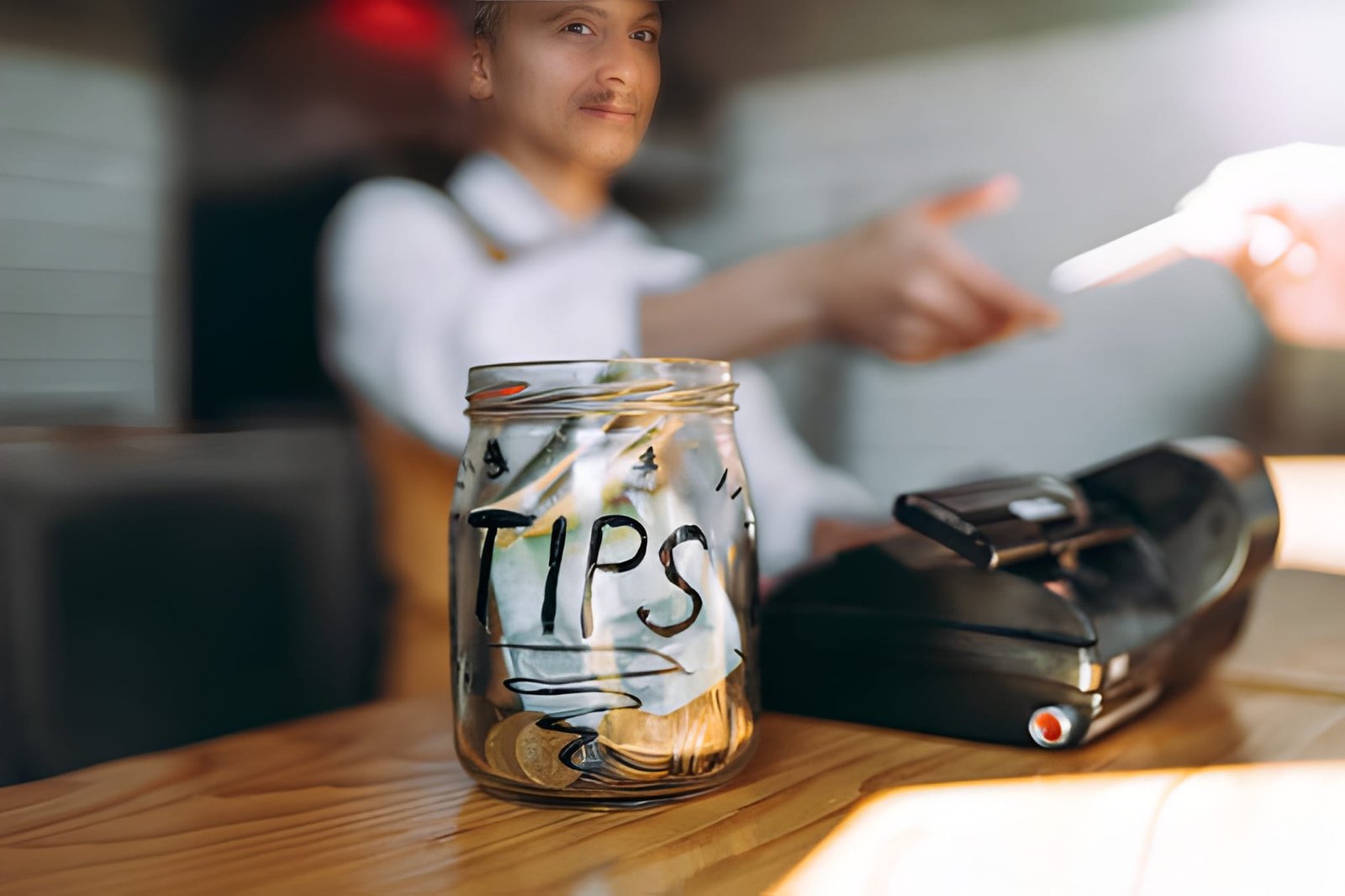
Tipping in Egypt: A Complete Traveler’s Guide to Gratuity Etiquette
Tipping in Egypt is more than just a polite gesture—it’s a deeply rooted cultural expectation. Known locally as ‘baksheesh,’ tipping plays a vital role in the country’s economy and hospitality traditions. Whether you’re exploring the bustling markets of Cairo, sailing the Nile, or staying in a five-star resort by the Red Sea, understanding how and when to tip in Egypt is essential. It not only ensures smoother experiences but also shows respect for the locals providing their services. For travelers eager to discover Egypt’s treasures, knowing the ins and outs of tipping can make the difference between awkward encounters and seamless interactions. As tourism continues to thrive, travelers on Best Egypt Travel Packages often ask the same question: how much should you tip in Egypt?
This detailed guide breaks down Egypt’s tipping culture—covering hotels, restaurants, taxis, tours, and more. We’ll explore the history behind baksheesh, typical amounts, and unspoken rules every visitor should know. By the time you finish reading, you’ll know exactly how to handle tipping situations confidently, helping you connect authentically with locals and enhance your travel experience. Let’s dive into the world of Egyptian tipping customs and discover how to navigate this unique aspect of daily life with grace and understanding.
Understanding the Meaning of Baksheesh in Egyptian Culture
The word ‘baksheesh’ has Persian roots but has been part of Egyptian vernacular for centuries. In Egypt, baksheesh symbolizes gratitude, kindness, and appreciation rather than obligation. For many Egyptians, especially those working in tourism and service sectors, tipping significantly supplements their income. When you’re visiting iconic landmarks like the Pyramids of Giza or the Egyptian Museum, you’ll encounter people offering helpful gestures—taking photos, guiding you through passages, or sharing local insights. In these moments, a small tip is customary and appreciated.
Baksheesh has evolved from a simple token of thanks into an integral part of Egypt’s social and economic fabric. It’s not viewed as bribery but as an acknowledgment of service. Understanding this cultural nuance is crucial for any visitor. Even in situations where tipping might feel unfamiliar—such as public restrooms or street guides—a small tip can go a long way toward creating goodwill and fostering local relationships. The concept of baksheesh aligns perfectly with Egypt’s warmth, generosity, and hospitality.
When and Where Tipping Is Expected in Egypt
In Egypt, tipping expectations vary depending on the situation. For instance, hotel staff like bellboys, cleaners, and receptionists rely on tips as part of their daily income. At restaurants, a 10-15% tip is considered appropriate, even if a service charge is included in the bill. Taxi drivers and rideshare operators appreciate rounding up the fare, while private drivers expect a more generous amount after day-long tours. Guides and cruise staff on experiences like Best Nile River Cruises or the Luxury Dahabiya Nile Cruise should be tipped separately based on service quality.
In rural areas or small towns, where wages are lower, even modest tips can make a significant difference. For example, tipping a porter a few Egyptian pounds for carrying your luggage or offering small change to restroom attendants is both courteous and expected. In upscale settings like luxury hotels or fine dining establishments, tipping follows international norms but remains slightly more flexible. Always carry small denominations of Egyptian pounds, as it makes tipping easier in everyday interactions.
How Much to Tip in Different Situations
Let’s break down typical tipping amounts in Egypt. In restaurants, leaving 10% is standard, while high-end establishments may expect 15%. Hotel porters generally receive around 20–50 EGP per bag, and housekeeping staff appreciate 30–50 EGP per night. For private drivers or tour guides, 100–200 EGP per day is common, depending on service quality and group size. On cruises such as the Mövenpick MS Royal Lily Nile Cruise or 4 Day 3 Night Nile Cruise from Aswan to Luxor, tipping guidelines are usually shared at the start of your trip; crew members often pool tips, which ensures fairness among the staff.
Street vendors or small service providers might expect only a few pounds, while in tourist-heavy areas, expectations may be higher. Always gauge the level of service and tip accordingly. Remember: tipping generously for exceptional service creates a positive experience and reflects your appreciation for Egypt’s hardworking hospitality professionals.
Why Tipping Matters: Economic Realities and Local Customs
Egypt’s economy heavily depends on tourism, and the service industry employs millions. Many workers earn minimal base salaries and rely on tips to make ends meet. Thus, tipping isn’t seen as optional—it’s part of the social contract between visitors and locals. When you offer baksheesh, you’re not just rewarding good service; you’re supporting families and communities that depend on tourism. It’s a simple gesture that carries deep cultural and economic significance.
Moreover, tipping reinforces mutual respect. Egyptians pride themselves on their hospitality, and acknowledging their efforts with a tip helps maintain that cultural harmony. During guided excursions, whether to the Abu Simbel Temples in Aswan or the Valley of the Kings, showing appreciation through tipping enhances both your experience and that of the locals who make it possible.
Practical Tipping Tips for Visitors to Egypt
Managing tipping in Egypt becomes simple once you understand the rhythm. Always keep small bills and coins handy, as change can be scarce. When tipping, hand the money directly with a smile and a polite ‘shukran’ (thank you). Avoid over-tipping in minor situations, as it can set unrealistic expectations for other tourists. On the flip side, avoid skipping tips where they’re customary—such as tour guides, hotel staff, or waiters—since these gestures maintain goodwill and respect.
Another practical tip: don’t feel pressured to tip unsolicited helpers who insist on providing “services” you didn’t ask for, such as aggressive guides at monuments or street hustlers. Politely decline and walk away. By exercising discretion, you’ll balance generosity with practicality. If you’re traveling with organized tours like Egypt Day Tours, your guide will often advise you when and how much to tip during group activities.
Regional Differences in Tipping Across Egypt
Egypt’s tipping culture can vary depending on the region. In large cities like Cairo and Alexandria, tipping is well-established and expected in nearly every service interaction. In resort towns along the Red Sea, such as Hurghada City and Sharm El Sheikh, tipping is more structured, especially in hotels and dive centers. Staff here often deal with international tourists and appreciate foreign currency tips in small denominations like USD or Euros, though Egyptian pounds remain preferable.
In Upper Egypt, including Luxor and Aswan, tipping is especially important because tourism forms the backbone of local livelihoods. Whether you’re exploring temples like the Luxor Temple or cruising the Nile, tipping is a sign of respect for the long-standing hospitality traditions of the south. Rural and desert communities, where tourism is less frequent, may have lower expectations, but even modest tips are highly valued.
Do’s and Don’ts of Tipping Etiquette in Egypt
There are a few golden rules to remember when tipping in Egypt. Do tip discreetly, and always in cash. Do express gratitude verbally—it goes a long way in Egyptian culture. Don’t show off large bills or make a big deal out of tipping, as modesty is appreciated. Don’t hand over coins or foreign change that locals can’t use. And if a service charge is already added to your bill, consider leaving a smaller tip directly to the server, as that’s often not included in their wages.
These small gestures of awareness demonstrate cultural sensitivity and encourage more genuine interactions. A visitor who understands and respects tipping customs will always find doors opening more easily, from cheerful greetings to extra care during service.
Common Tipping Mistakes Travelers Should Avoid
One of the most common mistakes tourists make is assuming service charges replace tips. In most Egyptian venues, these charges go to the establishment, not the staff. Another mistake is tipping in foreign coins, which can’t be exchanged easily. Always use Egyptian pounds or clean foreign notes instead. Over-tipping can also create awkwardness or inflated expectations, especially in rural areas. A little awareness goes a long way in maintaining balance and respect.
Finally, neglecting to tip drivers, porters, or cruise staff is a major faux pas. If you’re embarking on experiences like the 10 Day Egypt Luxury Trip with Dahabiya Nile Cruise or 11 Days Luxury Egypt Tour Package, these professionals dedicate long hours to ensuring your comfort and safety. Recognizing their hard work through fair tipping helps sustain the quality of Egyptian tourism services.
FAQs About Tipping in Egypt
How much should I tip hotel staff in Egypt?
Hotel porters typically expect around 20–50 EGP per bag, while housekeeping staff appreciate 30–50 EGP per night. If you’re staying in a luxury hotel, tipping at the higher end of this range is courteous. For concierge or special services, a tip of 100 EGP is generous and well-received.
Is tipping mandatory in Egypt?
While not legally mandatory, tipping in Egypt is socially expected and widely practiced. It’s an essential part of the service culture, especially in tourism-related jobs. Skipping tips can be seen as disrespectful or inconsiderate, particularly after receiving attentive service.
Can I tip in US dollars or euros?
Yes, small denomination notes in USD or euros are acceptable, especially in tourist areas. However, Egyptian pounds are always preferred. Avoid foreign coins, as they can’t be exchanged easily. For local experiences, carrying Egyptian currency is the best approach.
Should I tip taxi drivers in Egypt?
For taxis and rideshare services, rounding up the fare or adding 10–15 EGP is standard. If the driver helps with luggage, offers extra assistance, or waits during stops, a larger tip is appreciated.
How much should I tip on a Nile cruise?
On Nile cruises, tipping is typically pooled among the crew. A fair rate is about 10–15 USD per person per night, depending on the cruise line. This covers the entire service team, including waiters, housekeepers, and deckhands.
Is it okay not to tip if service is poor?
If service falls short, it’s acceptable to reduce or skip the tip, but do so politely. Egyptians value feedback and courtesy. You can also mention issues to management if necessary, ensuring fair communication without tension.
Are tips expected during guided tours in Egypt?
Yes, tour guides and drivers expect tips for their knowledge and effort. On average, 100–200 EGP per day for guides and 50–100 EGP for drivers is appropriate. It’s customary to give tips at the end of the tour in an envelope or directly by hand.
Final Thoughts: Mastering the Art of Tipping in Egypt
Tipping in Egypt is an art rooted in respect, gratitude, and tradition. It’s more than a monetary exchange—it’s a universal language of appreciation that bridges cultural gaps. Understanding when, where, and how much to tip helps travelers enjoy smoother experiences across Egypt’s timeless landscapes, from the temples of Luxor to the serene banks of the Nile. When combined with cultural awareness, your generosity becomes a bridge to authentic Egyptian hospitality. Whether you’re booking with Travme Tours or setting out on your own, knowing the etiquette of baksheesh ensures your journey through Egypt is as rewarding for you as it is for those who make it extraordinary

Comment (0)