

Traditional Dishes in Egypt: A Journey Through Egyptian Culinary Heritage
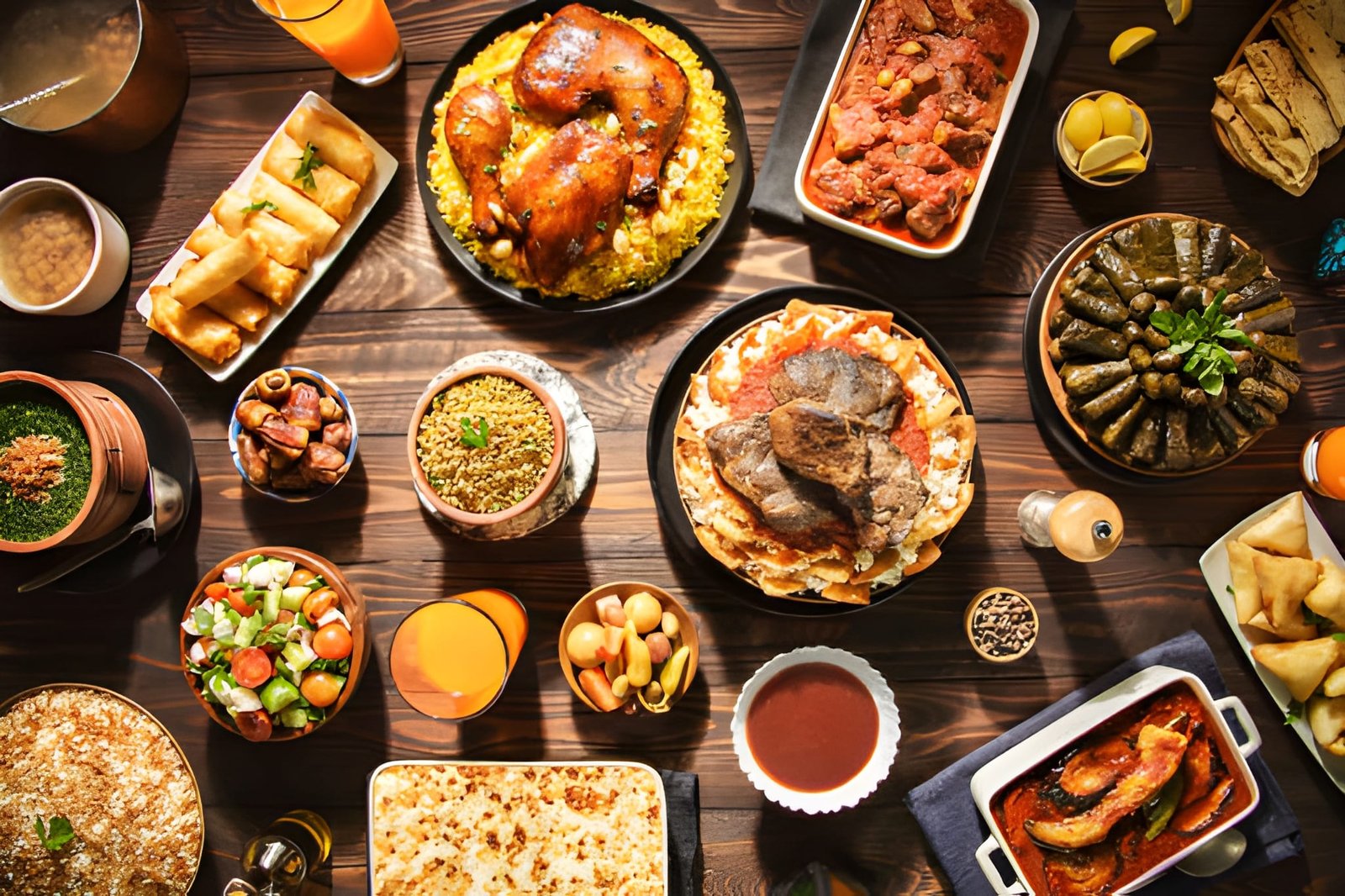
Egyptian cuisine is a captivating fusion of ancient traditions, Mediterranean influences, and Middle Eastern flavors that have evolved over thousands of years. Each dish tells a story—of the Nile’s bounty, of spice routes that once ran through bustling bazaars, and of local communities preserving their culinary heritage with pride. From the hearty ful medames to the aromatic molokhia and the irresistible koshari, traditional Egyptian dishes are an authentic reflection of Egypt’s vibrant history and culture. Whether you’re strolling through Cairo’s energetic streets, dining by the Nile, or exploring the serene beauty of Aswan, Egyptian food has the power to connect travelers with the heart of the land itself.
Food in Egypt isn’t just nourishment—it’s a celebration. Every meal is a social experience, a chance to gather, share, and savor. Ancient Egyptians relied on fresh produce grown along the Nile’s fertile banks, and that agricultural legacy still thrives today. Beans, lentils, rice, bread, and herbs form the backbone of Egyptian cuisine, while generous use of garlic, cumin, and coriander adds an earthy depth. Meat, though often reserved for special occasions, takes center stage in festive dishes like grilled kebab and stuffed pigeon. Street food culture, meanwhile, keeps ancient recipes alive in the most deliciously accessible ways.
Travelers on the Best Nile River Cruises or exploring on Egypt Day Tours can taste regional specialties that vary from north to south. In Alexandria, seafood reigns supreme; in Upper Egypt, meals are heartier, influenced by Nubian traditions. Let’s delve into the most remarkable traditional dishes in Egypt—the ones that embody its soul and captivate every palate.
Koshari: Egypt’s National Comfort Food
Koshari is the undisputed national dish of Egypt, beloved by locals and visitors alike. A hearty vegetarian meal, it layers rice, lentils, and macaroni, topped with chickpeas, crispy fried onions, and a tangy spiced tomato sauce. The combination may sound unconventional, but once tasted, it’s unforgettable. This humble dish originated in the 19th century when Egypt’s cosmopolitan cities embraced influences from Italian, Indian, and Middle Eastern cuisines. Koshari embodies the Egyptian spirit—resourceful, flavorful, and deeply satisfying.
In Cairo’s bustling streets, koshari shops are everywhere, serving quick and affordable meals to thousands daily. It’s common to see locals debating which restaurant offers the best version, each claiming their favorite spot as the most authentic. For travelers enjoying a 8 Day Cairo and Nile Cruise Tour, tasting koshari is a must before heading south along the river.
Ful Medames: The Ancient Egyptian Breakfast
Ful medames, made from slow-cooked fava beans, is Egypt’s oldest and most iconic breakfast. It dates back to the pharaonic era, when Egyptians relied on beans as a staple source of protein. Today, ful is served in every Egyptian home, from modest households to luxury hotels. Often seasoned with olive oil, garlic, lemon juice, and cumin, this dish can be customized with chopped tomatoes, boiled eggs, or spicy peppers.
Ful embodies Egyptian hospitality and resilience. Vendors sell it from street carts at dawn, filling the air with the aroma of roasted garlic and herbs. For travelers booking the Best Egypt Travel Packages, trying ful medames in a local café is an immersive cultural experience that reveals the essence of daily life in Egypt.
Taameya: Egyptian Falafel with a Twist
Taameya, Egypt’s version of falafel, stands apart from the chickpea-based falafel found in other Middle Eastern countries. Made from crushed fava beans mixed with herbs like parsley, dill, and cilantro, taameya is green, fluffy, and bursting with freshness. The mixture is shaped into small patties, coated with sesame seeds, and fried until crisp. It’s typically served with tahini sauce, freshly baked baladi bread, and pickles.
In Cairo and Alexandria, taameya is a breakfast staple, often paired with ful medames. Together, they create a balanced meal that’s nutritious, affordable, and utterly satisfying. For those exploring Khan El-Khalili Bazaar, a hot taameya sandwich from a vendor’s cart is the perfect on-the-go treat during a morning adventure.
Molokhia: The Royal Green Soup
Molokhia, a silky green soup made from finely chopped jute leaves, is one of Egypt’s most beloved traditional dishes. Cooked with garlic, coriander, and sometimes chicken or rabbit broth, it has a unique texture—slightly viscous yet deeply flavorful. Legend has it that molokhia was once a dish reserved for pharaohs and nobles, hence its name derived from “mulukia,” meaning “royal.”
Served with rice or Egyptian flatbread, molokhia is comfort food at its finest. Families often prepare it for special occasions or Friday gatherings. In Upper Egypt, variations include lamb or duck, showcasing the regional diversity of Egyptian cuisine. Visitors dining during their Luxor City adventure can find molokhia on many traditional restaurant menus.
Mahshi: Vegetables Stuffed with Flavor
Mahshi, meaning “stuffed,” is a cornerstone of Egyptian home cooking. It involves vegetables such as zucchini, eggplant, bell peppers, or grape leaves filled with a fragrant mixture of rice, herbs, tomato, and sometimes minced meat. The seasoned filling is slow-cooked in a tomato-based sauce until every bite bursts with flavor.
Mahshi isn’t just a meal—it’s a celebration. It often appears at family gatherings, weddings, and religious festivals. Preparing mahshi is a labor of love, requiring time and patience, but the result is worth every effort. Travelers curious about local food traditions can sample mahshi while exploring the charm of Aswan City or dining along the riverbanks of the Nile.
Fatteh: A Festive Egyptian Favorite
Fatteh, though originating from the Levant, has become a cherished Egyptian dish often served during Ramadan and religious feasts. It layers crispy bread, rice, and meat—usually lamb or beef—topped with a rich garlic-yogurt sauce and toasted nuts. The combination of textures and flavors embodies Egyptian generosity and celebratory spirit.
Egyptians take pride in their local adaptations, with versions varying across regions. In coastal cities, for instance, seafood fatteh offers a delightful twist. It’s a dish that unites families around one table, fostering connection and joyful conversations.
Hawawshi: The Egyptian Meat Pie
Hawawshi is Egypt’s answer to a savory street food craving. It consists of spiced minced beef or lamb stuffed inside baladi bread, then baked or grilled to perfection. The bread absorbs the juices of the seasoned meat, resulting in a crispy exterior and flavorful interior. It’s quick to eat, filling, and beloved by Egyptians of all ages.
Served with pickles and tahini, hawawshi showcases Egypt’s flair for transforming simple ingredients into irresistible bites. Travelers looking for authentic culinary experiences during their Egypt Luxury Tour will find hawawshi an unmissable highlight of Egyptian cuisine.
Feseekh: A Taste of Egypt’s Ancient Traditions
Feseekh is a traditional dish eaten during the spring festival of Sham El-Nessim, a celebration that traces back to ancient Egypt. This dish consists of fermented, salted gray mullet fish, served with green onions, pita bread, and lemon. While its strong flavor divides opinions, it remains a deeply rooted cultural symbol. Eating feseekh is more than a culinary experience—it’s a ritual tied to Egypt’s agricultural calendar and enduring heritage.
Egyptian Desserts: Sweet Endings to Flavorful Meals
Egyptian cuisine wouldn’t be complete without its delectable desserts. Om Ali, a warm bread pudding made with puff pastry, milk, nuts, and raisins, stands as Egypt’s national dessert. This heavenly treat dates back to the Mamluk era and continues to grace special occasions. Basbousa, a semolina cake soaked in syrup, and konafa, a shredded pastry layered with cream or nuts, are equally treasured.
To truly appreciate Egyptian sweets, visitors can explore more in Desserts of Egypt, where these confections are celebrated for their rich history and irresistible taste.
Drinks That Complete the Egyptian Meal
No Egyptian dining experience is complete without a refreshing beverage. Hibiscus tea, known as karkadeh, is beloved for its tart flavor and deep crimson hue. It’s served cold during summer and hot in winter, symbolizing hospitality and warmth. Sugarcane juice, tamarind, and sahlab—a creamy milk-based drink topped with cinnamon—are other favorites. These beverages balance the spices and richness of Egyptian dishes, offering a satisfying finale to every meal.
Regional Diversity in Traditional Egyptian Cuisine
Egypt’s regional culinary differences are as dynamic as its landscapes. In Cairo, street food reflects the city’s fast-paced lifestyle, while Alexandria’s cuisine draws heavily from the Mediterranean Sea, emphasizing fresh fish, shrimp, and calamari. In Upper Egypt, dishes are spicier, incorporating Nubian and Sudanese influences. This regional variation makes every Egyptian culinary journey uniquely rewarding.
Those planning itineraries across the country—perhaps aboard the Luxury Dahabiya Nile Cruise—can savor these regional identities as part of their voyage through Egypt’s historic and cultural tapestry.
FAQs About Traditional Dishes in Egypt
What is the most famous traditional dish in Egypt?
Koshari is considered the most famous traditional dish in Egypt. It’s a hearty mix of rice, lentils, pasta, and chickpeas topped with spiced tomato sauce and crispy onions. It’s widely available and deeply loved for its affordability and rich flavor.
Are traditional Egyptian dishes spicy?
Egyptian cuisine tends to be flavorful rather than spicy. Herbs like cumin, coriander, and garlic dominate the seasoning, while chili is used sparingly. However, some regions in Upper Egypt prefer bolder, spicier tastes, adding a subtle kick to their dishes.
Is Egyptian food suitable for vegetarians?
Absolutely. Many traditional Egyptian dishes, including ful medames, koshari, taameya, and mahshi, are vegetarian-friendly. With a focus on legumes, grains, and fresh vegetables, Egyptian cuisine offers abundant options for plant-based eaters.
When’s the best time to enjoy Egyptian street food?
Street food in Egypt is available all day, but mornings and evenings are the best times to find freshly prepared dishes. Early morning is ideal for ful and taameya, while evenings are perfect for koshari and hawawshi.
Where can travelers experience authentic Egyptian cuisine?
Visitors can enjoy authentic Egyptian food across the country. Cairo’s local markets, Alexandria’s seaside restaurants, and Aswan’s Nubian villages each offer distinct flavors. Travelers booking tours with Travme Tours can explore these culinary delights while discovering Egypt’s history and hospitality.

Comment (0)