

Wadi El Rayan: Egypt’s Natural Wonder Hidden in the Fayoum Desert
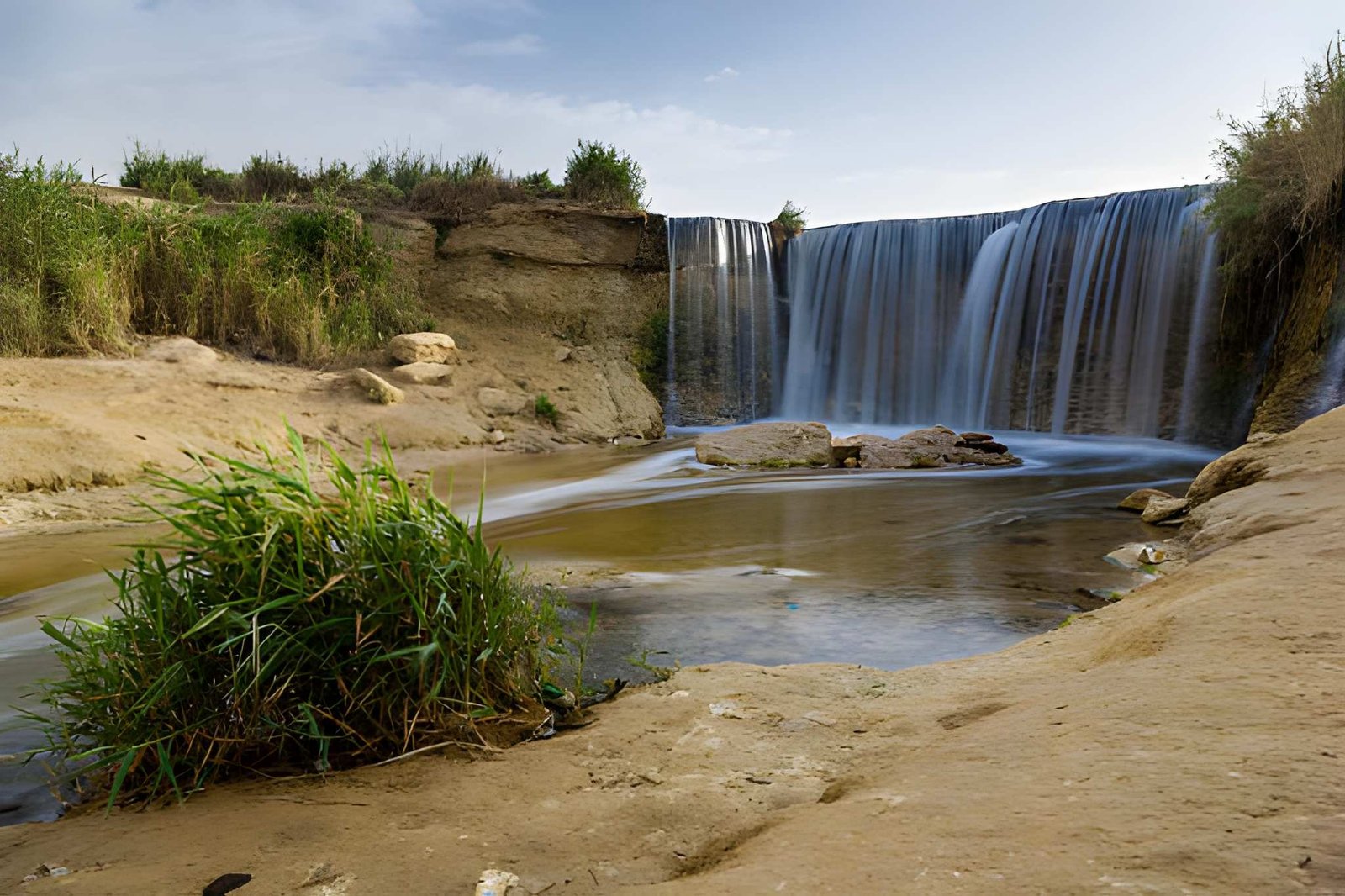
Wadi El Rayan, nestled within Egypt’s vast Fayoum Depression, is a jewel for travelers seeking both serenity and adventure. This breathtaking nature reserve, with its stunning waterfalls cascading between two man-made lakes, offers an unforgettable visual feast that contrasts sharply with the surrounding desert. Known for its unique combination of desert dunes, turquoise waters, and diverse wildlife, Wadi El Rayan invites explorers, photographers, and nature enthusiasts to witness one of the most magnificent eco-systems in North Africa. Unlike the bustling city centers of Cairo or Luxor City, this oasis is a place where time seems to pause and nature commands full attention.
Stretching across thousands of square kilometers, the Wadi El Rayan Protected Area is one of Egypt’s most remarkable ecological treasures. Established as a conservation area to preserve the region’s rare biodiversity and striking landscapes, Wadi El Rayan attracts attention from scientists and eco-travelers worldwide. It’s not merely a tourist attraction—it’s an example of human ingenuity meeting natural artistry, where artificial lakes created to manage excess irrigation water evolved into a full-fledged natural ecosystem. Visitors to Wadi El Rayan experience the rhythm of desert life, observe desert foxes, spot migrating birds, and even admire geological formations formed millions of years ago. If you’re planning your next Egyptian adventure, this hidden paradise should rank high on your itinerary for an authentic and sustainable experience.
The Geography and Formation of Wadi El Rayan
Located about 65 kilometers southwest of Fayoum City and roughly 150 kilometers from Cairo, Wadi El Rayan occupies part of the larger Fayoum Basin—a natural depression below sea level formed millions of years ago. This area, unique for its geological and hydrological features, is a blend of rocky highlands, sand dunes, and crystalline waters. The twin lakes were created between the 1970s and 80s when the Egyptian government decided to divert agricultural drainage water from Fayoum into the depressions of Wadi El Rayan. The result was a landscape transformation that birthed Egypt’s only waterfalls connecting the upper and lower lakes, now one of the region’s most photographed natural wonders.
The remarkable geography of Wadi El Rayan also neighbors several famous geological and paleontological sites, including the world-renowned Wadi Al Hitan (Valley of the Whales), a UNESCO World Heritage Site that showcases ancient whale fossils. Together, these sites create a corridor of natural and historical intrigue, attracting both eco-tourists and history buffs. From its sweeping dunes that rival Morocco’s Sahara to its mirror-like lakes that reflect golden sunsets, Wadi El Rayan presents an irresistible blend of natural charm and scientific fascination.
Wildlife and Biodiversity of Wadi El Rayan
Among Egypt’s natural reserves, Wadi El Rayan stands out for its thriving biodiversity, especially in an arid environment. The lakes provide a crucial habitat for migratory and resident birds, including flamingos, herons, and pintail ducks. The surrounding desert hosts gazelles, sand cats, and the elusive fennec fox, all perfectly adapted to the harsh yet beautiful ecosystem. Birdwatchers often travel long distances to witness the spectacle of seasonal migrations across the shimmering shorelines.
Beyond terrestrial life, the lakes themselves sustain aquatic species, freshwater algae, and reeds that balance the ecosystem. The reserve’s management ensures ecological sustainability while maintaining accessibility for eco-tourists. Wadi El Rayan embodies the harmony between life and desert, making it a model for environmental conservation in Egypt—a principle echoed in other protected zones like the Wadi El Gemal National Park along the Red Sea coast. Visitors inspired by Egypt’s eco-diversity will find Wadi El Rayan’s terrain both inspiring and restorative.
Activities and Things to Do in Wadi El Rayan
Adventure seekers and casual sightseers alike will find no shortage of activities at Wadi El Rayan. Sandboarding over massive desert dunes is a must-try experience, offering a thrilling ride amid mesmerizing golden landscapes. Many visitors also enjoy relaxing by the waterfalls, picnicking on sandy banks, or kayaking across the tranquil lakes. For those intrigued by Egypt’s prehistoric past, side trips to the fossil sites nearby provide an educational diversion that enriches the journey.
If you’re keen to explore more of Egypt’s hidden gems, pairing Wadi El Rayan with excursions to Fayoum Oasis and Tunis Village Faiyum provides an authentic glimpse into rural Egyptian life. Camping under the stars completes the Wadi El Rayan experience—imagine sitting around a campfire, surrounded by silence interrupted only by desert winds. Truly, there’s something in the air here that fills every traveler with awe and peace.
Eco-Tourism Development at Wadi El Rayan
Wadi El Rayan is increasingly becoming a hub for eco-tourism in Egypt. Local authorities, conservationists, and communities have worked hand in hand to ensure that tourism growth doesn’t compromise the reserve’s fragile ecosystem. Visitors can opt for guided eco-tours led by professional guides who explain the delicate balance between the desert environment and human activity. These initiatives not only provide educational enrichment but also offer economic opportunities for nearby villages, promoting sustainable development.
Many travelers combine their visit to Wadi El Rayan with other environmentally responsible adventures, such as Eco Tours in Egypt or desert safaris exploring the Western Desert in Egypt. This integration promotes a deeper appreciation of Egypt’s natural diversity and encourages responsible tourism that benefits both the environment and local communities.
Culture, Heritage, and Local Life Near Wadi El Rayan
The Fayoum region surrounding Wadi El Rayan offers not only natural beauty but also a rich cultural tapestry. Ancient artisanship thrives in Tunis Village, famed for its handmade pottery and rustic charm. The residents of these villages blend age-old traditions with modern hospitality, welcoming travelers with warmth and authenticity. Guests can enjoy traditional Egyptian meals, learn ceramic art, or simply stroll through palm-lined lanes echoing the whispers of history.
The nearby Qasr Qarun Temple and ancient ruins reveal the historical depth of the region, once a booming center during Egypt’s Greco-Roman period. This harmonious convergence of nature, history, and culture allows Wadi El Rayan to stand as a living gallery—one that showcases Egypt’s eternal love for land and life.
Planning Your Visit to Wadi El Rayan
Reaching Wadi El Rayan from Cairo takes around two hours by car, making it an accessible weekend getaway. For a well-rounded trip, consider planning through professional tour operators such as Travme Tours, known for curating exceptional excursions that cater to all travel styles. Whether you’re a solo wanderer, a couple, or part of a group, the best strategy is to set out early in the morning to enjoy the calm before the mid-day heat sets in.
Travelers looking for more comprehensive itineraries may combine their Wadi El Rayan visit with scenic adventures like the Best Nile River Cruises or explore Egypt’s cultural highlights via Egypt Day Tours. Packing essentials such as water, sunscreen, and reliable footwear is vital. Respect for the environment is key—never leave litter, avoid disrupting wildlife, and follow designated paths.
Why Wadi El Rayan Should Be On Every Traveler’s Egypt Itinerary
Wadi El Rayan epitomizes the lesser-known side of Egypt—wild, untouched, and soulful. While the Pyramids of Giza and the Nile River attract millions, this hidden natural paradise offers experiences that connect visitors to Egypt’s land and spirit in a distinct way. Adventure lovers, photographers, and eco-explorers find that Wadi El Rayan stimulates every sense: the rush of wind over the dunes, the gentle roar of waterfalls, and the serenity of the lakeside sunset remind visitors that Egypt’s allure extends far beyond ancient stones and monuments.
The site is also a prime example of Egypt’s growing environmental consciousness. Through eco-friendly management and sustainable visitor programs, Wadi El Rayan has become a model for future conservation projects. Travelers seeking authenticity and immersion should make it part of their Best Egypt Travel Packages, ensuring that their visit not only fulfills the wanderlust but also contributes positively to this delicate ecosystem.
Frequently Asked Questions about Wadi El Rayan
Where is Wadi El Rayan located?
Wadi El Rayan lies within Egypt’s Fayoum Governorate, approximately 150 kilometers southwest of Cairo. It’s part of the larger Fayoum Basin and easily accessible via car or organized tour routes from the capital.
What makes Wadi El Rayan unique?
Its uniqueness comes from the rare coexistence of desert dunes, freshwater lakes, and Egypt’s only waterfalls. The reserve combines natural beauty, ecological diversity, and thrilling adventure opportunities unlike any other site in the country.
What can visitors do at Wadi El Rayan?
Popular activities include sandboarding, hiking, birdwatching, photography, and swimming near designated lake areas. Many tourists also camp overnight or combine the trip with excursions to Wadi Al Hitan and Tunis Village.
When is the best time to visit Wadi El Rayan?
The ideal months are between October and April when temperatures are milder and more suitable for outdoor exploration. During summer, early morning visits are best to avoid extreme heat.
Is Wadi El Rayan suitable for family trips?
Yes, families love Wadi El Rayan for its scenic beauty, wildlife viewing, and safe adventure options. Educational tours teach younger travelers about Egypt’s rich ecology and history, making it both fun and informative.

Comment (0)