

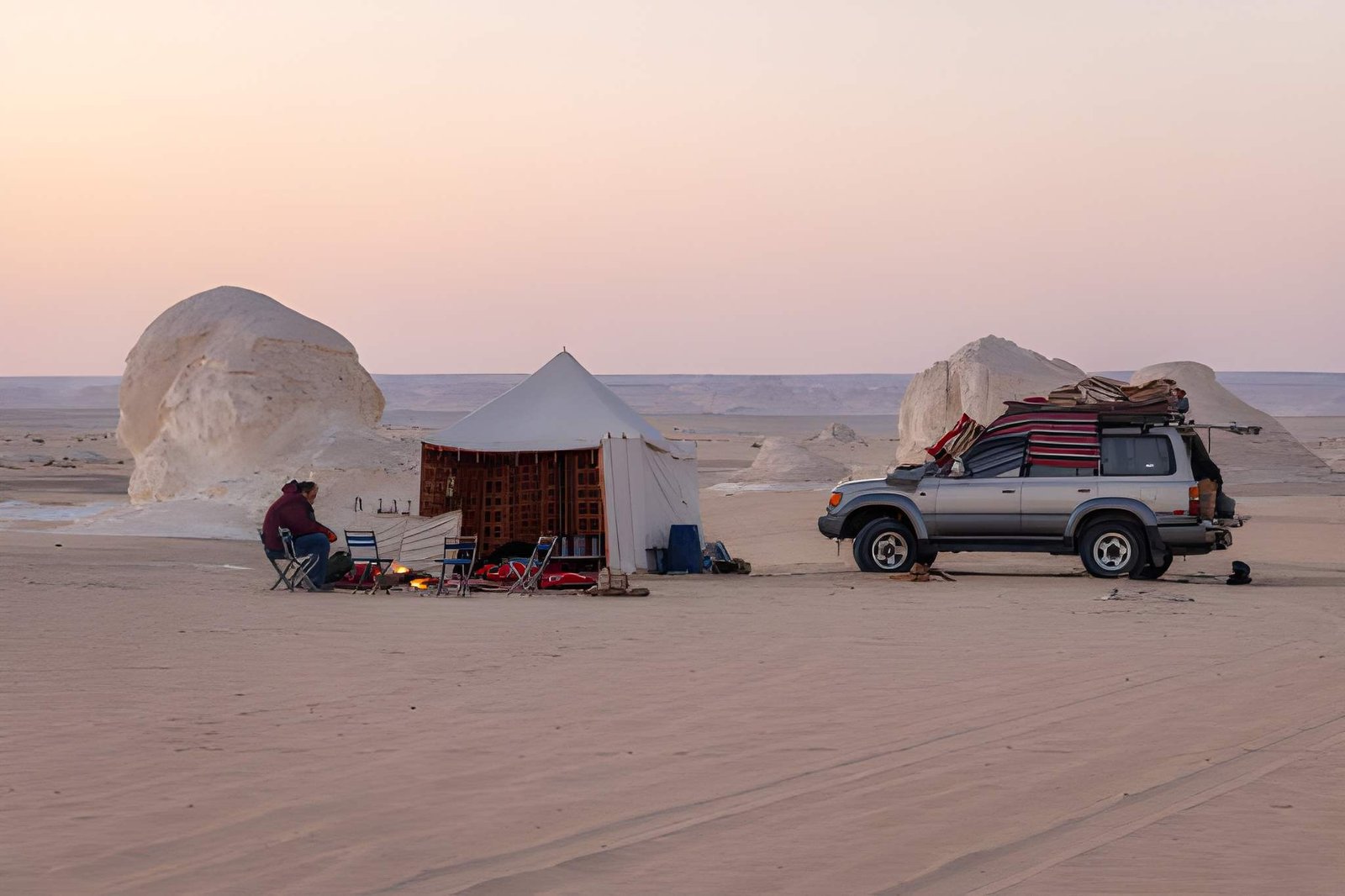
White Desert Egypt — A Surreal Wonderland of Chalk Formations and Timeless Adventure
In the heart of the Western Desert in Egypt lies a breathtaking natural masterpiece unlike anywhere else on earth — the White Desert, or Sahara el Beyda. This extraordinary region, famed for its ghostly white limestone and chalk formations, captivates travelers with dramatic beauty sculpted by centuries of wind erosion. Glowing like a lunar landscape under the sun and glistening silver-white under moonlight, the White Desert Egypt is a true geological marvel that blurs the line between earthly and otherworldly. It’s not merely a desert; it’s a living canvas of shifting shapes, silent vistas, and stories written in stone.
For adventurers seeking the thrill of nature’s raw artistry, the White Desert serves as a dream destination. Located approximately 45 kilometers north of Farafra Oasis and about 500 kilometers from Cairo, it’s part of the larger White Desert National Park — a protected area preserving Egypt’s most striking desert ecosystem. Here, fossilized seashells whisper tales of ancient oceans, while surreal formations named ‘Mushroom,’ ‘Chicken,’ and ‘Ice Cream Cone’ intrigue visitors with their uncanny lifelike forms.
But there’s more than meets the eye. Beyond the dazzling rocks and salt valleys lies a journey of discovery — one that intertwines silence, adventure, and heritage. For travelers eyeing off-the-beaten-path escapes, combining a White Desert safari with nearby wonders such as the Black and White Desert Egypt Tour or a retreat in the Bahariya Oasis Egypt, promises an unforgettable expedition through one of Earth’s oldest terrains. Whether you’re a photographer chasing the golden glow of dusk or a thrill-seeker yearning for a night under the starlit sky, the White Desert in Egypt stands as a timeless sanctuary of wonder and inspiration.
The Magical Origin and Geological History of the White Desert
Millions of years ago, the White Desert Egypt was submerged beneath the ancient Tethys Sea. As the waters receded, layers of chalky sediment were left behind, gradually molded into magnificent shapes through wind and time. Today, these eroded formations stand as natural sculptures dotting the endless horizon — pinnacles, domes, and spires glistening like glaciers amid golden dunes. This ethereal environment has become one of Egypt’s geological landmarks, attracting scientists and travelers alike.
The national park spans around 3,000 square kilometers, showcasing a unique blend of chalk, quartz, and sand dunes. The presence of marine fossils, whale bones, and coral traces scattered across the area reflects millions of years of natural evolution. Travelers often combine their desert exploration with eco-responsible trips like Eco Tours in Egypt to deepen their understanding of the region’s fragile ecosystem.
Fauna and Flora of the White Desert National Park
While the White Desert might appear lifeless at first glance, it’s far from barren. The protected area sustains desert foxes, fennec foxes, sand gazelles, and even rare bird species migrating across Egyptian skies. Hardy shrubs, desert lichens, and acacia trees rise stubbornly through the sand, showcasing nature’s ingenious adaptability. This biodiversity earns the region its status as a vital ecological zone within Egypt’s conservation framework.
Best Time to Visit White Desert Egypt
The best time to explore the White Desert Egypt is between October and April when the desert climate becomes pleasantly cool. Temperatures drop significantly at night, creating perfect conditions for stargazing. Under the celestial dome, away from city lights, the Milky Way paints a spectacular panorama across the heavens. Adventurers who plan their trips strategically often combine the desert journey with nearby oases exploration or integrate it into grand itineraries like the 11 Days Luxury Egypt Tour Package for a holistic experience.
During these cooler months, travelers can comfortably hike over limestone cliffs, camp in the open desert, and watch the shifting hues of sunset and dawn. The summer season, from May through September, is intensely hot and less ideal for long outdoor excursions. However, early-morning tours or sunset safaris still allow for safe exploration during limited daylight hours.
How to Reach the White Desert
Most desert expeditions start in Cairo and then proceed to Bahariya Oasis — the main gateway to the White Desert. From there, travelers embark on 4×4 journeys through rolling dunes and rugged tracks, often accompanied by knowledgeable Bedouin guides. These local guides bring the region to life through tales of legends, survival, and deep respect for the sand’s wisdom. Booking a specialized package through agencies such as Best Egypt Travel Packages ensures safe, organized, and fully guided adventures across this harsh yet magnetic terrain.
Adventure Activities and Top Attractions in the White Desert
The White Desert offers a kaleidoscope of adventure opportunities — each unveiling layers of landscape and serenity that words can barely describe. Overnight camping remains the crown jewel of experiences here. Imagine sleeping beneath a sky dyed in millions of stars, with the wind’s whispers playing nature’s lullaby. Bedouin-style dinners over open fires, freshly brewed mint tea, and traditional storytelling sessions make camping in the White Desert a life-enhancing experience.
Daytime adventures include sandboarding down golden dunes, photography walks through surreal rock formations, and off-road drives across the rugged expanses leading to the mystical Valley of Agabat — a valley of wonder distinguished by its soft sand valleys surrounded by towering chalk cliffs. Further along, the shimmering The Crystal Mountain glistens like a crown jewel in sunlight, reflecting rays from deposits of pure quartz crystal embedded in its formations.
White Desert Night Sky Watching: A Celestial Reward
After dusk, the desert transforms into an astronomical sanctuary. With no light pollution, stargazers can identify countless constellations, meteor showers, and planets visible with the naked eye. The soft white terrain mirrors the starlight, producing an ethereal, almost dreamlike ambience. This nocturnal magic makes astronomy enthusiasts and photographers fall in love with the White Desert’s enchanting nights. Several Egypt Photography Tour programs highlight this destination precisely for its extraordinary nightscapes.
Nearby Attractions: Black Desert and Bahariya Oasis
Minutes away from the dazzling whiteness lie the deep ebony hills of the Black Desert — another geological gem covered with basalt and volcanic rocks. The contrast between these two desert realms is simply mesmerizing. The nearby Bahariya Oasis, with its palm groves, hot springs, and archaeological sites, provides perfect balance after a rugged journey. Many travelers extend their itinerary to include Farafra Oasis and its serene hot springs for rejuvenation. Combining the desert visit with packages like Egypt Luxury Tour elevates the overall journey with comfort and cultural depth.
Cultural Encounters and Sustainable Travel
Respecting the delicate White Desert ecosystem is vital. Campers are encouraged to follow ‘leave no trace’ principles and to rely on eco-certified local guides. The Bedouin communities inhabiting the surrounding oases preserve generations-old desert knowledge — from surviving sandstorms to navigating by the stars. Engaging authentically with local hosts adds a profound cultural layer to the adventure while supporting sustainable tourism initiatives. Tour companies such as Best Travel Agency in Egypt specialize in responsible journeys designed to protect this fragile landscape for future generations.
Practical Tips for Visiting White Desert Egypt
Preparation ensures the difference between an ordinary desert visit and an extraordinary one. Visitors should wear breathable clothing, sturdy boots, and sun protection. Nights are chilly, so packing warm gear is wise. Hydration is critical, and carrying reusable water containers aligns with eco-friendly practices. Avoid exploring without certified guides — they not only ensure safety but navigate routes invisible to the untrained eye. For first-timers, referring to resources like Egypt Travel Tips helps streamline itineraries and enhance trip planning.
Unique Photography Opportunities
Photographers adore the White Desert for its painterly light, which shifts from pale gold to fiery orange depending on the time of day. Sunrise illuminates the chalk formations with soft blush hues, while sunset turns them amber against the lavender sky. Each photograph taken here becomes a timeless impression of Egypt’s natural artistry. Those wishing to expand their creative routes can extend toward Siwa Oasis or other desert gems for extended photography safaris.
Why the White Desert Egypt Deserves a Spot on Every Traveler’s Bucket List
Few places on Earth awaken the senses the way the White Desert Egypt does. It’s a haven where silence speaks louder than words, and the endless horizon invites both peace and adventure. Combining surreal scenery, rich heritage, and ecological significance, it represents Egypt’s wild soul beyond its ancient monuments. Anyone visiting this desert leaves with a sense of humility, awe, and reconnection to nature’s grand narrative. Add the White Desert to your itinerary through curated journeys like Best Value Egypt Tours to embrace the ultimate balance between exploration and serenity.
FAQs about White Desert Egypt
1. Where exactly is the White Desert located?
The White Desert lies in Egypt’s Western Desert, between Bahariya Oasis and Farafra Oasis, around 500 kilometers southwest of Cairo. It’s accessible via a 4×4 journey from Bahariya, making it part of organized desert expeditions from the capital.
2. What makes the White Desert’s formations white?
The striking whiteness comes from limestone and chalk rock left behind by ancient sea sediments. Over millennia, wind erosion sculpted these materials into bizarre, otherworldly shapes resembling mushrooms, towers, and animals.
3. Is it safe to camp overnight in the White Desert?
Yes, camping is safe when led by licensed guides. Most tours include all safety gear, provisions, and first-aid kits. Nights are peaceful, temperatures cool, and the sky unveils a stunning view of the cosmos.
4. Are there entry fees to visit the White Desert National Park?
Yes, visitors must pay a nominal entry fee, which contributes to conservation efforts. Some guided tours include the fee within the overall package, particularly those organized through reputable agencies such as Travme Tours.
5. What should travelers bring for a desert trip?
Essentials include sunscreen, sunglasses, hats, plenty of water, comfortable clothing, a camera, and sturdy shoes. For overnight stays, warm clothing, flashlights, and personal hygiene items are recommended. Always follow your guide’s advice to ensure safety and environmental respect during your visit.

Comment (0)