

Why Explore National Parks in Egypt
When travelers think of Egypt, they often imagine the majestic Pyramids of Giza or the timeless Nile River. Yet beyond these historical marvels lies an entirely different kind of wonder — Egypt’s breathtaking national parks. Exploring national parks in Egypt allows visitors to experience the country’s diverse landscapes, from serene coastal ecosystems to stark desert beauty. These protected areas reveal the ecological and cultural richness that defines Egypt, making them perfect for nature lovers, photographers, and adventurers alike.
Attention: Discover Another Side of Egypt
Egypt’s national parks showcase an incredible variety of ecosystems that contrast with the image of endless sand and ancient ruins. From coral reefs teeming with marine life in the Red Sea to fossil valleys deep in the desert, each park tells a different story of the Earth’s natural evolution. If you’ve already admired Ras Mohammed National Park or explored the colorful sands of Coloured Canyon, you understand how nature and history coexist in harmony in Egypt.
Interest: The Natural Beauty of Egypt’s Protected Areas
Exploring national parks in Egypt offers travelers a chance to connect with the environment in a way that goes beyond historical sightseeing. The country’s parks are distributed across deserts, mountains, oases, and coastal regions. They preserve a broad range of habitats, home to rare plants and animals that are found nowhere else on Earth. For example, Wadi El Rayan in Fayoum is famous for its cascading waterfalls — an unexpected oasis in the middle of the desert. The nearby Wadi Al Hitan, or Valley of the Whales, features fossilized remains of ancient whales, revealing Egypt’s prehistoric marine history.
In the eastern desert and along the Red Sea coast, Wadi El Gemal National Park stands out as a paradise for eco-tourists. This park is home to mangrove forests, coral reefs, and desert plains where camels roam free. Further south, adventurers can discover Gebel Elba National Park, a biodiversity hotspot where tropical and desert climates meet, supporting thousands of species including rare birds and wildcats.
Desire: Experiences That Connect You with Nature and Culture
Each national park in Egypt offers unique opportunities to explore the country’s soul. In the Western Desert, the White Desert presents surreal landscapes shaped by wind and time, ideal for photographers and stargazers. The nearby Bahariya Oasis and Farafra Oasis provide peaceful retreats surrounded by palm groves and hot springs. Travelers can even venture to the remote Siwa Oasis, where ancient traditions blend seamlessly with desert tranquility.
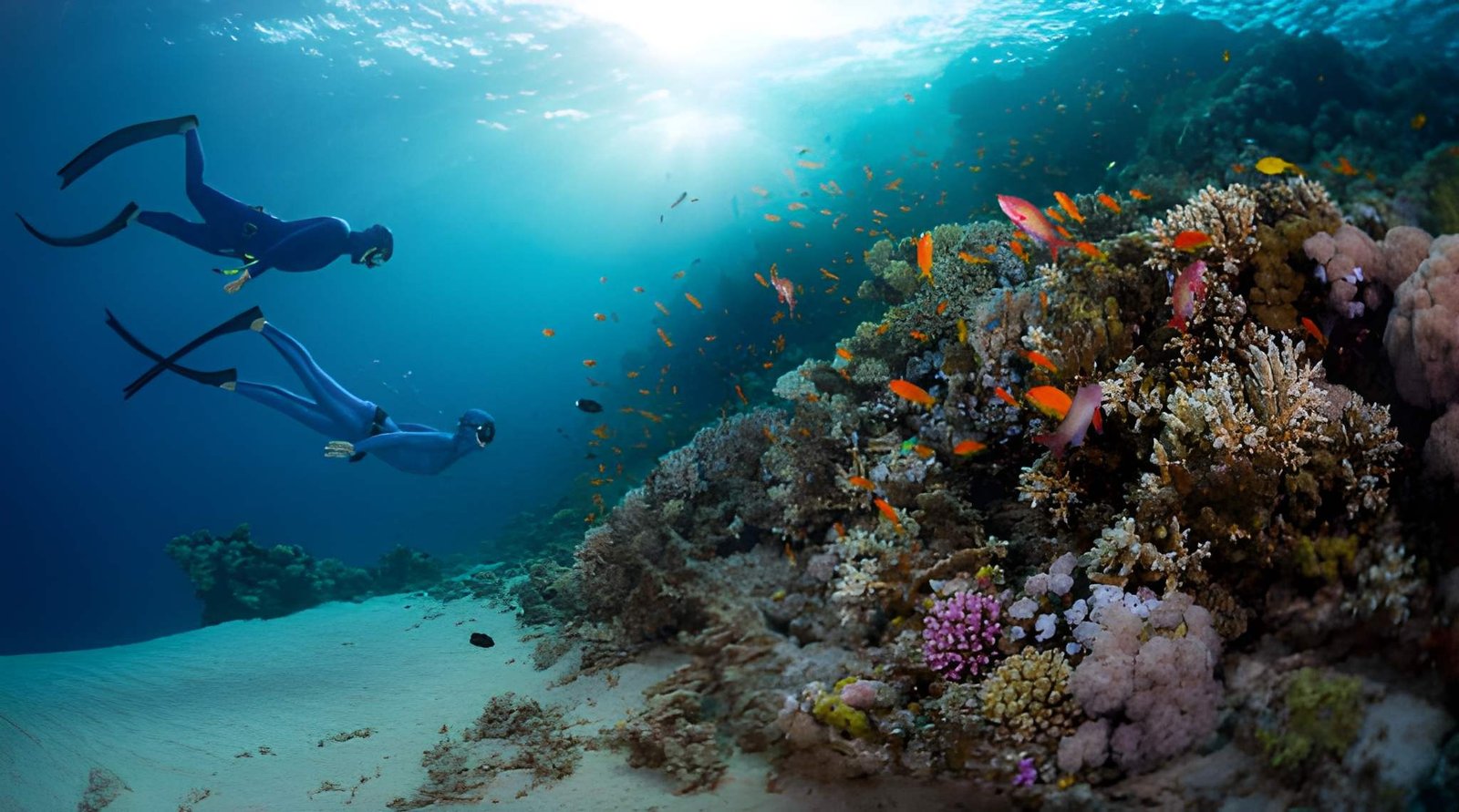
If you prefer the sea, the national parks of the Red Sea region are a dream come true. Snorkelers and divers can explore coral gardens, while eco-tourists observe migratory birds or explore mangrove forests. Combine your visit with a tour like the 8 Day Cairo and Nile Cruise Tour to enjoy both Egypt’s culture and its natural heritage.
Those seeking a blend of adventure and peace may also enjoy hiking Mount Sinai after visiting St. Catherine’s Monastery. This sacred mountain is part of a protected area that shelters unique flora and fauna. The dramatic sunrise from its summit is one of Egypt’s most spiritual experiences.
Action: Plan Your Eco-Adventure Across Egypt
Exploring Egypt’s national parks is easier than ever with guided eco-tours and adventure packages. Many travel itineraries, such as the Egypt Adventure Tour or Eco Tours in Egypt, are designed for those who seek responsible travel experiences. These journeys allow visitors to appreciate the country’s natural beauty while supporting conservation efforts and local communities.
If you’re looking for the best time to visit Egypt’s national parks, consider reading When is the Best Time to Visit Egypt? to plan around the ideal weather conditions. For travelers who love unique experiences, combining a desert safari with a Nile cruise offers both excitement and relaxation. Explore cultural gems like The Karnak Temple after your nature journey for a complete Egyptian adventure.
Whether you’re visiting for a weekend or an extended stay, Egypt’s protected areas promise extraordinary diversity. Combine nature exploration with city breaks in Cairo, or enjoy Red Sea adventures paired with historical discoveries in Luxor and Aswan. Options like the 11 Day Egypt Tour provide balanced itineraries that highlight both cultural and natural wonders.
Top National Parks Worth Visiting in Egypt
Ras Mohammed National Park
Situated near Sharm El Sheikh, this marine park is one of the world’s most remarkable diving destinations. The coral reefs and exotic fish species make it a paradise for underwater exploration. Combine a visit here with a stay in Sharm El Sheikh for a complete Red Sea experience.
Wadi El Rayan and Wadi Al Hitan
These two areas near Fayoum showcase the diversity of Egypt’s desert ecosystems. Wadi El Rayan’s waterfalls are a rare desert phenomenon, while Wadi Al Hitan’s fossils tell a story that dates back millions of years. Combine your trip with a visit to Fayoum Oasis to experience traditional rural life.
Wadi El Gemal National Park
Located near Marsa Alam, this park features coral reefs, mangroves, and archaeological sites from ancient Roman times. It’s a perfect location for snorkeling, birdwatching, and sustainable tourism. After your adventure, unwind in Marsa Alam, known for its laid-back coastal resorts.
Gebel Elba National Park
One of Egypt’s least explored parks, Gebel Elba offers an otherworldly landscape filled with biodiversity. It’s home to mountains, acacia trees, and desert wildlife. The isolation of this area provides a sense of untouched wilderness that few destinations can match.
Why Explore National Parks in Egypt? The Benefits
Visiting Egypt’s national parks helps promote eco-friendly tourism and preserve the country’s natural heritage. By exploring these destinations, travelers support local conservation projects and sustainable communities. For those passionate about photography, the parks also present unparalleled opportunities to capture Egypt’s natural beauty — from desert dunes to rich marine environments.
Additionally, many of these parks are located near ancient ruins and cultural landmarks, allowing visitors to blend outdoor adventure with historical discovery. For example, after exploring Wadi El Rayan, travelers can visit Qasr Qarun Temple to see the remains of a Ptolemaic-era sanctuary.
Final Thoughts
Exploring national parks in Egypt is more than a journey through nature; it’s an exploration of the country’s living history. Whether you’re trekking through desert valleys, snorkeling in coral reefs, or discovering fossilized whales, each experience deepens your connection to Egypt’s timeless beauty. Combine your visit with tours like the 15 Day Egypt Tour or the Egypt Tour with Nile Cruise for a truly comprehensive itinerary that blends culture, adventure, and nature.
FAQs About Exploring National Parks in Egypt
1. What is the best time to explore national parks in Egypt?
The best time to visit is between October and April when temperatures are mild, making outdoor exploration comfortable. You can plan efficiently using When is the Best Time to Visit Egypt?.
2. Are Egypt’s national parks safe for travelers?
Yes, most national parks are safe and well-supervised. For updated tips, check Egypt Travel Safety before your trip.
3. What should I bring when visiting Egyptian national parks?
Bring lightweight clothing, sunscreen, water, and comfortable shoes. Consult What to Wear in Egypt for packing guidance.
4. Can I combine sightseeing and nature tours in Egypt?
Absolutely! Many itineraries, such as the 9 Day Egypt Tour, include both cultural landmarks and natural wonders.
5. Which national park is best for diving and snorkeling?
Ras Mohammed National Park is ideal for diving enthusiasts, offering coral reefs and abundant marine life in the Red Sea.

Comment (0)