

Understanding Women’s Rights in Egypt: A Journey Toward Equality
Women’s rights in Egypt have evolved through centuries of history, religion, and culture. From the reign of powerful queens like Queen Nefertiti and other famous Egyptian queens to modern-day advocates fighting for gender equality, Egyptian women have always played a crucial role in shaping their society. Today, the conversation about women’s rights in Egypt involves not only legal reforms but also social empowerment and equal opportunities in education, employment, and politics.
Attention: The Historical Roots of Women’s Rights in Egypt
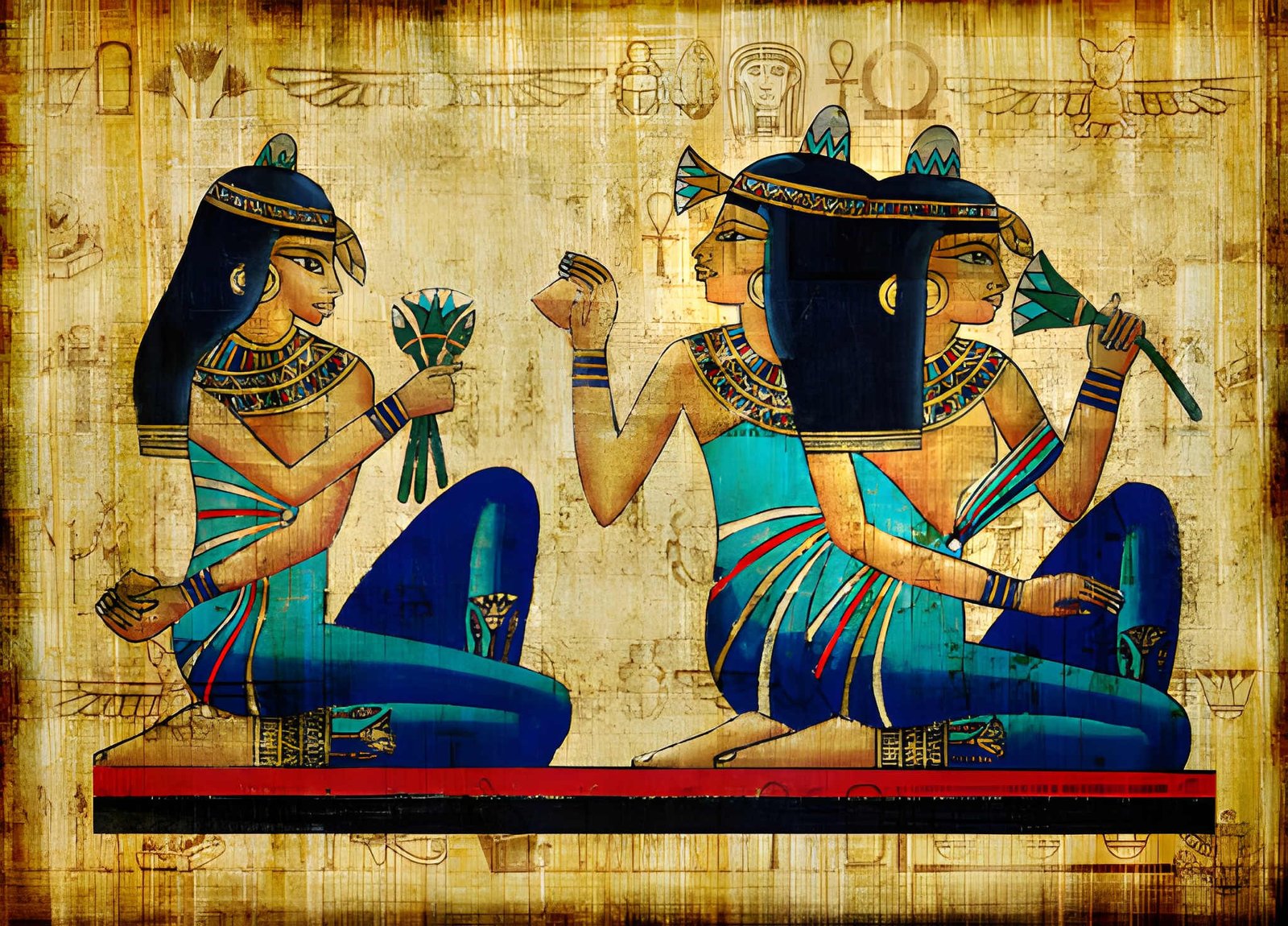
In ancient Egypt, women enjoyed a level of independence uncommon for other civilizations of the same era. They could inherit property, initiate divorce, and even rule as pharaohs, as seen in the reign of Queen Hatshepsut. The ancient Egyptian respect for femininity can also be traced in their mythology, with goddesses like Isis symbolizing wisdom, motherhood, and power, as explored in the Legend of Osiris and Isis.
However, as centuries passed, foreign invasions, colonial influences, and changing religious interpretations significantly altered women’s social standing. The modern movement for women’s rights in Egypt began in the early 20th century, with figures like Huda Sha’arawi leading the fight for suffrage, education, and equality.
Interest: Modern Developments in Women’s Rights in Egypt
Today, Egypt continues to make slow but meaningful progress. Several new laws have been enacted to protect women from violence, improve access to education, and increase participation in the workforce. Egyptian women now hold positions in parliament, the judiciary, and corporate leadership. In fact, the 2014 Egyptian Constitution explicitly guarantees gender equality in all aspects of life.
Education remains a foundation for women’s empowerment. The government and NGOs have worked to reduce illiteracy rates and increase girls’ enrollment in schools. Visitors who explore Cairo and its educational centers can gain a better understanding of this cultural evolution. A great way to experience this is through a Cairo City Break Tour, which offers insights into Egypt’s modern and historical transformation.
Legal Reforms Supporting Women’s Rights
Egypt has made significant legal strides in addressing issues such as sexual harassment, domestic violence, and workplace discrimination. The 2014 anti-harassment law, for instance, criminalized verbal and physical harassment. The government also established the National Council for Women, which advocates for gender-sensitive legislation and monitors progress.
For travelers interested in exploring how these societal shifts align with Egypt’s broader development, the Egypt Then and Now experience offers a remarkable comparison between the country’s historical and contemporary landscapes.
Economic Empowerment of Egyptian Women
The economic landscape for Egyptian women is changing. While challenges remain, more women are entering fields like business, technology, and tourism. Empowerment initiatives have focused on encouraging female entrepreneurship, particularly in rural areas. This empowerment not only strengthens the economy but also promotes independence and societal progress.
Travelers exploring the Khan El-Khalili Bazaar in Cairo may encounter women artisans and entrepreneurs proudly managing their stalls and family businesses, showcasing the tangible impact of empowerment programs.
Desire: Cultural Transformation and Women’s Voices
Modern Egyptian women are increasingly vocal about their rights and representation. The rise of social media has given them a platform to discuss topics once considered taboo, from workplace equality to domestic abuse. Activists continue to push for reforms while celebrating Egypt’s cultural heritage.
When visiting Egypt, tourists can witness the dynamic role women play in preserving cultural identity. From traditional crafts in the Egyptian Textiles Museum to dance performances like Egyptian belly dance, women contribute significantly to Egypt’s artistic and cultural expression.
Women in Leadership
Women’s political participation in Egypt has grown significantly over the past decade. Female ministers now lead key departments, including environment, health, and culture. This progress reflects a broader effort to ensure women have a voice in shaping national policies. However, activists continue to advocate for stronger institutional support, particularly in rural regions where cultural barriers remain entrenched.
Exploring Egypt’s diverse regions, from the vibrant Luxor City to the scenic Aswan City, reveals how local customs influence women’s roles in different communities.
Education and Social Awareness
Education is the cornerstone of gender equality. Programs encouraging girls to stay in school have been instrumental in reducing gender gaps. Many Egyptian universities now boast a growing number of female students pursuing degrees in law, medicine, and engineering. Social awareness campaigns also challenge stereotypes and promote respect for women’s rights across all sectors of society.
Visitors who want to learn more about Egypt’s intellectual and cultural legacy can explore ancient education systems through tours like Education in Ancient Egypt, which offers fascinating insight into how knowledge was passed down through generations.
Action: Supporting Women’s Rights and Empowerment in Egypt
Supporting women’s rights in Egypt is not only a local responsibility but also a global effort. International organizations continue to collaborate with Egyptian institutions to create more inclusive policies and encourage sustainable development. Tourists can contribute positively by supporting female-owned businesses, respecting local customs, and learning about Egypt’s social progress during their travels.
For travelers seeking deeper cultural immersion, journeys like the 8 Day Cairo and Nile Cruise Tour or Egypt Adventure Tour provide opportunities to engage with local communities and understand modern Egyptian life beyond famous landmarks. These tours highlight how women’s contributions continue to shape the nation’s identity.
Furthermore, visiting places like An Insider’s Guide to Egyptian Culture and Top Egyptian Festivals and Celebrations can deepen appreciation for how women help preserve traditions while influencing Egypt’s future direction.
Looking Ahead: The Future of Women’s Rights in Egypt
The journey toward full gender equality in Egypt continues. The nation’s rich history demonstrates that women have always been influential, even when faced with significant barriers. The commitment to reform and education signals hope for a more equitable future.
When exploring Egypt’s past and present, it becomes clear that empowering women is not only a matter of justice but also a vital step toward national progress. From ancient temple walls depicting powerful queens to modern offices led by female executives, women’s influence remains deeply woven into Egypt’s story.
FAQs about Women’s Rights in Egypt
1. Are women allowed to work and travel independently in Egypt?
Yes, Egyptian women can work, travel, and pursue education. Women participate in various industries and are increasingly visible in leadership roles. Solo female travelers can also explore safely by following local customs and using resources like Solo Female Travel Egypt.
2. What are the main challenges to women’s rights in Egypt today?
Some ongoing challenges include workplace inequality, cultural stereotypes, and limited representation in rural governance. Efforts to address these issues continue through legal reforms, education, and advocacy.
3. How do Egyptian women contribute to tourism and culture?
Women play vital roles as entrepreneurs, artists, tour guides, and cultural ambassadors. Many tourists experience their influence firsthand during visits to local markets, museums, and festivals.
4. Is Egypt safe for female travelers interested in learning about women’s culture?
Yes, Egypt is generally safe for female travelers, especially when following cultural norms and local advice. To plan effectively, check out Egypt Travel Safety tips before visiting.
5. How can travelers support women’s empowerment while visiting Egypt?
Travelers can support women’s empowerment by buying from female artisans, respecting local traditions, and choosing community-based tours. Participating in cultural experiences like Local Experiences Egypt helps promote inclusive tourism and sustainable development.

Comment (0)