

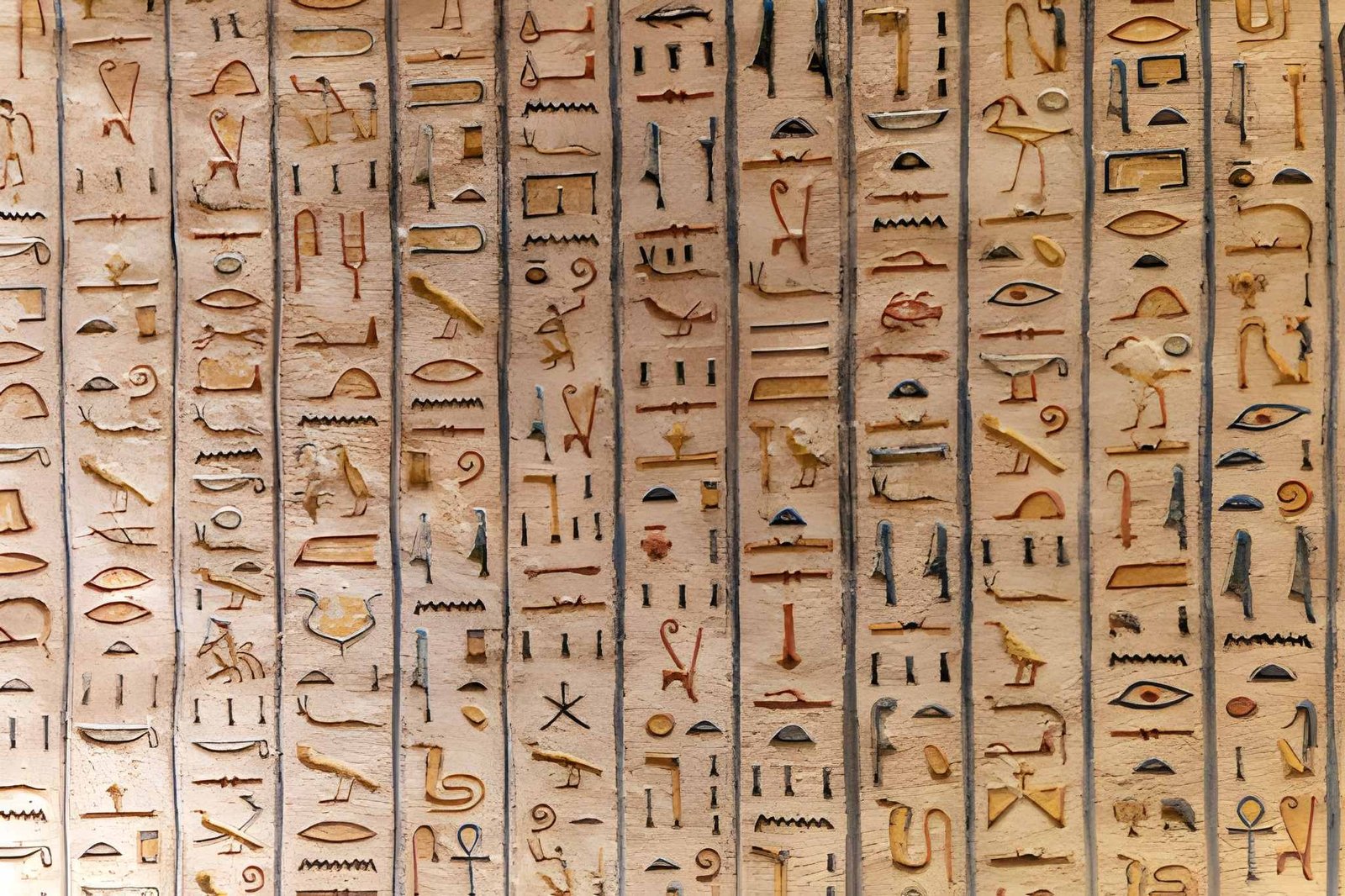
Write Your Name in Hieroglyphics: Discover the Ancient Egyptian Art of Symbols
Imagine your name immortalized in the same script used by the pharaohs, priests, and artisans of Ancient Egypt. Writing your name in hieroglyphics connects you with one of the world’s oldest and most fascinating civilizations. This symbolic writing system, found on temple walls, tombs, and monuments, represents more than letters; it reflects a deep spiritual and cultural identity. In this guide, you’ll learn how to write your name in hieroglyphics, understand its meaning, and experience the beauty of Egypt’s ancient art.
Attention: The Timeless Appeal of Egyptian Hieroglyphics
Every traveler who visits Egypt feels the magnetic pull of its ancient wonders. Whether you stand before the colossal statues of Abu Simbel Temples or wander through the sacred halls of the Luxor Temple, hieroglyphics are everywhere. These inscriptions tell stories of gods, kings, victories, and daily life in astonishing detail. But what makes writing your name in hieroglyphics so enchanting is the personal connection it creates with Egypt’s vast history.
Unlike modern alphabets, Egyptian hieroglyphs combine artistry with meaning. Each symbol represents a sound, object, or concept, forming a unique language that was both written and sacred. When you learn to write your name using these signs, you’re not just forming letters—you’re reviving a 5,000-year-old tradition of storytelling through art.
Interest: Understanding the Meaning Behind Hieroglyphs
Hieroglyphs were not random symbols. The ancient Egyptians believed that writing had divine power. They called their script “mdju ntr,” or “words of the gods.” Priests and scribes used hieroglyphs to record prayers, rituals, and royal decrees. Each symbol carried spiritual weight, and to inscribe a name was to grant it eternal life. That’s why names appear prominently on tombs, statues, and monuments across sites like the Valley Temple and the Karnak Temple.
To write your name in hieroglyphics, start by understanding that the ancient system used phonetic symbols. For example, the sound “M” could be represented by an owl, while “N” might appear as a ripple of water. Hieroglyphs can be read left to right, right to left, or top to bottom, depending on the direction the symbols face. This fluidity gives each inscription a rhythm and beauty unlike modern writing systems.
Even today, many visitors explore the Grand Egyptian Museum to see original inscriptions and decipher the messages carved thousands of years ago. You can study these masterpieces to inspire your own hieroglyphic translation.
Desire: Create Your Personalized Hieroglyphic Name
Turning your modern name into ancient symbols is both educational and creative. To do this, match each letter in your name to the corresponding phonetic hieroglyph. There are online charts and museum exhibits that show these equivalents. For instance, the letter “A” may appear as an eagle, symbolizing strength and leadership, while “L” might resemble a lion, representing power and courage. Combine these to craft a symbolic and artistic rendering of your own name.
For a deeper experience, consider seeing authentic inscriptions during an 8 Day Cairo and Nile Cruise Tour. As you visit temples along the Nile, such as Temple of Philae or Kom Ombo Temple, you’ll encounter hieroglyphs up close. Each figure carved into stone tells a story that survived millennia. Seeing how names and titles were inscribed next to gods and pharaohs helps you appreciate the depth of this writing system and its artistic magnitude.
Writing your name in hieroglyphics is more than a novelty—it’s a way to connect with Egypt’s legacy. Many travelers even purchase personalized papyrus scrolls featuring their names in hieroglyphs at the Papyrus Museum. This makes for a meaningful keepsake and a reminder of your journey through time.
Hieroglyphics as a Cultural Experience
Hieroglyphic writing is not only historical but also cultural. Each symbol reflects the Egyptian worldview. For example, the Eye of Horus, often included in inscriptions, represents protection and healing. You can learn more about its symbolism in our guide to the Egyptian Eye of Horus. When you write your name in hieroglyphics, you’re embracing these deeper meanings and the philosophy of balance, harmony, and eternal life that shaped ancient Egyptian thought.
If you’re passionate about ancient culture, explore additional insights through An Insider’s Guide to Egyptian Culture. Understanding the context behind hieroglyphic art enhances your appreciation for Egypt’s temples, monuments, and rituals.
Discover Hieroglyphs Across Egypt
Hieroglyphics are visible throughout Egypt’s archaeological treasures. In Luxor City, the walls of the Valley of the Kings are covered with colorful hieroglyphs detailing the pharaohs’ journey through the afterlife. The Temple of Hatshepsut showcases magnificent reliefs narrating the story of Egypt’s most powerful female ruler. Even in the serene corridors of the Egyptian Museum, you’ll find stelae and artifacts engraved with names and titles written in hieroglyphics.
To fully immerse yourself, plan a visit to historical sites with a local guide who can interpret the symbols for you. Our Best Cairo Travel Guide can help you find expert-led tours that reveal the mysteries behind these ancient writings.
Action: Experience Egypt and Write Your Own Story
Now that you understand the beauty and depth of hieroglyphic writing, it’s time to make it personal. Whether you’re planning to write your name in hieroglyphics as a cultural experiment or a meaningful souvenir, visiting Egypt’s temples and museums will provide the inspiration you need. Witnessing inscriptions in their original context adds immense value to your artistic journey.
Combine your hieroglyphic exploration with an unforgettable Egypt Tour with Nile Cruise to see the best of ancient and modern Egypt. You can also dive deeper into history with a specialized 12 Day Egypt Tour Itinerary that includes expert Egyptologists who will explain the complex symbolism behind these powerful characters.
Writing your name in hieroglyphics is more than translating letters—it’s reviving a living art form that has stood the test of time. Take a step back into history, explore the magnificent temples, and let the language of the gods tell your story.
Frequently Asked Questions About Writing Your Name in Hieroglyphics
1. What are Egyptian hieroglyphics?
Hieroglyphics are a writing system used in ancient Egypt, consisting of pictorial symbols that represent sounds, objects, or ideas. They were primarily used for religious texts, monuments, and royal inscriptions.
2. How can I write my name in hieroglyphics?
You can write your name in hieroglyphics by matching the phonetic sounds of your name with corresponding hieroglyphic symbols. Many museums and online tools offer charts to help with this translation.
3. Where can I see real hieroglyphics in Egypt?
Authentic hieroglyphics can be seen in ancient sites such as the Temple of Seti in Abydos, the Ramesseum Temple in Luxor, and the Abu Simbel Temples.
4. What materials did the ancient Egyptians use to write hieroglyphics?
Ancient Egyptians carved hieroglyphics into stone for monuments and temples, and used ink on papyrus scrolls for administrative or religious texts. You can learn more about their craftsmanship in Ancient Egyptian Papyrus Art.
5. Why is writing your name in hieroglyphics significant?
Writing your name in hieroglyphics is a way to connect with Egypt’s history and honor one of the world’s earliest written languages. It symbolizes timeless identity and creative expression inspired by ancient art.

Comment (0)