

Aswan City: The Timeless Jewel of the Nile
Aswan City, nestled gracefully in southern Egypt, is a serene haven where ancient history, Nubian heritage, and breathtaking Nile River scenery blend in perfect harmony. This enchanting city, often described as Egypt’s gateway to Africa, has long captivated travelers with its golden sands, tranquil islands, and majestic temples. Aswan’s allure isn’t just in its archaeological wonders but in the warmth of its people and the rhythm of its vibrant culture. Bathed in sunlight nearly all year round, it offers a peaceful escape from Cairo’s bustle and an authentic glimpse into Egypt’s timeless soul.
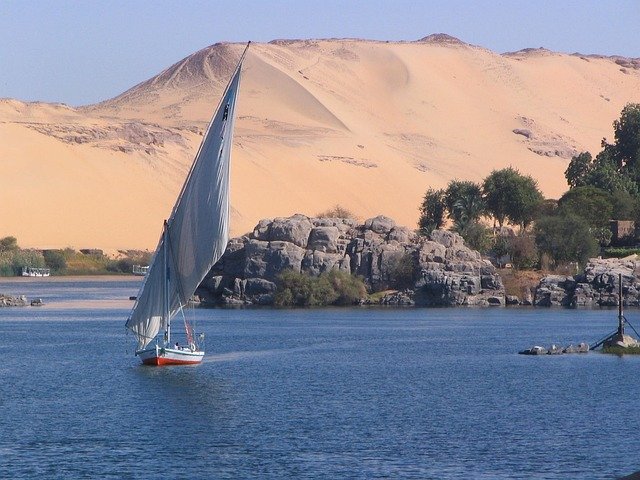
Located on the first cataract of the Nile, Aswan’s strategic position made it a vital trading post for gold, spices, and ivory throughout ancient history. Today, it continues to draw explorers, history buffs, and photographers eager to capture its surreal sunsets and the graceful feluccas gliding along the river. Whether you’re exploring the Abu Simbel Temples, marveling at the engineering brilliance of the High Dam of Egypt, or wandering through the colorful Nubian Village, Aswan City never ceases to amaze. It’s not just a destination; it’s an experience woven through centuries of human ingenuity, cultural fusion, and natural beauty.
For those planning a luxury escape or a cultural adventure, Aswan offers countless opportunities. Aboard the elegant Kira Nile Cruise or the serene Best Dahabiya Nile Cruise, travelers can journey between Aswan and Luxor, retracing the footsteps of pharaohs while indulging in five-star comfort. With its striking landscapes and deep-rooted traditions, Aswan City stands as a living museum of Egypt’s grandeur, beckoning every wanderer to uncover its secrets.
Discovering Aswan’s Historical Significance
History permeates every corner of Aswan. Once known as ‘Swenett,’ the city served as the southern frontier of ancient Egypt and the gateway to Nubia. Aswan supplied granite for the colossal statues and temples that grace Egypt today, including the famous Statue of Ramses II. The nearby Unfinished Obelisk still lies half-carved in the quarry, offering a rare glimpse into ancient craftsmanship. Aswan’s landscape tells a story of endurance and artistry, echoing the voices of workers who shaped the stones that built an empire.
Visitors can explore the Temple of Philae, a remarkable sanctuary dedicated to the goddess Isis. Saved from the flooding caused by the dam, this site exemplifies Egypt’s commitment to preserving its past. As you glide across the Nile to reach the temple, the aura of devotion and architectural genius is palpable. Every carving, every column, seems to whisper tales of divine love and royal grandeur.
Aswan’s Role in Ancient Trade and Culture
Aswan wasn’t just a city of stone and temples; it was a crossroads of civilizations. Nubian traders brought gold, animal skins, and exotic goods up the Nile, enriching Egypt’s economy and culture. The city’s proximity to Nubia made it a melting pot where language, art, and religion intertwined. Modern visitors can still feel this fusion in the bustling markets and traditional Nubian homes, painted with vibrant colors symbolizing prosperity and peace. The Nubian Museum in Aswan beautifully chronicles this shared heritage through artifacts, murals, and models that trace the evolution of Nubian civilization and its integral connection with Egypt’s legacy.
The Nile River: The Lifeline of Aswan
The Nile River flows like a vein through Aswan, nurturing its lands and shaping its identity. The city’s breathtaking riverfront, dotted with granite boulders and palm-fringed islands, creates a landscape unlike anywhere else in Egypt. Taking a traditional felucca ride at sunset remains one of the most romantic experiences imaginable. The tranquil waters, gentle breeze, and the golden glow of the horizon stir a deep sense of peace and connection to nature.
For those seeking a more luxurious journey, the 5-Star Luxury Nile Cruise between Aswan and Luxor promises an unforgettable voyage. Along the way, travelers can visit the Kom Ombo Temple and the Edfu Temple, each steeped in myth and mystery. Cruising past the lush banks and ancient ruins, one truly understands why the Nile was revered as the source of life for millennia.
Engineering Marvels: The Aswan High Dam and Lake Nasser
Modern Aswan is equally defined by its monumental engineering feats. The Aswan High Dam stands as a symbol of 20th-century progress, taming the Nile’s floods and creating the vast Lake Nasser in Africa. This lake not only provides water and electricity but also shelters incredible archaeological treasures relocated during its construction. The temples of Kalabsha and Amada, for example, were meticulously moved to higher ground to preserve them for future generations. The fusion of modern engineering and ancient preservation in Aswan perfectly encapsulates Egypt’s balance between progress and heritage.
Experiencing Nubian Culture in Aswan
The Heartbeat of Nubian Heritage
Aswan’s soul resides in its Nubian roots. The Nubian people, known for their hospitality and artistry, infuse the city with color, rhythm, and warmth. A visit to the Nubian Village on Elephantine Island reveals traditional mud-brick houses decorated with geometric patterns and hieroglyphic motifs. Visitors can sip hibiscus tea while listening to folklore, music, and stories passed down through generations. The experience is immersive—a delightful blend of history, community, and artistry that captures the essence of Aswan’s living culture.
Nubian Crafts and Local Markets
Aswan’s bustling souks overflow with handwoven textiles, silver jewelry, and colorful spices. Each item tells a story of craftsmanship and cultural pride. The markets are a feast for the senses—vibrant hues, aromatic scents, and the melodic calls of vendors create a symphony of life. It’s the perfect place to find authentic treasures and support local artisans while absorbing the city’s dynamic energy.
Top Tourist Attractions in Aswan City
1. The Temple of Philae
Floating gracefully on Agilkia Island, the Philae Temple complex is an architectural masterpiece. Dedicated to Isis, the goddess of love and magic, this temple echoes with ancient hymns and the faint murmur of the Nile. It’s a place where the spirit of Egyptian mythology feels alive.
2. Abu Simbel Temples
The colossal Abu Simbel Temples stand as a testament to Pharaoh Ramses II’s glory. Carved into a mountain, these awe-inspiring monuments align with the sun twice a year to illuminate the inner sanctum—a phenomenon that continues to amaze visitors and astronomers alike.
3. Elephantine Island
Elephantine Island offers a peaceful retreat from the city’s bustle. Its ancient ruins, picturesque gardens, and local Nubian villages create an idyllic environment for exploration and relaxation.
4. The Unfinished Obelisk
The Unfinished Obelisk reveals the secrets of ancient stone-working methods. Left incomplete due to a crack in the granite, it demonstrates the precision and ambition of Egyptian artisans thousands of years ago.
5. The Nubian Museum
The Nubian Museum in Aswan is a treasure trove of artifacts that narrate Nubia’s history from prehistory to modern times. It beautifully bridges the gap between the ancient and the contemporary, showcasing the resilience and artistry of Nubian culture.
Best Time to Visit Aswan City
With its desert climate, Aswan enjoys warm, sunny weather all year, but the best time to visit is from October to April when temperatures are pleasant. During these months, sightseeing, felucca rides, and desert adventures become far more enjoyable. Travelers planning their journey can refer to the guide on when is the best time to visit Egypt for in-depth seasonal insights. Aswan’s winter festivals, such as the Sun Festival at Abu Simbel, offer unparalleled cultural experiences that combine history, astronomy, and celebration.
Adventure and Relaxation in Aswan
While history dominates Aswan’s appeal, the city also caters to those seeking leisure and adventure. Visitors can embark on scenic felucca trips, camel rides by the west bank, or leisurely strolls through the Botanical Garden on Kitchener’s Island. For thrill-seekers, exploring the nearby desert offers a glimpse into the mystical landscape surrounding the Nile Valley. To make the most of these experiences, tourists can browse curated itineraries like the 4 Day 3 Night Nile Cruise from Aswan to Luxor, combining relaxation with history and adventure along the river.
Where to Stay: Aswan’s Luxury and Charm
From heritage hotels to luxury resorts overlooking the Nile, Aswan offers a range of accommodations tailored for every traveler. The legendary Old Cataract Hotel, where Agatha Christie penned parts of her famous work, exudes timeless elegance. Those looking for a more intimate escape can indulge in a Luxury Dahabiya Nile Cruise, savoring five-star comfort as the river gently flows past ancient temples and palm-covered islands.
FAQs about Aswan City
1. What makes Aswan City unique among Egyptian destinations?
Aswan stands out for its laid-back atmosphere, Nubian influence, and stunning Nile views. Unlike busier cities, it offers tranquility paired with world-class historical sites like the Philae Temple and Abu Simbel.
2. How can I travel from Luxor to Aswan?
Visitors can journey between Luxor and Aswan via train, car, or Nile cruise. A cruise, such as the 3 Nights Nile Cruise, provides a luxurious and scenic way to experience Egypt’s ancient wonders along the riverbanks.
3. Is Aswan safe for travelers?
Yes, Aswan is considered one of the safest destinations in Egypt. The locals are warm and welcoming, and tourism is a major part of daily life. Travelers can also review Egypt travel safety tips before arrival for peace of mind.
4. What are the best cultural experiences in Aswan?
Immersing yourself in the Nubian culture, visiting traditional villages, and enjoying local cuisine are top experiences. Don’t miss a sunset felucca ride or a visit to the Nubian Museum for deeper insights.
5. Why should I include Aswan in my Egypt itinerary?
Aswan is the essence of southern Egypt—authentic, scenic, and historically rich. It completes the Egyptian experience by merging the grandeur of pharaonic monuments with the soulful traditions of the Nubian people.
In short, Aswan City isn’t just another destination on the map—it’s a living story. A place where ancient stones meet modern smiles, where the Nile whispers tales of eternity,

Comment (0)