

The Enlightening Legacy of Education in Ancient Egypt: A Deep Dive into the Origins of Learning
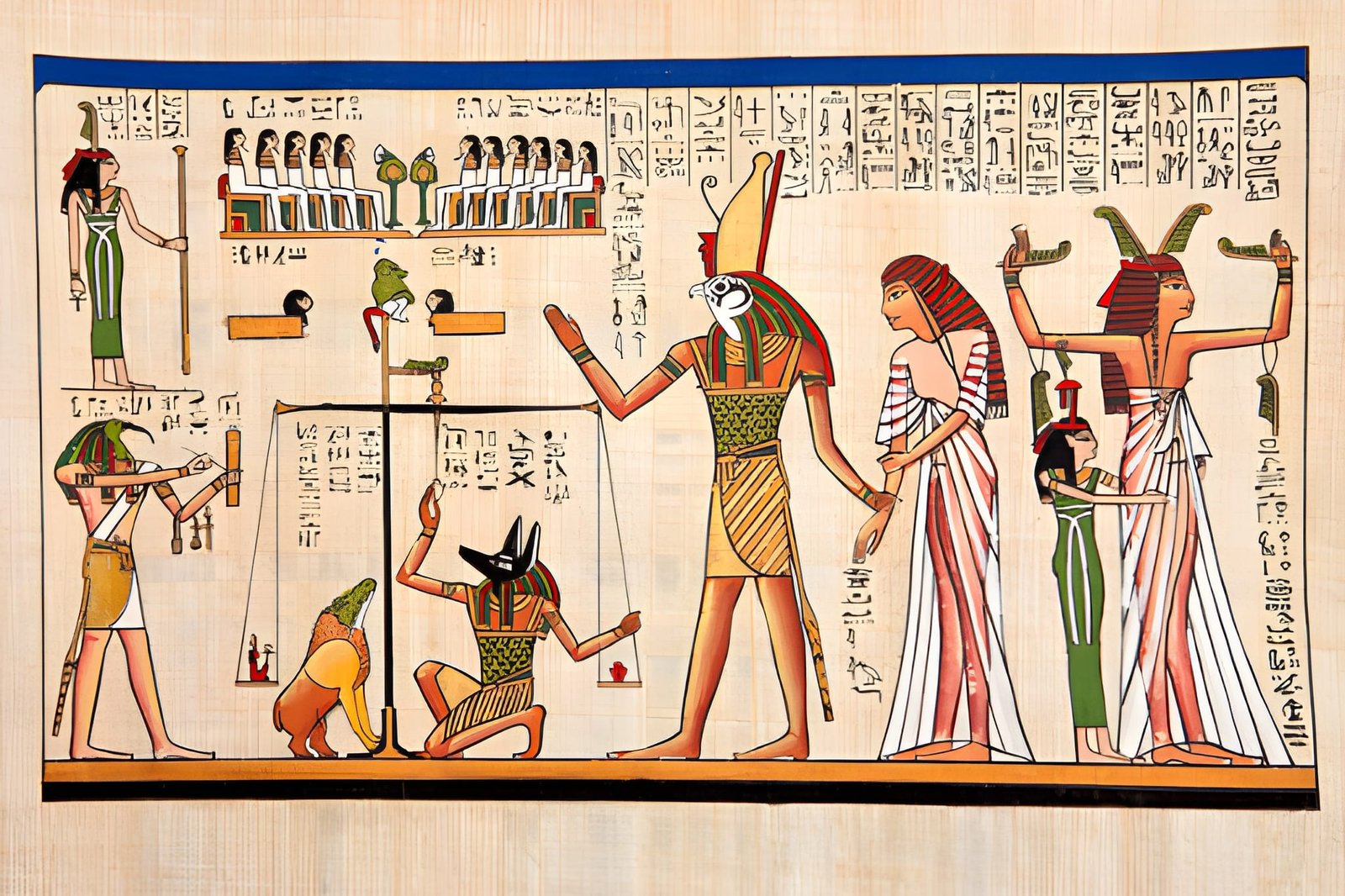
Education in Ancient Egypt stands as one of the earliest and most sophisticated systems of learning in human history. From the banks of the Nile to the grand halls of temples and scribal schools, the ancient Egyptians viewed knowledge as divine power—a gift from Thoth, the god of wisdom and writing. For thousands of years, their structured approach to education shaped not only their civilization but also influenced later cultures in Greece and Rome. Far from being limited to elite circles, education in Ancient Egypt had layers, purposes, and spiritual significance that remain awe-inspiring to this day.
At its core, education in Ancient Egypt was deeply intertwined with religion, statecraft, and social order. The scribes, who were the intellectual elite, carried the responsibility of recording laws, religious texts, and economic transactions. Their mastery of hieroglyphics and hieratic scripts was the backbone of Egypt’s bureaucratic and cultural continuity. Yet, beyond the scribes, boys from noble families and temple apprentices also received methodical instruction in mathematics, astronomy, medicine, and moral philosophy. This educational system was neither accidental nor chaotic—it was a reflection of a civilization obsessed with order, balance, and eternal legacy.
Moreover, the sacred institutions of learning were often attached to temples and royal institutions, such as those found near the Saqqara Pyramids and Thebes. The training of priests, architects, and physicians within these centers demonstrated Egypt’s commitment to intellectual advancement. Whether it was through the study of geometry to build monumental structures like the Pyramids of Giza or astronomy to predict the annual flooding of the Nile, education was a pillar of Egyptian existence. This article delves into the intricate layers of Ancient Egyptian education—its purpose, structure, and enduring influence on the world’s understanding of knowledge itself.
The Foundations of Learning in Ancient Egyptian Society
Education in Ancient Egypt was a privilege, primarily reserved for males of the upper and middle classes. The state and temples recognized early on that educated individuals were vital for maintaining Egypt’s vast bureaucracy and complex religious system. Schools, known as ‘Houses of Instruction’ or ‘Per Ankh’ (House of Life), were often located within temple complexes. Here, young apprentices were trained by master scribes and priests. The goal wasn’t merely literacy; it was about shaping disciplined, morally upright citizens capable of serving the gods and the pharaoh.
Children began their education at an early age, often around five or six. Learning started with memorization—students recited passages from religious texts and copied them multiple times on papyrus or limestone tablets. This repetitive process wasn’t just about writing proficiency; it instilled mental resilience and respect for the written word. The Egyptian concept of Maat—truth, balance, and order—was woven into every lesson. Students were reminded that knowledge was sacred, a tool to maintain harmony in society and the cosmos.
Interestingly, even though girls rarely attended formal schools, women in noble families could still receive education privately. Some women achieved remarkable literacy, such as priestesses and female scribes. The legacy of women’s education in Egypt subtly paved the way for later societies to acknowledge the intellectual potential of women—a concept centuries ahead of its time.
The Curriculum of Ancient Egyptian Schools: Writing, Arithmetic, and Wisdom
The curriculum in Ancient Egyptian education was rigorous and comprehensive. At its heart lay the art of writing, especially hieroglyphics and hieratic script. Students learned these systems meticulously, practicing thousands of symbols with precise accuracy. Writing was essential for record-keeping, administration, and religious ceremonies. The ability to write made one part of the intellectual elite, giving rise to the esteemed class of scribes who held immense social prestige.
Besides writing, mathematics played a crucial role. Arithmetic, geometry, and measurement were necessary for construction, taxation, and agriculture. These skills were indispensable in designing temples, calculating grain yields, and constructing canals. Students solved problems using simple tools and mental calculations, creating the foundation for practical mathematics that influenced future civilizations. Astronomy and medicine were also taught to those destined for priesthood or state administration, emphasizing Egypt’s holistic approach to education.
One cannot overlook the moral instruction embedded in their teachings. Ancient Egyptian wisdom literature, like the “Instructions of Ptahhotep,” guided students on ethics, humility, and proper conduct. These texts served not only as educational material but also as life manuals—a reflection of Egypt’s moral and spiritual philosophy.
Teachers and Scribes: Pillars of Ancient Egyptian Academia
Teachers in Ancient Egypt were revered figures. Often priests or elder scribes, they commanded both respect and authority. Their role extended beyond instruction—they were moral guides and community leaders. Teaching was based on discipline, patience, and repetition, ensuring that every student could internalize the lessons of Maat. Corporal punishment was not uncommon, as Egyptians believed discipline forged strength and obedience, qualities essential for public service.
The scribes, as the end product of years of education, became the intellectual engine of Egypt. They managed records, transcribed royal decrees, prepared religious texts, and documented trade and taxation. Their work preserved Egypt’s administrative efficiency and cultural memory. Without scribes, Egypt’s monumental achievements—from temple inscriptions to the documentation of dynastic histories—would’ve been impossible. The scribe’s pen was truly mightier than the sword in the land of the Pharaohs.
The Role of Temples as Educational Centers
Temples weren’t only religious sanctuaries—they were the beating heart of intellectual life. Within these sacred walls, the “Houses of Life” thrived as libraries, universities, and research centers combined. The priests who studied there were scholars, scientists, and physicians. Their teachings included theology, medicine, astronomy, and even engineering. The temple schools near The Karnak Temple and Heliopolis were among the most renowned institutions, attracting young elites across Egypt.
Students were immersed in the study of sacred texts, rituals, and natural sciences. Education wasn’t limited to abstract theory—it was applied knowledge meant to serve both gods and humans. The temple’s dual purpose as a center of worship and learning forged a culture where spirituality and science coexisted harmoniously. It’s no wonder that Egypt’s educational model later influenced the philosophical schools of Greece and beyond.
The Influence of Education on Egyptian Civilization and Legacy
Education in Ancient Egypt didn’t just shape individuals—it defined the nation. The literate elite maintained governmental stability, preserved religious traditions, and advanced scientific knowledge. Their achievements in medicine, architecture, and mathematics stemmed from a disciplined educational system that valued precision and wisdom equally. This intellectual framework continued to inspire scholars throughout antiquity and influenced civilizations around the Mediterranean basin.
Even modern visitors exploring sites like the Valley of the Kings or The Egyptian Museum marvel at the sophistication of Egyptian thought embedded in hieroglyphic inscriptions and ancient manuscripts. To wander through these historical sites is to walk through the corridors of ancient education itself. Understanding how Egyptians learned is key to understanding how they lived, worshiped, and ruled.
For travelers eager to experience these educational legacies firsthand, curated journeys by Travme Tours and specialized programs like Best Nile River Cruises and Egypt Day Tours offer immersive insights into Egypt’s brilliant past. These experiences reveal how knowledge, artistry, and devotion built a civilization that continues to fascinate the world.
FAQs About Education in Ancient Egypt
What was the main purpose of education in Ancient Egypt?
Education in Ancient Egypt aimed to train competent administrators, priests, and scribes who could maintain the state’s bureaucratic and religious systems. Learning was viewed as a sacred duty to uphold Maat, the principle of universal balance and truth.
Who had access to education in Ancient Egypt?
Education was primarily available to boys from noble or middle-class families, while girls received private instruction at home. However, some women, particularly priestesses and royal family members, achieved literacy and participated in cultural life.
What subjects were taught in Ancient Egyptian schools?
Students studied writing, mathematics, astronomy, medicine, religion, and moral philosophy. These subjects collectively prepared them for administrative, religious, or scientific roles in society.
Where were schools located in Ancient Egypt?
Most educational institutions were attached to temples and royal complexes. These “Houses of Life” functioned as centers of learning, preserving sacred texts, and training future scribes and priests.
How did education influence Ancient Egyptian civilization?
Education sustained Egypt’s political, religious, and cultural development. It nurtured skilled scribes, inspired monumental architecture, and preserved the nation’s heritage through written records that continue to inform modern scholarship.

Comment (0)