

The Grand Egyptian Museum: A Majestic Gateway to Egypt’s Timeless Legacy
The Grand Egyptian Museum, also known as the GEM, stands as one of the most ambitious cultural projects of the 21st century. Located just two kilometers from the Pyramids of Giza, this colossal museum is not only a tribute to Egypt’s legendary past but also a beacon of its modern renaissance. The Grand Egyptian Museum promises an immersive journey through more than 5,000 years of history, encapsulating the spirit of the pharaohs, the genius of ancient artisans, and the enduring fascination the world holds for Egyptian civilization. With its cutting-edge design, sustainable technology, and unparalleled collection of artifacts, the GEM redefines what a museum can be — a living bridge between antiquity and innovation.
Set to house over 100,000 artifacts, including the complete treasure collection of King Tutankhamun, the Grand Egyptian Museum is designed to be a world-class cultural hub. Its architecture, a masterpiece of glass and stone, mirrors the desert’s golden hues while offering panoramic views of the Giza Plateau. As visitors step inside, they’re welcomed by the colossal Statue of Ramses II, a symbolic guardian of history and grandeur. Every corridor, exhibit, and gallery is meticulously curated to tell stories that shaped humanity’s earliest civilizations. The museum serves as a dynamic space for exploration, education, and inspiration—inviting travelers, historians, and dreamers alike to unravel Egypt’s eternal mysteries.
Whether you’re embarking on one of the Best Egypt Travel Packages or planning an independent journey, the GEM is an essential stop on any itinerary. Its blend of ancient treasures, digital storytelling, and architectural brilliance guarantees an experience that’s both breathtaking and enlightening. As Egypt continues to position itself at the heart of global heritage tourism, the Grand Egyptian Museum stands as its crown jewel — a timeless monument celebrating a civilization that still captivates the world’s imagination.
Architectural Brilliance and Innovative Design
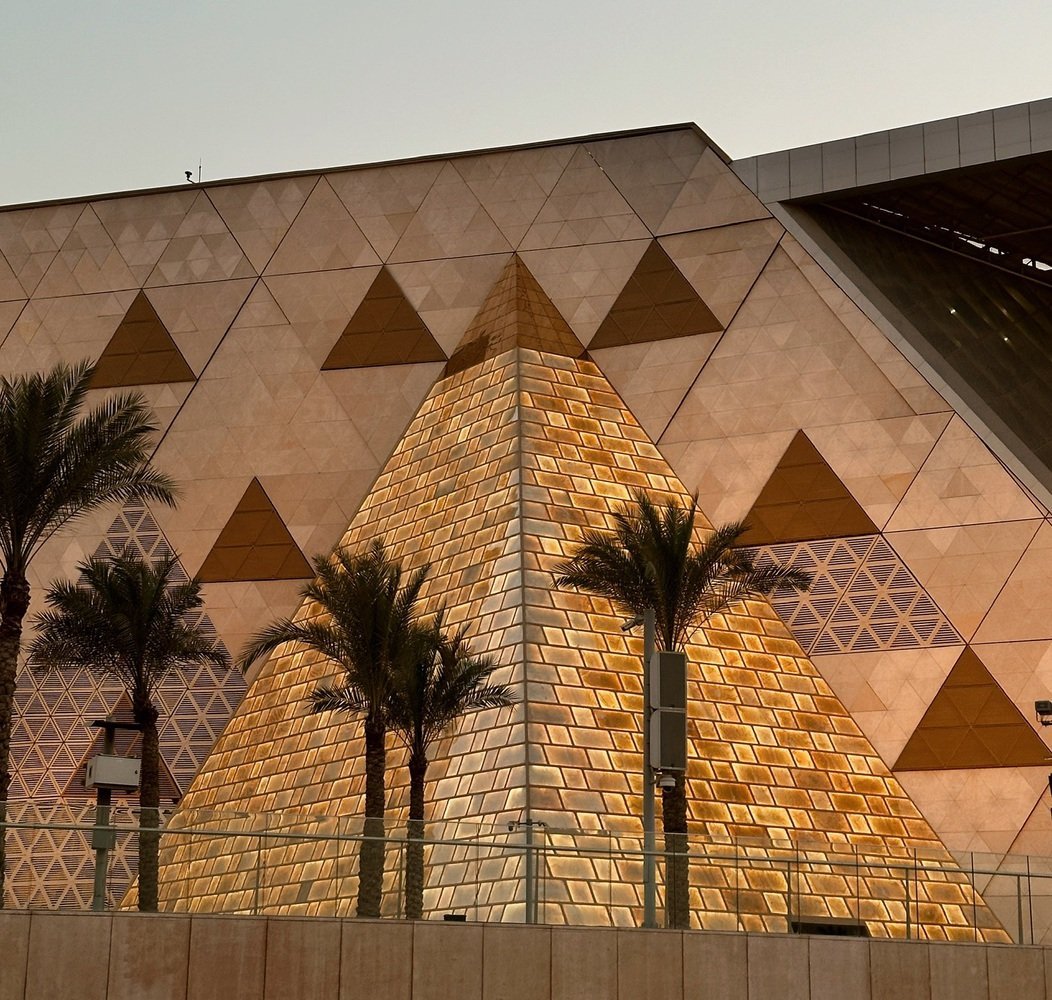
The architecture of the Grand Egyptian Museum is nothing short of visionary. Designed by the Irish architectural firm Heneghan Peng, the structure integrates modern aesthetics with symbolic geometry inspired by ancient Egypt. The museum’s triangular motifs echo the nearby pyramids, visually connecting the contemporary edifice with its ancient neighbors. Its façade, made of translucent alabaster stone, captures sunlight during the day and emits a soft, golden glow at night—a poetic reflection of Egypt’s eternal light. Every detail has been crafted to create harmony between form and function, ensuring visitors feel the transition between the modern world and the land of the pharaohs.
The museum’s interior spans over half a million square meters, featuring vast galleries, open courtyards, and technologically advanced exhibition halls. One of its most striking elements is the grand atrium, where the colossal statue of Ramses II greets visitors. The flow of the design encourages natural movement, guiding guests through thematic zones representing Egypt’s chronological and cultural evolution. Sustainability plays a vital role too; the GEM utilizes energy-efficient systems, desert-friendly landscaping, and climate controls that preserve ancient relics while reducing environmental impact.
The Symbolism Behind the Design
Every architectural line tells a story. The building’s north and south walls align directly with the Great Pyramid of Khufu and the Pyramid of Menkaure, symbolizing Egypt’s timeless continuity. Beyond aesthetics, this alignment represents a spiritual and geographic connection between the museum and the ancient necropolis. Visitors standing at the museum’s main terrace can see the Pyramids of Giza framed perfectly in the distance—a sight that seamlessly merges history and modernity.
The Treasures of the Grand Egyptian Museum
The Grand Egyptian Museum boasts a treasure trove of artifacts unparalleled in scale and significance. Among its most anticipated displays are the complete collection of King Tutankhamun’s belongings—over 5,000 items, many of which have never been exhibited before. From his golden throne and chariots to his everyday possessions, these objects reveal intimate details about the life, death, and afterlife beliefs of one of Egypt’s most famous pharaohs. The museum’s exhibition strategy blends traditional displays with interactive technologies, allowing visitors to explore ancient craftsmanship in astonishing detail.
Beyond Tutankhamun, the museum will showcase monumental statues, intricate jewelry, royal mummies, and sacred relics from various dynasties. Visitors can admire masterpieces from the Old Kingdom to the Greco-Roman era, each piece narrating a unique chapter of Egypt’s vast heritage. An entire wing is dedicated to ancient art and innovation, highlighting the evolution of hieroglyphics, sculpture, and engineering. For enthusiasts eager to deepen their understanding, the museum’s digital installations and augmented reality experiences offer a modern way to step back in time.
Highlights You Can’t Miss
Among the countless wonders, several stand out as must-sees. The King Tutankhamun’s Mask remains the centerpiece of fascination, symbolizing the pinnacle of ancient Egyptian artistry. Nearby, colossal statues of pharaohs and gods command attention in the Grand Staircase gallery. The museum also includes rare finds from the Valley Temple and the Saqqara Pyramids, connecting visitors to Egypt’s earliest architectural triumphs. Together, these exhibits present a narrative that’s both epic and personal—linking rulers, artisans, and everyday citizens across millennia.
Educational and Cultural Significance
The Grand Egyptian Museum isn’t just a repository of artifacts—it’s a global center for learning and cultural exchange. Its research and conservation facilities rank among the most advanced in the world, employing scientists and archaeologists dedicated to preserving Egypt’s heritage for future generations. The museum’s education center offers immersive programs for students, families, and scholars, bridging the gap between academic research and public engagement. Through workshops, lectures, and digital archives, the GEM promotes deeper appreciation for Egypt’s role in shaping human civilization.
Equally important is the museum’s commitment to community engagement. It aims to inspire Egyptians to reconnect with their history, fostering national pride and cultural awareness. The GEM’s international partnerships with institutions such as the Louvre and the British Museum enhance global collaboration in archaeology, art history, and conservation science. Visitors can even participate in interactive sessions about ancient techniques like mummification, depicted through exhibits inspired by the 7 Steps of Mummification, offering both education and fascination in equal measure.
Technology Meets Antiquity
At the heart of the museum’s mission lies innovation. The GEM integrates digital storytelling, 3D reconstructions, and holographic projections to recreate ancient Egypt in vivid realism. Visitors can virtually explore tombs, decipher hieroglyphics, and even witness reconstructions of archaeological digs. This fusion of technology and tradition transforms the way history is experienced, making learning both engaging and interactive. It’s a futuristic museum built to celebrate the past.
Visitor Experience and Accessibility
From the moment visitors arrive, the Grand Egyptian Museum delivers a seamless and unforgettable experience. Its vast outdoor plaza welcomes guests with palm-lined walkways, fountains, and open-air seating areas that provide stunning views of the pyramids. Inside, cafes, souvenir boutiques, and interactive zones ensure comfort throughout the visit. The museum also offers guided tours in multiple languages, catering to travelers from around the world. Many tours combine the GEM experience with other iconic destinations like the National Museum of Egyptian Civilization or the Egypt Day Tours to create a comprehensive exploration of Cairo’s cultural wonders.
Accessibility remains a top priority. The museum provides ramps, elevators, and special assistance for elderly or differently-abled visitors. With its proximity to Giza City and major transport routes, reaching the site is convenient for both locals and international travelers. Whether you’re part of a private group or an independent explorer, the GEM ensures that every guest experiences Egypt’s history in comfort and style.
The Economic and Tourism Impact of the Grand Egyptian Museum
The GEM isn’t just a cultural milestone—it’s a catalyst for Egypt’s tourism renaissance. The government envisions it as a magnet for millions of visitors annually, revitalizing the local economy and inspiring global curiosity. Surrounded by luxury hotels, restaurants, and shopping districts, the museum is part of a larger plan to transform Giza into a world-class destination. Travel companies like Travme Tours have already incorporated the GEM into exclusive itineraries, offering visitors curated experiences that include the museum, the pyramids, and the vibrant streets of Cairo.
For travelers seeking premium experiences, combining the GEM with a Luxury Dahabiya Nile Cruise or an Egypt Luxury Tour allows a seamless blend of cultural immersion and relaxation. The opening of the GEM has also spurred job creation, boosted infrastructure development, and strengthened Egypt’s position as a global center for heritage tourism. It’s more than a museum—it’s a symbol of national revival and international admiration.
Preserving the Past for Future Generations
The Grand Egyptian Museum embodies Egypt’s enduring promise to protect its legacy. With advanced conservation laboratories, it plays a crucial role in restoring fragile artifacts and preparing new discoveries for exhibition. The facility’s climate control systems maintain perfect conditions for preservation, ensuring that even the most delicate papyrus and textile pieces remain intact for centuries. The GEM’s mission goes beyond preservation—it’s about storytelling, connecting people across time through the power of art, culture, and identity.
FAQs About The Grand Egyptian Museum
When will the Grand Egyptian Museum officially open?
The Grand Egyptian Museum is expected to open fully in the coming year after partial previews and soft openings. Although some areas have already been accessible for special events, the official grand opening will mark a new era in Egypt’s cultural tourism scene.
Where is the Grand Egyptian Museum located?
The museum is located in Giza, roughly two kilometers from the Great Pyramid complex. Its strategic position offers panoramic views of the pyramids while being easily accessible from central Cairo and the international airport.
What are the top exhibits in the Grand Egyptian Museum?
Key highlights include the complete treasures of King Tutankhamun, colossal statues of ancient rulers, artifacts from the Old Kingdom, and interactive digital displays that bring ancient Egypt to life.
How can I visit the Grand Egyptian Museum?
Visitors can reach the museum via public transportation, taxis, or through guided tours organized by local operators. Many travelers prefer to include the GEM in curated packages such as the 8 Day Cairo and Nile Cruise Tour for a complete cultural experience.
Why is the Grand Egyptian Museum important?
The GEM represents the largest archaeological museum complex ever built, dedicated entirely to one civilization. It ensures the preservation, interpretation, and celebration of Egypt’s unparalleled contribution to human history.
Final Thoughts
The Grand Egyptian Museum isn’t merely a destination—it’s a revelation. Its vast halls echo with the voices of kings, artists, and dreamers who shaped humanity’s story. As travelers stand beneath its alabaster walls, gazing toward the eternal pyramids, they witness a seamless dialogue between past and present. For anyone passionate about culture, history, and discovery, the GEM is not just a place to visit—it’s an experience to treasure for a lifetime.

Comment (0)